AI is breaking the SaaS assumptions behind activation, retention, and expansion. Here’s what growth teams should measure instead.
By Zain Abiddin, Founder of GrowthPad
For the last 15 years, SaaS companies have been optimizing roughly the same growth machine:
Acquire users. Get them to sign up. Move them through onboarding. Drive feature adoption. Convert them to paid. Retain them. Expand the account.
We built an entire growth discipline around those steps—and the metrics that represent them: activation rates, daily and monthly active users, feature adoption, seat expansion, and net revenue retention.
But AI is starting to break a fundamental assumption underneath that model.
Customers increasingly do not want to use more software. They want software to do more of the work.
I do not necessarily want another analytics dashboard. I want to know why revenue dropped.
I do not want another CRM workflow builder. I want qualified prospects followed up with.
I do not want 20 new AI features. I want the job done.
If that is where software is heading, we need to rethink what growth actually means.
The question is no longer just: How do we get customers to use more software?
It is becoming: How do we help customers accomplish more while using the software less?
The hidden assumption in the SaaS growth model
The traditional SaaS model assumes that the customer operates the software.
The customer logs in, creates things, clicks buttons, configures workflows, invites teammates, and performs actions. Those actions eventually produce an outcome.
So growth teams learned to measure the actions:
Did the user create three projects?
Did they invite five teammates?
How many features did they use?
How many sessions did they have?
What is the ratio of daily to monthly active users?
For traditional SaaS products, these were often useful proxies for customer value.
AI creates a strange possibility: the product can get dramatically better while those metrics get worse.
What if engagement goes down?
Imagine a workflow that previously required 30 minutes inside your product. An AI agent can now complete it in 30 seconds.
Sessions decrease. Clicks decrease. Time in product decreases. Feature usage might decrease too.
Yet the customer receives more value.
That creates a dangerous situation for companies still running their business on traditional engagement dashboards. You could improve the product while making your core metrics look worse.
AI can separate engagement from value.
This does not make engagement useless. It makes engagement a proxy—and potentially a much less reliable one than it used to be.
Growth teams need to get closer to the result the customer actually cares about.
From feature adoption to outcome adoption
Traditional product analytics asks:
Which features did the customer use?
How often did they use them?
How many actions did they perform?
For an AI product, I would ask a different set of questions:
Did the customer get a useful result?
Did the product complete the task successfully?
Did the customer accept the output?
Did they actually use the output?
Did they return with another job?
Are they trusting the product with more valuable work?
That is the shift from feature adoption to outcome adoption.
The goal of onboarding is no longer simply to teach someone how the product works. It is to get them to their first meaningful outcome as quickly as possible.
Instead of saying, “Here are the tools you need to solve your problem,” an AI-native product can increasingly say, “Tell me what you are trying to accomplish”—and then do it.
That collapses time-to-value. It also changes what activation should mean.
Trust is the new activation
When someone uses an AI product for the first time, they are not only evaluating whether a feature works. They are deciding whether they can trust the result.
Can I trust this answer? Can I send this output to a customer? Can I give the product access to company data? Can I let it take an action? Can I eventually allow it to work without checking every step?
That is a fundamentally different relationship with software.
“Generated first output” may be an early milestone, but it is not necessarily a meaningful activation event.
Stronger signals might be:
Accepted the first output
Used the first recommendation
Authorized the first action
Reused an AI-generated asset
Delegated a second, higher-value job
Each event tells us that the customer crossed a trust threshold.
Once trust grows, delegation becomes possible.
The Delegation Ladder
AI adoption is not binary. Customers move through increasing levels of trust and responsibility.
I think of this as the Delegation Ladder:
Ask: “Tell me something.” The AI acts like a search or research tool. Risk and trust are low.
Create: “Write, analyze, design, or build this.” The customer begins trusting the output.
Recommend: “Tell me what I should do.” The product begins influencing decisions.
Act: “Send, update, book, deploy, or change this—but ask for approval first.”
Operate autonomously: “Handle it. Tell me when something important happens.”
Every step requires more trust. Every step can also create more customer value.
That gives growth teams a more useful question than “How do we drive adoption of another feature?”
Ask instead: How do we earn enough trust for the customer to delegate more work?
Delegation could become the new expansion
This shift has major implications for monetization.
A large part of SaaS expansion has historically come from seats. The customer hires more employees, buys more licenses, and expands annual recurring revenue.
But what happens when the product’s promise is that the customer needs fewer people to accomplish the same amount of work?
The customer could receive more value while needing fewer seats. If seats are the foundation of your pricing model, your monetization may move in the opposite direction from the value you create.
AI expansion may increasingly come from:
More tasks
More workflows
More agents
More actions
More volume
More valuable outcomes
More autonomy
In other words: more work delegated to the product.
This is why AI pricing and AI growth strategy are becoming difficult to separate. Your monetization model needs to expand with the unit that actually creates customer value.
Context can create a compounding retention loop
Traditional SaaS products build retention through stored data, collaboration, integrations, workflows, and history.
AI introduces another potentially powerful retention mechanism: context.
Over time, an AI system can learn a customer’s company, preferences, previous work, customers, writing style, processes, decisions, standards, and workflows.
The first week may feel generic. Six months later, the product should understand how that customer works.
But storing context is not a moat by itself. The customer has to feel the improvement.
If six months of accumulated context produces essentially the same experience as day one, you have not created much of a retention advantage.
This is more meaningful than reporting that a user logged in 14 times this month. It describes a mechanism through which the product can become more valuable to an individual customer the longer they use it.
That is the type of retention advantage AI companies should be trying to build.
More usage can still produce a worse business
There is another side to this model.
More AI usage does not automatically mean a better business.
Historically, the marginal cost of another query, document, or workflow in a SaaS product could be negligible. AI changes that. Models cost money to run. Agents may make repeated model calls, invoke tools, generate media, run code, search, reason, and execute multiple steps before producing a result.
An AI company can end up in a bizarre position:
Usage is rising. Engagement is rising. Customers love the product. And the unit economics are getting worse.
Growth teams therefore need to care about a metric they could previously leave mainly to finance: cost to serve.
The goal is not to maximize usage. It is to profitably deliver valuable outcomes.
A growth scorecard for AI-native products
If I were building a growth scorecard for an AI-native subscription product today, I would start with seven dimensions:
Intent: Are customers bringing the product meaningful jobs?
Outcome: Is the product solving those jobs successfully?
Trust: Are customers accepting and using the results?
Delegation: Are customers entrusting the product with more responsibility?
Retention: Do they keep returning with more jobs?
Expansion: Is the amount or value of delegated work increasing?
Economics: Can the company profitably deliver those outcomes?
Clicks, sessions, feature count, and time in product may still help diagnose behavior. But they should not be mistaken for value itself.
As AI changes how customers interact with software, the distance between those proxies and actual value may widen.
The new AI growth model
Put everything together and the growth engine starts to look different:
Start with the customer’s intent: What are they actually trying to accomplish?
Get them to a meaningful outcome as quickly as possible.
Use that outcome to build trust.
Turn trust into delegation.
Turn repeated delegation and successful outcomes into retention.
Earn the right to handle more or higher-value work and drive expansion.
Make sure the economics underneath the system work.
Suggested visual: Intent → Outcome → Trust → Delegation → Retention → Expansion, with Economics beneath the full system.
The old growth question was: How do we get people to use more software?
The AI-native growth question is: How do we get software to create more value for people?
Do not copy this funnel blindly
There is one important warning: do not take this framework back to your team and start optimizing all seven stages at once.
That is how growth teams end up doing 100 things and moving nothing.
Your business probably does not have seven equally important problems. It has a constraint.
Maybe retention is excellent, but nobody knows you exist. That is an acquisition problem.
Maybe thousands of people sign up, but few reach a meaningful outcome. That is an activation problem.
Maybe people love the first experience, but never return. That is a retention problem.
Maybe retention is strong, but accounts never expand. That may be a packaging, pricing, or delegation problem.
Maybe AI usage is exploding, but the unit economics are terrible. That is an economics problem.
These are completely different businesses. They should not run the same growth playbook.
More experiments are not the answer
Growth teams love experiments: change the landing page, launch a referral program, redesign onboarding, add annual plans, build an AI feature, start outbound, or run ads.
But an experiment is only useful if it attacks a problem that matters.
If your largest constraint is retention and your team spends the quarter improving website conversion, you might produce a beautiful experiment result. Conversion rises 12%. Everyone celebrates. The company’s trajectory barely changes.
The goal is not to run more experiments.
The goal is to find the highest-leverage constraint and systematically attack it.
That is the discipline behind the GrowthPad Growth OS:
Diagnose the entire growth engine.
Measure where growth is actually breaking down.
Prioritize the highest-leverage constraint—and decide what not to work on.
Experiment with a small number of high-quality bets against that constraint.
Execute those bets through a focused operating plan.
The tactics will change. AI will change. The technology will definitely change.
The discipline of finding the constraint will not.
Two questions for your team
If AI fundamentally changes how customers receive value from your product, has your growth model changed with it?
And what is the single biggest constraint preventing your company from growing faster right now?
If you do not have a confident answer, do not add another disconnected experiment to the backlog.
Map the engine. Find the constraint. Choose the few bets that matter. Build the operating plan.
That is exactly what we do in the GrowthPad Growth Strategy Workshop: a three-hour working session where founders and growth leaders use their own business, numbers, assumptions, and priorities to build a focused 90-day growth plan.
GrowthPad helps founders and growth leaders diagnose their growth engine, identify the constraint, and build a focused plan to fix it. Subscribe to The Growth Roundup for practical frameworks on activation, retention, monetization, expansion, and AI-native growth.
The strongest AI companies are not choosing between subscriptions and usage-based pricing. They are building pricing systems that expand as customer value expands.
AI has created a strange pricing problem.
The underlying technology is expensive to operate, customer usage is unpredictable, and the value users receive can vary dramatically from one task to another.
One person might use an AI product twice a week. Another might use it to generate hundreds of assets, write production code, run workflows, or automate an entire business process.
Charging both customers the same flat subscription eventually stops making sense.
But pure usage-based pricing creates its own problems. Customers dislike unpredictable bills. They struggle to understand what a token is worth. And many buyers still want the simplicity of knowing what they will pay each month.
The emerging answer is not subscription or usage-based pricing.
It is a combination of both.
In my recent conversation with Andrew Garvin, Co-Founder of Metronome, we discussed how monetization is becoming part of the product infrastructure itself. Pricing, billing, metering, entitlements, packaging, and product experience can no longer be treated as separate systems.
The pricing page is where that infrastructure becomes visible to the customer.
Lovable, Notion, and Gemini are three strong examples of companies approaching the problem from different directions:
Lovable starts with credits and product usage.
Notion starts with seats and layers usage-based AI products on top.
Gemini bundles access, capabilities, storage, tools, and usage limits into a broad consumer pricing ladder.
Their models are not identical. But the underlying principles are remarkably similar.
1. Lovable makes the value metric visible
Lovable’s pricing page immediately establishes a familiar SaaS structure:
Free, Pro, Business, and Enterprise.
That part is conventional. What makes the model interesting is what sits inside the paid plans: credits.
The subscription establishes a predictable monthly commitment. Credits determine how much product capacity the customer receives.
That makes Lovable a clear example of hybrid monetization.
Customers are not simply paying to unlock a static collection of features. They are buying access to the product and a defined amount of productive capacity.
The free plan creates a low-friction entry point
Lovable allows customers to experience the product before making a financial commitment.
This is particularly important for AI products because users often need to see the output before they understand the value.
A landing page can explain what an AI builder does. A demo can show it. But the moment a user generates their own application is what creates conviction.
The free plan is therefore not merely a cheaper package. It is part of the acquisition engine.
Credits create a visible expansion path
The Pro and Business plans make monthly credits visible and selectable directly on the pricing page.
That matters.
Usage-based pricing becomes difficult when the value metric is hidden, abstract, or introduced only after the customer has already purchased.
Lovable tells customers upfront that credits are part of the model. The customer can see that higher usage will require more capacity.
This creates a natural progression:
Start free.
Upgrade to receive more credits and capabilities.
Purchase additional credits when usage increases.
Move into a larger plan as the team and operation become more sophisticated.
The pricing architecture mirrors customer growth.
Rollovers and top-ups reduce the weaknesses of credits
Credit-based models can create anxiety.
Customers worry about unused balances. They also worry about suddenly running out of capacity during an important project.
Lovable addresses both sides of the problem through credit rollovers and on-demand top-ups.
Rollovers reduce the feeling that unused capacity is wasted.
Top-ups prevent customers from being forced into a larger recurring commitment simply because of a temporary spike in usage.
This creates flexibility without abandoning the predictability of a subscription.
Unlimited users encourage adoption
Lovable also avoids relying entirely on per-seat monetization.
Unlimited users make it easier for a customer to invite more people into the product. That reduces internal friction and can help Lovable spread across a team.
Instead of charging for every person who enters the workspace, Lovable can capture more value as the team collectively consumes more product capacity.
That is a critical distinction.
Seat-based pricing monetizes access.
Usage-based pricing monetizes activity.
For collaborative AI products, charging primarily around activity can make expansion easier because customers do not have to debate the cost of every additional collaborator.
Lovable combines a familiar SaaS plan ladder with credits, top-ups, rollovers, and enterprise packaging.
2. Notion is building a monetization stack
Notion’s pricing architecture starts from a different place.
Its core value metric is still familiar: price per member per month.
That works because Notion is fundamentally collaborative software. As more people join a workspace, the product becomes more useful and the account becomes more valuable.
But Notion is no longer monetizing only collaboration and software access.
It is increasingly monetizing intelligence, automation, agents, search, and completed work.
This is where the pricing page becomes particularly interesting.
The packaging follows the customer journey
Notion divides its pricing structure into two clear sections.
The left side serves individuals and smaller teams through Free and Plus.
The right side serves growing businesses and enterprises through Business and Enterprise.
This creates a clean progression:
Personal organization
Small-team collaboration
Business-wide workflows
Enterprise control and governance
The structure is easy to understand because the packages represent increasingly sophisticated customer needs.
The user does not need to compare every feature individually before understanding which general plan is intended for them.
Business is positioned as the default growth plan
The Business plan carries a recommended label.
This appears minor, but pricing pages are decision-making environments. Customers are frequently looking for guidance, not unlimited choice.
A recommended plan reduces cognitive load.
It tells a growing team: this is probably where you belong.
The best pricing pages do not simply present options. They help customers make a decision.
Enterprise features are packaged around organizational risk
Notion’s Enterprise plan does not rely on consumer-style feature volume.
It focuses on capabilities that matter to larger organizations:
User provisioning
Audit logs
Security controls
Compliance connections
Domain management
Administrative governance
Customer success
This is effective because enterprise buyers are not purchasing only more product usage.
They are purchasing control, reduced risk, implementation support, and organizational confidence.
Enterprise pricing is therefore paired with a Contact Sales motion rather than a simple self-serve checkout.
That allows Notion to price around account complexity, scale, support requirements, deployment conditions, and strategic value.
Agents create a second monetization layer
The most important section of Notion’s pricing page may sit beneath the traditional plan comparison.
Custom Agents are free to try and then priced through Notion credits. Workers also introduce a usage-based component.
This gives Notion two monetization systems:
Seat-based subscriptions for the workspace.
Credit-based monetization for AI work and automated activity.
That is the foundation of a more modular pricing model.
A team can pay for access based on the number of members while also paying for additional work completed by agents.
This matters because the economic value of an agent is not necessarily tied to the number of humans in the workspace.
One employee might run thousands of automated tasks. Another might barely use the AI features.
Charging only per seat would fail to capture that difference.
The credit layer gives Notion room to monetize the amount of AI activity generated inside the account without abandoning the predictable seat-based model customers already understand.
Notion uses seats for its core collaboration product while introducing credits for agents and AI-powered activity.
3. Gemini captures a wide range of willingness to pay
Gemini faces a broader packaging challenge.
It is serving casual consumers, students, professionals, creators, developers, and advanced AI users within the same product ecosystem.
A single subscription would either be too expensive for casual users or too limited for power users.
Google addresses this with a wide pricing ladder:
Free
Google AI Plus
Google AI Pro
Google AI Ultra
The price gap between the plans is significant. That is intentional.
Gemini is not simply offering small feature upgrades. It is attempting to capture several distinct levels of willingness to pay.
Free creates mass distribution
The free plan gives users access to a meaningful collection of AI capabilities.
This lowers the cost of experimentation and allows Gemini to become part of the user’s daily behaviour before asking for payment.
For a broad consumer product, free access is not only an acquisition strategy. It is also a distribution strategy.
Every free user becomes a potential future subscriber as their usage, reliance, or sophistication increases.
Usage limits make the upgrade tangible
AI products often struggle to explain why one plan should cost more than another.
Gemini uses usage multiples to communicate the difference.
The customer sees language such as two times higher access, four times higher access, or dramatically higher limits at the Ultra level.
That is more understandable than explaining the underlying cost of tokens, inference, model classes, or compute.
The user does not need to understand the technical input. They only need to understand that the paid plan allows them to do more.
The value metric is therefore translated into customer language: access and limits.
The Ultra plan acts as a premium anchor
Google AI Ultra sits far above the lower-priced plans.
The plan is designed for customers who want the highest limits, early access, advanced models, agent capabilities, creative tools, and developer-oriented products.
It also plays another pricing role: anchoring.
Once a $99.99 plan exists, the $19.99 Pro plan can feel comparatively accessible.
The Ultra plan does not need to become the most popular package to improve the pricing architecture. It gives high-intensity customers somewhere to go while establishing a premium reference point for the rest of the page.
Bundling increases perceived value
Gemini’s plans combine several forms of value:
Model access
Higher usage limits
Creative tools
Search capabilities
Coding agents
Notebook functionality
Storage
Google application integrations
Early access to new features
Bundling makes the package feel larger than a subscription to a single chatbot.
Google is monetizing an ecosystem.
That creates stronger retention opportunities because the customer can use different parts of the bundle for different jobs.
It also creates cross-product expansion. A user may join for Gemini, begin using Flow, rely on Notebook, experiment with Jules, and eventually develop workflows that make the broader subscription difficult to replace.
The pricing ladder follows user sophistication
Gemini’s progression is not purely based on company size.
It is based on user intensity.
A casual user begins with Free.
A regular user may upgrade to Plus.
A professional or creator moves to Pro.
A power user, developer, or AI-heavy operator may justify Ultra.
This is land-and-expand applied to an individual customer rather than an organization.
The account expands as the user becomes more sophisticated and dependent on the product.
Gemini uses usage limits, bundled tools, multiple price points, and a premium anchor to monetize customers with very different levels of AI intensity.
The shared model: predictable access plus variable consumption
Lovable, Notion, and Gemini all approach monetization differently.
But each pricing system is moving toward the same basic structure:
A predictable recurring payment establishes access. Variable consumption determines expansion.
For Lovable, the recurring payment includes monthly credits.
For Notion, seat-based subscriptions provide access to the workspace while credits monetize agents and AI activity.
For Gemini, each subscription tier bundles higher usage limits, premium capabilities, and access to a wider set of tools.
None of these companies are relying on pure usage-based pricing.
That would create too much uncertainty for many customers.
They are also not relying entirely on flat subscriptions.
That would leave money on the table when high-intensity users consume significantly more infrastructure and receive substantially more value.
The hybrid model gives both sides something they need.
The customer receives predictability.
The company receives an expansion mechanism.
What these pricing pages teach us
1. The free plan needs to produce a real outcome
A free plan should not be a product tour disguised as a package.
The user should be able to complete something meaningful.
Lovable lets users begin creating.
Notion allows individuals to organize real work.
Gemini gives users access to a broad set of AI capabilities.
A useful free plan creates the moment when the customer understands the product’s value.
The paid plan should then remove a constraint: capacity, collaboration, usage, control, sophistication, or scale.
2. Packaging should follow customer maturity
Customers should be able to recognize themselves in the plan architecture.
A strong pricing ladder answers three questions:
Where should I start?
What will cause me to upgrade?
Where can I go when my needs become more complex?
Lovable follows the journey from builder to team to organization.
Notion follows the journey from individual to small team to business to enterprise.
Gemini follows the journey from casual user to professional to AI power user.
The names, descriptions, features, and prices should reinforce the same progression.
3. The value metric must be understandable
A technically precise value metric is useless if the customer cannot understand it.
Tokens may map closely to AI infrastructure costs, but most customers do not know how many tokens they need.
Credits can simplify this, but only when customers understand what the credits allow them to accomplish.
Usage limits can work when the difference between plans is visible.
Seats work when value increases with collaboration.
The best value metric is not simply the metric that matches cost. It is the metric that customers can connect to value.
4. Usage should create expansion, not fear
Variable pricing becomes dangerous when customers feel that normal product use could create an unexpected bill.
That is why hybrid models are so powerful.
Subscriptions create a predictable base.
Included usage allows customers to develop habits.
Limits, top-ups, credits, or higher-capacity plans create expansion after the customer already understands the value.
The goal is not to charge for every possible action.
The goal is to create a fair relationship between increasing customer value and increasing revenue.
5. Enterprise pricing solves a different problem
Enterprise is not simply a larger self-serve plan.
Lessons from Ashley Williams on using community to strengthen acquisition, product adoption, retention, and monetization
Community is often treated as a brand initiative.
The best companies treat it as growth infrastructure.
A strong community can help a subscription business acquire customers through word of mouth, increase product adoption through peer education, improve retention by creating deeper relationships, and support monetization by helping users understand more complex products.
But most companies do not begin there.
They start by launching a Slack channel, opening a Discord server, or adding a forum to their website.
A few people introduce themselves. Someone shares a product update. Engagement gradually disappears. Six months later, leadership starts asking why the company invested in community in the first place.
The problem is not the platform.
The problem is that the platform was mistaken for the community.
In a recent Growth Roundup session, I spoke with Ashley Williams, Community Lead at Stripe, about how great communities are built and how they can contribute to subscription growth.
Ashley has spent almost 20 years building communities across Wix, Airbnb, ClassDojo, and Stripe. She began at Wix when it was still a roughly 100-person startup and helped turn a physical coworking space into a global ambassador program. She later built communities for Airbnb Experience hosts, Airbnb Homes hosts, teachers at ClassDojo, and now Stripe users and builders around the world.
Her central lesson is simple:
Do not start with the community platform. Start with the people.
Watch the full talk here:
Community is human infrastructure
Technology companies are conditioned to begin by building something.
Choose the software. Configure the channels. Create the onboarding flow. Announce the launch.
Community requires a different approach.
Before selecting Slack, Discord, a forum, or an event format, you need to understand:
Who should be connected?
What do they already care about?
Why would they help one another?
How do they naturally prefer to gather?
What value can they create together that the company cannot provide alone?
Ashley compared building a community to designing a product.
You would not create a product without researching the user, understanding the problem, and validating the behaviour. Community should be approached with the same discipline.
The online space is only a tool the community uses. It is not the community itself.
The Grow, Engage, Impact framework
There is no single metric that defines a successful community.
A startup with its first 50 customers should not measure community in the same way as a public company with millions of users. Even inside the same company, the purpose of a community may change as the business grows.
Ashley uses a three-part framework:
1. Grow
First, establish the human infrastructure.
Who belongs in the community? Where do they gather? Who leads it? Are enough people participating for the group to become useful?
Growth metrics might include:
Number of members
Community leaders recruited
Events organized
Event attendance
New local chapters
2. Engage
A large community is meaningless when nobody participates.
Once the community exists, the next question is whether it is active, healthy, and valuable.
Engagement metrics might include:
Active members
Repeat event attendance
Posts and discussions
Member satisfaction
Connections made between members
Contributions from community leaders
As Ashley put it, a “sad, dead zombie community” is not much better than having no community at all.
3. Impact
Growth and engagement create the foundation. Impact explains why the community should continue to exist.
For a subscription business, impact could include:
Increased product adoption
Higher conversion
Improved retention
Better customer education
Stronger word of mouth
More qualified leads
Product feedback
Revenue growth
The three stages create a flywheel.
When a community delivers meaningful impact, members become more engaged. Engaged members attract new people. Growth creates more opportunities for impact.
Start with existing green shoots
The best early community members may not be your largest customers.
They may not be the users paying you the most money or logging into your product most frequently.
Instead, look for the people who are already behaving like community leaders:
Who is talking publicly about your product?
Who is teaching other people how to use it?
Who creates tutorials, templates, events, or content around it?
Whose career or business depends on your product?
Who is already answering questions for other users?
These people are not merely using the product.
They are building part of their professional identity around it.
Ashley calls these existing behaviours “green shoots.”
Instead of trying to manufacture a new behaviour, find the energy that already exists and amplify it.
This is how she approached the Stripe community. She looked for people who were already talking about Stripe and engaging audiences around its products. She then contacted them directly and asked what a valuable Stripe community could look like, how they would want to participate, and what they would want from it.
The community was not designed in isolation and handed to users.
It was built with the people who were already acting like its leaders.
How community supports subscription growth
Subscription growth is often broken into three areas:
Acquisition, retention, and monetization.
A well-designed community can influence all three.
Acquisition
Communities create word of mouth, advocacy, social proof, and warmer introductions to a product.
When users teach others, organize events, publish tutorials, or share their results, they create distribution that the company does not have to manufacture alone.
Community does not necessarily replace product-led or sales-led growth.
It amplifies both.
In a product-led business, the product may create the initial adoption loop. Community expands that loop through education, advocacy, shared templates, and peer recommendations.
Ashley pointed to Figma as a strong example. The product spread inside organizations, while the community helped advocate for it, teach it, and embed it more deeply within teams.
In a sales-led business, community can produce what some teams call community-qualified leads.
A prospect who has attended an event, spoken with existing users, or participated in a discussion is not receiving a completely cold sales message.
They already understand the brand. They have seen social proof. They may already trust people who use the product.
Community improves the conditions under which the sales conversation begins.
Retention
Subscription businesses retain customers when those customers continue to receive value.
Community can increase that value beyond the product itself.
Members gain access to:
Knowledge from other users
Practical use cases
Professional relationships
Support from peers
Recognition within their industry
Opportunities to teach and lead
Leaving the product can then mean leaving behind more than software. It can also mean losing access to a network, identity, and source of professional value.
That does not mean community can rescue a weak product.
It means community can deepen the value of a product that already solves an important problem.
Monetization and product adoption
Many subscription products become more valuable as customers adopt additional features, expand usage, or move into higher-value plans.
The challenge is that more sophisticated features are often difficult to explain through a push notification or lifecycle email.
This is where community becomes especially valuable.
Users can explain the product in context. They can demonstrate how they use it, answer questions, provide reassurance, and show evidence from their own results.
Peer education can drive behaviour that company messaging cannot.
Community is most powerful when the product is complex
At Wix, Ashley’s team initially ran meetups themselves.
These sessions helped users understand more complex products and adopt new features, but the model did not scale. The team was constantly travelling and becoming exhausted.
The solution was not to abandon the high-touch experience.
It was to transfer leadership to the community.
Wix identified professional web designers who were already building businesses around the platform and created the Wix Ambassador program.
These professionals wanted to be recognized as local Wix experts. Users gained access to knowledgeable people who could teach them. Wix gained a scalable way to provide hands-on education around the world.
By the time Ashley left, roughly four Wix community events were taking place somewhere in the world every day.
The company preserved the depth of in-person education while distributing delivery through members who were intrinsically motivated to lead.
This is where community can outperform traditional lifecycle channels.
When adopting a product requires a conversation, demonstration, peer reassurance, or hands-on coaching, community becomes particularly powerful.
Peer trust can change customer behaviour
At Airbnb Experiences, the team identified behaviours that could improve host performance and increase revenue.
One example was pricing.
Hosts could be reluctant to change their prices when Airbnb directly recommended it. Pricing is personal, sensitive, and closely connected to how hosts value their own work.
But a host might respond differently when another host said:
“I changed my price, received more bookings, and increased my overall revenue.”
The advice was similar. The messenger was different.
Ashley’s team measured host behaviour before community summits and then looked for statistically significant changes afterwards. They could connect changes in behaviour to revenue impact.
This illustrates community’s unique advantage.
It can create trust and behavioural change where corporate communication struggles.
In-person events should create value after the event
In-person events are expensive.
They are difficult to operate, and they do not appear to scale as cleanly as an email campaign or webinar.
They are also where some of the deepest relationships are formed.
The mistake is treating an event as a standalone moment.
A strategic event should produce outcomes that continue after everyone leaves:
New relationships between members
Local leaders who continue organizing
Content that can be distributed
Product feedback
Customer stories
Future collaborators
Increased product confidence
Follow-up conversations
At Airbnb Experiences, the team ran full-day summits in its largest markets and smaller sessions in long-tail markets.
These events were designed as high-touch moments supported by lower-touch programs before and after them.
The question was not simply:
“How many people attended?”
It was:
“What will exist because these people attended?”
That distinction changes how an event is designed and how its return is measured.
Measure behaviour, not just membership
Vanity metrics are tempting because they are easy to report.
Ten thousand community members sounds impressive.
It says little about whether those members receive value or create business impact.
At Stripe, Ashley described measuring community across all three stages.
For growth, the team looks at the number of Stripe Community Builders, events, attendees, and members.
For engagement, the team measures activity and event sentiment. At the time of the conversation, Stripe’s community had hosted more than 200 events in 2026, with an average event sentiment score of 4.8 out of 5.
For impact, the team is increasingly examining product education and adoption, particularly in complicated and rapidly evolving areas such as AI and agentic commerce.
A strong community measurement system should therefore answer three questions:
Is the community growing?
Are members receiving enough value to participate?
Is that participation changing something meaningful for the business?
Measuring only growth can hide a dead community.
Measuring only engagement can create a happy group with no business purpose.
Measuring only revenue too early can kill a promising community before it has enough scale or trust to produce results.
Build community as a platform, not a lever
A community tied to one narrow metric is fragile.
What happens when the company’s priorities change?
Customer support may matter most this year. Product adoption may become the priority next year. A new enterprise motion may later require customer advocacy and peer education.
Ashley recommends thinking of community as a platform that can create value across the organization.
A strong community may support:
Marketing through word of mouth
Sales through warmer leads
Product through feedback
Customer success through peer education
Retention through stronger relationships
Research through direct user access
Brand through member stories
Hiring through professional networks
That does not mean community should try to serve every department at once.
It means the underlying relationships, leadership systems, and communication infrastructure can evolve as the company’s needs change.
Spend time with internal skeptics
Community leaders often spend their time with executives who already support the idea.
Ashley recommends doing the opposite.
Spend more time with the skeptics.
Understand why they doubt the investment. Learn which business problems they are responsible for and what metrics they are expected to move.
Then determine whether the community can genuinely help.
Do not try to force every company priority into a community initiative. That creates weak strategy and questionable attribution.
But when community can solve a problem that other channels cannot, make that connection explicit.
Ashley also recommends pairing quantitative metrics with human stories when reporting internally.
Show the number of events and the satisfaction score.
Then show the customer who met a co-founder at an event, the first community gathering in a new country, or the user who adopted a product after learning from another member.
Executives often need evidence of both scale and human impact.
Ambassador programs require intrinsic motivation
Many companies try to launch ambassador programs through merchandise, badges, points, and other rewards.
These incentives can help, but they are weak foundations.
The best ambassadors are already motivated to perform the behaviour the program needs.
A professional who builds their business around your product may want to teach others because it strengthens their reputation.
A local expert may want to organize events because it expands their network.
A power user may create educational content because it brings them clients or career opportunities.
The program should amplify those existing incentives.
It should not ask people to adopt an entirely new behaviour in exchange for a T-shirt.
Extrinsic rewards eventually run out.
Intrinsic motivation can compound.
AI makes authentic communities more important
AI may automate content creation, moderation, analysis, and parts of community operations.
But it also makes genuine human conversations more valuable.
Ashley noted that large language models frequently draw from conversational, community-driven sources such as forums and Reddit.
Those discussions increasingly influence what people learn, which products they discover, and how they make decisions.
Useful conversations between real users can therefore become part of a company’s discoverability and reputation.
Companies will still need clear rules around acceptable AI use inside their communities.
AI-generated noise can overwhelm genuine discussion. Members should understand where AI is encouraged, where it should be disclosed, and where authentic human contributions are essential.
The goal is not to reject AI.
It is to use it in ways that strengthen collaboration without replacing the experiences that make a community trustworthy.
When should you hire a community leader?
Founders sometimes assume that the first community hire simply needs to be friendly and good with people.
That is table stakes.
A strong community leader should also be able to explain:
Who the community is for
Why members will participate
What value the company will provide
What value members will provide one another
How the community will support business priorities
Which behaviours and metrics will demonstrate progress
A friendly person can keep conversations moving.
A strategic community leader can build a system that produces value for members and the business.
If the founder is not willing to invest the time to understand users, create a strategy, and consistently support the community, hiring someone may be necessary.
But hiring a person without giving them a clear mandate, executive support, or connection to the business will not solve the problem.
What to do when you have ten customers
Founders often assume community is something to build after reaching thousands of users.
Ashley’s advice is the opposite.
When you have ten customers, speak to all ten.
Ask them:
Would connecting with other customers be valuable?
What would you want to learn from them?
What knowledge could you contribute?
How would you prefer to gather?
Are you already talking to other users?
What problem could this group solve together?
Do not promise a global ambassador program.
Do not launch five channels.
Do not manufacture activity.
Look for one existing behaviour worth amplifying.
It could be a monthly conversation, a small dinner, a customer-led workshop, a founder roundtable, or a group where members exchange practical advice.
The first version of a thriving community may simply be five people who genuinely want to speak again.
The real community advantage
Community is not a shortcut.
It requires trust, strategy, internal alignment, clear incentives, and sustained investment.
But when it works, it allows a subscription business to provide high-touch human engagement at a scale its employees could never deliver alone.
Users teach one another.
Customers influence the product.
Local leaders create new relationships.
Members become advocates.
Complex products become easier to adopt.
Prospects gain social proof.
Customers receive value beyond the software itself.
And the company stops merely talking at its users and starts building alongside them.
That is how great communities drive subscription growth.
Not by launching another Slack channel.
By creating a network of people who are invested in helping one another succeed.
Most companies still treat pricing like a finance decision.
Pick a number. Create three plans. Put the middle one in a different colour. Add “Most Popular” above it.
But pricing is not just the amount customers pay. It shapes how they use the product, when they experience value, what behaviours they repeat, and whether growing with the product feels rewarding or painful.
That makes pricing part of the product experience.
In a recent Growth Roundup conversation, I spoke with Andrew Garvin, co-founder of Metronome, about how the best software companies are rethinking pricing for a world of AI agents, credits, usage-based billing, and increasingly unpredictable customer behaviour.
The big takeaway was simple:
Great pricing does more than capture value. It helps customers create more of it.
The idea behind Metronome came from a problem that looked like billing infrastructure but was really a growth problem.
At Dropbox, the product team could design a pricing experiment quickly. The difficult part was implementing it inside the billing system and getting usable data back.
That process could take three to nine months, despite Dropbox having a large billing engineering team.
That gap matters.
A company may have a dozen strong ideas for improving packaging, introducing credits, testing regional pricing, or creating a new usage-based plan. But those ideas are worthless if the billing system cannot support them.
Pricing flexibility has become a competitive advantage.
This is even more important for AI products. One customer might use a product five times a month. Another might connect an agent that performs thousands of actions.
The product can no longer assume that every user creates similar value or carries a similar cost.
Start with cost, comparisons, and value
Pricing discussions often become messy because every team is solving for something different.
Finance wants healthy margins. Sales wants a model that is easy to explain. Product wants fewer barriers to adoption. Customers want predictability.
Andrew breaks the problem into three parts.
First, understand your cost.
For an AI company, that could include inference, model providers, storage, data processing, support, and infrastructure. Cost gives you a floor, but it should not automatically become your customer-facing pricing model.
Tokens may matter internally. That does not mean customers want to buy tokens.
Second, understand what customers compare you against.
The comparison might be a competitor, an employee, an internal engineering team, or another category of software entirely.
Metronome, for example, could be compared with both billing infrastructure and a data platform. The most useful comparison was not necessarily another company with the same category label. It was the alternative living in the customer’s head.
Third, understand the value being created.
Does the product replace engineering work? Resolve support conversations? Generate qualified leads? Complete tasks that previously required an employee?
The strongest pricing models tend to move closer to that value.
Andrew used these three lenses to turn pricing from an abstract debate into a manageable decision.
Do not make customers understand your infrastructure
One of the easiest ways to overcomplicate pricing is to expose too much of the underlying system.
AI products can have complicated cost structures. Different models cost different amounts. A single customer action might trigger several model calls, tools, or workflows.
That complexity is real, but it is usually the company’s problem.
Andrew shared the example of a vertical SaaS company serving golf clubs. The team wanted to model its pricing after Anthropic.
That might make sense for a developer buying access to a model. It makes far less sense for a golf professional trying to operate a club.
The customer should not need to watch a token counter to understand whether they can keep using the product.
A useful rule is:
The pricing model should reflect how the customer experiences value, not how your infrastructure produces cost.
Credits can help companies hide some of that complexity. They create a layer between changing infrastructure costs and the customer experience.
But even credits need to be simple. If customers cannot predict what an action will cost or why their balance changed, the abstraction has failed.
Gamification is really incentive design
Gamification often gets reduced to badges, streaks, points, or leaderboards.
That is not the interesting part.
The useful part of gamification is designing incentives that encourage customers to repeat valuable behaviours.
Pricing can do the same thing.
It can encourage users to return, try a feature, complete a project, invite teammates, increase usage, or move from experimentation into production.
The goal is not to manipulate customers into spending more.
The goal is to align the behaviour that creates more value for the customer with the behaviour that creates more value for the business.
That is why Lovable is such an interesting example.
What Lovable gets right
Lovable gives users recurring free credits, including people already on paid plans.
At first, that sounds strange. Why give free usage to someone who is already paying?
Because the credits are not only a pricing mechanic. They are part of the engagement loop.
A recurring credit refresh gives users a reason to come back. Each return creates another opportunity for the user to make progress on a project.
Over time, Lovable can identify the people who move from casually experimenting to seriously building and hosting applications.
Those customers are far more valuable than the average user.
But instead of immediately punishing them for increased usage, Lovable can give them additional credits at key moments. The company rewards the behaviour it wants to see.
Andrew described this as borrowing from the playbook of mobile games, where a small group of highly engaged users often drives a large share of revenue.
The lesson is not that every SaaS product needs daily credits.
The lesson is that pricing can be used to support the habits that make customers successful.
Stop punishing customers for using the product
Many usage-based products create the wrong emotional experience.
A customer starts getting more value, increases usage, and immediately sees a warning, an unexpected bill, or a hard limit.
The product has turned success into anxiety.
That does not mean increased usage should always be free. A business still needs to capture value.
But the monetization moment should remind the customer what they achieved.
“You generated 1,000 qualified leads this month” is a much stronger message than “You have used 87% of your credits.”
Both describe the same underlying activity. Only one reinforces the value of the product.
Before asking customers to pay more, show them why paying more makes sense.
Outcome-based pricing is attractive but hard
Intercom’s Fin is one of the clearest examples of outcome-based pricing.
Instead of charging only for seats or access, Fin charges based on automated support resolutions.
That creates a straightforward value story. The customer gets a resolved support conversation. Intercom gets paid for delivering it.
Andrew described Fin as one of the strongest examples of a company successfully moving toward outcome-based pricing. He also pointed out that competitors have found the model difficult to reproduce.
That is because outcome-based pricing introduces difficult questions.
What counts as a successful outcome? Who determines whether the outcome was achieved? What happens when the customer disagrees? How much control does the product have over the final result?
Outcome-based pricing works best when the outcome is easy to understand, objectively measurable, and strongly connected to the product.
That combination is rarer than it looks.
Pricing experiments should reduce risk
Pricing changes affect far more than conversion.
They can change positioning, customer behaviour, retention, sales incentives, revenue, and even the type of customer the company attracts.
That makes teams nervous about experimenting.
But refusing to experiment does not remove risk. It simply allows untested assumptions to become permanent.
Andrew pointed to two ways companies can reduce that risk.
The first is launching in a limited market.
HubSpot introduced parts of its move toward credits in smaller regions before expanding more broadly. A regional rollout gives the team a chance to observe customer reactions, sales friction, billing problems, and adoption patterns before committing the entire business.
The second is allowing users to experience value before introducing the meter.
When Notion launches certain AI capabilities, it may initially make them free. That gives customers time to understand the product before credits or pricing become part of the experience.
The company takes on more cost in the short term, but it learns which users adopt the feature, what they use it for, and where the strongest value appears.
The point is not to give the product away indefinitely.
It is to avoid finalising the pricing model before you understand the customer behaviour.
Credits create new retention levers
Traditional subscription businesses have a familiar set of retention tactics.
They can offer a discount, pause the subscription, extend the trial, move the customer to a cheaper plan, or improve payment recovery.
Credits introduce another set of options.
A company can add credits when a customer is about to cancel, extend the expiry date, allow balances to roll over, or reward customers when they return.
These tactics can preserve access to the product without permanently lowering its price.
They can also make the cancellation decision feel more concrete. Customers are not simply losing access. They may be giving up a balance they have already accumulated.
In enterprise products, usage-based pricing creates a different retention opportunity.
A company can start with a relatively small commitment, allow usage to expand, and communicate value continuously as the customer grows.
That last part matters.
Value should not be explained only during a renewal meeting. The product should regularly show customers what they are achieving.
Monetization is moving into the product and engineering organisation
Pricing used to sit between finance, sales operations, and the executive team.
At many AI companies, it is becoming a platform capability.
Monetization teams increasingly work across identity, entitlements, metering, billing, accounts, packaging, usage data, and pricing configuration.
This is happening because pricing models are becoming more dynamic.
A company may need to support subscriptions, usage, credits, outcomes, enterprise commitments, and custom agreements at the same time.
Andrew described a shift away from the traditional build-versus-buy decision.
Companies increasingly want to “build with” a platform. They want strong infrastructure, but they also want the ability to extend it, combine it with internal systems, and adapt as the pricing model changes.
That means pricing cannot be a once-a-year project.
It requires ongoing work across product, growth, engineering, finance, data, and go-to-market.
The market will get more complicated before it gets simpler
AI companies are currently experimenting with tokens, credits, actions, outcomes, seats, usage, agents, and hybrid subscriptions.
It feels messy because the value created by AI is highly variable.
An agent can perform far more work than a traditional software user. That breaks the assumption that each seat creates roughly similar value and cost.
Andrew expects usage-based pricing to become a capability every software company needs, even when usage is not the main pricing model.
He also expects subscriptions and credits to work together for the next several years. Subscriptions provide predictability. Credits allow companies to account for changing levels of usage.
Eventually, the market may simplify again.
Mobile phone pricing followed a similar path. Customers moved from complicated metered plans toward simpler bundles once the market matured.
Software may end up in a similar place, but companies need flexibility while the model is still evolving.
The founder mistake: pricing too low
When I asked Andrew for the most common pricing mistake founders make, his answer was immediate.
They price too low.
Early founders are often unsure of the value they provide. They discount aggressively, leave early customers on design-partner pricing for too long, and avoid monetization because they worry it will slow adoption.
But cheap or free usage can hide weak demand.
A customer willing to try the product is not the same as a customer willing to pay for the value it creates.
This is especially important in AI, where new companies can reach meaningful revenue much faster than previous generations of software businesses.
Andrew’s advice was to focus on monetization earlier. A working pricing model helps prove that the business is real before the company spends years building around weak signals.
Pricing should make the product better
The old pricing question was:
How much can we charge without losing the customer?
A better question is:
How can pricing help the customer experience more value?
When pricing works as part of the product, free usage can build habits, credits can guide behaviour, upgrades can reflect progress, and usage can feel like success rather than punishment.
The best pricing model is not simply the one that produces the highest conversion rate this quarter.
It is the one that aligns your growth with the customer’s growth.
That is how you build a product people do not merely tolerate paying for.
It is how you build a product people love to pay for.
What separates products that grow from products that simply look good?
Growth design has quietly become one of the most influential disciplines in modern product development. Companies like Meta, Reddit, Canva, Duolingo, and Notion don’t just rely on great engineering—they rely on designers who understand metrics, experimentation, and business outcomes.
In the latest episode of The Growth Roundup, I sat down with Peter Burjanek, Growth Design Leader at Reddit and former Growth Product Design Manager at Meta, to unpack how the world’s fastest-growing consumer products think about acquisition, retention, monetization, experimentation, and AI.
Below are the biggest lessons from our conversation.
Growth Design Isn’t a Different Discipline. It’s a Different Mindset.
One of Peter’s biggest insights was surprisingly simple.
Any product designer can become a growth designer.
The difference isn’t aesthetics.
It isn’t Figma skills.
It isn’t typography.
It’s how you think.
Growth designers begin every project with business outcomes.
Instead of asking:
“What should this screen look like?”
They ask:
“Which company metric are we trying to move?”
Daily Active Users?
Retention?
Activation?
Conversion?
Revenue?
Everything starts there.
Only then do they generate multiple approaches—what Peter calls optionality—to maximize the chance of improving that metric.
The Best Growth Designers Generate Options, Not Pixels
Traditional designers often search for the perfect solution.
Growth designers search for dozens.
Peter repeatedly emphasized optionality throughout the conversation.
Instead of shipping one onboarding flow…
They ship four.
Instead of debating internally…
They experiment.
Instead of defending opinions…
They validate hypotheses.
Growth teams aren’t rewarded for being right.
They’re rewarded for learning faster than everyone else.
Speed Is a Competitive Advantage
One theme came up repeatedly:
Move faster.
Not recklessly.
Not carelessly.
Just faster.
Peter explained that the strongest growth organizations operate on rapid experimentation cycles.
Rather than spending months polishing features, teams build, test, learn and iterate continuously.
The goal isn’t perfection.
The goal is increasing the number of high-quality experiments you can run each quarter.
Great Design Systems Create Faster Growth
Most people think design systems exist for consistency.
Peter sees something much bigger.
A mature design system becomes an experimentation engine.
When reusable components already exist, designers can:
Launch experiments quicker
Build with confidence
Reuse proven UI patterns
Scale successful experiments across multiple teams
At Reddit, Peter described creating reusable systems specifically so future teams could move dramatically faster.
Stop Talking About Process
One of Peter’s strongest hiring observations surprised me.
Many designers spend interviews explaining:
Research
Sticky notes
Journey maps
Wireframes
Workshops
Peter doesn’t care.
He cares about impact.
His question is simple:
What changed because of your work?
Did activation improve?
Did retention increase?
Did revenue grow?
Did churn decrease?
Growth organizations increasingly hire people based on measurable business outcomes—not beautiful case studies.
Every Product Needs Re-Engagement Loops
Growth doesn’t end after onboarding.
In many ways, that’s where it starts.
Peter highlighted one of the strongest patterns across successful consumer products:
Build reasons for users to come back.
Examples include:
Personalized push notifications
Relevant email digests
Friend activity
Community updates
Trending discussions
Personalized recommendations
The key isn’t simply sending notifications.
It’s reminding users of the value waiting inside the product.
Importantly, don’t reveal everything in the notification itself.
Give users enough information to create curiosity—but leave the deeper experience inside the app.
Organic Growth Always Wins
Paid acquisition can buy traffic.
Organic growth builds companies.
Peter noted that many startups overspend on paid ads without first identifying their natural growth loop.
The strongest products create flywheels:
Acquire → Deliver Value → Share → Acquire More Users
Whether it’s:
Reddit shares
Instagram posts
Dropbox referrals
Canva designs
Figma collaboration
The product itself becomes the acquisition channel.
Great Onboarding Feels Invisible
Nobody enjoys onboarding.
Companies need onboarding.
Users want to skip it.
That creates tension.
Peter believes modern onboarding should:
Collect only the highest-value signals
Always provide an escape hatch
Ask for permissions only when tied to clear value
Continue collecting signals after onboarding
Adapt dynamically based on user behavior
Instead of asking for location immediately…
Ask later when location unlocks something valuable.
Instead of demanding address book access…
Explain how it helps reconnect with friends.
Every permission request needs a compelling value exchange.
Experimentation Beats Opinions
One line from Peter perfectly summarized modern product development.
There are vibes… and there are metrics.
Many companies still prioritize intuition.
The best companies validate intuition with experiments.
At scale:
A/B testing
Multivariate testing
Feature flags
At smaller startups:
User interviews
Customer research
Qualitative observation
Different stages require different tools.
But every stage requires learning.
The goal isn’t proving yourself right.
The goal is discovering what users actually want.
AI Is Accelerating Design—Not Replacing It
Perhaps the biggest surprise from our conversation was Peter’s perspective on AI.
AI isn’t replacing designers.
It’s replacing waiting.
Instead of static prototypes inside Figma, designers now build:
Interactive prototypes
Live code
Backend-connected demos
User-testable experiences
Using tools like Cursor and modern LLMs, designers can now prototype production-like experiences in hours instead of weeks.
That dramatically speeds up:
User research
Executive reviews
Engineering collaboration
Product iteration
The biggest win isn’t better visuals.
It’s dramatically faster learning.
The Biggest Startup Design Mistake
Peter had a surprisingly blunt observation.
Too many startups now look identical.
AI-generated landing pages.
Generic gradients.
Identical layouts.
The result?
No brand memory.
No trust.
No differentiation.
Customers notice.
Design is still one of the fastest ways to communicate quality.
If your homepage looks generated in five minutes, users may assume your product was too.
The Future Belongs to Designers Who Understand Business
Perhaps the biggest takeaway wasn’t about design.
It was about ownership.
The role of product designers is expanding rapidly.
The designers who will thrive over the next decade won’t just understand:
Layout
Typography
Motion
Accessibility
They’ll also understand:
Unit economics
Experimentation
Growth loops
Pricing
Retention
AI
Business strategy
The future growth designer isn’t simply crafting interfaces.
They’re helping shape the direction of the company.
Final Thoughts
Growth design sits at the intersection of psychology, product thinking, experimentation, and business strategy.
The best practitioners don’t chase perfect pixels—they chase learning.
They measure outcomes.
They ship quickly.
They experiment relentlessly.
And they build products that users genuinely want to return to.
As AI continues lowering the cost of execution, the companies that win won’t necessarily be those that design faster.
The next five years will be remembered for something different:
The industrialization of intelligence.
Artificial intelligence is no longer becoming another software category—it is becoming infrastructure.
Much like electricity transformed every industry rather than creating only one, AI is beginning to reshape nearly every business model simultaneously.
This creates one of the largest reallocations of capital in modern history.
The question isn’t simply which startups will win.
The more important question is:
Which industries will absorb trillions of dollars of investment—and which ones will steadily disappear?
A Framework
Industry growth is driven by four variables:
Capital investment
Labor productivity improvements
Regulatory tailwinds
Customer demand
Industries that score highly across all four tend to compound for years.
Those that fail across all four usually experience long periods of decline.
The Big Picture
Over the next five years we estimate roughly:
Category
Outlook
AI Infrastructure
Massive Growth
Healthcare Technology
Massive Growth
Energy Infrastructure
Massive Growth
Cybersecurity
Massive Growth
Robotics & Automation
High Growth
Defense Technology
High Growth
Semiconductors
High Growth
Data Centers
High Growth
Software Consulting
Declining
Traditional SaaS
Slowing
Linear Television
Declining
Commercial Office
Structural Decline
Print Media
Continuing Decline
Industries That Will Grow
1. Artificial Intelligence Infrastructure
This is the largest investment cycle since cloud computing.
Gartner forecasts worldwide AI spending will reach approximately $2.6 trillion in 2026, growing 47% year-over-year, with AI infrastructure representing the largest category. AI infrastructure spending alone is expected to exceed $1.4 trillion in 2026.
Even more important:
AI infrastructure spending is becoming capital expenditure, not discretionary software spending.
Companies cannot compete without compute.
Growth drivers
GPUs
AI servers
Networking
Storage
Inference infrastructure
AI operating systems
Agent platforms
This is the digital equivalent of railroads during the Industrial Revolution.
2. Data Centers
Every AI model ultimately becomes an electricity problem.
Gartner projects:
Data-center electricity consumption reaches 565 TWh in 2026
AI server electricity usage grows 84% in one year
By 2027, AI servers consume more electricity than traditional servers
Global data-center electricity demand exceeds 1,200 TWh by 2030
This creates second-order opportunities:
Cooling
Liquid cooling
Grid optimization
Energy storage
Data-center software
Backup power
Construction
3. Cybersecurity
Every AI system creates new attack surfaces.
The more autonomous software becomes, the more valuable security becomes.
Growth areas include:
Identity
AI governance
Model security
Enterprise security
Agent authentication
Runtime monitoring
Cybersecurity increasingly resembles insurance: every company needs it regardless of economic conditions.
4. Healthcare
Healthcare represents nearly 20% of U.S. GDP, yet much of the system remains administratively inefficient.
AI can automate:
documentation
coding
scheduling
diagnostics
imaging
patient communication
This is not simply replacing doctors.
It is eliminating billions of hours of administrative work.
Major growth segments include:
medical imaging AI
clinical decision support
ambient documentation
personalized medicine
obesity therapeutics
remote monitoring
5. Robotics
Robotics has finally reached an inflection point.
Historically robots lacked:
vision
reasoning
language
Foundation models solve much of this.
Future growth areas:
warehouses
manufacturing
logistics
elder care
agriculture
surgery
Expect physical AI to become one of the defining investment themes of the 2030s.
6. Energy
AI has unexpectedly become an energy story.
Every additional AI model requires:
electricity
transmission
substations
transformers
batteries
Entire industries that looked mature five years ago suddenly face supply shortages.
Likely beneficiaries include:
utilities
grid software
nuclear
battery storage
transformers
industrial electrical equipment
7. Defense Technology
Geopolitical instability has fundamentally changed government priorities.
Defense spending is increasingly flowing toward:
autonomous systems
drones
AI surveillance
satellite intelligence
cyber defense
electronic warfare
Defense has become a software industry.
8. Semiconductors
Every AI workload begins with silicon.
Demand extends beyond GPUs to:
memory
networking chips
optical interconnects
packaging
advanced manufacturing
Semiconductors remain one of the highest-capital-intensity industries globally.
Industries That Will Shrink
1. Traditional IT Consulting
Much of today’s consulting work consists of:
documentation
analysis
reporting
implementation planning
These are increasingly AI-native tasks.
The consulting firms that survive will own proprietary expertise—not billable hours.
2. Commodity SaaS
The SaaS playbook of the past decade was simple:
Find a workflow.
Build software.
Charge per seat.
AI changes this.
Customers increasingly expect software to complete work rather than merely organize it.
The future belongs to outcome software, not workflow software.
3. Entry-Level Knowledge Work
Tasks likely to be increasingly automated include:
research
reporting
customer support
basic coding
data entry
document review
This doesn’t eliminate professionals.
It dramatically changes team size.
4. Print Media
The structural decline continues.
Advertising has shifted to:
creators
newsletters
podcasts
YouTube
social platforms
Print becomes increasingly niche.
5. Linear Television
Streaming continues taking audience share.
Advertising follows attention.
Sports remain valuable.
Everything else faces increasing pressure.
6. Commercial Office Space
Hybrid work is becoming permanent across many knowledge industries.
Demand shifts toward:
collaborative space
flexible offices
premium locations
Commodity office space continues facing pressure.
7. Traditional Customer Support
Large customer support organizations become AI-first.
Future support organizations increasingly consist of:
AI agents
escalation specialists
customer success
Instead of thousands of agents, companies may employ hundreds.
Where Venture Capital Will Flow
The biggest returns typically emerge where three forces overlap:
massive markets
exponential technology
heavy capital investment
Today’s examples include:
Sector
Why Capital Flows
AI Infrastructure
Compute demand
Robotics
Labor shortages
Healthcare AI
Cost reduction
Defense
Government budgets
Cybersecurity
Rising digital risk
Energy
AI power demand
Semiconductors
Compute bottlenecks
What This Means for Founders
The easiest companies to build over the next decade won’t necessarily be consumer apps.
Instead, founders should ask:
“Where are trillions of dollars already committed?”
History suggests that founders win by riding investment waves—not fighting them.
Amazon grew alongside internet adoption.
Stripe grew alongside cloud software.
NVIDIA grew alongside machine learning.
The next generation of founders will likely grow alongside:
AI infrastructure
healthcare transformation
robotics
industrial automation
energy modernization
defense technology
The GrowthPad Perspective
At GrowthPad, we believe founders often make one critical mistake:
They optimize for what is popular today rather than what will become inevitable tomorrow.
The next five years are unlikely to be dominated by another consumer social network or incremental productivity tool. Instead, they will be defined by rebuilding the world’s operating systems—compute, energy, healthcare, manufacturing, and defense—with intelligence embedded at every layer.
If your startup sits at the intersection of:
AI × Industry
Software × Physical Infrastructure
Automation × Labor Shortages
Intelligence × Regulation
…you’re probably swimming with the current rather than against it.
The greatest venture outcomes rarely come from predicting the next app. They come from identifying the next platform shift early and building on top of it.
The AI era is not just creating new companies—it is reshaping entire industries. The founders who understand where capital, talent, and demand are converging over the next five years will have an outsized opportunity to build enduring businesses.
References
Gartner, Worldwide AI Spending Forecast 2026 (May 2026).
Gartner, Worldwide IT Spending Forecast 2026 (April 2026).
Gartner, Data Center Power Consumption Forecast (July 2026).
In most consumer technology businesses, the playbook has always been the same: grow users first, monetize later. AI broke that assumption on arrival.
Vikas joined Google a decade ago as a software engineer, moved into product management through Google’s storage subscriptions business, and found himself at the centre of AI monetization two and a half years ago — when the cost reality of large language models made “wait and monetize later” impossible.
“Monetization was required across the industry — ChatGPT, Anthropic, Google — anybody using AI needed to start monetizing at the get-go. One, the supply constraints. Two, it was an expensive technology.”
That framing — scarcity of compute, high cost to serve — shapes almost every decision Vikas and his team make, from acquisition campaigns to pricing tier design to churn management.
Acquisition: Trials, Partnerships, and Skin in the Game
Traditional subscription acquisition relies on a clear value proposition locked behind a paywall. With AI, the free product itself is often so capable that the conversion funnel becomes genuinely difficult. Vikas described a two-layer approach: growing the top of funnel by working closely with product teams on consumer-facing apps, and then running targeted trial campaigns to drive what he called “instant magic” — moments where users feel the product’s power directly.
Google ran a 12-month free trial for students in India, partnering with Jio Telecom — a move almost unheard of in traditional SaaS. Vikas explained the logic: long-term ecosystem retention, not immediate revenue. But perhaps the more counterintuitive finding was this: free trials often underperform versus discounted paid entry points.
“Users who put some skin in the game — even at 50% or 75% off for a month — retain better than users on a free trial. There’s not enough urgency to actually use the product when you’re not paying anything.”
On paid channels, Google runs performance campaigns across YouTube, Instagram, and Google Discover, particularly tied to moment-based offers like New Year promotions or student campaigns. Partnerships with telcos and OEMs add local-market reach that direct channels can’t replicate, along with benefits like existing billing relationships with end users.
Why the Traditional Freemium Model Collapses
In conventional SaaS, the cost to serve additional users is nearly flat. Adding another Zoom seat, another Slack user, the incremental infrastructure cost is minor. AI inverts this. Every query triggers a compute event. Every agent step burns tokens and generates a cloud bill. As multi-agent workloads grow, costs scale directly with usage rather than flattening.
This makes the classic freemium model hide premium features behind a paywall, offer a generous free tier to grow users, structurally unsound. The free tier costs money at scale. The premium tier has to recoup it. And because the free tier is itself so powerful in AI, users have less incentive to upgrade.
Subscription vs. Usage-Based Pricing — It’s Not Either/Or
One of the more nuanced points Vikas made is that the “subscription vs. usage-based” debate is largely a false choice. Subscriptions are usage-based pricing just bucketed. The real question is which customer segments you’re serving and how they think about cost predictability.
Consumer users, solo builders, and hobbyists typically want fixed, predictable costs. Google’s Plus, Pro, and Ultra tiers serve this segment. Power users and professionals are more comfortable with variable costs paying for usage above a baseline when they need it.
Vikas sees seat-based pricing evolving rapidly, particularly in the agentic era: charging a fixed seat price when a user can spin up 100 simultaneous agents creates obvious fairness problems. Usage pooling across agents, with a consumption layer on top, is the likely direction.
How AI Pricing Gets Decided (It’s Messier Than You Think)
Vikas shared a well-known story in AI circles: ChatGPT’s original subscription price was reportedly chosen through a Reddit poll with around 100 responses. The options were $10, $20, or $50 per month. The industry converged on $20, and has mostly stayed there for flagship tiers, not because of rigorous conjoint analysis or willingness-to-pay studies, but because the economics are still being figured out in real time.
Traditional pricing research tools haven’t disappeared, but their usefulness is constrained. By the time a study is designed, deployed, and analyzed, the product and competitive landscape have already moved. Competitive benchmarking and elasticity modeling are doing more of the work.
The cleaner finding from experimentation: higher discounts bring lower-intent users. Retention is consistently better among users who signed up at or near full price.
Retention: The Playbook Is Mostly the Same, the Stakes Are Higher
On churn management, Vikas drew a sharp line between voluntary and involuntary churn — and had strong language about the latter.
“Involuntary churn is a sin. A user didn’t want to churn, their payment failed or their card expired. That’s completely unacceptable. These are predictable events. You should be handling them proactively.”
On voluntary churn, the AI context makes things harder. The free tier is good enough for most use cases, switching costs between AI platforms are genuinely low (especially for developers whose code lives in GitHub), and AI is not yet a utility the way cloud storage or music streaming is.
Google’s response: lean into bundling. Including cloud storage inside the subscription raises the retention floor significantly, storage is a necessity in a way that paid AI still isn’t for most users. Personalization and in-product memory are the longer-term bet for raising switching costs.
The Future: From Scarcity to Abundance
Asked where AI pricing goes in five years, Vikas was candid that nobody has a reliable forecast but offered a directional view. Right now, demand for tokens far outpaces supply. Data center and chip constraints keep costs high and create the token anxiety many users feel usage limits, paused tasks, “come back in five hours” messages.
As the infrastructure buildout accelerates, Vikas expects that anxiety to give way to abundance. Pricing will still exist, but the spirit behind it should shift from managing scarcity to enabling access.
He also raised the longer-term question of what software even is in an AI-native world pointing to concepts like appless phones where an AI operating system handles tasks that currently require separate applications. For founders and builders, his advice is unchanged: lower build costs don’t solve the problem of knowing what to build. User empathy and problem clarity remain the irreplaceable input.
Key Takeaways
Monetize at day zero. AI compute costs are too high to run a “grow now, monetize later” strategy. Paywall design starts at launch.
Discounted paid beats free trials. Users with even a small financial stake engage more and retain better than those on pure free trials.
Subscriptions and usage-based pricing aren’t opposites. Design buckets for predictability-seekers; add consumption layers for power users.
Seat-based pricing will evolve. In an agentic world, usage pooling replaces per-seat models — you can’t charge a seat fee for an ephemeral agent.
Involuntary churn is preventable. Card expirations and failed payments are foreseeable. Handle them proactively, every time.
Bundling raises the retention floor. Pairing AI with utility products (storage, health) gives users a reason to stay beyond AI value alone.
The build cost has fallen; the idea cost hasn’t. Cheaper and faster building doesn’t tell you what to build. Problem clarity is still the bottleneck.
Audience Q&A
Q: You’ve talked about using discounted trial pricing to bring users in. How do you handle the expectation that the lower price will continue? When users see the full price coming, what do you do?
Transparency is the foundation. When users sign up on a trial, we’re upfront: “You have 50% off for three months. After that, the price is X.” Some users do set a deferred cancellation the moment they sign up — they know they won’t pay full price.
Before the transition, we send a clear nudge to all users: your price is changing next week to $X, take action or the new price takes effect. For users who are pending cancellation, we also share a summary of their usage — what they’ve done with the product, how much value they’ve generated — alongside an encouragement to use it more before the price changes.
The framing matters too: this isn’t a price increase, it’s an introductory period ending. Users knew from day one what the real price was going to be.
Q: What’s the most interesting way you use Gemini in your own work as a PM — beyond PRDs and meeting transcripts?
Meeting prep. We have an internal tool where Gemini is connected to my calendar, my past interactions with a group, the agenda, and my private talking points. Two minutes before a meeting, I get a full brief: prior conversations, context, what I want to say. It’s like having a business partner without actually having an assistant. Meeting prep has essentially stopped being a manual task for me.
Rapid Fire
Question
Answer
Most underrated AI company right now?
Lovable
One skill every PM should learn?
User empathy
Favourite Google product?
Photos
Biggest pricing lesson?
Free is good enough
What will surprise people most about AI in the next decade?
Abundance
Where would you build tomorrow?
Gemini on AI Studio
Vikas is active on Twitter / X and building a community around AI monetization — reach out via DM. More GrowthPad sessions are coming. Stay tuned on growthpad.blog.
For the last 20 years, SaaS pricing was relatively simple.
Charge per seat.
Maybe add a Free plan, a Pro plan, and an Enterprise plan.
Scale revenue by adding users.
Investors loved it. Customers understood it. Finance teams could forecast it.
That era is ending.
AI is fundamentally changing software economics, customer behavior, and how value is delivered. The pricing models that powered the growth of companies like Salesforce, Atlassian, and HubSpot are becoming increasingly disconnected from the value customers receive.
The next generation of software companies won’t be built on seat-based pricing.
They’ll be built on outcomes, usage, intelligence, and hybrid monetization models.
The companies that adapt will create entirely new revenue streams.
The companies that don’t will see margins compressed, growth slow, and competitors capture the value they’ve spent years creating.
Why Traditional SaaS Pricing Is Breaking
The original SaaS model worked because software was primarily a productivity tool.
More employees meant more value.
More value meant more seats.
Revenue scaled naturally with headcount.
But AI changes that equation.
A team of five can now produce the output of twenty.
Software increasingly performs work rather than enabling work.
This creates a fundamental problem:
Customers want more outcomes while paying for fewer users.
Imagine a marketing team generating hundreds of campaigns through AI.
A traditional seat-based pricing model captures none of that additional value.
The customer receives 10x more output.
The software company receives exactly the same revenue.
That’s not sustainable.
Three Forces Reshaping Pricing
1. Value Is Moving From Users To Usage
Historically:
Revenue = Number of Users × Price Per Seat
Increasingly:
Revenue = Value Consumed
Customers expect pricing to scale with actual usage rather than employee count.
Examples:
AI generations
API calls
Messages sent
Data processed
Reports generated
Tasks completed
This is why we’re seeing more companies introduce usage-based components into previously seat-based businesses.
2. Marginal Costs Matter Again
One of SaaS’s greatest advantages was near-zero marginal cost.
AI changes that.
Every prompt, generation, inference, and model call has a cost.
Suddenly pricing and unit economics are connected again.
Companies can no longer offer unlimited plans without understanding:
Cost per generation
Cost per customer
Cost per workflow
Cost per model interaction
The businesses that understand their AI cost structure earliest will have the largest advantage.
3. Customers Want Flexibility
Customers don’t want to commit to large seat purchases when AI adoption is uncertain.
They want:
Pay-as-you-go options
Credits
Hybrid models
Expandable usage limits
Rigid pricing creates friction.
Flexible pricing accelerates adoption.
What The Future Looks Like
The future isn’t usage-based pricing.
It’s hybrid pricing.
The strongest businesses will combine multiple monetization models simultaneously.
Model 1: Seats + Usage
Examples:
Canva
Notion
Figma
Atlassian
Customers pay:
Base subscription
Additional usage charges
This maintains predictable recurring revenue while capturing increasing value from power users.
Model 2: Platform Fee + Consumption
Examples:
Shopify
Stripe
Twilio
Customers pay:
Platform subscription
Transaction-based fees
Revenue scales directly with customer success.
The more customers grow, the more the platform earns.
Model 3: Outcome Pricing
The most disruptive model.
Customers pay for:
Leads generated
Revenue created
Support tickets resolved
Documents processed
Engineering tasks completed
This aligns pricing directly with business value.
It’s difficult to implement.
But it creates enormous pricing power.
What Canva, Shopify and Notion Are Teaching Us
Canva
Canva started with straightforward subscription plans.
Over time they evolved toward a platform monetization model.
Key shifts included:
Team plans
Enterprise controls
Additional products
AI-powered creation tools
Credits and consumption layers
The lesson:
Don’t replace your subscription business.
Expand it.
Create new monetization surfaces around existing subscriptions.
Shopify
Shopify mastered hybrid monetization.
Revenue comes from:
Subscription plans
Payments
Financial products
Merchant services
Capital
POS
Shipping
The subscription is no longer the business.
It’s the entry point.
The real value capture happens across the ecosystem.
Notion
Notion’s AI launch is one of the clearest examples of pricing evolution.
Instead of completely rebuilding pricing, they layered AI monetization on top of existing subscriptions.
This allowed them to:
Preserve existing revenue
Test willingness to pay
Understand usage patterns
Gradually increase monetization sophistication
Most companies should follow a similar path.
The GrowthPad Pricing Transformation Framework
When helping companies redesign pricing, we recommend a five-stage process.
Stage 1: Understand Value Drivers
Before changing pricing, identify:
What customers actually value
What correlates with expansion
What drives retention
What creates cost
Most pricing projects fail because companies optimize for simplicity rather than value capture.
Stage 2: Instrument Usage
Track everything.
Examples:
AI generations
Projects created
Workflows executed
Data processed
Reports generated
You cannot monetize what you cannot measure.
Stage 3: Introduce Soft Limits
Before charging for usage:
Introduce visibility.
Examples:
“You’ve used 82% of your monthly AI credits.”
This creates awareness without creating friction.
Stage 4: Launch Packaging Experiments
Test:
Credit systems
Usage tiers
Add-ons
Premium features
Enterprise bundles
Start small.
Measure adoption.
Expand gradually.
Stage 5: Introduce Monetization
Only after customers understand the value.
Never charge for something customers don’t yet understand.
Pricing Experiments Every SaaS Company Should Run
Experiment #1: AI Add-On
Keep existing pricing.
Add:
“$10/user/month AI package”
Measure:
Attach rate
Usage
Retention
Expansion
Experiment #2: Credits Model
Give customers monthly credits.
Examples:
500 AI generations
1,000 reports
5,000 API calls
Measure willingness to consume.
Experiment #3: Overage Pricing
Allow customers to exceed limits.
Charge only for excess consumption.
This reduces friction while increasing revenue.
Experiment #4: Outcome Packaging
Instead of charging for features:
Charge for results.
Examples:
Resolved support conversations
Qualified leads
Generated content
Successful automations
Experiment #5: Enterprise Usage Commitments
Offer discounts for annual consumption commitments.
Creates predictability for both sides.
How To Make The Transition Without Breaking Revenue
The biggest pricing mistake companies make is changing everything at once.
Instead:
Keep Existing Customers Protected
Grandfather existing customers.
Maintain trust.
Avoid forced migrations.
Launch New Models For New Customers
New pricing should start with new cohorts.
Learn before broad rollout.
Test Before Global Rollout
Run:
Geographic tests
Segment tests
Cohort tests
Pricing should be treated like product development.
Monitor Expansion Closely
Track:
Net Revenue Retention
Expansion Revenue
Gross Margin
Churn
Usage Growth
Revenue growth without healthy margins is not success.
The Next Decade Of Pricing
The next generation of great software companies won’t ask:
“How many users do you have?”
They’ll ask:
“How much value are we creating?”
Pricing is moving from access to outcomes.
From seats to usage.
From subscriptions to ecosystems.
From software licenses to intelligence platforms.
Companies that embrace this shift early will build stronger businesses, healthier margins, and more durable growth.
The question isn’t whether pricing is changing.
The question is whether your business will adapt before your competitors do.
For most of the SaaS era, pricing was a transaction. You picked a tier, entered a credit card, and that was the end of the conversation until renewal. The pricing page sat quietly at the edge of the product, doing one job: collect money.
That model is breaking down. AI-native products, in particular, are quietly rewriting the rules — and they’re not borrowing from traditional SaaS playbooks. They’re borrowing from games.
The shift is subtle but profound: pricing is no longer the destination at the end of the funnel. It’s a mechanic inside the product loop, designed to build habits, reward engagement, and make every interaction feel like progress.
This post breaks down how to think about gamified pricing, the mechanics that actually work, and a six-step framework for designing your own.
The Shift: From Paywalls to Play Loops
Traditional SaaS pricing was built around access. You either had it or you didn’t. The free tier was a sample; the paid tier was the meal.
Gamified pricing flips this. Instead of a wall between “free” and “paid,” you build a continuous loop where:
Usage delivers value. Users do something they care about and get a clear payoff.
Repeat behavior becomes a habit. The product earns a regular slot in their day or week.
Engagement deepens over time. As habits form, users find new ways to extract value.
Monetization happens naturally. When users hit limits or want more, upgrading feels like the next level — not a roadblock.
The order matters. In the old model, monetization came first and engagement was the lever to defend it. In the gamified model, engagement comes first and monetization is the natural outcome of users wanting more of something they already love.
The takeaway: design for behavior. Monetization follows.
Five Mechanics That Actually Work
You don’t need to invent new game mechanics. The ones that work in pricing are well-understood, and most of them have already been battle-tested in apps like Duolingo, Snapchat, and a wave of AI tools. Here are the five that show up most often.
1. Daily Credits
Give users a fresh allotment of credits that resets every 24 hours. The reset is the key — it creates a low-stakes reason to come back tomorrow, the same way a daily energy bar in a mobile game does.
Daily credits work because they reframe the cost question. Instead of “is this worth $20/month?”, users start asking “did I use my credits today?” The product becomes something to not waste, which is a surprisingly powerful retention driver.
2. Usage Streaks
Reward consecutive days of activity. Streaks turn occasional usage into a habit by leveraging loss aversion — once a user has a 7-day streak, they don’t want to break it.
Streaks work best when paired with small, meaningful rewards: bonus credits, unlocked features, or visible status. They work less well when the underlying product doesn’t actually warrant daily use, in which case they feel manipulative.
3. Soft Limits
Instead of a hard paywall that kills the experience, soft limits gently signal that the user is approaching a boundary. Think: “You’ve used 80% of your monthly credits — here’s what Pro looks like.”
Soft limits are arguably the most important mechanic on this list. Hard paywalls feel hostile. Soft limits feel like a coach pointing out an opportunity. The same upgrade conversion can have wildly different sentiment depending on how it’s framed.
4. Invite Rewards
Give users extra credits, features, or status for bringing teammates or friends into the product. This turns engaged users into a distribution channel and gives them a tangible reason to evangelize.
The trick is making the reward feel proportional to the effort. “+10 credits for inviting a teammate” works. “Invite 25 people to unlock one feature” feels like spam-bait and erodes trust.
5. Hybrid Models
Combine subscriptions with usage-based pricing. The subscription provides predictable revenue and a baseline of value; the usage component captures upside from power users without alienating casual ones.
Most successful AI products today use some flavor of hybrid pricing: a flat monthly fee with included usage, then pay-as-you-go overages or higher tiers for heavy users. It’s the cleanest way to align price with value when usage varies wildly across your user base.
The Engagement Loop: Where Pricing Lives Now
Before you design any specific mechanic, it helps to understand the loop you’re building. The cycle looks like this:
Use → Habit → Engage → Monetize → Use
Use: The user takes a core action and gets value.
Habit: They come back, repeatedly, because the value is real.
Engage: As habits form, they explore more of the product and extract more value.
Monetize: When they want more capacity, features, or capability, upgrading feels like the obvious move.
Use (again): The cycle continues, but now with a paying user who’s even more invested.
Notice that monetization is one node in a loop, not the end of a funnel. A user who upgrades doesn’t graduate out of the system — they keep using, keep building habits, keep engaging, and keep finding reasons to spend more over time.
A Six-Step Framework to Build It
Knowing the mechanics is one thing. Designing them into your specific product is another. Here’s a step-by-step approach.
Step 1: Define the Core Action
What’s the single action in your product that delivers the most value? For an AI writing tool, it might be generating a draft. For a code assistant, it’s a completion. For a research tool, it’s a query.
This action is what you’ll build everything around. If you can’t name it in one sentence, stop and figure it out before going further.
Step 2: Choose Your Currency
Pick a simple, trackable unit that maps to the core action. “Credits” is the most common because it’s flexible, but you can use messages, queries, generations, minutes, or anything else that’s intuitive.
The best currencies are easy to count, easy to understand, and feel proportional to value. Avoid units that are technically accurate but emotionally meaningless (like raw tokens or compute units) unless your audience is highly technical.
Step 3: Set Your Baseline
Decide how much free usage users get and when it resets. This is more art than science — too generous and you erode willingness to pay; too stingy and you choke off the engagement loop before it can form.
A useful test: can a new user reach a meaningful “aha” moment within the free baseline? If not, you’re rate-limiting your own activation.
Step 4: Design the Mechanics
Pick one or two of the mechanics above and integrate them into the loop. Resist the temptation to use all of them. A daily credit system plus soft limits is plenty for most products. Add streaks or invite rewards only if they reinforce a behavior you actually care about.
The goal isn’t to gamify everything — it’s to gamify the right things.
Step 5: Build Upgrade Moments
Design the points where users naturally encounter the option to pay. These should feel like helpful nudges, not sales pitches. Soft limits, feature teasers, and “you’ve unlocked the next tier” moments all work well.
Good upgrade moments share three traits: they appear when the user is already getting value, they offer a clear benefit, and they don’t punish the user for declining.
Step 6: Test, Learn, Iterate
Run experiments. Measure willingness to pay, retention, and engagement separately — they don’t always move together, and tradeoffs are normal. A pricing change that improves conversion but kills retention is a bad change.
Treat your pricing like a product feature: instrument it, watch how users behave, and iterate.
Putting It Together: A Concrete Example
Imagine you’re building an AI assistant for marketers. Here’s what a gamified pricing system might look like:
Free tier: 10 daily credits, reset at midnight local time. One credit = one generation.
Streak bonus: Use the product 3 days in a row and get +5 credits on the third day.
Soft limit: When users hit 80% of their daily credits, show a banner with a Pro tier preview.
Invite reward: Bring a teammate into the workspace and both users get +10 credits.
Pro plan: $20/month for higher daily limits, plus pay-as-you-go overages at $0.05/credit.
Notice how the components reinforce each other. Daily credits create the loop. Streaks deepen it. Soft limits surface the upgrade naturally. Invite rewards turn users into channels. The Pro plan captures value from the most engaged users without forcing a binary free/paid choice.
Common Pitfalls to Avoid
Gamification done badly is worse than no gamification at all. A few traps to watch for:
Manipulating instead of rewarding. If your streaks pressure users into behavior that doesn’t serve them, you’re not building habits — you’re extracting attention. Users notice, and they leave.
Over-engineering the system. Five mechanics, three currencies, and a leaderboard might sound exciting in a strategy doc. In practice, complexity kills. Start simple.
Ignoring the actual product. Gamification can’t save a product that doesn’t deliver value. The loop only works if the core action is genuinely useful. Mechanics amplify what’s already there; they don’t create it.
Treating it as a one-time launch. Pricing systems decay. User behavior shifts, competitors change the market, and the right baseline today is wrong six months from now. Build the muscle to keep iterating.
Pricing Isn’t the Destination — It’s Part of the Loop
The biggest mental shift here isn’t about credits or streaks or any specific mechanic. It’s about where pricing lives in your product.
In the old model, pricing was the toll booth at the end of the funnel. In the new model, pricing is woven through the experience — a constant, low-stakes presence that rewards engagement, signals value, and converts when the user is ready, not when the marketing calendar says so.
Get this right and pricing stops being a tax on your growth. It becomes the engine.
At the latest GrowthPad session at Stripe’s Toronto office, we sat down with Ben, co-founder and CTO of Chexy, the Canadian fintech that lets renters, taxpayers, and bill-payers earn credit card rewards on payments that historically earned nothing.
Chexy has gone from processing roughly $50M annualized in its early days to close to $1B annualized today. The company recently raised a Series A, launched its mobile app (which hit #4 in the finance category on day one), and is expanding from rent into bills, taxes, tuition, and business payments.
What made the conversation useful was how candid Ben was about the journey. He didn’t describe a clean arc. He described four years of figuring out who to build for, how to earn trust when nobody knew your name, how to land partnerships with names like Aeroplan, and how to stay focused in a market where a dozen shiny paths all look promising.
Before Chexy, Ben’s co-founder Liza was working at Square in Vancouver. In 2021, Square relocated her to Toronto. Her new landlord asked her to pay rent by physical check.
That was the moment.
In 2021, in the most overbanked consumer market in the world, the largest recurring expense for a majority of Canadians was being settled by a piece of paper. Roughly 60% of Canadians are renters. Rent consumes around 60% of take-home income, on average. None of that spend was earning anything. No points, no miles, no cash back, no aggregation into a financial profile.
Ben and Lisa met on the Y Combinator co-founder matching platform (essentially Tinder for co-founders), and the company was built around one crisp mission: become the best way to pay rent in Canada.
That mission mattered. It was narrow enough to be buildable, concrete enough to be fundable, and broad enough that it could unlock an entire category over time. A lot of founders try to start with a grand vision. Chexy started with a single frustrating moment and let the vision expand from there.
The first ICP was wrong. The second one changed everything.
One of the most honest moments of the night was Ben describing how long it took to figure out who Chexy was actually for.
The early thinking, like most startups, was “anyone who pays rent.” That isn’t an ICP. That’s a market.
They tried the top-down landlord play first. The logic was obvious on paper: sign one landlord with a thousand doors, unlock a thousand tenants overnight. It didn’t work. Landlords had tight P&L, heavy change management, and zero incentive to champion a no-name startup with tiny processing volume.
The real unlock came when Chexy stopped trying to be for everyone and zeroed in on a specific group: the churning community. These are the people with seven credit cards, spreadsheets tracking welcome bonuses, and deep knowledge of reward ecosystems. Not a mass market. The opposite, in fact. A small, highly engaged, financially literate niche that loved Chexy immediately because it was obviously, mathematically valuable to them.
That cohort did three things that mattered. They drove early revenue. They validated the product thesis in public forums like Reddit. And they gave Chexy credibility to approach bigger partners later.
Ben said it plainly: the biggest thing he would do differently is get to this focused ICP faster. In his words, “the energy of who would really care about Chexy was different from where we were looking.”
The first version of your ICP is almost always too broad. The second is usually a passionate niche you originally thought was too small. That niche is often where the real business starts.
Credibility was the hardest problem. Partnerships were the solution.
When you’re asking someone to route their largest monthly expense through your startup, trust isn’t a soft concern. It’s the concern.
Ben was clear that early-stage fundraising announcements don’t move trust. Nobody cares if you raised $300K. What actually moves trust is visible processing volume (“$150M processed this month”) placed directly on the website and in onboarding. Security certifications displayed prominently. Borrowed credibility from established partners. A polished, modern product experience that signals legitimacy.
The borrowed credibility piece is where Chexy’s story gets most interesting.
The Aeroplan partnership, with a name every Canadian immediately trusts, was a step-function unlock. Not because it magically produced millions of users, but because the moment Aeroplan’s name was attached to Chexy, a category of doubt disappeared. The implicit signal to every prospective user was that a company this well-known had already done the due diligence you were worried about.
How did that partnership actually happen? Not from a cold outbound campaign. It happened through internal champions. Aeroplan employees were already enthusiastic about Aeroplan points, discovered Chexy, realized they could earn points on rent, and advocated internally.
Ben made a point worth sitting with: partnerships like this don’t open the door, don’t close themselves, and aren’t a substitute for a real business. Chexy started those conversations in year two, when they were still small. The conversations took time. The partners wouldn’t have saved Chexy if the core business wasn’t working. They were, in his words, “a stepwise function,” not a lifeline.
As Chexy grew, the conversations got easier. By the time they approached American Express, Ben could walk in and say they were already processing $30M a month on Amex cards. That changes the conversation. You’re no longer asking for permission. You’re negotiating from signal.
Partnerships are earned by having a real business first. They’re accelerators, not starters.
Pricing was designed to be obvious, not maximized
Chexy charges 1.75% on payments. That number wasn’t chosen by anchoring to competitors. It was chosen by anchoring to user math.
The average Canadian rewards card earns around 2%. The best savvy users can push that to 4 or 5%. If Chexy priced above the average card’s reward rate, the value proposition collapsed. Below it, every user on a halfway decent card came out ahead.
Ben framed the goal precisely: make it a no-brainer once the user does the math.
This is an underrated pricing principle in consumer fintech. In a category where the product is competing against “doing nothing” (paying by e-transfer or check), you aren’t really fighting for margin. You’re fighting for behavior change. And behavior change only happens when the value is obvious and mechanical.
The model Chexy landed on is a win for both sides. They negotiate rates with card networks to create a spread. Users earn on the arbitrage between their card rewards and the Chexy fee. Chexy earns on the spread itself.
Pricing, in other words, was treated as a product decision, not a finance decision.
Staying Canadian is a strategy, not a limitation
One of the most recurring questions Chexy gets from investors and observers is when they’re going to the US.
Ben’s answer was one of the sharpest parts of the conversation.
Canada isn’t a small market. Canada is a structurally different market. It’s a country of oligopolies. Five banks. One major airline. A concentrated telecom landscape. A concentrated grocery landscape. In the US, a great company might have 1% or 2% market share. In Canada, great companies can hold 30 to 50% of their category. The available TAM gets much larger when your thesis is that you can own the market, not rent a slice of it.
Layer on another structural reality: Canadian fintech is 10 to 15 years behind the US. Categories that have been served south of the border for a decade have no real equivalent here. That gap isn’t a weakness for a Canadian founder. It’s a moat-building window.
The moment you cross into the US, you’re effectively starting a new company. Different banking rails. Different regulators. Different consumer behavior. Different competitive dynamics. The core value proposition might translate. The company around it doesn’t.
Ben was unapologetic. Chexy is Canadian. It will stay Canadian for the foreseeable future. The strategic logic is that the ecosystem here has reached a real inflection point. Toronto is now producing companies in the Shopify and Wealthsimple generational cohort, and a second wave of founders is emerging from those alumni networks. Talent density, capital availability, and ambition are compounding together. Building from here isn’t a compromise anymore. It’s increasingly an advantage.
The biggest mistake: lack of focus
Asked about the single biggest mistake of the Chexy journey, Ben didn’t point to a specific decision. He pointed to a theme: lack of focus.
Early-stage founders, especially now with AI lowering the cost of building, are constantly tempted by adjacent opportunities. Chexy had to repeatedly resist the urge to build adjacent products for renters (rental guarantees, alternative credit scores, tenant marketplaces), adjacent products for landlords, adjacent products on the business side. Every one of them had legitimate demand.
He quoted an investor’s framing that stuck with him: an A+ product beats two B products, even if the two B products make more revenue than the one A.
That’s uncomfortable advice for revenue-motivated founders. Especially at the pre-Series B stage, splitting your team across two decent products usually produces two mediocre outcomes. Building one exceptional product usually produces one category-defining outcome.
The discipline this requires is the ability to say no to things that look promising but are distractions in disguise.
For Chexy, that discipline produced a clear roadmap. 2025: the best way to pay rent in Canada. 2026: the best way to pay a bill in Canada. 2027 and beyond: the best way to move money in Canada. Every adjacent opportunity now gets evaluated against that progression. If it doesn’t fit, it doesn’t get built, regardless of short-term revenue.
Retention lives below the surface of features
Chexy’s referral coefficient sat around 40% for the first two years. That’s remarkable by any standard and close to unheard of in a fintech product with meaningful per-transaction fees.
That number wasn’t produced by a clever referral program. It was produced by two things. The underlying value proposition was real and measurable, so users could see exactly how many reward dollars they had earned. And the product experience was clean enough that recommending it didn’t feel like a risk.
Ben was candid that Chexy is still closer to a “nice to have” than a “need to have” in most users’ financial lives, and closing that gap is one of the more important challenges ahead. The strategy is to integrate more deeply. More payment types. More entry points. Eventually, money that lands in a Chexy wallet and flows out again. Each of those adds stickiness and network effects that pure transactional utility can’t.
On churn, Chexy does three things worth copying. They track churned users continuously and run automated re-engagement. They reach out manually to understand why, typically offering a small incentive to get about 0.5% of churned users on a call. And they watch Reddit closely, where honest feedback about financial products shows up in a way it never will in a survey.
Reddit is a dangerous place if you have thin skin, Ben noted. But it’s one of the most honest signal sources a consumer fintech has. The team’s discipline is to read it with empathy rather than defensiveness and ask, every time, what the real feedback underneath the tone is.
They hired their first salesperson four years in
This detail is almost too good to skip past.
Chexy, a fintech processing close to $1B annualized, hired its first salesperson two weeks before this fireside. For four years, virtually every customer (consumer and business) came through inbound, partnerships, word of mouth, the churning community, influencer mentions, and organic social.
The early waitlist story is worth telling. Chexy raised its first round in August and didn’t launch until March. In that gap, Ben and Lisa did student activations, university events, manual outreach, anything to build a list. By launch day, they had about 3,500 names. The first week, they personally called every single one of them. It was chaotic. People were texting Ben support questions a year later. It also worked.
Most consumer fintechs pour venture dollars into Meta and TikTok spend before their product-market fit is crisp. Chexy did the opposite. They manually built credibility with the people who already cared, and let that flywheel run for four years before adding formal sales capacity.
As they move into B2B (SMBs, dentists, doctors, small practices with real business Amex spend), the motion is shifting. They’re layering in sales. They’re building repeatable segments. The lesson stands though: inbound-first is a strategy, not a phase, especially when your early adopters are passionate enough to do the distribution for you.
What this conversation meant
The most useful thing about Ben’s telling was what he didn’t do. He didn’t pretend that partnerships were a straight line. He didn’t pretend the first ICP was obvious. He didn’t pretend every fundraise was clean, every pricing call was correct, every adjacent product debate resolved neatly. He described a real company with a real trajectory, built by a team willing to keep concentrating their effort until the thing worked.
A few principles kept returning throughout the night.
Narrow your ICP until one group genuinely loves the product. Partnerships come from business traction, not the other way around. Credibility is built by what you show, not what you claim. Price for behavior change, not for margin. Stay focused. Two B products don’t beat one A+ product. Build where your geography is an advantage, not where it is expected. Retention is the real distribution engine.
For Canadian founders, there was a second layer to the conversation. Ben was direct about building a generational Canadian company without apologizing for the market size. That conviction is increasingly what separates the Canadian founders who build category-defining businesses from the ones who default to “expand to the US” before they’ve fully won here.
Key takeaways
If you want the condensed version, here it is.
Start from a single concrete moment, not a grand thesis. “The best way to pay rent in Canada” is a crisp mission. “Becoming the Plaid of Canada” is not.
Your first ICP is almost always too broad. Find the niche that already loves your product and go deeper there before going wider.
Credibility is a product feature. Processing volume on the site, security certifications, partner logos, and UX polish all do work that marketing spend cannot.
Partnerships follow traction. They’re accelerators, not starters. Earn the right to negotiate from signal.
Price for behavior change. In categories competing against inertia, value has to be so obvious that the math wins the argument.
Canada is a structurally different market. Owning a category here is a bigger outcome than most founders realize.
Focus ruthlessly. An A+ product beats two B products, even when the two B products make more revenue in the short term.
Retention is the real moat. A 40% referral coefficient isn’t built by referral programs. It’s built by real value and clean execution.
Inbound-first is a strategy. Chexy hired its first salesperson four years in. Passionate niches will distribute for you if the product is strong enough.
Build where model progress, geography, and ecosystem timing work in your favor at the same time. That’s where the quieter unfair advantages sit.
The rules changed. If you’re still running the same distribution playbook you used in 2023 or even 2024, you’re losing — quietly, slowly, and expensively.
This is a full-picture look at what’s working right now for apps and subscriptions across iOS, Google Play, and the channels that sit between them. We’ve pulled from the latest data, watched the experiments play out, and distilled what actually moves the needle.
Let’s get into it.
1. The Market Is Bigger, More Competitive, and More Concentrated Than Ever
Before tactics, you need to understand the terrain.
Global app downloads hit 230+ billion in 2025, with 2026 tracking toward 240 billion. Consumer spending on apps crossed $170 billion. User spending is up. But competition is growing faster than demand.
AI tooling has made app development dramatically cheaper. App submissions to the App Store grew by ~30% year-over-year — nearly 600,000 new submissions in the most recent period. That’s not a blip. That’s structural. There are now over 2.2 million apps on the iOS App Store and over 2.6 million on Google Play. More apps chasing the same eyes.
Here’s the concentration problem: the top 10% of subscription apps capture 94.5% of all subscription revenue — and that gap is widening. The median subscription app earns $492/month. Only 7.2% cross $100K. Revenue is not spreading — it’s pooling.
What this means practically: you cannot win by simply being present. You have to win at every stage — discovery, store page, paywall, onboarding, and retention — with more precision than ever before.
2. App2Web Is Now a Real Distribution Layer (Not Just a Hack)
The biggest structural shift of the past 12 months is the Epic vs. Apple ruling, finalized in May 2025. US apps can now link directly to external payment flows without paying Apple’s 30% commission. This isn’t theoretical anymore — the data is in, and it changes how you should think about your monetization funnel.
Here’s what real-world testing showed: routing users from the app to a web checkout (a flow now called App2Web) drops initial trial starts compared to native IAP — but the users who do convert via web have meaningfully higher trial-to-paid conversion rates. High friction filters for high intent. The revenue per customer ends up roughly equivalent when you account for the fee savings (web processors charge ~6% vs. Apple’s 30%).
The winning setup, based on current experiments:
Keep native IAP as the default path for broad-top-of-funnel users
Add a secondary CTA on the paywall for your highest-intent segments: “Save 25% — pay on the web”
Invest in your web checkout experience: trust signals, speed, mobile optimization
Build a proper post-purchase return flow back into the app
One early mover, Stoikk, ran a dual-CTA paywall (Apple Pay with discount vs. continue in-app) and found near-revenue parity between the two paths — which becomes a win when you factor in the 24-point commission difference.
A few caveats: you now own chargebacks, dispute management, and payment failure handling. Apple handles all of this inside IAP. The operational overhead is real. For teams with significant Android or EU users, this matters even more — the EU’s DMA has opened alternative distribution channels further there.
3. The Toggle Paywall Is Dead. Hard Paywalls Are Having a Moment.
Two things happened in early 2026 that every subscription product manager needs to know.
First, Apple killed the toggle paywall. Starting in mid-January 2026, Apple began rejecting apps using the “free trial toggle” — a paywall design where users flip a switch to activate a trial period (which was typically hidden by default). Apple cited Guideline 3.1.2, calling it “confusing and misleading.” The pattern had been documented to double weekly revenue for some indie developers. Apple noticed. It’s now dead on iOS. (It still works on Google Play and the web, for what it’s worth.)
Second, the data on hard paywalls is now decisive. Hard paywalls — showing no content until a user subscribes or starts a trial — convert at 5x the rate of freemium gates on a Day 35 basis. Specifically: hard paywalls produce a median 10.7% trial-to-paid conversion rate vs. 2.1% for freemium. That’s not a rounding error.
The counterargument has always been “hard paywalls kill user experience.” That’s not what the data says. Users in 2026 are subscription-literate. They know how apps work. Freemium requires you to subsidize users who may never pay, banking on a long-tail conversion that often never comes. The unit economics rarely work at scale.
What’s replacing the toggle?
Visual trial timelines: Apple now endorses these explicitly. Show users a clear calendar view of what happens — when their trial ends, when they’ll be charged
Fallback offers: when a user dismisses the paywall, don’t just close it. Serve a discounted offer or a longer trial. Tools like RevenueFlo and Superwall let you manage this remotely without a new build
Animated paywalls: motion design now produces 2.9× higher conversion rates than static designs. A well-placed animation on your price or CTA doesn’t just look good — it works
The new rule of paywall design in 2026: be aggressively honest. Front-load the value, disclose the pricing clearly, include a restore button. Apple’s crackdown on dark patterns means compliance and conversion are now aligned — not in tension.
4. ASO Is No Longer a Tactic. It’s an Architecture.
The era of “do keyword research, upload some screenshots, check every quarter” is over. Both Apple and Google made structural changes in 2025-2026 that fundamentally changed what ASO means.
On iOS:
Screenshot text is now a ranking factor (algorithm shift detected June 2025)
Custom Product Pages expanded from 35 to 70 per app, and can now appear in organic search results for the first time — not just paid campaigns
Apple Search Ads expanded globally in March 2026, pushing sponsored inventory higher and compressing organic reach further for established apps
AI-generated App Store Tags (announced WWDC 2025) are now influencing browse placement based on your metadata, screenshots, and description
On Google Play:
Short-form video is now a live discovery surface (as of March 2026)
Google’s Guided Search uses AI to organize results by intent — users type goals (“help me sleep better”) not keywords, and the algorithm categorizes results
31% of all subscription cancellations on Google Play come from billing errors — this has worsened from 28.2% in 2025. If you have meaningful Android volume, fixing your dunning process is your single highest-ROI move right now. We’re talking recovering 15-20% of lost revenue without acquiring a single new user
What winning ASO looks like in 2026:
Long-tail keyword focus: head keywords are increasingly captured by paid inventory or dominated by incumbents. Long-tail phrases with clear intent are where organic leverage lives
Intent clustering over keyword density: don’t stuff keywords. Build store pages around the problem your user is trying to solve
Test screenshots quarterly: apps that A/B test their screenshots quarterly see 20-30% higher conversion rates than those that update annually
Localize meaningfully: apps with localized listings in 10+ markets see 35-50% higher overall conversion. AI-built competitors almost never localize beyond English — this is one of the remaining moats
Ratings are table stakes: apps with ratings below 4.0 rarely reach the top. 90% of featured apps have ratings of 4.0 or higher. Time your review prompts after a positive in-app moment, not randomly
5. AI Discovery Is a New Layer You Can’t Ignore
Here’s the shift that most growth teams are still catching up on: a meaningful and growing share of app discovery now happens before the user opens the store.
Users are asking ChatGPT, Gemini, and Claude which apps to use. They’re getting recommendations on Reddit and Quora. They’re reading blog posts optimized for AI retrieval. Then they head to the store — already primed for a specific app.
This creates a new optimization surface that sits outside of traditional ASO. Practitioners are calling it “LLM SEO” or “ASO for AI.” The playbook:
Build owned web content (blog posts, use case pages, comparison content) that AI systems can retrieve and cite
Ensure your app appears in the right third-party “best of” lists and review roundups
Design your web presence with the same keyword intent thinking you’d apply to your store listing
Reviews and ratings on trusted platforms feed AI recommendations — managing your review ecosystem matters beyond just the stores themselves
This isn’t replacing ASO. It’s a layer above it. The apps that will win in discovery over the next two years are building both.
6. The Subscription Benchmarks That Should Inform Your Strategy
Here’s the data that should be guiding your decisions right now, drawn from the 2026 Adapty State of In-App Subscriptions report (covering 16,000+ apps):
Paywall placement: 89.4% of trial starts happen on Day 0, during the first session. Your first-session paywall is your highest-leverage surface. Stop designing for users who will come back and reconsider. Most of them won’t.
Plan type and LTV: Weekly plans with a free trial produce the highest 12-month LTV ($49.27), despite starting with the lowest Day 0 conversion. Hard paywalls generate 21% higher LTV per subscriber than soft paywalls. Onboarding paywalls without trials convert at 37.45% — but produce the lowest long-term value.
Trials are shorter than you think: 55% of trial cancellations happen on Day 0. Your “7-day trial” is functionally a 1-hour trial. Users subscribe, hit the core features immediately, form a judgment, and cancel if they’re not compelled. Your onboarding isn’t a nicety — it’s your revenue model.
Experimentation separates the winners: apps that run monetization experiments earn 40x more than those that don’t. Not 40% more. 40x. Velocity of experimentation is the differentiator, not the quality of any single paywall.
7. Multi-Channel Is the Default, Not the Ambition
The teams that are winning aren’t choosing between organic, paid, creator, and community — they’re running all of them as a connected system.
Creator marketing has become more measurable and performance-driven. Creators are no longer purely on the brand budget — they’re operating as a trackable acquisition channel alongside paid UA. The tooling to manage creator partnerships at scale has matured.
In-App Events (iOS) remain an underutilized organic lever. 55% of top 200 apps use them regularly, and apps with active events see 15-20% more impressions from editorial and browse placements. Apple hasn’t yet introduced paid promotion for In-App Events — which means right now, they’re a free organic distribution tool with real reach. Use them while that’s still true.
The core acquisition principle for 2026: optimize for LTV, not installs. As paid UA costs rise and attribution gets messier, the metric that matters is who stays. Retention is the acquisition strategy.
The Short Version
If you’re building or growing a subscription app right now, here’s where your focus should go:
Distribution: Build for App Store, Google Play, and web simultaneously. App2Web is now a legitimate revenue layer for full-price developers.
Paywalls: Hard paywalls outperform freemium by 5x on trial-to-paid conversion. Be transparent, be animated, be fast. The toggle is dead on iOS. Fallback offers are underused and high-ROI.
ASO: Treat it as architecture, not tactics. Intent over keywords. Screenshot text matters for iOS ranking. Video matters for Google Play. Test quarterly.
AI discovery: Start building owned web content that LLMs can cite. This is where early-mover advantage still exists.
Android billing: If you have Android volume, fix your dunning. 31% of cancellations are billing failures. This is recoverable revenue sitting on the table.
Experimentation: The 40x revenue gap between apps that test and apps that don’t is the most important benchmark in the industry right now. Run more experiments.
GrowthPad is a subscription growth agency helping apps scale smarter. If you want to talk about your growth stack, get in touch.
Subscription growth in 2026 is no longer about acquiring users at scale and hoping retention follows. The playbook has inverted. The most successful prosumer brands—those operating at the intersection of consumer simplicity and professional-grade utility—are winning by engineering compounding retention systems, value-aligned monetization, and distribution loops embedded in the product itself.
This is not a marginal shift. It is a structural one.
Three forces are driving this change:
User sophistication: Prosumers now benchmark your product against best-in-class tools, not category peers.
Regulatory pressure: Frictionless cancellation has eliminated dark patterns as a viable retention strategy.
AI commoditization: Features are easier to replicate; durable advantage comes from systems, not surface area.
What follows is a synthesis of what is actually working now—observed across leading prosumer companies in productivity, design, finance, and creator tooling.
1. Retention Is Now a Product Function, Not a Lifecycle Function
The most important shift: retention is no longer owned by CRM or growth marketing. It is embedded directly into the product experience.
High-performing companies design “retention surfaces”—moments where the product proves its value repeatedly, without prompting.
Examples of retention surfaces:
Auto-generated outputs that improve over time (e.g., AI copilots learning user preferences)
Persistent artifacts (documents, dashboards, workflows) that accumulate switching costs
Network-dependent features (shared workspaces, collaboration layers)
Key Insight: Retention is strongest when value compounds passively. If users must remember to extract value, you will lose them.
Implication for GrowthPad builders: Audit your product for “one-time value delivery.” If value peaks early and flattens, your churn is structurally baked in.
2. The Rise of “Usage-Led Monetization” (Beyond Seats and Flat Subscriptions)
Flat subscriptions are increasingly misaligned with how prosumer products deliver value.
In 2026, leading companies are adopting hybrid monetization models:
Outcome-based pricing (linked to results delivered)
This model does two things:
Aligns revenue with value creation
Expands ARPU without increasing friction at entry
Why this works now: AI has introduced variable cost structures (e.g., inference costs), forcing companies to rethink pricing. But more importantly, it allows pricing to scale with user success, not just access.
Failure mode to avoid: Over-indexing on usage pricing too early. Prosumer users still need predictability. The best systems anchor on a clear base, then expand.
3. Distribution Is Embedded in the Product
Traditional acquisition channels—paid ads, SEO, affiliates—are still relevant but no longer sufficient.
The breakout companies in 2026 have product-native distribution loops:
Output virality: Every artifact created in the product becomes a distribution node (e.g., shared reports, designs, links)
Collaboration triggers: Inviting others is required to unlock full value
Cross-platform extensibility: Deep integrations with ecosystems like iOS, Shopify, and Stripe create passive discovery
Key Pattern: The product itself becomes the top-of-funnel.
Strategic implication: If your growth depends on external channels, you are renting distribution. If it depends on product behavior, you are compounding it.
4. AI as a Retention Multiplier, Not Just a Feature
Most companies have added AI. Few are using it effectively.
The winners treat AI not as a feature, but as a retention multiplier:
Personalization improves with usage
Time-to-value decreases with each session
The product becomes “stickier” as it adapts
What doesn’t work:
Generic AI features (chatbots, one-off generators)
Static outputs with no memory or progression
What does work:
Systems that learn, adapt, and anticipate
Test: If a user’s second session is not meaningfully better than their first, your AI is not creating defensibility.
5. Onboarding Is Now a Continuous System
The old model: a one-time onboarding flow.
The 2026 model: progressive onboarding, where users are continuously guided toward deeper value.
This includes:
Contextual prompts based on behavior
Milestone-driven experiences (e.g., “You’ve completed X, now unlock Y”)
Embedded education inside workflows
Why it matters: Prosumer tools are inherently complex. The best companies reduce perceived complexity without reducing capability.
Practical takeaway: Onboarding should not end. It should evolve as the user evolves.
6. Churn Prevention Has Replaced Winback as the Core Strategy
With regulatory changes making cancellation frictionless, reactive retention is too late.
Winning companies invest in pre-churn signals:
Declining usage patterns
Feature abandonment
Reduced output creation
They intervene early with:
Personalized nudges
Feature recommendations
Value reminders tied to past behavior
Crucial distinction: This is not spam. It is context-aware intervention.
7. Community as a Retention Layer (Not a Marketing Channel)
Community is no longer just a top-of-funnel play.
For prosumer brands, it acts as:
A learning environment
A support system
A source of identity
Users stay not just because of the product, but because of the ecosystem around it.
Best-in-class execution includes:
Templates and shared workflows
Peer learning (forums, cohorts, events)
Recognition systems (featured creators, power users)
Strategic advantage: Community-driven products create switching costs that are social, not just functional.
8. Simplicity Wins (But It’s Engineered, Not Default)
Prosumer users demand power—but they punish complexity.
The most successful products in 2026 achieve “layered simplicity”:
Simple at first glance
Powerful beneath the surface
This requires:
Opinionated defaults
Progressive disclosure of features
Strong design systems
Common mistake: Exposing too much too early in an attempt to showcase capability.
Reality: Users don’t churn because your product is weak. They churn because it feels overwhelming.
Final Synthesis
The subscription growth playbook in 2026 is defined by a single principle:
Growth is the byproduct of sustained, compounding value—not optimized funnels.
Prosumer brands that win:
Design for retention at the product level
Align pricing with value creation
Build distribution into the product
Use AI to deepen engagement over time
Treat onboarding as an ongoing journey
Prevent churn before it happens
Leverage community as infrastructure
Engineer simplicity without sacrificing power
A Hard Truth for Builders
If your growth strategy still relies on:
Paid acquisition as the primary driver
Discounts to convert users
Email campaigns to “bring users back”
You are operating on a deprecated model.
The market has moved.
The question is whether you will.
If you’re building in this space, the mandate is clear: Stop thinking in terms of funnels. Start thinking in systems.
Lessons from Mike Murchison on enterprise growth, pricing, AI, and building from Canada
At the latest GrowthPad session at Stripe’s Toronto office, I sat down with Mike Murchison, founder and CEO of Ada, to unpack what it really takes to build an enduring enterprise software company.
Mike’s story is not the polished version founders usually tell after the fact. It is a story of getting close to the problem, working the front lines, underpricing early deals, learning enterprise sales the hard way, and building conviction in a market long before the hype caught up.
What followed was a candid conversation on startup formation, enterprise go-to-market, pricing mistakes, customer trust, retention, AI, and why more Canadian founders need to stop playing for second place.
A few themes came through clearly: great companies are built by obsessing over outcomes, not features; enterprise trust is still deeply human; and in the AI era, the winners will be the ones who combine product excellence with real execution in the field.
The company started with a customer service problem
Before Ada, Mike was building a very different company in the social search space. As that company grew, something started to break: customer service.
What had once felt like a close relationship with customers became a system of distance and defense. Feedback that used to feel valuable started feeling like a burden. The bigger the business got, the worse the customer experience became.
That bothered him enough to investigate the problem directly.
He cold-called customer experience leaders and heard the same thing again and again: customer service was treated as a cost center. Teams were rewarded for reducing contact, not improving relationships. The logic was operationally clean, but strategically backward.
That insight became the seed for Ada: what if the best companies could deliver better customer experiences as they scaled, not worse ones? What if growth created a personalization flywheel instead of distance?
Mike and his co-founder didn’t start by theorizing from a whiteboard. They embedded themselves in the work. They joined customer support teams, worked as reps, and spent a year learning the mechanics of customer service from the inside. Over time, they built technology to make themselves more productive. That manual experience became the foundation for the product.
That decision matters more than most founders realize. Many startups try to design solutions from a conceptual understanding of the problem. Ada was built from operational intimacy.
In the early days, the “product” looked a lot like a service
One of Mike’s sharpest points was also one of the most practical.
Founders often think landing the first customer is about building a repeatable outbound machine. In reality, the first customers usually come from delivering value however you can and then figuring out how to make that value scalable.
That is exactly what happened at Ada.
In the early days, customers were paying for a service outcome. Ada was not yet being sold as polished software in the way people would later understand it. Mike and the team were using AI behind the scenes to deliver the same outcomes more efficiently. In effect, they were running the perfect experiment: the customer paid for the result, while Ada quietly discovered the scalable advantage.
That is a much better mental model for founders than “build product, then sell product.”
The real question is not whether your first version looks like software or service. The real question is whether you are discovering a repeatable way to create value that can eventually scale far beyond your own labor.
Most founders focus on growth too early and revenue too loosely
Mike made a distinction more founders need to hear: in the early stage, it is not enough to chase revenue. You need to chase quality of revenue.
His test was simple and brutal.
Have a neutral third party talk to each of your customers and ask two questions:
What are you using this product for?
What value does it create?
If the answers are inconsistent, you are not ready to scale.
This is where many founders fool themselves. Revenue starts coming in, logos get added to a deck, and the story begins to look coherent from the outside. But underneath, each customer may be buying for a different reason, using the product in a different way, and deriving a different kind of value.
That is not scale. That is disguised consulting revenue.
True scalable growth starts when the value proposition becomes consistent enough that customer understanding, sales motion, onboarding, product roadmap, and retention engine all reinforce the same core use case.
Too many companies hire ahead of that consistency. Then they wonder why growth becomes expensive and fragile.
Why Ada leaned into enterprise instead of self-serve
Ada did not begin with an anti-PLG worldview. In fact, Mike is deeply product-oriented and instinctively drawn to self-serve software.
Early on, the company focused heavily on seamless onboarding and self-serve experiences for smaller customers, including Shopify merchants. But as larger customers started to come in, the team learned something important: the effort required to make a small customer successful was often similar to the effort required for a much larger one.
The difference was impact.
A larger customer could represent ten times the value, ten times the conversation volume, and far more strategic upside. That changed the company’s empathy. Instead of optimizing for the smoothest lightweight buying path, Ada began optimizing for how enterprise customers actually buy: through trust, consultation, assurance, and human interaction.
That shift is worth underlining.
The question is not whether PLG is good or enterprise sales is good. The question is: how does your target customer actually want to buy?
Enterprise buyers do not just want a demo. They want to know your team. They want confidence around security, implementation, support, and long-term partnership. They want to believe that if things go wrong, someone serious will show up.
That is still true in AI, maybe even more true.
Enterprise sales still comes down to trust
One of the most valuable parts of the conversation was Mike’s view on why enterprise deals get done.
Not features. Not AI demos. Not clever decks.
Trust.
In enterprise software, especially when a buyer is betting on a younger company, someone is taking career risk. Microsoft may not have the best product in every category, but one reason incumbents keep winning is that they feel safe. Nobody gets fired for buying the default.
A startup has to overcome that with a different kind of edge.
For an early-stage founder, that edge is often personal. The founder shows up. The founder looks the buyer in the eye. The founder makes the commitment directly.
That is a major advantage over larger incumbents, where the founder is nowhere near the sales process. Enterprise buyers do not just buy software. They buy conviction, accountability, and belief that the team on the other side will not disappear.
This is one reason many early founders make a mistake when scaling sales: they think scaling sales means hiring a head of sales too early.
Mike’s view is more nuanced. In the beginning, the bottleneck is not the sales team. It is the founder’s own selling capacity. The right first hire is often not a VP. It is a sharp operator who can work alongside the founder, learn the process, increase throughput, and grow into the role over time.
That is how Ada built its early sales muscle.
A great pricing lesson: chase the no, not the yes
Mike shared a pricing story that every founder should study.
During one of Ada’s first big enterprise opportunities, after multiple demos inside a large telecom, the team was brought into a boardroom and asked the question every founder wants to hear:
How much does it cost?
At the time, Ada’s smaller customers were paying around $500 a month. Mike responded with what felt like a huge number then: $5,000 a month.
The buyers said yes immediately.
That felt good in the moment. It was actually a mistake.
His lesson was clear: pricing strategy is about chasing a no, not finding a yes.
If a customer immediately accepts your first serious enterprise price, you probably left enormous value on the table. Mike said it took two years to unwind that decision, and the real value was closer to 10x what they initially quoted.
This is where many founders anchor pricing to what feels large to them instead of what is economically meaningful to the customer.
The right approach is to work backward from value creation. If the product is generating a massive business case, the conversation should start there. A good negotiation is not one where the customer says yes instantly. It is one where both sides work toward a structure tied to real outcomes.
That is uncomfortable. It is also how durable pricing gets built.
The best enterprise products get customers promoted
This was one of Mike’s strongest insights.
Ada has long believed that part of its job is to help the buyer succeed in their career. Not metaphorically. Literally.
That means understanding which metrics the buyer is measured on, what outcomes matter in their annual review, and what kind of transformation would make them look great internally.
That frame is powerful because it shifts product and go-to-market strategy away from generic value claims and toward career-relevant wins.
The most durable software partnerships are often the ones where the customer quietly attributes part of their promotion to your product.
That is what great B2B software should aim for.
Not “users love our interface.” Not “we have a better workflow.” Not even “we save time.”
Those are supporting details.
The core question is whether your product materially improves the standing of the person who championed you inside the company.
If it does, expansion becomes easier, renewals become stronger, and advocacy becomes more natural.
Retention is not one metric
On retention, Mike split the discussion into two separate lines:
Net Dollar Retention (NDR)
Gross Revenue Retention / logo retention
That distinction matters because these numbers can tell very different stories.
A company may have strong expansion from large accounts while quietly losing smaller customers. Or it may retain logos well but struggle to grow within them. Both scenarios require different thinking.
For Ada, expansion is deeply tied to channel breadth. The company started in messaging, but customer conversations happen across email, SMS, social, voice, and more. As Ada expanded into more channels, the opportunity to grow within accounts increased dramatically.
But Mike also stressed something founders often avoid: being ruthlessly honest about losses.
When customers leave, the goal is not to rationalize it. The goal is to understand it with clarity. Again, he suggested using a neutral third party where possible. Customers are often more candid with someone outside the day-to-day relationship.
Retention is not just a customer success metric. It is feedback on whether your original promise is holding up in the real world.
What most companies still get wrong about AI in customer experience
Mike was direct about what he thinks many companies misunderstand: they frame AI primarily as a cost reduction tool.
That is too narrow and often strategically wrong.
If the goal were merely to reduce customer service costs, the cheapest move would be to make it impossible for customers to reach you. That is obviously absurd. The real objective is to create a better customer experience, one that increases loyalty, improves lifetime value, and gives customers a reason to stay.
Ada’s framing is much stronger: the company sees itself as a customer lifetime value machine.
That is the right level of ambition.
AI should not just deflect tickets. It should help companies create experiences so effective that customers prefer them over competitors. Better support should strengthen retention, increase trust, and compound over time.
That is a more strategic use of AI than cutting headcount and calling it innovation.
The AI era rewards builders who prove things in production
The hype cycle around AI came up repeatedly, and Mike’s take was balanced.
Yes, the hype is intense. Yes, it is easier than ever to create a compelling demo. But there is still a major difference between something that looks impressive in a controlled environment and something that works securely, reliably, and globally in production.
That gap is where real companies are built.
The founders who win this era will not just be the ones who can present possibility. They will be the ones who can prove reality.
Mike also made a subtle but important product point: in AI, founders need to know which parts of their roadmap will improve with better models and which parts will get eaten by them.
Some roadmap items only exist because current models are imperfect. Those features may disappear as the underlying models improve. Other parts of the product become more valuable as intelligence, speed, and context improve.
Founders should bias toward building in the second category.
That is one of the clearest ways to avoid getting caught building temporary scaffolding instead of enduring value.
PLG is not dead. The lines are just blurring.
During audience Q&A, Mike gave a smart answer on the future of product-led growth.
The change is not that PLG stopped working. It is that many of the fastest-growing companies are now running multiple motions at once.
He used Anthropic as an example. Products like Claude Code can spread through self-serve adoption, but large enterprise expansion still requires traditional sales, security conversations, data assurances, and negotiated relationships. The bottom-up motion creates adoption and internal proof. The enterprise motion converts that into durable revenue.
That is an important shift for builders to understand.
The old debate framed PLG and enterprise sales as opposing strategies. Increasingly, the best companies are using both. Product creates pull. Sales captures strategic accounts and expands them.
The winning question is no longer “Which model are you?” It is “How do these motions reinforce each other?”
A few rapid-fire answers that said a lot
Mike’s rapid-fire answers were short, but they carried real signal.
When asked about one growth lever more companies should use right now, his answer was simple: hop on a plane.
That is not nostalgia. It is strategy. In a world drowning in noise, in-person trust stands out more, not less.
When asked for the most overrated metric in SaaS, he said revenue. That fits with his broader argument: revenue without consistency or quality can be misleading.
The most underrated? Cohorted engagement. A reminder that durable product understanding often lives beneath topline numbers.
Best way to win the first enterprise customer? Work for the company. In other words, get so close to the problem that trust and value become undeniable.
Biggest mistake founders make with AI? Not using it enough themselves.
One habit that made him a better CEO? Writing.
And advice to his younger self? Remember that the journey is the fun part.
That last answer landed because it cut against the usual founder psychology. So many people optimize for arrival. The strongest founders eventually realize the challenge itself is the reward.
Why this conversation mattered
What made this session valuable was not just that Mike has built a serious company. It was that he spoke like someone still deeply engaged in the craft.
He did not reduce growth to hacks. He did not reduce AI to buzzwords. He did not romanticize the founder path.
Instead, he kept returning to a few durable truths:
Understand the problem better than anyone else.
Build around outcomes, not features.
Get close to customers.
Price against value.
Use trust as a competitive weapon.
Be honest about what is and is not scalable.
Build products that get stronger as the underlying models improve.
And if you want to win enterprise, show up like you mean it.
For Canadian founders, there was another layer to the conversation.
Mike was unapologetic about the need to build world-class companies from Canada, not as a compromise, but as an advantage. Talent, research, diversity, and ambition are all here. What is often missing is conviction.
That part is worth sitting with.
Because in the end, the best founders do not just build companies. They change what an ecosystem believes is possible.
Key takeaways
If you want the condensed version, here it is:
1. Start from the problem, not the category. Ada did not begin as “an AI company.” It began with a conviction about customer experience breaking at scale.
2. Your first customers pay for outcomes, not architecture. In the beginning, service and product often blur. That is normal.
3. Quality of revenue matters more than quantity early on. If customers cannot clearly describe the same value, you are not ready to scale.
4. Enterprise sales is still deeply human. Trust, presence, and accountability matter more than most decks admit.
5. Price to value, not to your own comfort. If they say yes too fast, you probably priced too low.
6. The best B2B products advance the buyer’s career. Build for the person behind the purchase order.
7. Retention needs separate lenses. Expansion and logo retention are not the same problem.
8. AI should improve customer experience, not just cut costs. The real upside is better outcomes and higher lifetime value.
9. Build where model progress helps you, not where it kills you. This will matter more with every model release.
10. Founders still have one huge unfair advantage. You can understand the problem more deeply than anyone else.
By any historical standard, the way companies grow today looks radically different from the growth playbooks of the 2010s.
The traditional “growth stack” — SEO, paid ads, email marketing, and product experimentation — is being reshaped by three powerful forces:
AI-native growth operations
Answer engines replacing traditional search
Community-driven discovery (especially Reddit and social platforms)
Growth teams are evolving from human-driven experimentation groups into AI-augmented operating systems that continuously discover opportunities, run experiments, and optimize the entire customer lifecycle.
This article outlines how to build such a team and how to leverage AI to operate growth across:
Acquisition
Retention
Monetization
The Evolution of Growth Teams
Growth teams first emerged at companies like Facebook, Uber, and HubSpot when leaders realized that product growth required cross-functional collaboration between product, marketing, engineering, and data science.
Instead of operating in silos, these teams focused on one core objective:
Sustainable, measurable growth.
A modern growth team typically works across the full lifecycle:
Awareness
Acquisition
Activation
Retention
Monetization
Referral
Each stage represents a lever that compounds over time.
In the AI era, growth teams are becoming smaller but more powerful, using automation and AI agents to run hundreds of experiments simultaneously.
The Core Structure of a Modern Growth Team
A high-performance growth team combines product thinking, marketing distribution, and data experimentation.
A common structure looks like this:
Growth Leadership
Head of Growth / Growth Product Lead
Responsibilities:
Own the growth strategy
Define north-star metrics
Align product and marketing teams
The best growth leaders operate at the intersection of:
Product
Data
Distribution
Product Growth
Growth Product Manager
Focus areas:
Activation flows
Onboarding
Experimentation
Conversion optimization
This role ensures the product itself drives growth.
Growth Engineering
Growth engineers build:
Experimentation frameworks
Landing pages
Growth loops
integrations with marketing tools
The fastest growth teams run dozens of experiments per week.
Data and Experimentation
Growth Data Scientist
Responsible for:
Experiment design
Funnel analytics
attribution modeling
Growth teams succeed when experimentation becomes a system rather than a one-off activity.
Lifecycle and Retention
Lifecycle marketers focus on:
onboarding sequences
email and CRM
push notifications
product education
Lifecycle marketing plays a critical role in maximizing lifetime value.
Community and Social Growth
Community managers and social operators build:
Reddit communities
Discord groups
creator ecosystems
In 2026, this role is becoming one of the most important in growth.
The Three Pillars of Growth Operations
Growth teams operate across three core functions.
1. Acquisition
Acquisition is about discoverability and distribution.
Historically this meant:
SEO
Paid ads
content marketing
But the discovery landscape is shifting dramatically.
The Rise of Answer Engine Optimization (AEO)
Traditional SEO is being replaced by AEO (Answer Engine Optimization) — optimizing content to appear in AI-generated answers in tools like ChatGPT, Gemini, and Perplexity.
These systems no longer rank pages by keywords.
Instead they evaluate:
authority signals
citations
structured content
community validation
Companies now compete to become the source AI models reference.
Reddit as a Growth Channel
Reddit has emerged as one of the most important surfaces for AI discovery.
Why?
Because:
AI models frequently cite Reddit discussions
Google prioritizes Reddit threads in search results
Communities provide authentic product discussions
In fact, many AI discovery audits show that evergreen Reddit threads are disproportionately cited in search and AI answers.
This means growth teams must treat Reddit as:
a community platform
a content engine
a reputation channel
Reddit recently introduced AI tools that help brands analyze conversations and identify emerging trends within communities.
Smart growth teams actively participate in these discussions rather than simply advertising.
AI-Driven Content Multiplication
AI allows teams to turn one idea into:
blog posts
Reddit discussions
LinkedIn content
newsletter content
YouTube scripts
Some AEO tools can even generate optimized content specifically designed to appear in AI answers.
This dramatically increases distribution.
2. Retention
Most companies focus too much on acquisition.
The real leverage comes from retention.
Retention improves:
revenue
customer lifetime value
product adoption
Growth teams focus on several key retention systems:
Onboarding
Effective onboarding should:
show value within minutes
guide users toward the “aha moment”
Product Education
Modern companies use:
in-product tutorials
AI assistants
community education
AI agents can personalize onboarding based on user behavior.
For example, companies are deploying AI agents that analyze user journeys and dynamically adjust messaging and recommendations on websites.
Lifecycle Messaging
Retention teams design automated messaging across:
email
push notifications
in-product alerts
AI models increasingly generate and optimize these messages.
3. Monetization
Monetization is the most underappreciated growth lever.
Great monetization strategies include:
pricing experiments
tiered plans
usage-based pricing
expansion revenue
Growth teams constantly test:
pricing pages
packaging
feature gates
The goal is simple:
maximize revenue per user without reducing adoption.
AI: The New Growth Operator
AI is fundamentally transforming how growth teams operate.
Instead of humans manually running experiments, AI agents can now:
analyze funnels
identify drop-off points
suggest experiments
launch tests
Some marketing platforms are already deploying AI agents that orchestrate personalization, experimentation, and customer journey optimization automatically.
Research also shows that human-AI collaboration significantly increases productivity in marketing workflows.
This allows smaller teams to run orders of magnitude more experiments.
The AI-Native Growth Stack
A modern growth stack typically includes:
Analytics
Amplitude
Mixpanel
PostHog
Experimentation
Optimizely
Statsig
internal experimentation platforms
AEO and SEO
AI SEO tools for generative search visibility
LLM monitoring tools
These platforms help companies understand how their brand appears in AI search results.
Community Intelligence
Reddit monitoring
social listening
community analytics
These systems identify:
trending discussions
product feedback
potential growth loops
AI Content Generation
AI tools now generate:
blog posts
landing pages
ad creative
product copy
This drastically reduces the cost of experimentation.
The Growth Loop Framework
The best growth teams don’t rely on funnels.
They build growth loops.
Example loop:
Content drives discovery
Users join community
Community creates more content
Content drives more discovery
AI accelerates this loop by generating content, analyzing conversations, and identifying new distribution opportunities.
What the Best Growth Teams Do Differently
High-performing growth teams share several characteristics.
1. They run constant experiments
Growth is not a campaign.
It is a system.
2. They combine product and marketing
Product changes often drive the biggest growth wins.
3. They embrace community
Communities are now a core distribution channel.
4. They leverage AI aggressively
AI allows growth teams to scale experimentation dramatically.
The Future: Autonomous Growth Systems
The next phase of growth is autonomous growth operations.
Imagine a system where:
AI monitors analytics
identifies opportunities
generates experiments
launches campaigns
reports results
In other words:
a growth team that never sleeps.
This is the direction the industry is moving.
The companies that win will not just hire better marketers.
They will build growth operating systems powered by AI.
Final Thought
Growth used to be a function.
Today it is an operating system.
The companies that scale fastest in the coming decade will be those that combine:
cross-functional growth teams
AI-driven experimentation
community-based distribution
product-led monetization
The future of growth will belong to organizations that can move from manual marketing to autonomous growth systems.
Want to build a growth operating system for your company?
Join the early access list for GrowthPad — an AI-powered platform that helps teams discover growth opportunities, design experiments, and scale acquisition, retention, and monetisation.
For the last decade, growth teams have been built around people: growth PMs, analysts, lifecycle marketers, and experimentation specialists.
But something fundamental is changing.
AI agents can now take over a large portion of the growth workflow — identifying opportunities, running experiments, and continuously optimizing your product without requiring a massive team.
The companies that adopt this early will move faster, learn faster, and scale faster.
In this post, we’ll walk through how modern companies can build AI agents that actively manage growth across acquisition, activation, retention, and monetization.
The Problem with Traditional Growth Teams
Most growth teams operate like this:
Look at dashboards
Identify a potential opportunity
Brainstorm experiments
Prioritize ideas
Ship an experiment
Analyze results
Repeat
Even the best teams can only run a limited number of experiments per month.
The process is slow because it relies heavily on human bandwidth.
Meanwhile your product is generating millions of signals every day:
user behavior
churn signals
drop-offs
pricing sensitivity
feature engagement
referral loops
The real problem isn’t lack of ideas.
It’s lack of continuous analysis and execution.
This is exactly where AI agents change the game.
What Is a Growth AI Agent?
A growth AI agent is an autonomous system that:
• analyzes product and behavioral data • identifies growth opportunities • proposes experiments • helps launch improvements • measures results and learns
Instead of humans doing the full loop manually, AI agents help automate the growth cycle.
Think of them as a digital growth team running in the background of your product.
The best implementations run continuously and improve over time.
The Autonomous Growth Loop
AI-powered growth works best when it follows a continuous loop.
Observe → Diagnose → Experiment → Learn → Repeat
1. Observe
Agents continuously ingest data from sources like:
product analytics
billing systems
CRM
lifecycle tools
customer feedback
support conversations
This creates a real-time view of your growth engine.
2. Diagnose
Once the agent understands your product, it starts identifying problems such as:
onboarding drop-offs
activation bottlenecks
churn signals
pricing friction
engagement gaps
For example:
An agent might detect that 40% of users drop off before completing onboarding step 3.
That becomes a growth opportunity.
3. Experiment
Instead of waiting for a quarterly brainstorm, the AI proposes solutions such as:
improving onboarding flows
triggering lifecycle messages
adjusting pricing experiments
improving upgrade prompts
launching referral incentives
The agent can generate experiment briefs like a growth PM would.
4. Launch
This is where the real leverage appears.
AI agents can assist with launching experiments by integrating with:
feature flag systems
marketing automation
messaging tools
pricing systems
Instead of experiments taking weeks, they can happen continuously.
5. Learn
After experiments run, the system evaluates outcomes:
activation impact
retention improvements
revenue uplift
statistical significance
The system then updates its knowledge base and improves future recommendations.
Then the loop begins again.
Where AI Agents Can Drive the Most Growth
The biggest impact comes from areas where growth teams already spend the most time.
Acquisition
Agents can identify the best-performing channels and optimize:
landing pages
messaging
funnel drop-offs
referral loops
They can also analyze attribution patterns humans often miss.
Activation
Activation is where most SaaS companies lose the majority of users.
AI agents can detect onboarding friction and suggest improvements such as:
simplifying steps
triggering guidance
recommending features
personalizing onboarding paths
Even small improvements here can dramatically improve conversion.
Retention
Retention is the true engine of SaaS growth.
AI agents can monitor signals like:
declining feature usage
inactivity patterns
support tickets
pricing friction
Then trigger interventions like:
re-engagement campaigns
personalized nudges
feature education
support outreach
Monetization
Pricing and packaging are some of the hardest growth problems.
Agents can identify:
upgrade triggers
feature value signals
pricing sensitivity
expansion opportunities
Then test different monetization strategies automatically.
The Stack Behind Growth Agents
To build an effective growth agent system, companies typically need four layers.
Data Layer
This includes sources like:
product analytics
warehouse data
billing and subscriptions
marketing tools
customer feedback
The agent needs a full picture of user behavior.
Intelligence Layer
This is where AI models process the data and generate insights.
This layer performs tasks like:
anomaly detection
churn prediction
funnel analysis
experiment generation
insight summarization
Execution Layer
This layer connects the agent to tools that can launch improvements.
Examples include:
feature flag systems
CRM automation
lifecycle messaging
pricing systems
Without execution capabilities, agents are just dashboards.
Learning Layer
Finally, the system needs to track outcomes and improve over time.
The best growth agents build institutional knowledge by learning:
which experiments worked
which messaging converts
which features drive retention
which users upgrade
Over time the system becomes smarter.
Why This Changes the Future of Growth
Companies used to scale growth by hiring larger teams.
Now they can scale by deploying smarter systems.
Instead of asking:
“How many growth people should we hire?”
The better question becomes:
“How autonomous can our growth engine become?”
Teams that adopt AI agents early will:
run more experiments
uncover hidden opportunities
improve retention faster
scale revenue without scaling headcount
In other words:
AI agents turn growth into a continuous system rather than a manual process.
The Next Generation Growth Stack
In the coming years we’ll likely see a new category of tools emerge:
Autonomous Growth Platforms
These platforms combine:
analytics
experimentation
AI insights
growth automation
into a single system that runs continuously.
Instead of stitching together dozens of tools, companies will rely on one platform that acts like a growth team.
Try GrowthPad
This is exactly what we’re building at GrowthPad.
GrowthPad acts as your autonomous growth team, using AI agents to:
• analyze your growth engine • identify opportunities across acquisition, retention, and monetization • recommend experiments • help you launch improvements faster
Instead of guessing where to focus next, GrowthPad surfaces the highest-impact opportunities automatically.
If you want to see how AI agents can transform your growth strategy:
GrowthPad hosted a private fireside at Stripe Toronto with JJ Tang, Founder and CEO of Rootly.
The focus was simple: how to win technical buyers in a category where failure is not inconvenient; it is catastrophic.
Rootly operates in incident management and reliability. When systems go down, they are on the critical path. Trust is not a feature. It is the business.
The conversation was direct and practical. No buzzwords. No growth theatre. Just honest lessons from building a real enterprise SaaS company.
When growth stalls, the problem is often how the product is explained, not what it does.
4. Show the Product Early
Instead of running long discovery calls before showing anything, Rootly prioritized demoing the product quickly.
Engineers want to see how it works.
From there, they layered in complexity gradually. Core value first. Advanced capabilities later.
Once complexity is introduced, it cannot be taken back. But it can always be added.
Lead with clarity.
5. Enterprise Trust Is Built Through Speed
Landing Canva early was a turning point.
Rootly was small. Canva was not.
They won by moving fast, building custom features quickly, and being extremely responsive.
Support was treated as strategic leverage, not overhead.
When a reliability company proves reliable under pressure, that credibility compounds.
In enterprise SaaS, support is not separate from sales. It reinforces it.
6. Early Pricing Should Optimize for Advocacy
Rootly did not post pricing publicly in the beginning. Deals were tailored.
The goal was not to extract maximum revenue from every contract.
The goal was to win customers who would become references.
In enterprise, references accelerate everything. Investors call them. Prospects ask about them. Trust spreads through them.
As the company matured, pricing structure tightened. But early on, flexibility helped.
Pricing is not just math. It is strategy.
7. Partnerships Amplify Credibility
Slack was not just an integration. It was the delivery channel.
Rootly embedded deeply into the Slack ecosystem and later leveraged AWS Marketplace for distribution and procurement.
The pattern was consistent. Bring value first. Build proof. Then partnerships strengthen.
Distribution rarely comes from asking. It comes from demonstrating value.
8. Hiring Requires Self-Awareness
One of the more candid segments focused on hiring mistakes.
Early on, Rootly tried to mimic late-stage startup perks and culture. That attracted the wrong profile of employee.
They recalibrated around ownership, performance, and compensation tied to impact.
The lesson was clear.
Culture is what you reward and tolerate. Not what you advertise.
9. Customer Health Is Not Just a Dashboard
At one point, Rootly intentionally removed heavy dashboard tracking of customer health.
Why?
Because reducing complex enterprise relationships to a few metrics created false confidence.
Instead, they leaned into recurring conversations and direct feedback.
Today, they use more AI and analytics. But the human layer remains central.
Metrics inform. Conversations reveal.
10. In-Person Still Wins
As remote tools scale, physical presence becomes an advantage.
Visiting customers. Hosting dinners. Building real relationships.
Many enterprise deals accelerate once trust extends beyond Zoom calls.
Automation can generate meetings. It cannot generate trust.
Rapid Insights from the Q&A
Most overrated channel: Reddit ads Most underrated: founder-written content on Reddit Most important metric: Net Dollar Retention Reliability philosophy: do the boring things right Fundraising reality: investors bet on founders and teams more than polished slides
What This Means for Builders
For founders building technical B2B products, especially infrastructure or mission-critical tools, a few principles stand out:
Positioning is product. Trust is the moat. Founder-led sales does not disappear. Speed builds credibility. Distribution follows proof. Reliability compounds reputation.
Rootly’s story is not about viral growth loops.
It is about discipline, clarity, and relentless selling while shipping carefully.
That is the kind of growth we believe in at GrowthPad.
They look impressive in board decks. They make recruiting easier. They feel like proof.
But they are often the wrong signal.
The real predictor of whether a company will win is how fast those numbers are moving.
Paul Graham has told founders for years that if the growth rate is strong enough, the starting point barely matters. Compounding takes care of the rest.
Let’s examine what that looks like in reality.
The core idea
A small company growing quickly will outrun a big company growing slowly.
This is not motivational advice. It’s math.
Strong growth rate usually signals:
customers are getting value
retention is working
word of mouth is forming
improvements are stacking
Totals can be manufactured. Acceleration is earned.
Instead of chasing hotel partnerships or corporate travel programs, the company focused on increasing successful stays between everyday hosts and guests.
Result
Each completed trip built reviews. Reviews built trust. Trust attracted more hosts. More hosts attracted more guests.
The growth rate strengthened.
Had they optimized for prestige deals, they might have produced impressive headlines while weakening the loop that ultimately mattered.
Stripe — adoption speed over contract size
Early situation
Processing volumes were small relative to incumbents.
Leadership choice
Rather than prioritizing massive merchants with complex requirements, Stripe made it incredibly easy for developers and startups to begin.
Minutes to integrate. Clear documentation. Immediate utility.
Result
Integrations compounded across the startup ecosystem.
Volume came later — because adoption velocity came first.
Notion — depth of use drives the curve
Early situation
For a long time, overall numbers did not look extraordinary.
Leadership choice
Make individual users successful. Improve how teams expanded internally. Enable templates and sharing.
Software sales didn’t “die.” It just got harder to brute-force.
In 2026, buyers do more research without you, inboxes are more hostile to bulk outreach, and AI has raised expectations for personalization while flooding the market with low-effort spam. The result: average teams spray and pray, top teams engineer signal, trust, and distribution.
This post breaks down:
The prospecting tools that reliably work in 2026 (and what each is for)
What the best software sales companies do differently
How to tie it all into a Build, Buy, Partner customer acquisition system
The new baseline for software sales in 2026
Three forces define the 2026 reality:
1) Buyers prefer self-serve for large chunks of the journey
Gartner’s research has long pointed to a majority of B2B interactions shifting to digital channels. More specifically, Gartner reported 61% of B2B buyers prefer a “rep-free” experience overall, even if they still want humans at key moments. Forrester goes further: it predicted more than half of large B2B purchases ($1M+) would be processed through digital self-serve channels (vendor website or marketplace).
Implication: “Prospecting” isn’t only outbound. It’s building a system where buyers can discover, evaluate, and convert with minimal friction.
2) Cold email deliverability is now an engineering problem
If you’re doing outbound at scale, you’re operating inside stricter sender rules:
Google: bulk senders need SPF, DKIM, and DMARC.
Yahoo: bulk senders need authentication + DMARC and easy unsubscribe.
Microsoft Outlook.com: high-volume senders are expected to comply with SPF/DKIM/DMARC or messages get junked/rejected over time.
Implication: the best teams treat outbound like production infrastructure (domains, warming, complaint rates, unsubscribe, compliance), not a growth hack.
3) AI is changing the workflow, not eliminating the job
Sales orgs are moving from “AI assistance” to “AI orchestration” across prospecting, research, follow-ups, and forecasting. Vendors like Outreach are explicitly packaging 2026 around AI-driven orchestration and productivity. But even Gartner’s forward-looking stance stresses that buyers will still value human interaction (especially as AI usage grows).
Implication: AI doesn’t replace selling; it replaces busywork and raises the bar for relevance.
The Build, Buy, Partner framework for customer acquisition
Think of your pipeline as a portfolio:
Build (owned demand)
You create assets and surfaces that generate inbound intent:
Content, SEO, communities, events, product-led loops
Use when: you’re tired of selling to people who don’t care this quarter.
Intent data is the big unlock for 2026 ABM-style prospecting: identify accounts actively researching relevant topics, then coordinate touchpoints across channels. Demandbase’s explainer is a decent overview of how intent data gets used in ABM programs.
What top teams do differently: they don’t treat intent as “buy now.” They treat it as “increase probability.” The play is: intent + fit + timing + multi-threading.
Use when: you want compounding performance in calls, objections, and deal cycles.
Top teams operationalize:
Objection libraries
Win/loss tags
“What worked” snippets
Playbooks triggered by deal stage + persona
6) CRM + revenue ops (your “system of record” layer)
Use when: you want a single source of truth and measurable performance.
In 2026, the CRM is less about data entry and more about:
Automated capture (calls, emails, meeting notes)
Next-best-action nudges
Clean handoffs across SDR → AE → CS
(Example: Freshsales highlights how modern CRMs are pushing into AI copilots + unified customer data hubs; regardless of vendor, the direction is clear.)
7) The emerging layer: AI SDRs and agentic workflows (use with taste)
There’s a growing wave of “AI SDR” positioning and orchestration messaging across the industry.
Reality check: AI helps most when it’s doing:
Research briefs
Personalization drafts
Reply classification + routing
Follow-up generation
Sequence QA and compliance checks
But you still need humans for:
Strategy, ICP clarity, narrative
Real empathy and nuance
Deal control (multi-stakeholder navigation)
What the best software sales companies are doing in 2026
1) They sell to buying committees, not “leads”
They map the committee and run multi-threaded outreach:
Champion
Economic buyer
Technical evaluator
Security/compliance
Procurement
Their tooling supports this with relationship mapping and clear routing.
2) They win on “distribution surfaces,” not just sequences
The best teams ask: Where do buyers already hang out?
Marketplaces and integration directories
Communities and events
Templates, calculators, benchmark reports
Partner ecosystems
This aligns with the broader shift toward digital-first buying.
3) They engineer signal integrity (and stop worshipping volume)
A lot of 2026 sales-tech commentary emphasizes that AI only works with clean, governed signals and connected systems.
So top teams invest in:
Data governance
Deduplication
Field standards
Source-of-truth rules
Instrumentation from first touch → closed won
4) They treat outbound deliverability as a core competency
Because the ecosystem is stricter now, the “growthy” thing is actually being professional:
Authenticated sending
Complaint-rate management
Warming strategy
Spam-trap avoidance
Clear unsubscribe behavior
5) They run “offers,” not “messages”
Average teams A/B subject lines. Best teams A/B offers:
Free assessment (security, performance, ROI)
Pilot with clear success criteria
Benchmark report tailored to their segment
“Fix this leak” teardown (conversion, onboarding, churn, cost)
In 2026, your prospecting improves dramatically when your outreach is anchored to something concrete.
Putting it together: Build, Buy, Partner plays you can run this quarter
Build plays (owned)
Create a “Digital Sales Room” style landing experience per segment (demo + proof + ROI + implementation path)
Publish 3 “decision assets”:
buyer’s guide, 2) ROI calculator, 3) migration/security checklist
Turn your best customer story into a repeatable narrative + one-pager
Buy plays (paid + data)
Add intent-based prioritization to your outbound targeting (fit + intent + trigger)
Run retargeting ads only to accounts that hit high-intent pages (pricing, security, integration docs)
Use enrichment workflows to maintain data quality and routing
Partner plays (ecosystem)
Launch 1 co-marketed webinar with an integration or adjacent vendor
Build a referral loop with agencies/consultants who already advise your ICP
Make “implementation partners” a visible path on your site (reduce perceived risk)
The 2026 Software Sales Scorecard (quick self-audit)
If you want to know whether your sales motion is modern, score yourself (0/1) on each:
We can explain our ICP in one sentence
We have proof assets for each major objection (security, ROI, switching cost)
We prioritize accounts by fit + intent, not list size
Our outbound infra is authenticated (SPF/DKIM/DMARC)
We multi-thread deals across the buying committee
We have a repeatable “offer” that earns a reply
We have at least one partner channel producing opportunities
Our CRM is a system, not a graveyard
We learn from calls systematically (tags, snippets, playbooks)
Build + Buy + Partner are all active, even if one is small
Score 8–10: you’re building a machine. Score 5–7: you have leverage, but it’s inconsistent. Score <5: you’re depending on heroics.
In Q4 2025, Spotify added a record 38 million net new monthly active users to reach 751 million MAUs, with 290 million paying subscribers. Management credited part of that surge to Spotify Wrapped and improvements to the free tier.
This is what makes Wrapped worth studying: it’s not “a campaign.” It’s a product-native distribution loop that hits acquisition, reactivation, retention, and brand in one swing—then gets stronger every year.
What happened: the metrics that matter
Wrapped 2025 performance (as reported by Spotify and TechCrunch):
300M+ engaged users
630M+ social shares
Released in 56 languages
Business context:
751M MAUs (record)
290M Premium subscribers
Spotify explicitly called out Wrapped as a driver of Q4 user growth
Why it worked: the growth principles behind Wrapped
Wrapped doesn’t summarize Spotify. It summarizes you. That’s a crucial distinction.
When a product reflects a user’s identity back to them (“this is who you are”), it creates:
Higher emotional salience (people care)
Higher share intent (people post it)
Higher reactivation (lapsed users return to see their story)
Spotify then packages that identity into a story format designed for consumption and sharing, not dashboards.
2) Product-led virality: sharing is the feature, not the afterthought
Most “share” buttons are bolted on. Wrapped is built to travel.
Wrapped assets are:
Native-feeling for social platforms
Screenshot-friendly
Easy to post in seconds
That makes every user a distribution node. And because the content is personal, it doesn’t feel like an ad—it feels like self-expression.
3) The annual ritual effect: anticipation drives behavior all year
The best growth loops aren’t one-time spikes; they create ongoing expectation.
Wrapped is now a calendar moment. Users don’t just engage when it drops—they stay engaged because they know the drop is coming. That “I want a good Wrapped next year” mindset subtly reinforces usage.
4) FOMO reactivation: lapsed users come back to avoid being left out
Wrapped season creates a visible social gap:
If you didn’t use Spotify, you have nothing to post.
If you used it lightly, your recap is less interesting.
That dynamic pulls dormant users back in and recruits new ones who want to participate next cycle.
5) Free-tier value improvements reduce friction at the exact right time
Wrapped generates attention. Attention converts better when the product experience immediately feels better.
Spotify paired the Wrapped moment with improved free-tier functionality (including better ability to search and choose songs), aimed at pulling users from alternatives like YouTube Music and Amazon Music.
This matters: Wrapped can bring people to the door; the free experience determines whether they stay long enough to form a habit.
Will these users stick around?
Some will, some won’t—and you can predict which by watching the post-event behavior, not the event spike.
Here’s the clean way to think about it:
The “Wrapped bump” splits into three cohorts
Reactivated users (formerly active, recently dormant) Best retention odds. They already have taste graphs, playlists, follows, and history that make Spotify feel “theirs” again.
New free users (came from social sharing) Retention depends on whether Spotify quickly delivers a “first habit” (daily playlists, commute routine, gym mix) within 7–14 days.
Drive-by users (install, view, leave) These are inevitable. Wrapped is mass-reach. Don’t over-optimize for this group.
The retention test: what happens in the 2 weeks after Wrapped?
If you’re Spotify, you care about:
D7 and D30 retention of Wrapped-engaged users vs. baseline
Repeat listening days in the following 14 days
Playlist saves, follows, and “library adds” (ownership signals)
Free-to-paid conversion in the following 30–60 days (especially annual plans)
Spotify’s earnings commentary emphasizes continued momentum and product expansion (including new features and broader content formats), which supports the “stick” part of the equation—Wrapped is the spike, product breadth and habit loops do the rest.
The GrowthPad playbook: how to run a “Wrapped-style” promotion in any product
Most companies try to copy the format. The real win is copying the mechanics.
Step 1: Pick a moment users already care about
Your campaign should attach to an existing emotional anchor:
End of year / anniversary / milestone
Progress moments (fitness, learning, finance)
Identity moments (creator growth, community status)
Rule: if users wouldn’t share it, it’s not a Wrapped.
Compare Wrapped-engaged cohorts vs. baseline cohorts. If you can’t measure stickiness, you’ll confuse a spike for a strategy.
The takeaway
Spotify Wrapped is a masterclass in compounding growth because it combines:
Personalization (identity)
Distribution (sharing)
Ritual (annual anticipation)
Product improvement (free-tier value)
Conversion paths (habit + premium upside)
If you want promotions that don’t fade after the spike, build them like Wrapped: as a ritualized product moment that creates social distribution and a reason to return the next day.
A weird thing happened to software over the last two years:
Building got cheap.
You can spin up a polished product in a weekend. You can clone a competitor’s UI in a day. You can ship features faster than most teams can update a roadmap doc. AI-assisted development, better design systems, and endless open-source primitives have turned “product” into a commodity.
And that means the hard part moved.
The new game isn’t can you build it? It’s can you get it in front of the right people… and get paid… repeatedly?
Distribution + revenue is now the bottleneck. If you feel that in your bones, you’re not behind—you’re seeing reality clearly.
This post is a practical playbook for what actually works, with case studies from modern products that grew fast in the “clone era.”
Why distribution wins now
When products were hard to build, shipping was the advantage. Today, shipping is table stakes.
Three forces changed the market:
Supply exploded Every niche has 20 tools. Every “new category” has 5 clones by next month.
Switching costs dropped When everything is API-connected and workflows are similar, your competitor is a tab away.
Attention got more expensive People don’t wake up hoping to “try a new tool.” They wake up trying to survive their day.
So your product doesn’t win because it exists. It wins because you can repeatedly place it in the path of a pain and convert that moment into revenue.
The modern distribution stack (what actually works)
Think of distribution as a set of “primitives” you can combine:
1) A clear wedge: one job, one user, one moment
If your pitch needs a paragraph, you’ve already lost.
Your wedge should answer:
Who is this for?
What moment do they feel pain?
What outcome do they get in minutes?
Not “an all-in-one platform.” More like: “Turn your messy customer feedback into an actionable backlog by tomorrow morning.”
Wedges win because they’re easy to share, easy to understand, and easy to buy.
2) One repeatable acquisition loop (before you add channels)
Most teams “do marketing.” The winners build loops.
A loop is: acquisition → activation → value → sharing → acquisition.
Common loops that work right now:
Outcome-first loop: user gets a result they can share (report, artifact, link, output)
Collaboration loop: invite teammates to unlock the core value
Template / marketplace loop: users publish assets that bring in new users
Integration loop: you live where work already happens (Slack, Linear, GitHub, Notion)
Pick one loop and get it compounding before you stack channels.
3) Proof that feels native: social distribution, not ads
In clone markets, “features” don’t create trust. Proof does.
But proof can’t sound like a press release. It needs to show up in places where your user already hangs out:
builders on X / LinkedIn
practitioners in niche communities
developers in GitHub issues, docs, and demos
operators in playbooks, teardown posts, and benchmarks
You want credible people demonstrating outcomes, not you claiming them.
4) Monetization that matches the moment of value
The biggest pricing mistake in 2026: charging for “access” instead of charging for progress.
Good pricing aligns with one of these:
Usage-based (value scales with usage)
Seat-based (value scales with collaboration)
Outcome tiers (value scales with ambition)
Workflow tiers (value scales with operational maturity)
And you need a clean path from free → paid that isn’t “pay to remove pain you created.”
5) Retention: the only sustainable distribution
The cheapest lead is the one you already earned.
If your product doesn’t retain, you don’t have a distribution engine—you have a leaky bucket.
Modern retention comes from:
Habit (daily/weekly workflow)
Ownership (data, history, artifacts)
Integration (you’re embedded)
Expansion (more teammates, more use cases)
Case studies: how modern products won distribution (and revenue)
Case study 1: Lovable — growth through “results you can show”
Lovable didn’t win because “AI can build apps” was unique. That became table stakes fast.
They won because the product created shareable outcomes and rode a wave of builders showing what they made—publicly, constantly.
Lovable’s own write-up describes hypergrowth milestones like reaching $10M ARR in roughly two months and later crossing $100M ARR in under a year, framing distribution as the real unlock.
What to steal:
Your activation should produce an output worth sharing
Make the “wow” moment happen fast
Build in public as a strategy, not a vibe
Tactical implementation for your product:
Turn onboarding into a “before/after” artifact
Add a share link that tells the story (not just a URL)
Create a gallery of outputs (users market you)
Case study 2: Cursor — distribution via workflow lock-in + credibility
Cursor competes in one of the most brutal markets imaginable: developer tools where incumbents have insane distribution.
Their advantage wasn’t that competitors couldn’t build similar features. It was that Cursor became a daily driver inside the workflow—and earned credibility with serious teams.
In their Series C announcement, Cursor claims it grew to over $500M in ARR and was used by over half of the Fortune 500 (with examples like NVIDIA, Uber, Adobe).
Whether or not every number generalizes to your situation, the mechanism does:
What to steal:
Win by becoming the default tool in a workflow
Build trust with specific, high-signal customer proof
Optimize for retention first, then amplify distribution
Tactical implementation:
Ship the integration that makes switching annoying (not evil—just real)
Create “credible proof packs” by persona (engineering lead, PM, founder)
Tighten time-to-value to under 5 minutes
Case study 3: Perplexity AI — distribution deals + content strategy as a wedge
Perplexity’s market is defined by incumbents with default distribution (search browsers, phones, OS).
So they leaned into distribution partnerships and content strategy.
Examples that show the distribution mindset:
Their search query volume growth has been publicly discussed in media coverage (e.g., 780M queries in May 2025, growing ~20% month-over-month, per Adweek’s reporting from a conference quote).
They’ve also pursued licensing/partner deals like a multi-year agreement with Getty Images to bring premium visuals into the product—both improving the experience and reducing legal risk (Reuters).
What to steal:
Sometimes the best “feature” is a distribution channel
Partnerships can be acquisition, not just product polish
If you rely on external content/data, make legality + attribution part of the UX
Tactical implementation:
List your top 10 “where the work happens” surfaces and pursue one partner
Bundle your product into someone else’s workflow
Turn compliance/trust into conversion (especially in AI)
Case study 4: Anthropic — a viral product inside a high-trust brand
Developer adoption often looks like this:
one person tries it → gets a leverage jump → tells their team → becomes standard
Anthropic’s Claude Code is an example of product-led distribution inside a brand that developers already trust. Coverage has described how it spread through developer word-of-mouth and internal usage, with the broader “agentic coding” narrative helping it ride organic attention.
What to steal:
Trust accelerates distribution
“Viral” in B2B often means team adoption, not social shares
If you can deliver a measurable productivity jump, distribution becomes a side effect
Tactical implementation:
Bake in team expansion (sharing, roles, workspaces)
Track and message the “time saved” metric
Build an internal champion playbook for your users
The practical playbook: how to tackle distribution + revenue this quarter
Here’s the part most founders avoid: focus.
If you want traction, pick a narrow plan and execute hard for 30–60 days.
Step 1: Pick one ICP wedge you can dominate
Write this sentence:
For [ICP] who struggle with [pain in a moment], we deliver [outcome] in [time].
If you can’t make it crisp, you’re not ready to scale distribution.
Step 2: Build a single “activation artifact”
Your product should generate something the user can point to and say:
“This saved me time.”
“This is better than what I had.”
“Send this to the team.”
Examples:
a prioritized backlog
a benchmark report
a migration plan
a one-click demo workspace
a before/after dashboard
This artifact becomes your share loop, your sales proof, and your conversion lever.
Step 3: Choose one primary loop
Pick one:
Collaboration loop (invites)
Template loop (gallery)
Integration loop (embedded workflow)
Outcome loop (shareable result)
Then instrument it obsessively (activation rate, share rate, invite rate, conversion).
Step 4: Monetize around the moment of value
Answer:
What’s the first moment they’d say “I’d pay for this again”?
What usage/seat/outcome lines up with that moment?
Then make pricing feel inevitable, not surprising.
A simple rule:
Charge when the user becomes meaningfully better off. Not when they’ve merely clicked around.
Step 5: Add one distribution channel at a time
Channels that are working right now (if your loop is solid):
Founder-led content (with real numbers + teardown style)
Community distribution (niche, not generic)
Integration marketplaces
“Build in public” demos (outcome artifacts)
Partner bundles (sell through someone else’s pipe)
If you add five channels at once, you’ll learn nothing and burn out.
The uncomfortable truth (and the opportunity)
If your strategy is “ship more features,” you’ll keep getting cloned.
If your strategy is “own distribution and retention,” you can win even with a simple product.
Because in 2026, the winners aren’t the ones who can build the most.
Early customer acquisition isn’t about growth hacks, ads, or funnels.
It’s about earning trust from a very small group of people, helping them get real value fast, and letting that value spread.
Every iconic growth story looks different on the surface—but underneath, the mechanics are remarkably similar. In this post, we’ll break down a practical early-customer playbook and look at how Canva, OpenAI, and Lovable each acquired their earliest users and set themselves up for hockey-stick growth.
The Real Goal of Early Customer Acquisition
Your goal is not scale.
Your goal is to reach a point where:
users understand the value quickly
users care enough to come back
users naturally tell others without being asked
If you don’t get those three right, no channel will save you.
The GrowthPad Early-Customer Playbook
1. Start with a painfully narrow wedge
Early customers are not “the market.” They’re a specific group with urgency.
Strong early wedges have:
a frequent, painful problem
a deadline (“I need this now”)
a clear identity (“people like me”)
an existing place they gather (tools, communities, workflows)
If your ICP sentence doesn’t make someone say “that’s me,” it’s too broad.
2. Do things that don’t scale (on purpose)
Your first 50–100 users should come from:
direct outreach
personal conversations
live demos
hands-on onboarding
This is not inefficiency—it’s product discovery.
Founders who skip this phase usually end up:
building features nobody asked for
optimizing funnels that shouldn’t exist yet
burning time and money trying to “market” ambiguity
3. Define your activation moment
Activation is the first moment a user feels value, not when they sign up.
Examples:
exporting a design
shipping a working demo
seeing an output that replaces real work
Everything in onboarding should exist to get users to that moment as fast as possible.
4. Make the output shareable
The fastest organic growth comes from visible work.
If users create something:
they’re proud of
others can see
that reflects well on them
…distribution becomes a side-effect of usage.
This is the most under-appreciated lever in early growth.
5. Concentrate demand before expanding it
Many great products:
start with waitlists
release to small cohorts
gate access intentionally
This creates:
better feedback
tighter community
higher perceived value
Scarcity isn’t a trick—it’s a focus tool.
Case Study 1: Canva — Let the Output Market the Product
Canva didn’t start by trying to win “everyone who designs.”
They focused on people who had to make designs, but didn’t want to use professional tools.
What worked early
A clear wedge: non-designers with real design needs
Templates that made users successful immediately
Designs that were inherently shared
Every flyer, presentation, or social post became free marketing.
Growth lesson
If your product helps users look good publicly, they’ll do the selling for you.
Apply this
Ask: “What artifact does my user create?”
Make that artifact easy to share
Attach your brand to the success, not the workflow
Case Study 2: OpenAI — Controlled Access, Explosive Sharing
OpenAI’s early growth came from two distinct motions:
developers building with the API
consumers discovering ChatGPT
In both cases, sharing drove adoption.
What worked early
Gated access created focus and safety
Developers shared demos and prototypes publicly
ChatGPT produced “you have to see this” moments
People didn’t share OpenAI because it was new. They shared it because the outputs felt impossible before.
Growth lesson
If your product creates moments of surprise, curiosity becomes distribution.
Apply this
Design for “wow” before scale
Ship in public, but with constraints
Let users show—not explain—your value
Case Study 3: Lovable — Builders, Community, and Momentum
Lovable grew by leaning into where builders already are.
Instead of forcing new behavior, they met users in:
developer communities
launch platforms
social feeds where people show what they build
What worked early
Clear appeal to builders and “vibe coders”
Strong demo culture
Fast time-to-value
Users didn’t just use Lovable—they showed what they made with it.
Growth lesson
In builder products, the product is the content.
Apply this
Make “show your build” a core loop
Turn onboarding into a demo
Treat community as a distribution channel, not a support channel
The Pattern Behind Hockey-Stick Growth
Across all three companies, the same fundamentals show up:
a narrow starting wedge
a fast activation moment
shareable outputs
early focus over early scale
Hockey sticks don’t start wide. They start sharp.
A Simple 14-Day Early Growth Sprint
If you’re early, run this:
Days 1–2
Define your wedge
Write a one-sentence promise
Days 3–6
Reach out to 20 ideal users/day
Book calls, demo live
Days 7–10
Improve onboarding around activation
Remove anything that slows first value
Days 11–14
Launch a small cohort (10–30 users)
Collect feedback, testimonials, and learnings
Repeat with clarity, not noise.
Final Thought
Early growth is not about being clever.
It’s about being close to the problem, obsessed with value, and patient enough to earn momentum.
If you want help pressure-testing your wedge, activation moment, or share loop, that’s exactly what GrowthPad is built for.
Most growth strategies feel like pouring water into a leaky bucket. You acquire users, celebrate a spike, then watch it flatten the moment you stop spending.
Viral growth is different.
When it works, your product compounds. Each user brings in more users. Growth becomes an output of product design, not just marketing spend.
At the center of this is one deceptively simple metric: the viral coefficient.
Let’s break down how it works, why most teams misunderstand it, and how some of the best companies in the world engineered it into their products.
What Is the Viral Coefficient?
The viral coefficient (K) measures how many additional users each existing user brings in.
The basic formula:
K = i × c
Where:
i = number of invitations sent per user
c = conversion rate of those invitations
If K > 1, your product grows exponentially If K = 1, your product grows linearly If K < 1, growth eventually stalls
Example:
Each user sends 5 invites
20% of invitees convert
K = 5 × 0.2 = 1.0
That’s the magic threshold.
But here’s the mistake most teams make: they treat virality like a campaign instead of a system.
Viral Growth Is a Loop, Not a Spike
True viral products don’t rely on “share this” buttons.
They embed sharing directly into the core value of the product.
A viral loop has four parts:
Trigger – the moment a user needs someone else
Action – inviting, sharing, or collaborating
Reward – increased value for the original user
Re-entry – the new user experiences the same trigger
If any one of these is weak, the loop breaks.
Let’s look at companies that nailed this.
Case Study 1: Dropbox
Virality through incentives
Dropbox didn’t rely on social sharing. It used economic motivation.
Trigger: running out of storage
Action: invite a friend
Reward: extra storage for both users
Loop: new user hits the same storage limit
This wasn’t just a referral program. It was a capacity unlock tied directly to usage.
Key lesson:
Incentives work best when they remove friction, not add novelty.
Case Study 2: Slack
Virality through collaboration
Slack doesn’t ask users to invite friends. It requires invitations to unlock value.
Trigger: starting a team conversation
Action: invite teammates
Reward: better communication
Loop: every new workspace expands organically
Each Slack user isn’t a user — they’re a distribution node.
Key lesson:
B2B virality is strongest when collaboration is unavoidable.
Case Study 3: Zoom
Virality through frictionless exposure
Zoom’s viral engine is subtle but powerful.
Trigger: scheduling a meeting
Action: sending a link
Reward: reliable, easy calls
Loop: invitees experience the product without signup
The invite is the onboarding.
Key lesson:
The fastest viral growth happens when non-users experience the product before becoming users.
Case Study 4: Notion
Virality through shared artifacts
Notion turned documents into distribution.
Trigger: sharing a doc or workspace
Action: invite collaborators or publish publicly
Reward: faster collaboration and visibility
Loop: viewers become editors → editors invite others
Templates accelerated this loop even further by turning content into growth.
Key lesson:
Products become viral when outputs are inherently shareable.
Case Study 5: Airbnb
Virality through cross-platform piggybacking
Early Airbnb growth didn’t come from ads. It came from smart distribution.
Hosts cross-posted listings to Craigslist
Listings pulled users back into Airbnb
Each listing attracted both hosts and guests
This wasn’t a referral loop — it was borrowed demand.
Key lesson:
Viral growth can come from distribution hacks, not just in-product sharing.
Why Most Products Fail at Virality
Common failure modes:
Sharing happens after value, not to unlock value
Rewards benefit the company more than the user
Invites feel like marketing, not usage
Too many steps between invite and reward
Virality isn’t about being clever. It’s about being inevitable.
How to Design for a Higher Viral Coefficient
Ask these questions:
When does my user naturally need another person?
Does inviting someone make the product better immediately?
Can a non-user experience value before signing up?
Is the loop fast enough to compound weekly, not monthly?
Then measure:
Invites per activated user
Invite conversion rate
Time to first invite
Time from invite → activation
Most products don’t need K > 1 to win. They just need K + strong retention.
Final Thought
The viral coefficient isn’t a growth hack. It’s a reflection of product design.
The best products don’t ask users to share. They make sharing the shortest path to value.
If you’re pouring money into acquisition without looking at your viral loop, you’re fighting gravity.
Design the loop. Then let compounding do the work.
Why the smartest monetization architects — not just the smartest models — will win.
AI pricing is no longer about seats. It’s about work, autonomy, and provable value. We’re moving into an era where pricing must match what the AI actually accomplishes, not just who can access it.
In this playbook you’ll learn:
Why seat pricing dies in AI.
How credit-based models are the strategic bridge to outcomes.
Real company examples you can study and emulate.
Tools and tactics to design your own pricing architecture.
The Core Framework: Autonomy × Attribution
Pricing should align to where your product sits on:
Autonomy — How independently the AI completes work.
Attribution — How clearly the value can be measured and attributed back to the AI.
Only when both autonomy and attribution are high does outcome-based pricing become realistic. Premature outcome pricing leads to disputes, complexity, and stalled sales cycles. Instead, most companies should use credit-based and usage-based tiers as a bridge.
Why Seats Don’t Work in AI
Traditional seats assume:
Human labor drives value
Usage scales linearly with users
Seats approximate value delivered
AI breaks all three: One user can trigger:
Hundreds of actions
Millions of tokens
Automated end-to-end work
Seat pricing becomes a blunt instrument that fails to align cost with value.
Example: Hybrid Pricing in Practice
Many modern AI companies blend subscription access with variable usage pricing. This gives stability and fairness:
Notion AI: Adds AI on top of traditional plans — $8–$10 per user/month for added AI capabilities — illustrating a hybrid, seat + usage model.
Anthropic’s Claude (API): Uses usage-based pricing (token consumption) separate from app tiers to align compute costs with charges.
Intercom’s Fin AI: Charges per resolved support interaction (a usage-aligned outcome metric), a concrete step toward outcome pricing within a hybrid stack.
These examples show how companies are still leveraging familiarity with subscriptions and seats while attaching variable pricing that tracks with value delivered.
The Strategic Bridge: Credit-Based Models
In 2025–2026, credit-based pricing is emerging as the de-facto bridge between seats and true outcomes. Rather than charging per token or per seat, companies sell packs of work units — credits that are spent on specific tasks, actions, or workflows.
Why credits work:
Predictability for buyers (pre-paid buckets)
Clarity for sellers (value units instead of tokens)
Flexibility to scale and experiment
Companies pioneering or popularizing credit-style and usage-aligned pricing models include:
Snowflake: Charges compute and storage in cloud credits, a mature example of metered value billing.
AWS: Classic pay-as-you-go pricing, where precise usage equals revenue, serving as the origin story for usage alignment.
OpenAI & Anthropic APIs: Usage (tokens) directly drives pricing and embeds transparency into value extraction.
When to Introduce Outcome Pricing
Outcome pricing — charging for realized business results — is the final stage of pricing maturity. It works best when:
Autonomy is very high (AI completes a full workflow)
Attribution is very high (value can be measured cleanly)
Classic outcome pricing examples include vertical SaaS billing a % of savings achieved, or billing per closed deal attributed to automation.
In AI:
Intercom’s pricing per resolved conversation is an early lean toward outcomes within usage alignment.
True outcome pricing (e.g., “pay per new qualified lead attributable to the AI”) remains rare because many products can’t yet prove causality.
Practical Playbook: Steps to Build Your Pricing
1) Map Work Units
Break your product into tasks the AI performs:
Document summarization
Data enrichment
Workflow automation
Decision generation
If you can’t name a unit, you can’t price it.
2) Score Autonomy & Attribution
Build an internal matrix that ranks each work unit on both autonomy and attribution. This tells you which units are ready for credit usage, and which are not.
3) Design Credit Metrics
Choose pricing units that customers understand:
“1 document processed”
“1 workflow executed”
“1 validated insight delivered”
Credits should align with business value, not backend tokens.
4) Layer on Predictability
Most winning architectures combine:
Base subscription (access & baseline value)
Tiered credit packs (usage fairness)
Overage protections and spend alerts
Optional outcome add-ons
This hybrid stack reduces churn and bill shock while enabling value capture.
5) Instrument for Attribution
Use analytics and product telemetry to tie usage to business results. This is the foundation of future outcome pricing.
Tools & Systems to Build This
Here are practical tools and platforms that help execute on these pricing models:
Metronome – purpose-built for usage and credit billing in SaaS/AI.
Usage & Events
Analytics tools like Snowplow or Segment for event tracking
Internal dashboards for real-time credit consumption
Usage alerts to prevent bill shock
Experimentation
Feature flags & rollout tooling (LaunchDarkly, Split.io) to test pricing changes
Internal shadow billing before public rollout
Real Company Examples Worth Studying
Here are some reference points for different pricing approaches:
🔹 Hybrid / Usage + Seat
Notion AI – seat + usage AI add-on pricing.
OpenAI & Anthropic APIs – usage metered per token.
🔹 Credit / Unit-Based Models
Snowflake – credit billing for compute & storage.
AWS – classic pay-as-you-use cloud billing.
🔹 Early Outcome-Aligned
Intercom’s Fin AI – per resolved AI interaction.
These examples show where the market is landing today — hybrid first, credits second, true outcome later.
Final Thought
In 2026, pricing innovation matters as much as model innovation. The companies that win won’t just build powerful AI — they’ll capture value in ways that customers feel is fair and aligned with outcomes.
The smartest monetization architectures win — not just the smartest AI models.
This week, GrowthPad hosted another packed session at the Stripe Toronto office, featuring Divya Ramaswamy, VP of Growth at Super.com. The focus wasn’t inspiration—it was execution: how Super.com actually built a real growth engine to $200M+ using performance marketing, experimentation, and disciplined unit economics.
What followed was one of the most tactical breakdowns of growth at scale our community has seen.
Here are the real takeaways.
1. Performance Marketing Works—If You Respect ROAS and LTV:CAC
Super.com’s early growth was powered by performance marketing, but not the reckless kind.
Divya was direct:
They cared deeply about ROAS
Every channel lived and died by unit economics
If CAC crept above LTV, they didn’t “wait for brand to catch up”—they cut or fixed the channel
The message was clear:
If CAC exceeds LTV, you’re dead. There’s no narrative that saves that.
This discipline is what allowed Super.com to scale without destroying margins.
2. Once You Win Distribution, You Unlock the Real Business
A subtle but powerful insight:
Once you solve distribution for one customer type, your job becomes identifying their adjacent problems—and selling into them.
Super.com didn’t just acquire users for one product. They used:
Travel → Finance → Credit → Membership → Savings
This is how multi-product platforms are born:
First win attention
Then earn trust
Then expand value
Growth becomes a portfolio, not a funnel.
3. One-Time Transactions Are Brutal. Recurring Wins.
Divya didn’t sugarcoat the travel business:
High volatility
Price sensitivity
Low loyalty
Extreme competition
The strategic shift:
You don’t build real companies on one-time transactions. You build them on recurring value.
That’s where Super’s membership model came in:
Predictable revenue
Better LTV
Stronger retention
More pricing power
Recurring revenue wasn’t a feature—it became the foundation.
4. CTV Is a Real Growth Channel Now (If You Have the Math Right)
One of the most surprising levers: Connected TV (CTV).
Super used CTV not as a top-funnel vanity channel, but as:
A measurable acquisition input
Built into their unit economics
Tested with the same discipline as paid social and search
Lesson:
If you can’t model CAC → payback → retention → LTV, don’t touch new channels—no matter how trendy they sound.
5. Experimentation at Scale Is a System, Not Chaos
Super runs 100+ experiments per month.
To make that possible, they built:
Clear roadmaps
Defined owners
Product + Data + Growth alignment
Shared dashboards via tools like Amplitude & Slack
But the cultural piece mattered more:
Teams are encouraged to ship fast
Be honest about failures
Avoid political cover-ups
Learn in public
Speed beats perfection—as long as learning velocity stays high.
6. Retention Is a System, Not a Campaign
Super.com built full lifecycle programs for re-engagement:
Reactivation flows
Clear value reinforcement
Monthly → annual upgrades
“Here’s what you signed up for—and here’s what you lose if you leave”
Retention wasn’t soft branding. It was engineered behavior change.
7. GEO Is the Next Growth Frontier
Divya highlighted GEO (Global Expansion Optimization) as the next major growth unlock:
New geographies
New unit economics
New arbitrage opportunities
But only if:
Payments work
Trust works
Value translates
Global growth without localized economics is just expensive tourism.
8. How Startups Beat Enterprises in Mature Markets
In industries like travel—where giants dominate—the only real advantage startups have is:
Speed
Data feedback loops
Execution velocity
Big companies move slow. Startups win by:
Shipping faster, learning faster, and compounding insight faster.
9. The Big Picture: Planning 18–24 Months Ahead, Not 5 Years
With a $5T+ TAM in travel and adjacent markets, Super.com doesn’t operate on long fantasy roadmaps.
They:
Think 18–24 months forward
Work backward from mission
Align growth with real-world outcomes (including carbon tracking and sustainability partnerships)
Growth isn’t just revenue—it’s long-term relevance.
Final Growth Formula from the Session
If you compress the entire session into one operating system:
**Growth at scale = Ship fast
Unit economics discipline
Continuous learning systems
Real experimentation culture
Retention-first thinking**
Anything missing from that stack eventually breaks.
On November 26th, we hosted an incredible GrowthPad session in Toronto featuring Laura Stanley, Global Partnerships Lead at Pexels (a Canva company) — a deep dive into how strategic partnerships fuel product growth, global scaling, and long-term competitive advantage.
The room was packed with founders, product builders, and growth operators — and the conversation went far beyond surface-level “collabs.” Laura pulled the curtain back on how Pexels built one of the world’s most recognisable creator brands, how the Canva acquisition transformed their trajectory, and what real partnerships look like when they drive billions of design outcomes.
Here are the biggest lessons.
1. Partnerships Should Extend Your Product, Not Market It
Most early-stage founders think of partnerships as:
exchanging logos
cross-promos
or BD decks gathering dust
Laura emphasized something different:
“A great partnership makes your product more useful today than it was yesterday — without needing a marketing campaign.”
At Pexels, the highest-ROI partnerships weren’t flashy co-branded campaigns. They were functional integrations where creators could:
upload images directly from partner tools
expand distribution instantly
access creator perks that improved their workflow
In other words, the product grew because the ecosystem grew.
Lesson for founders: If the partnership doesn’t improve the user experience, it’s not a growth lever — it’s a distraction.
2. Solve Real Problems for Your Partners
Laura shared one of the most important truths:
“Partnerships break when you think about what you want. They work when you obsess over what theyneed.”
Two examples from the session:
Offering creators exposure wasn’t enough — Pexels built monetizable, trackable distribution routes for them.
Agencies didn’t just want free stock — they wanted scalable workflow tools that plugged directly into their client deliverables.
When Pexels solved partner problems, the partnerships became sticky. When Canva acquired them, this philosophy only deepened.
3. Acquisition is Not the Finish Line — It’s the Starting Line
Hearing Laura talk about Canva was a masterclass in post-acquisition growth culture.
The big insights:
Autonomy fuels innovation. Pexels was never swallowed whole; Canva intentionally let them keep their brand, culture, and speed.
Ecosystem amplification changes everything. Pexels suddenly had distribution to 190+ countries, 200M+ users — a scale impossible to achieve alone.
Partnership DNA integrates into product DNA. Canva viewed Pexels not just as a product asset but as a creator-powered ecosystem advantage.
For anyone dreaming of an acquisition:
“The right parent company makes your superpower stronger — the wrong one makes it disappear.”
4. Partnerships Are a Retention Strategy, Not Just a Growth Strategy
This was one of the most unexpected takeaways.
We usually think of partnerships as top-of-funnel. But Laura explained how creator ecosystems and distribution partners become a moat around retention:
Creators stay when their content distribution grows.
Brands stay when integrations reduce workflow friction.
Users stay when they have access to richer content libraries.
Partnerships compound. Retention compounds even more.
5. Founder Mindset: How to Build Partnerships When You’re Nobody
The Q&A went into the gritty reality:
“How do I get partnerships when I’m small, unknown, or early stage?”
Laura gave founders a playbook:
Start with micro-partnerships — creators, small tools, communities.
Bring value first.
Don’t pitch — prototype.
Don’t ask for a ‘yes’ — ask for 10 minutes.
Build momentum before going after big logos.
The best line:
“Partnerships aren’t built with emails. They’re built with proof.”
6. The Human Side of Partnerships
The most refreshing part of the night was watching Laura speak about people:
Trust
Consistency
Long-term thinking
Not over-optimising short-term
Showing up even when there’s no immediate upside
The room felt it. Partnerships aren’t business tactics — they’re relationships at scale.
A Huge Thank You
A massive thank you to Laura Stanley for sharing such transparent and tactical insights.
And thank you to every founder, operator, and growth leader who joined us. GrowthPad is building a community of people who want to learn from the best — and elevate the entire Toronto ecosystem.
On the evening of Thursday, October 23, the team at GrowthPad had the pleasure of hosting a compelling event at Stripe’s Toronto office: “How Community Drives Growth: Lessons from Stan & Stripe.” We gathered founders, operators, community builders and curious growth strategists for an evening of connection, dialogue, and inspiration.
Here’s what we learned — and what you can bring forward into your business or community building efforts.
🎙 Speakers & Stories
Two leaders generously shared their real-world community-first growth journeys:
These weren’t theoretical talks — they came from genuine experience, scaling communities in hyper-growth environments and translating that into retention, engagement, and revenue.
🧩 Key Frameworks & Takeaways
Here are the frameworks and lessons that rose to the top:
1. Community as a Strategic Growth Lever
Community isn’t just “nice to have” — when positioned intentionally, it becomes a growth engine: driving acquisition, boosting retention, increasing lifetime value. Ashley and Vitalii both emphasised this point strongly.
Think of community not only as “a forum” or “a group” but as a platform for your users to connect, help each other, become champions of your product or service.
2. Building Blocks of a Thriving Community
From the discussion we pulled out several practical building blocks:
Shared identity: The people you bring together should feel they belong. A community aligned around shared values, goals, or challenges is much more durable.
Value beyond the product: The community should offer something beyond features — whether peer-learning, networking, recognition, or direct influence.
Clear structure + openness: While organic interaction is gold, frameworks — like regular forums, moderator-lead sessions, themed events — help scale healthy engagement.
Feedback loops: A great community acts as a ‘living lab’ for product teams and growth leaders. In turn, showing your community that their feedback matters strengthens loyalty.
Scalable rituals: From onboarding to events to milestones — establishing repeatable rituals builds culture and keeps members connected.
3. Case Studies: What Stan & Stripe Did
At Stan, Vitalii described how early community members weren’t just users — they were co-builders and advocates. This co-creation mindset unlocked rapid word-of-mouth and high retention.
At Stripe, Ashley talked about how community programs can scale by empowering members (rather than staff) to lead, and by tying community impact to business metrics like retention and customer success.
4. Metrics & Growth Mindset
Community should be measurable. Some of the metrics discussed:
Engagement rate: how many members are active/participating?
Retention uplift: does community membership correlate with longer customer lifespans?
Advocacy and referral: how many members recruit new users?
Product feedback pipeline: how many community-driven insights turned into features or improvements?
Revenue influence: direct (paid community tiers) or indirect (community-driven conversions).
5. Community Isn’t Automatic — It Needs Intent
Perhaps the most consistent theme: you can’t just “build a Slack and wait.” Common pitfalls include: lack of clear purpose, weak onboarding, absence of moderator leadership, or misalignment between community activities and business goals. The remedy? Start with why your community exists, tie it to your growth goals, design for the first 100 members (they are your culture carriers), and invest consistently.
🤝 What the Networking Delivered
Beyond the formal agenda (arrival & meet-greet; fireside chat; audience Q&A; wrap-up) — the networking portion of the night proved rich:
Founders swapped stories on building subscription models, and how community played into their retention strategies.
Community practitioners shared tools, templates, and war stories — from onboarding flows to moderation models.
Many attendees left with concrete connections and collaboration ideas, reinforcing the fact that community building happens both online & offline.
🔍 What We Heard from the Q&A
Some of the compelling audience questions included:
How do you balance open community vs. exclusive/paid community? The speakers emphasised hybrid models: keeping a free layer to grow the funnel + a tiered paid or invite-only layer to drive depth and monetisation.
When is the right time to recruit professional community managers vs rely on volunteer champions? The consensus: once you hit meaningful scale (e.g., hundreds of active members) and community high costs/leverage to business justify dedicated roles.
How do you avoid community burnout or stagnation? Fresh content, rotating leadership (community champions), periodic off-line or in-person events, and continuous alignment to member goals were all recommended.
✅ Final Thoughts
Our “How Community Drives Growth” event underscored a powerful truth: building — and investing in — community isn’t a side-project. It’s a core pillar for modern subscription businesses. When you frame community intentionally, measure it properly, and integrate it into your growth engine, you unlock a durable advantage.
Thanks to everyone who joined, engaged, shared, and made the evening meaningful. Here are some photos from the event:
Pricing isn’t just a way to make money — it’s one of the most powerful growth levers in SaaS. The best companies continuously run pricing experiments to increase activation, conversion, and lifetime value while reducing churn.
Here are eight real-world pricing experiments from leading SaaS companies — each one showing how small tweaks can create outsized business impact.
🧩 1. Bundle Add-ons into Core Plans — Slack
Slack recently moved its AI features (like conversation summaries and writing assistance) from an optional add-on to being bundled directly into core plans.
Experiment goal: Increase perceived value and drive plan upgrades. Outcome: Natural differentiation between Pro and Business+ tiers — and stronger incentive to move up.
📊 2. Change Pricing Metrics — Vimeo
Vimeo shifted its pricing metric from “number of videos” to storage space (100GB).
Experiment goal: Encourage more product usage and remove artificial limits. Outcome: A fairer, value-aligned model that increases engagement and retention.
⏱ 3. Change Trial Duration — Mailchimp
Mailchimp reduced its free trial from 30 days to 14.
Experiment goal: Drive faster conversions to paid plans. Outcome: Shorter time to decision, stronger funnel velocity, and reduced trial drop-off.
👥 4. Change Usage Minimums — Canva
Canva for Teams introduced a 3-user minimum at a lower per-user price.
Experiment goal: Boost ARPA (average revenue per account) while remaining accessible to smaller teams. Outcome: A healthier monetization curve and improved team-level adoption.
💰 5. Try Price Anchoring — Shopify
Shopify began displaying its enterprise “Plus” plan price ($2,300/month) publicly.
Experiment goal: Use price anchoring to make lower tiers feel more affordable. Outcome: Increased transparency and perceived value across all plans.
🔒 6. Change Freemium Limits — Evernote
Evernote tightened its free plan by reducing device syncs from 2 to 1.
Experiment goal: Encourage free users to upgrade without killing acquisition. Outcome: Better conversion rates from free to paid while maintaining healthy signups.
🎁 7. Introduce an “Intro” Discount — Aftership
Aftership offered a $1 first-month discount across paid plans.
Experiment goal: Convert intent-driven users directly to paid. Outcome: Lower CAC and stronger paid activation than freemium alone.
⚡ 8. Introduce a “Skip Trial” Discount — Hootsuite
Hootsuite gave users 20% off if they skipped the trial and paid immediately.
Experiment goal: Capture high-intent users faster. Outcome: Reduced trial overhead, faster payback periods, and stronger signal of purchase intent.
🧠 Key Takeaway
Every SaaS company can experiment with pricing. The key is to treat pricing as a system, not a set-and-forget decision. From bundling and anchoring to trials and discounts, small adjustments can reshape user behavior and long-term revenue curves.
Partnerships are a growth cheat code when they increase the surface area of your product without increasing your headcount. The best ones compound in three ways: they add content you don’t have, unlock distribution you can’t buy, and create brand trust you can’t fake.
Below is a no-fluff playbook you can run tomorrow—plus case studies from Canva and a few other standout companies.
The 5 Partnership Archetypes That Actually Move Numbers
Content Library Partnerships Bring high-quality assets into your product so users can start and finish faster.
Co-Branded Programming Co-create series, masterclasses, challenges, or seasonal drops that give users a reason to return.
North Star: repeat engagement (habit)
Metrics: DAU/WAU lift during campaigns, cohort retention, NPS among participants
IP & Data Licensing License rights (music, footage, sports data, fonts) that remove legal friction and open new use cases.
North Star: category unlocks
Metrics: % new use cases, plan mix shift to higher tiers, enterprise win rate
Case Study: How Canva Turned Content Into a Growth Flywheel
Problem to solve: users stall when they face a blank page. Strategy: make “starting” effortless by embedding abundant, safe-to-use content and by outsourcing freshness to a global creator ecosystem.
Content library deals: Canva brought massive free/affordable stock photos, videos, icons, and audio inside the editor. This collapsed TTFV—users could search and drop assets without leaving the app.
Canva Creators program: thousands of designers and educators submit templates and design elements. In exchange, creators earn, grow their audience, and get distribution. Canva gains ongoing content velocity without linear headcount.
Category expansion via content: ready-made packs (pitch decks, social calendars, classroom resources, resumes, menus) transformed Canva from “design tool” to “do-the-job tool,” increasing retention and upsell to Pro/Teams.
What likely moved the numbers
Higher activation: more users reach a finished design on day 0.
Moat: two-sided network—more creators → more templates → more users → more earnings → more creators.
Tactics you can crib
Treat every missing “starter” as a partnership brief: “Who already has this content at scale?”
Build a creator rev-share with clear guidelines, a submission portal, and in-product attribution.
Ship seasonal/occasional content calendars (back-to-school, Black Friday, Ramadan, weddings) and automate the refresh.
More Examples You Can Steal From
Notion – Creator Templates & Education Notion’s template gallery and educator partnerships reduce TTFV for workflows (OKRs, CRM, second brain). Creator spotlights + revenue share = constant supply of high-intent starting points. Borrow this: launch a public gallery, pay top creators, feature them in-app, and let users duplicate in one click.
Spotify – Content Exclusives & Network Effects Deals with major creators and studios (e.g., podcasts, studios like The Ringer) pulled audiences onto Spotify, then cross-sold music and other shows. Borrow this: if your category has “must-have” IP, one or two anchor partnerships can change your funnel shape overnight.
Shopify × Pinterest (and other social surfaces) Merchants sync catalogs into Pinterest, IG, TikTok, etc. The platforms get richer shoppable content; Shopify gets demand. Borrow this: become the easiest way for partners to ingest structured content (products, listings, posts) and keep it fresh.
Peloton × Artists (e.g., Beyoncé series) Artist partnerships turned workouts into cultural events, boosting attendance and app opens, especially among new segments. Borrow this: co-create “moments” with partners your users love; ship themed content packs tied to live events or seasons.
Adobe – Stock & Behance Ecosystem Adobe Stock + Behance give creators ways to earn and showcase; Adobe gains supply, tutorials, and a steady stream of best-practice patterns that keep pros engaged. Borrow this: connect creation → discovery → monetization into one loop.
The Partnership PRD (use this to ship in 2 weeks)
Goal Increase activation and week-8 retention by embedding high-intent content and distribution.
User problem “I don’t know where to start” and “I don’t know where to publish.”
Hypothesis If we add 1,000 high-quality templates from credible partners and 3 one-click publish destinations, we’ll:
cut TTFV by 30%
lift week-1 exports by 20%
improve week-8 retention by 8–12%
Scope
3 content partners (templates/asset packs)
2 creator educators to produce starter tutorials
3 distribution integrations (publish/share/sell)
Success metrics (pick 3 to own)
TTFV (median minutes to first export)
% sessions using partner content
Export rate per new signup (D1/D7)
Retention (W4/W8) of “partner content” cohort vs control
Assisted conversions from partner channels
Guardrails
Legal: license coverage for commercial use; clear attributions
Quality: template QA checklist, accessibility, localization for top markets
The “Partnership Math” You Should Track
Effective CAC from partner channels = (rev share + integration cost + success/BD time) ÷ (new paying users sourced/assisted) Target: lower than paid social by 30%+
Content Velocity Ratio (CVR) = new partner templates per month ÷ internal templates per month Target: >1 within 60 days (partners out-produce you)
Activation Lift = export rate of users who touched partner content – export rate baseline Target: +10–20% after 4 weeks
Long-tail Value Track LTV by creator/partner cohort; prune the bottom quartile, double rewards for the top decile.
How to Source and Close Partners (email script included)
Find the overlapping job-to-be-done. If your user needs “pitch decks,” target communities with proven deck IP (accelerators, VCs, course creators).
Lead with distribution + revenue. Partners want audience growth and predictable earnings; show in-product placement, analytics, and rev-share.
Promise low lift. Provide a content spec, import tool, QA checklist, and a 7-day payment turn-around.
Outbound template (steal this):
Subject: Put your [templates/assets] in front of [X] million monthly creators
Hey [Name], big fan of your [work/community]. We help [audience] go from blank page to finished [output] in minutes.
We’re curating a premium collection for [use case/season]. You’d supply [#] templates/assets (we’ll QA + localize). In return: – Featured placement in-editor – Analytics + rev-share on usage – Co-marketing to [X] subscribers
Could we chat 15 minutes this week? I can share examples and a draft agreement.
Execution Checklist (Week-by-Week)
Week 1: Design the loop
Pick 1 JTBD (e.g., pitch decks) and 1 persona (founders).
OpenAI’s ChatGPT has rapidly evolved from a personal productivity assistant into a full-scale enterprise-grade collaboration platform. With the launch of ChatGPT Business, OpenAI is signalling a clear strategic shift — from serving individual creators and professionals to targeting organisations and teams looking to integrate AI securely into their workflows.
This case study breaks down ChatGPT’s expansion strategy into the business segment, its product differentiation, go-to-market motion, and the broader implications for the AI SaaS landscape.
1. The Evolution of ChatGPT’s Business Model
From Consumer to Prosumer to Enterprise
ChatGPT’s trajectory mirrors the typical SaaS scaling path:
Phase 1: Personal Utility (Free Plan) – Attract millions of users through accessibility and virality.
Phase 2: Premium Productivity (Plus Plan, $20/month) – Monetize power users and individual professionals through access to GPT-5, faster performance, and advanced tools like image creation and memory.
Phase 3: Team Collaboration (Business Plan, $30/seat) – Extend into organizations with multi-seat management, privacy assurances, and integration with corporate ecosystems.
This progression allows OpenAI to capture value up the stack — from individuals to departments to enterprises — without alienating its base.
2. The Business Plan: A Trojan Horse for AI Integration
The Business tier introduces several strategic differentiators that transform ChatGPT from a “smart assistant” into an AI operating system for teams:
Feature
Value Proposition
Unlimited access to the best model
Removes throttling, unlocking consistent performance for team workflows.
Advanced security (SSO, MFA)
Essential for IT approval in corporate environments.
Data privacy guarantee
“Data never used for training” directly addresses enterprise trust concerns.
Integration with SharePoint and other tools
Reduces switching costs and embeds ChatGPT within existing infrastructure.
Shared projects & custom GPTs
Enables team collaboration on prompts, workflows, and AI agents.
Simplified billing and user management
Targets procurement and admin pain points.
By bundling privacy + collaboration + integration, OpenAI is positioning ChatGPT Business as the default AI layer within companies — a step below Enterprise but broad enough for SMBs and startups.
3. The Freemium Funnel: How OpenAI Converts Power Users
OpenAI’s growth model is a masterclass in bottom-up adoption:
Familiarity – Free and Plus users get hooked on the daily value of GPT-5.
Frustration triggers – Limits on file uploads, speed, or collaboration push users to upgrade.
Expansion hooks – Shared projects, team GPTs, and admin tools encourage group adoption.
Organisational pull – Once teams rely on ChatGPT for documentation, content, or analysis, companies formalise access through Business subscriptions.
This mirrors Slack’s viral adoption model — starting with one employee, spreading across teams, and eventually landing company-wide contracts.
4. Strategic Timing: Owning the “Work AI” Category
ChatGPT Business arrives at a critical inflection point:
Enterprises are still hesitant to adopt custom AI agents due to security and compliance concerns.
Competing platforms like Claude, Mistral, and Gemini are focused on model quality, not workspace infrastructure.
Productivity suites (Microsoft Copilot, Google Duet AI) are still fragmented across apps.
By contrast, ChatGPT provides an all-in-one AI interface — chat, code, images, documents, memory, and collaboration — under one subscription. This gives OpenAI a unique opportunity to own the “horizontal AI work platform” before others catch up.
5. Pricing and Market Segmentation
Plan
Price
Target
Key Differentiator
Free
$0
Casual users
Entry-level access to AI
Plus
$20/month
Professionals, creators
GPT-5, faster access, image tools
Business
$30/seat/month
Teams, startups, SMBs
Collaboration, privacy, admin control
Enterprise
Custom
Large orgs
Full compliance, SOC-2, dedicated support
The $30 price point is deliberate — anchored just above Plus, yet accessible enough to encourage small teams to test it. The “first month free” offer accelerates trial conversion and gives OpenAI valuable telemetry on how businesses actually use the platform.
6. Competitive Implications
ChatGPT Business sits in the middle of a competitive triangle:
Against Microsoft 365 Copilot → OpenAI’s direct-to-user advantage and faster iteration speed.
Against Notion AI & Canva Magic Studio → Greater flexibility for text, code, and multimodal use cases.
Against Jasper & Writer → Broader horizontal scope, not limited to marketing or content creation.
Its integrations strategy (e.g., SharePoint, Slack, and future CRM tools) ensures interoperability while maintaining the centrality of ChatGPT as the AI workspace.
7. Future Outlook: The Path to ChatGPT Enterprise 2.0
The Business tier acts as a bridge to full enterprise adoption:
Data moat expansion: As teams build custom GPTs, OpenAI learns common workflows (without training on private data).
Marketplace potential: Shared GPTs and internal automations could evolve into a “B2B App Store.”
In essence, ChatGPT Business is not just a pricing plan — it’s OpenAI’s Trojan horse for workplace dominance.
8. Key Takeaways
Bottom-up growth: Leveraging millions of existing Plus users to seed Business conversions.
Trust and security: Clear data-use policies remove enterprise adoption friction.
All-in-one value: Chat, code, docs, images, and data in one collaborative workspace.
Go-to-market elegance: “$0 first month” aligns with SaaS trial best practices to drive onboarding velocity.
Conclusion
ChatGPT’s Business expansion isn’t merely an upsell — it’s a calculated move to redefine how teams work with AI. By blending security, usability, and collaboration, OpenAI is transforming ChatGPT from a personal assistant into a shared cognitive engine for modern organisations.
The lesson for founders and product builders? 👉 Start with individual delight. Scale through trust and collaboration. Monetise through shared workflows.
Credit-based subscription models are becoming a powerful alternative to traditional “all-you-can-eat” SaaS pricing. Instead of locking customers into fixed tiers, they let users pay for what they actually use — with flexibility to scale up or down.
In this guide, we’ll explore how to design a credit-based model that grows sustainably, using real-world examples from Lovable and Gumloop.
1. Why Credit-Based Models Work
Credit systems align value with usage. Rather than charging customers for unused capacity, you give them credits that represent specific actions (e.g., generating a website, building an automation, or using AI time).
Key Benefits
Predictable Revenue: Customers prepay for credits, ensuring upfront cash flow.
Flexible Upsell Path: When users run out of credits, top-ups drive incremental revenue.
Engagement Loops: Credits encourage ongoing product interaction (“I might as well use what I’ve paid for”).
Gamification: Seeing credits earned, spent, and replenished builds motivation and stickiness.
2. Designing Your Credit System
A good credit model balances simplicity and scalability. Here’s a basic structure to follow:
Element
Description
Example
Credit Definition
What does one credit represent?
1 AI action, 1 generated site, 1 minute of usage
Base Plan Credits
Monthly credits included in each plan
100, 400, 800 credits
Daily Credits
Small recurring credit boosts to keep engagement up
5/day up to 150/month
Credit Rollovers
Unused credits that carry forward
Encourages long-term loyalty
Earned Credits
Ways to earn via referrals or engagement
Referrals, social follows, tutorials completed
3. Case Study #1 — Lovable: The Viral Referral Flywheel
Lovable, a visual website builder, uses a “Spread the Love” referral loop (see screenshot).
How It Works
Each user gets a unique invite link.
When someone signs up using it, both earn 10 credits.
The referrer gets their reward once the new user publishes their first website.
Why It’s Brilliant
Double Incentive: Both parties benefit — the inviter and the invited.
Activation-Driven Reward: Lovable rewards actual engagement (site published), not just sign-ups.
Viral Growth: The referral flow sits right inside the app, not buried in an email.
Lovable combines this with credit-based pricing tiers — where users can subscribe to get 100–800+ monthly credits — building a hybrid credit + subscription loop.
💡 Growth insight: Lovable’s referral loop converts “sharing” behavior into a recurring revenue engine. It’s a perfect mix of viral and usage-based growth.
4. Case Study #2 — Gumloop: Credit-Earning through Actions
Gumloop, an AI workflow automation platform, turns onboarding into a rewards journey.
How It Works
Users can earn +200 credits per action by:
Following on X
Following on LinkedIn
Checking out Gumloop University
Joining a learning cohort
Why It Works
Behavioral Activation: Tasks align with both user success and brand reach.
Education Loop: Encourages learning through Gumloop University → deeper product adoption.
Community Growth: Incentivized followers boost Gumloop’s organic reach.
Each earned credit has real value — redeemable for platform actions. This gives every micro-action tangible ROI for the user, while keeping Gumloop top of mind.
💡 Growth insight: Gumloop transformed its onboarding into a self-reinforcing education-growth engine. Every lesson learned equals more usage potential.
5. Pricing and Packaging Strategy
From the Lovable pricing tiers:
Plan
Monthly Price
Credits
Ideal For
Free
$0
100 credits
Testing and onboarding
Pro
$25
800 credits
Solo creators and freelancers
Pro+
$200
800+ credits + Cloud/AI usage
Teams and startups
Business
$200
400 credits + SSO
Enterprises with compliance needs
What We Can Learn
Low-friction entry point: The free plan gets users in the door with limited credits.
Scalable monetization: As usage grows, users upgrade for more credits — not more features.
Credit rollover: Prevents “use it or lose it” churn and builds loyalty.
💰 Tip: The best-performing plans bundle credits + perks (custom domains, private projects, AI usage). It turns a simple credit pool into a premium experience.
6. Building Your Own Credit System (Step-by-Step)
Define a Core Metric of Value: What’s your “unit of work”? (e.g., AI query, API call, design export).
Set a Credit Value: Keep it intuitive — users should immediately understand what 1 credit equals.
Create Earning Loops:
Referral program like Lovable.
Engagement rewards like Gumloop.
Package Smartly: Offer flexible monthly tiers with clear upgrade paths.
Add Rollovers and Bonuses: Encourage retention through unused credit carryovers.
Gamify the Journey: Show progress bars, streaks, and referral leaderboards.
Automate Notifications: Remind users when credits are running low or earned back.
7. Final Takeaway: Turn Credits into Growth Currency
Credit-based models turn pricing into play. They gamify engagement, encourage referrals, and align revenue with real user value.
Lovable and Gumloop show two powerful archetypes:
Lovable: Credits as viral currency (growth via sharing).
Gumloop: Credits as engagement rewards (growth via learning).
By blending the two — you can create a system that fuels both acquisition and retention.
🧠 Growth mindset: The future of SaaS pricing isn’t fixed tiers — it’s flexible energy systems where users pay for momentum, not access.
If you have to market every single user into your product, you’ll always be swimming upstream. The fastest-growing products bake distribution and retention into the experience itself—so every activation plants the seed for the next one, and every session strengthens the habit.
Here’s a practical blueprint you can ship from day one, with real-world patterns from companies that nailed it.
1) Nail the “Why Stay?” before the “Why Share?”
Growth starts with durability. If users don’t get recurring value, no referral loop will save you.
Ship these on Day 1
Crystal-clear job-to-be-done: One core promise, one core path. Kill optionality in onboarding.
Fastest path to value (FTUE): Make the first win happen in 60–120 seconds.
State preservation: Auto-save, drafts, resumes, autosetup. Reduce “start over” moments.
Cohort, activation, and core-action analytics wired
Free tier that encourages multi-player workflows
Template gallery or starter content
Lifecycle messaging with 3–5 key triggers
Friction review: signup → first success → invite
First 30–60 days
Ship one “habit” improvement per week
Ship one friction removal per week
Run 2–3 activation experiments (copy, steps, defaults)
Add 1 integration that shortens time-to-value
Publish 3 new templates/use-cases from real users
Bringing It Together (an example path)
Week 1–2: Ship the tight FTUE + a template that solves your #1 job-to-be-done.
Week 3: Add link-based sharing and view/comment without accounts.
Week 4: Trigger invites after a user’s first success; offer a two-sided, product-aligned reward.
Week 5: Launch lifecycle nudges tied to core actions missed in the last 7 days.
Week 6: Roll out a “team starter” flow: one link that spins up roles, example content, and an integration.
Every Friday: Remove one piece of friction. Share the before/after metric in Slack.
Final Thought
Design for organic growth and retention isn’t a feature—it’s a philosophy. If the product reliably delivers value, makes returning effortless, and turns everyday usage into exposure, your acquisition spend becomes a multiplier instead of a crutch. Start at day one. Your future cohorts will thank you.
Why sustainable growth starts with fixing what’s broken inside your product
Every founder dreams of explosive growth — signups skyrocketing, revenue doubling, investors grinning. But growth without a strong foundation is like pouring water into a leaky bucket. You might fill it for a moment, but soon it’s all gone.
Before you pour in more, you have to fix the leaks.
The Hidden Leaks That Kill Growth
When growth slows down or plateaus, most teams instinctively blame marketing or distribution. But the truth is: most growth problems are actually product problems.
Here are five foundational leaks that silently hold back growth:
Weak retention: Users try your product once and vanish.
Shallow engagement: They never reach that “aha” moment.
Narrow product-market fit: You’ve solved one pain point but not the broader workflow.
Fragile architecture: Adding new features or scaling feels painful.
Misaligned go-to-market: Your product positioning doesn’t match how people buy.
If any of these are broken, no amount of ads, virality, or referral programs will save you.
Canva: Building a DAU Machine
When Canva launched, it was a simple online design tool for creating social posts and flyers. It exploded initially, but retention was fragile — users would design a few graphics, then disappear for weeks.
The team realized something fundamental: They didn’t have a daily active use (DAU) product yet.
So they rebuilt their growth strategy around frequency.
New products → More reasons to return: Canva launched Docs, Presentations, Videos, Websites, and Whiteboards — turning an occasional tool into a full content creation suite.
Expanding TAM through acquisitions: They bought companies like Pexels, Pixabay, and most recently Affinity, giving users professional-grade features and stock libraries.
Going global: They localized into 100+ languages and expanded across 190 countries.
Becoming enterprise-ready: Features like Brand Kits, admin controls, and team collaboration turned Canva from a solo tool into an organizational platform.
Canva didn’t grow by adding gimmicks — it grew by fixing its foundation: building daily habit loops, broadening use cases, and expanding its addressable market.
Today, Canva has over 185M+ monthly users and continues to climb. The lesson? You can’t hack your way to retention. You have to design for it.
Airbnb: Strengthening the Core Before Expanding
Airbnb’s early product had a beautiful concept but a fragile reality. Bookings were inconsistent, supply was scattered, and trust was low. Instead of chasing new users, they fixed the foundation.
Fixing core experiences: They improved host onboarding, standardized photography, and rewrote their review system to build trust.
Reducing friction with better UX: Search, personalization, and recommendations became smoother, improving match rates between guests and hosts.
Expanding adjacent verticals: Once the foundation was strong, Airbnb launched Experiences — local tours, cooking classes, and adventures — expanding beyond lodging.
Investing in architecture: They rebuilt core infrastructure to handle global scale and ensure fast iteration.
Airbnb didn’t “add more features.” They solved the experience gap — and once that foundation was solid, they could expand into new categories confidently.
Slack: From Chat App to Workflow Platform
Slack started as a team messaging app. But retention began to plateau once users hit communication fatigue. The team zoomed out and asked: “What’s the real job Slack is hired to do?”
Answer: it wasn’t chatting — it was running your entire workflow.
That insight changed everything.
Slack opened up APIs and integrations, enabling 2,000+ third-party apps.
They created Slackbot and automation tools to make work faster.
Enterprise features like security, compliance, and analytics made it indispensable.
By fixing the product’s foundation — making it extensible, reliable, and mission-critical — Slack became a growth engine again. It turned from a chat tool into a platform powering how teams operate.
Stripe: The Compounding Power of Infrastructure
Stripe’s success wasn’t just about payments — it was about building infrastructure that could scale.
Early on, developers loved how simple Stripe was to integrate. But to unlock long-term growth, Stripe focused on deepening its foundation:
Adding Stripe Connect for marketplaces,
Billing for subscriptions,
Radar for fraud prevention,
Atlas for incorporation,
Issuing and Treasury for banking.
Each new layer reinforced the core — creating a compounding flywheel where one product naturally led to another. That’s what real growth looks like: depth before breadth.
The GrowthPad Framework: Fix Before You Scale
Here’s a simple way to audit your own product foundations:
Layer
Question
Red Flag
Fix
Retention
Do users come back weekly?
Flat DAUs, high churn
Rebuild onboarding, clarify core value
Engagement
Are they exploring multiple features?
Single-feature dependency
Design habit loops & surface stickier use cases
Expansion
Can your product stretch into new jobs?
Plateauing growth
Add adjacent modules or integrations
Scalability
Can you handle 10x usage?
Slow launches, tech debt
Refactor, modularize, automate
Distribution Fit
Does your product align with your GTM motion?
Misaligned messaging
Reposition, fix pricing, align funnel
When to Pause Growth and Look Inward
If your metrics look like this:
High signup volume but low activation,
Strong paid acquisition but weak retention,
Slowing organic growth,
Teams shipping features but not moving core metrics…
…it’s not a marketing problem — it’s a product foundation problem.
Growth is a mirror. It amplifies what’s already working — or exposes what’s broken.
The Takeaway: Growth Starts at the Core
The best companies — Canva, Airbnb, Slack, Stripe — didn’t grow by hacking their funnel. They grew by fixing what was fundamentally broken inside the product and then scaling it.
GrowthPad exists to help you do exactly that: diagnose your leaks, rebuild your foundations, and turn product fundamentals into growth flywheels.
Because true growth isn’t about moving faster — it’s about building stronger.
If you want compounding growth, you need a system—not heroic one-offs. Below is a battle-tested playbook you can use to ideate, scope, ship, and learn from growth experiments across acquisition, retention, and monetisation—plus concise case studies from top companies to show what “good” looks like.
The Growth Experiment System (GES)
Define the goal & guardrails Pick one primary metric (e.g., new actives, D7 retention, paid conversion) and non-negotiable guardrails (e.g., error rate, refund rate, NPS, load time). Tie the goal to a specific funnel stage.
Map the journey & identify friction Lay out the user journey (ad → landing → sign-up → activation → habit → pay → expand) and annotate drop-offs, confusing copy, excess clicks, slow steps, or unclear value moments.
Risk (probability of harm to guardrails) Ship high ICE, low R first.
Design the test
Randomised A/B (or multi-cell) with power to detect a minimally meaningful effect.
Explicit sample size & runtime rules up-front.
Pre-register success criteria (don’t p-hack!).
Decide who ships & owns the rollout if it wins.
Instrument like an owner Track exposure → click → complete action → downstream outcome. Log assignment, version, and timestamp for every user. (Future you will thank you.)
Decide, document, and compound
If it wins: productise (code freeze → refactor → roll global).
If it’s neutral or loses: write a one-pager (“why we were wrong”) and propose the next probe.
Maintain a living “Playbook of Proven Moves”—your private library of tactics that worked on your audience and stack.
Case Studies You Can Borrow From
Acquisition: Viral loops & better referrals
Dropbox—“Get more space” referrals Dropbox’s product-aligned incentive (extra storage) turned users into a durable acquisition engine. Public postmortems credit the program with ~3900% growth over 15 months and millions of monthly invites; in its first 15 months, ~35% of daily sign-ups came via referrals. The magic: incentive perfectly matched core value, referrals were embedded in onboarding, and status was visible in-product. viral-loops.com+2Referral Rock+2
Airbnb—Referrals 2.0 After a full redesign (mobile-first flows, better copy, “give $25, get $25,” clearer tracking), Airbnb reported ~300% more bookings & signups versus the original program—turning referrals into one of its most efficient channels. viral-loops.com+2growsurf.com+2
What to copy tomorrow
Incentives that reinforce core value (credits/usage, not just cash).
Progress visibility (how close am I to the reward?).
Friction-killing contact pickers and templated messages.
Fraud & abuse rules from day one.
Retention: Build habits with compounding motivation
Duolingo—Streaks & “Weekend Amulet” Duolingo weaponised habit loops: streaks increase motivation the longer they’re maintained. In one published test, a retention-saving mechanic (“Weekend Amulet”) lifted D7 and D14 retention by ~2.1% and ~4%, while the broader streak system is repeatedly cited as a driver of DAU and next-day return behaviour. First Round+2lennysnewsletter.com+2
Spotify—Personalised playlists as retention engines Features like Discover Weekly and Daily Mix created ritualised, low-effort discovery; reporting over the years highlights tens of millions of users discovering new music via personalised playlists, supporting stickiness and MAU growth. Treat personalisation as a standing experiment stream, not a one-off. renascence.io+1
What to copy tomorrow
Daily ritual anchors (same time, same place, clear “done” state).
“New every time” personalisation with explicit feedback loops (like/dislike).
Push timing that follows user rhythm, not your calendar.
Monetisation: Experimentation as an operating system
Netflix—Experimentation at scale Netflix publishes openly about its A/B methodology: sequential testing, return-aware decision rules, and choosing proxy metrics that predict long-term value. The takeaway isn’t a single price test; it’s a system that lets them test personalization, plans, and UI changes confidently and continuously—then institutionalise wins into product and OKRs. netflixtechblog.com+2netflixtechblog.com+2
What to copy tomorrow
Treat pricing & packaging as an ongoing test bed (names, fences, plan mix, default plan, annual vs. monthly, trial terms).
Use decision rules tied to LTV proxies (return-aware metrics, not just week-one conversion).
Guardrails: churn, support contact rate, refund rate, playback/latency (or your equivalent).
A starter backlog (copy/paste)
Acquisition
Replace “Try free” with a value-specific CTA (“Create your first [X] in 30 seconds”).
Runtime that spans cycles (e.g., one full weekly rhythm).
Decision rubric (ship/iterate/kill) agreed before launch.
Post-mortem (1 page): hypothesis, result, “what we learned,” next bet.
Common failure modes (and how to dodge them)
Shiny-object bias → Maintain a ranked backlog and a weekly commit limit.
P-hacking & peeking → Use sequential tests or return-aware rules; lock analysis windows. netflixtechblog.com+1
Shipping orphans (winners that never get productionised) → Assign an owner before launch.
Local maxima → Periodically run bigger, concept-changing probes (new plan structure, new onboarding narrative) alongside micro-tests.
No compounding → Curate a library of playbooks (your “proven moves”) and re-use them across surfaces and segments.
TL;DR: Make experimentation your culture, not a campaign
Acquisition thrives on aligned incentives and dead-simple sharing (Dropbox, Airbnb). Referral Rock+1
Retention grows when you turn value moments into rituals (Duolingo, Spotify). First Round+1
Monetisation compounds when you institutionalise testing (Netflix). netflixtechblog.com
Adopt the system above, start small this week, and keep your Playbook of Proven Moves up to date. That’s how you turn experiments into revenue—reliably.
When you’re trying to grow a subscription business, most teams default to paid acquisition or product-led tactics. But there’s an often-underused growth lever sitting right in front of you: partnerships. The right partnership can 10x your reach, unlock credibility, and build long-term recurring revenue — without increasing your customer acquisition costs.
Let’s break down how to use partnerships strategically to scale your subscriptions.
1. Why Partnerships Work
Partnerships give you instant access to audiences you haven’t earned yet but that already trust someone else. Instead of burning dollars to build that trust, you borrow it.
Whether it’s:
A complementary brand that shares your ICP (ideal customer profile),
A distribution channel with reach (like a marketplace, creator, or affiliate),
Or a platform integration that solves a key pain point for users…
A great partnership reduces friction to discovery and adoption — two of the biggest bottlenecks in subscription growth.
2. Types of Partnerships That Scale
a. Distribution Partnerships
Think Shopify + Mailchimp or Notion + Zapier. These integrations place your product where your target users already are. Users discover your product naturally as part of their workflow.
👉 Tip: Identify the top five tools your customers use daily, and explore embedding, co-marketing, or API integration opportunities.
b. Content Partnerships
Partner with creators, newsletters, or media platforms that align with your niche. For example, a fintech app might co-host a “Money Mindset” series with a personal finance influencer.
👉 Focus on long-term collabs over one-off posts — you want repeat exposure that drives subscription signups over time.
c. Strategic Brand Alliances
When two complementary brands co-create bundles, deals, or experiences — like Calm + American Express — both win. You can build brand equity while increasing trial-to-paid conversions through added perceived value.
👉 Ask: “What brands serve my audience right before or after they need my product?”
d. Affiliate or Referral Programs
This is the most direct growth engine. Build a structured incentive system for partners who bring paying subscribers. Tools like PartnerStack, Rewardful, and FirstPromoter make this easy to launch and scale.
👉 Pro tip: Reward partners on recurring revenue, not just signups — it keeps incentives aligned.
3. How to Build a Partnership Engine
Step 1: Map Your Ecosystem List complementary products, services, creators, and brands your target user already trusts.
Step 2: Prioritize Strategic Fit Look for overlap in audience, brand values, and product synergy. Example: GrowthPad (subscription analytics) partnering with Stripe (payments) makes more sense than with a CRM tool.
Step 3: Start with Value Exchange Partnerships work best when both sides win. Lead with a co-marketing campaign, content collab, or integration that benefits their users — not just yours.
Step 4: Automate the Process Use affiliate management or partnership CRMs to track leads, referrals, and payouts at scale.
Step 5: Measure What Matters Track metrics like:
MRR generated per partner
Conversion rate from partner leads
Partner retention & activity rate
4. Real-World Examples
Spotify × Hulu: Bundled subscriptions that boosted cross-platform adoption for both.
Headspace × Nike Run Club: Created guided runs for users, blending two wellness ecosystems.
Notion × Figma: Cross-community events and content that expanded both user bases.
Each partnership aligned deeply with user behavior — not just brand logos.
5. The Future: Partner-Led Growth
As CACs (Customer Acquisition Costs) continue to rise, the next wave of growth leaders will act more like ecosystem architects than marketers. They’ll build networks of complementary partners that distribute, integrate, and advocate for their product — creating an always-on, low-CAC growth engine.
Key Takeaway
The fastest way to grow subscriptions isn’t always by adding more ads or sales reps — it’s by building partnerships that multiply your reach and credibility.
Start small, systemize your approach, and track impact. Before long, partnerships can become your most scalable growth channel.
About GrowthPad GrowthPad helps subscription businesses launch proven experiments in seconds, automate analytics, and grow faster — without hiring large growth teams.
If SEO helped you win Google, AEO (Answer Engine Optimization) and GEO (Generative Engine Optimization) will help you win the new web — where people no longer search, they ask.
As AI assistants like ChatGPT, Perplexity, and Bing Copilot become discovery layers, brands that learn to “feed” these engines will own the next wave of intent-driven traffic.
Here’s a detailed playbook on how to turn AEO and GEO into real, measurable acquisition channels.
🧠 What AEO & GEO Actually Mean
AEO (Answer Engine Optimization): Optimizing your content to become the answer surfaced by AI-assisted search engines like Google’s AI Overviews, Bing Copilot, and Perplexity.
GEO (Generative Engine Optimization): Ensuring your brand is cited, summarized, or recommended by generative AI models and chatbots — the next evolution of organic reach.
These engines summarize, cite, and even link back to the original source. The better your content is structured and citable, the more likely it is to show up in AI-generated results.
⚙️ Step 1: Build Your “LLM-Readable” Foundation
Before optimizing, you need to make your site understandable to both humans and machines.
✅ Own your entities
Create or refresh pages like “About,” “Pricing,” “Integrations,” and “Glossary.” Use consistent product and feature names across every page. AI engines need entity consistency to trust your content as a reliable source.
✅ Add structured data
Implement Schema.org tags for:
Article, FAQPage, Product, and HowTo
Add “last updated” timestamps, author bios, and source citations
Fast load times, clean HTML, descriptive headers, and alt text all matter. LLMs prefer pages that are easy to parse and quote directly.
🔍 Step 2: Become the Answer (AEO)
1. Map “answerable” intents
Identify what your ICP is asking. Focus on problem-first queries, like:
“How to reduce churn in SaaS”
“Best pricing model for B2B subscriptions”
“Stripe vs Adyen transaction fees”
Tools:
AnswerThePublic, AlsoAsked, SurferSEO, and Frase
2. Write in answer-first format
Every “Answer Page” should have:
A one-line TL;DR answer
A short, clear step-by-step guide
A “Proof Block” (stats, chart, or data table)
A mini FAQ section
Simple declarative language (so AI can quote you directly)
3. Add schema markup
Use FAQPage for questions, HowTo for step-based guides, and Product for pricing or features. Validate all of them in Google Rich Results.
4. Measure your AEO impact
Track:
Featured snippets and “AI Overview” visibility
Mentions or links from perplexity.ai, bing.com/newcopilot, or searchgenerativeexperience.com
Tools:
Perplexity Publisher Logs
Profound (for AI visibility)
Server referrer tracking
🧩 Step 3: Get Cited by Generative Engines (GEO)
AEO helps you appear in search-style results. GEO gets your brand recommended inside AI models.
1. Make content citable
LLMs prefer:
Short, factual claims with sources
Numbered lists or tables
Explicit definitions (“X means Y”)
Data-backed statements with CSV or JSON downloads
2. Speak their language
Use semantic HTML and clear titles:
“How to Reduce Involuntary Churn: 7 Proven Tactics” is far better than “Churn Lessons from My Startup Journey.”
3. Use entity beacons
Create a glossary for your terms (helps AI disambiguate).
Add author pages with credentials.
Match your company and key entities with Wikidata, Crunchbase, and LinkedIn references.
4. Engage with discovery platforms
Perplexity: Join their Publisher Program for analytics and monetization.
Bing: Use IndexNow for faster content submission.
Google: Continue publishing “primary research” and tutorials — the Helpful Content and AI Overview systems still reward it.
5. Run prompt-surface tests
Build a monthly “LLM QA Sheet” with 20–30 target prompts your users might ask. Check where you appear in ChatGPT, Perplexity, and Bing Copilot. If not cited → improve clarity, add sources, and simplify formatting.
🧰 Recommended Tool Stack
Purpose
Tools
Research
Surfer, Frase, ClearScope, AnswerThePublic
Structure
Schema App, Google Rich Results, JSON-LD Playground
Distribution
Search Console, Bing Webmaster, IndexNow
Analytics
Profound, Perplexity Logs, Server Referrer Tracking
🚀 14-Day AEO & GEO Sprint Plan
Days 1–2: Collect 30 real customer questions and pick 10 to answer. Days 3–4: Write “Answer Cards” (each with TL;DR, FAQ, and schema). Days 5–7: Publish 3 research-driven GEO pages with downloadable data. Days 8–9: Push updates via sitemaps + IndexNow. Days 10–12: Test prompts across Perplexity, Copilot, ChatGPT. Days 13–14: Optimize content that didn’t get cited and log new wins.
📊 Key Metrics to Track
Primary:
AI Overview mentions
Perplexity/Copilot citations
New sessions from answer engines
Secondary:
Time on page
CTA clicks
Assisted conversions
🧭 Common Pitfalls
Mistake
Fix
Fluffy intros, buried answers
Start with TL;DR
No verifiable data
Add stats + link to source
Messy formatting
Use headings, lists, schema
Unclear authorship
Add author bios & dates
Over-optimized fluff
Stick to facts & clarity
🧠 Final Thought
AEO and GEO are not just new acronyms — they’re the next SEO. In a world where LLMs are the new browsers, clarity, structure, and evidence become your new backlinks.
If you build for humans and write for machines, you’ll rank higher in both worlds — and turn AI engines into a steady, compounding acquisition source.
In recent years, “community-led growth” (CLG) has become a strategic lever for B2B and B2C firms alike. Rather than treating communities as mere marketing or support channels, companies now embed community structures at the heart of their business models—so that membership, engagement, and peer-to-peer value creation become growth engines.
This case explores how companies like Stripe, Stan (creator tools), Census, and others have invested in communities, the metrics they track, and the real impact on revenue and growth. The aim is to surface lessons that other firms can apply—and pitfalls to watch out for.
Company Cases
Stripe: Developers as the Keystone Community
Strategy & Community Foundations
Stripe’s foundational bet was on developers—not just as buyers, but as evangelists. Its community initiatives are baked into its content, tooling, and acquisition strategies. Stripe has expanded community influence via investments such as IndieHackers (a community of founders & devs). Foundation Marketing
By aligning product launches, API changes, and developer toolkits with community feedback and open communication, Stripe has reinforced trust, lowered switching friction, and encouraged advocacy. McKinsey’s “community flywheel” model (know communities, fuel conversation, make transaction effortless) describes well the strategy Stripe embodies. McKinsey & Company
Results & Metrics
In 2024, businesses operating through Stripe processed $1.4 trillion in total payment volume, up ~38% from prior year. stripe.com
Stripe’s internal business model grants it “moat” effects: once a company integrates multiple Stripe products (Payments, Billing, Radar, etc.), the switching cost is high. Usage in the community helps trigger cross-sell adoption. howtheygrow.co+2Foundation Marketing+2
On special features: Stripe Capital financing users saw a growth rate advantage: in a controlled experiment, firms using Stripe Capital grew 114 percentage points faster than peers not using it. stripe.com
In its 2022 letter, Stripe reported that over 50% of closed deals and 28% of pipeline were “community-engaged” for other B2B SaaS users (via a company using community-measurement tool) — deals involving community participants closed 40% faster. (This comes from Census’s experience, described below.) Common Room+1
Stripe’s community design turns developers into co-creators, testers, and promoters—and the growth in volume converts to revenue via transaction fees and new monetized modules.
Challenges & Risks
Attribution: tying community activity to revenue can be diffuse and contested internally.
Saturation: over-reliance on community for growth may limit expansion into less networked customer segments.
Maintaining authenticity vs. monetization pressures.
Stan: Building a Community Flywheel in the Creator Economy
Strategy & Community Approach
Stan is a creator commerce platform that empowers creators to monetize their audience via storefronts, digital products, and community functions. Beyond serving as a tool, Stan positions itself as a community for creators—its founder John Hu shares the founder journey, lessons, mistakes, and invites creators into the building process. Stan’s Growth Journey
Key elements:
Building in public / founder-driven content: Hu regularly shares Stan’s metrics, decisions, and challenges on social media, cultivating trust and group identity. The Zero to One by Sheldon Bishop
Referrals & virality from customers: Stan reports that the average customer refers 2+ new users over their lifetime. The Zero to One by Sheldon Bishop+1
Self-serve systems + community features that allow creators to help each other, share tactics, and cross-pollinate successful ideas.
Results & Growth
From early 2023 to year-end, Stan scaled from $1.7M ARR to $14.7M ARR — a growth multiple of ~8.6× in one year. HubSpot+1
That growth was powered in part by improved onboarding funnels, community-driven retention, and word-of-mouth generated by content. HubSpot
As of 2025, Stan is reported to generate $30M in annual recurring revenue and $300M in gross merchandise value (GMV) through its creator community network. LinkedIn+1
Stan’s success is a vivid example of a product + community combined flywheel: content builds trust, trust yields signups, users generate content, content fuels more growth.
Challenges & Risks
Churn: monthly loss of users is nontrivial (reported ~13% churn) — retaining creators is as hard as acquiring them. HubSpot
Dilution of community vibe as scale increases.
The tension between monetization (e.g. fees, upsells) and preserving “community” ethos.
Census / OA Club: B2B Community as a Revenue Enabler
Census (a B2B data orchestration firm) built a community of practice called the OA Club (Operations Analytics / Observability) to foster peer learning among data practitioners, independent of direct sales.
Strategy & Community Roles
The OA Club was designed to be vendor-agnostic (no overt sales pitches), thereby building credibility and trust. Common Room
Census created a Data Champions program, selecting high-value community members to contribute content, webinars, moderation, and co-creation. Common Room
Through tooling (Common Room), the community team monitored engagement signals (Slack, social) to re-engage inactive members and surface promising leads into the sales funnel. Common Room
Business Impact & Metrics
Census discovered that >50% of closed deals and >28% of pipeline had some community-engaged characteristic (i.e. the customer had some participation in OA Club). Common Room
Deals associated with community members closed ~40% faster than deals without such engagement. Common Room
Through community signals, Census could enrich lead profiles (from personal to business email, firmographic data) and facilitate lead scoring. Common Room
Although Census deliberately avoided assigning revenue targets to the community (to preserve trust), it later used the measurable results as business proof to secure continued investment.
Lessons & Risks
The “no pitch” rule avoids alienating trust, but also slows direct monetization.
At low scale, community programs may appear overhead-heavy versus obvious ROI.
Community must be tightly integrated with sales/marketing to capture value, without undermining user trust.
Cross-Case Themes & Framework
From these cases, several recurring patterns and imperatives emerge.
1. Metrics & Attribution (making community speak the language of the business)
To win executive buy-in, community leaders need to speak in terms of pipeline, deal velocity, retention, upsell, and CLV.
In one study, 72% of community-led deals closed within 90 days, versus just 42% of traditional sales/marketing-led deals. Common Room+1
Community-attributed revenue (CAR) is a growing framework: revenue that can be tied back to a community action. Azarian Growth Agency
CommonRoom and similar platforms help integrate community signals into CRMs/lead-scoring systems (as in Census). Common Room+1
2. Design of the Community Flywheel
McKinsey describes five reinforcing elements of a community flywheel:
Know your communities: deeply understand the needs, contexts, and hangouts of your users (e.g., Stripe targeted dev forums, Stan studied creators).
Talkable stories: founder narratives, “building in public,” user stories.
Hero products: features that anchor the brand and catalyze community (e.g. Stripe Billing, Stan’s storefront offering).
Fuel conversations: forums, Slack, social media, events, content.
Make transactions easy: allow seamless funneling from community to purchase (e.g. embedded upgrades, frictionless checkout).
3. Community as Lever for Retention & Upsell, Not Just Acquisition
Communities help reduce churn and increase customer lifetime value:
Engaged members are more loyal, more likely to renew, upsell, and refer.
For product-led SaaS especially, community can become a self-help support engine (reducing support costs) and a place for peer onboarding. (Khoros argues communities reduce operating cost and increase CLV) Khoros
Product/feature feedback loops from community improve adoption of new features and increase conversion.
4. Balancing Trust & Monetization
A core tension: monetize vs. preserve trust.
Census constrained their community to be pitch-free initially to build credibility; monetization came second.
Too aggressive monetization can erode authenticity and community feel.
5. Phases & Investment Curves
Communities don’t scale overnight. The ROI curve is often back-loaded:
Seeding / core member recruitment
Activation / engagement hygiene
Scaling / layer in monetization or funnel capture
Maturity / embed in core business
Early years often require subsidy (staff, events, moderation). As scale increases, network effects kick in and growth becomes organic.
Teaching Questions & Reflection
When is community the right growth lever? For businesses with network effects, strong peer learning needs, or where trust and differentiation matter, community can be a high-leverage axis. For purely transactional, low-differentiation commodities, community may be harder to sustain.
How do you prioritize metrics in early community stages? Early focus should be on engagement quality (active contributors, depth of conversation) rather than raw headcount. Later shift to business metrics (pipeline, conversion).
Can community scale indefinitely? Scaling requires process, staffing, automation, and guardrails to prevent fragmentation, toxicity, or dilution of value.
What are failure modes?
Over-monetization → loss of openness
Siloed community separated from sales/ops → missed capture
Without continuous moderator investment, the vibrancy fades
How to transition from community as cost center to revenue driver? Integrate community signals into lead generation, upsell, onboarding. Create premium tiers or access. Use community champions as extension of sales.
Summary & Strategic Takeaways
Top firms treat community not as an add-on but as a growth engine—woven into product, content, and sales motions.
To legitimize investment, community teams must measure in business terms (deal acceleration, pipeline attribution, upsell lift).
The flywheel model is a powerful guiding framework: community → trust → adoption → retention → advocacy → community.
Founders & leaders who share narratives and lead with transparency amplify community trust (Stan’s “building in public” is a prime example).
Community investments have a “long play” horizon—early years are heavy-lift, but network effects compound.
Acquiring new users is one of the most exciting — and dangerous — stages for subscription startups. Exciting, because you finally get to scale. Dangerous, because if your retention isn’t healthy, every dollar spent on acquisition will leak out of the bucket.
As Jeff Bezos once put it:
“If you make customers unhappy on the Internet, they can each tell 6,000 friends.”
Before pouring fuel on acquisition, make sure your retention metrics are strong. Once you’ve got that foundation, here’s how to think about user acquisition, drawing on strategies from top subscription brands like Canva, Notion, Dropbox, Calm, and Spotify.
The Acquisition Framework
Subscription businesses can grow through three main channel types:
1. Build Channels (Organic Growth)
These are strategies you control directly, often lower cost but slower to ramp.
Sales Channels (High LTV Customers): Perfect for B2B and enterprise. Canva scaled Canva for Teams through outbound sales after organic adoption exploded.
Referral Programs: Dropbox’s legendary “give storage, get storage” referral program boosted signups by 60%. Simple incentives can turn your users into your best marketers.
Viral Loops & Network Effects: Notion exploded in student and startup communities because shared templates and docs spread like wildfire. The more people using the product, the more valuable it became.
Content Marketing & SEO: HubSpot wrote the playbook here, but Canva and Notion have both leaned heavily on templates, guides, and tutorials to drive inbound growth.
2. Buy Channels (Paid Acquisition)
Faster growth but higher cost — best used when your retention and LTV:CAC ratio are strong.
Digital Ads: Calm invested heavily in Facebook and Instagram ads, with creative testing driving app installs. Paid works best when you know exactly who your ICP is.
TV & Out of Home: Peloton used TV spots to reach the mainstream, building familiarity that supported word-of-mouth and referrals.
Email Marketing: While often seen as retention, email can also acquire. The New York Times drives new subs through free newsletters that funnel into paid.
3. Partner Channels (Collaborative Growth)
These expand your reach by working with others.
Bundling Partnerships: Spotify bundled with Hulu. Calm partnered with American Express. Bundles put your product in front of millions instantly.
Affiliate Programs: Audible grew massively by paying podcasters and influencers a commission for every signup.
Integration Partnerships: Notion built integrations with Google Drive, Slack, and Zapier — making it easier for teams to adopt and stick.
Case Studies From Top Brands
Canva:
Early growth through SEO and viral loops (shared templates).
Later, sales teams pushed Canva for Teams into businesses.
Integrations with Google Drive and HubSpot fueled enterprise adoption.
Notion:
Viral loops via shared docs and community templates.
SEO and influencer tutorials created constant inbound flow.
Integrations locked it into team workflows.
Dropbox:
Famous for its referral program.
Network effects drove stickiness: more users → more shared folders → more adoption.
Calm:
Scaled through paid ads with strong creative.
Bundled with credit cards and wellness programs for mass reach.
Spotify:
Leveraged bundling (Hulu, Telcos like T-Mobile).
Social sharing (playlists) created a natural viral loop.
The Startup Growth Playbook
Pre-PMF: Focus on organic channels (referrals, virality, content). Avoid heavy spend until you’ve proven retention.
Post-PMF: Layer in paid ads. Test creative, know your ICP, and keep CAC:LTV in check.
Scale: Leverage partnerships (bundles, affiliates, integrations) to open new audiences and distribution.
Key Questions for Founders
Is retention strong enough to support acquisition?
Which channels are most natural for my product and audience?
How do I balance speed (paid) with sustainability (organic/partners)?
Can I design viral loops or network effects into the product?
Final Word
Acquisition isn’t about throwing money at ads — it’s about finding the right mix of Build, Buy, and Partner channelsfor your stage of growth. Canva, Notion, Calm, Spotify, and Dropbox all leaned on different strategies, but the common thread is clear: retention came first, then the right acquisition mix unlocked scale.
If you’re building a subscription startup, your job is to figure out which channels you can dominate — and double down once you see traction.
In the rapidly evolving artificial intelligence (AI) landscape, pricing is not simply a revenue mechanism; it is a strategic lever that shapes customer behavior, signals value, and influences the scalability of your business. Misalignment between pricing and value delivery is among the most common—and costly—mistakes AI companies make.
At Subscriptions Growth, we have studied dozens of high-performing companies and synthesized a framework for selecting the right AI pricing archetype. This framework considers two critical variables:
Customer Autonomy – How much control do customers have over usage?
Attribution of Value – How easily can customers link your product to measurable outcomes?
These dimensions lead us to four distinct pricing archetypes:
1. Usage-Based Pricing Model
Tagline:“Pay for what you consume”
This model charges customers based on actual consumption (e.g., tokens, messages, compute cycles). It is particularly effective for products where marginal cost correlates closely with customer value, and customers value flexibility over predictability.
Examples:
Twilio: per message
AWS: per compute unit
OpenAI: per token
Advantages:
Low barrier to entry; customers pay only when they derive value.
Scales naturally with customer success.
Risks:
Revenue volatility.
Customers may limit usage to manage costs, constraining adoption.
Strategic Note: This archetype is best suited for developer tools and infrastructure where consumption is highly variable and easy to measure.
2. Outcome-Based Pricing Model
Tagline:“The Win-Win Model”
This model ties pricing directly to business outcomes. Customers pay when a specific outcome (e.g., a resolved issue, recovered revenue) is achieved.
Examples:
Sierra: per outcome
Fin: per resolution
Chargeflow: per chargeback recovered
Advantages:
Aligns your incentives perfectly with those of the customer.
Simplifies ROI justification in the buying process.
Risks:
Outcomes can be difficult to attribute solely to your product.
Complex contracts and longer sales cycles.
Strategic Note: Outcome-based pricing works best in high-value, easily quantifiable use cases where the vendor can exert control over success metrics.
3. Seat-Based / Subscription Model
Tagline:“Set it and forget it”
This model charges a recurring fee based on the number of users or seats. It is the most familiar pricing strategy for SaaS and collaboration tools.
Examples:
Slack: per user
Figma: per user type
Grammarly: per user
Advantages:
Predictable, recurring revenue.
Simplicity in communication and billing.
Risks:
Limited ability to capture incremental value from heavy users.
Customers may churn if they perceive low utilization.
Strategic Note: This archetype is optimal for products with steady usage patterns and network effects that drive adoption across an organization.
4. Hybrid Pricing Model
Tagline:“Base fee + Consumption”
Hybrid models combine a predictable base fee (e.g., per user) with variable usage components (e.g., credits, requests).
Examples:
Cursor: user fee + requests
Canva: user fee + AI credits
Clay: fixed fee + credits
Advantages:
Balances revenue predictability with scalability.
Captures value from high-intensity customers.
Risks:
Pricing complexity can confuse customers.
Requires careful communication and value framing.
Strategic Note: Hybrid models are increasingly popular in AI because they allow companies to establish a stable revenue foundation while monetizing additional consumption.
The Strategic Matrix (as a Table)
The table below illustrates how these archetypes align along the dimensions of Customer Autonomy and Attribution of Value:
Customer Autonomy
Low Attribution (Hard to measure value)
High Attribution (Easy to measure value)
Low Autonomy (Set and forget)
Seat-Based / Subscription Slack, Figma, Grammarly
Hybrid Pricing Model Cursor (user + requests), Canva (user + AI credits), Clay (fixed + credits)
Outcome-Based Pricing Model Sierra (per outcome), Fin (per resolution), Chargeflow (per chargeback)
How to Select the Right Archetype
The choice of pricing model is not trivial. It should be informed by your product’s value proposition, customer behavior, and strategic priorities. Consider the following diagnostic questions:
What is your core value metric?
Is it seats, usage, or measurable business outcomes?
How much variability exists in customer usage?
Do customers want predictable spend or flexible consumption?
How attributable is your product to success metrics?
Can you credibly tie results back to your product?
What is your growth objective?
Are you prioritizing rapid adoption, expansion revenue, or long-term retention?
Zain’s Perspective
In my experience advising scaling AI ventures, alignment is everything. Misaligned pricing (e.g., overcharging light users or undercharging heavy users) erodes trust and impedes growth. Companies that thrive are those that continuously test, learn, and adapt their pricing as the market matures.
A practical approach is to launch with a model that minimizes friction for early adoption (often usage-based or hybrid) and evolve toward models that better capture the full spectrum of customer value as your product becomes mission-critical.
“Pricing is not set in stone; it is a living component of strategy.”
Final Thought
Selecting the right AI pricing archetype is both art and science. Use the framework above as a compass, not a map. Whatever your initial choice, establish a feedback loop with your customers, monitor unit economics closely, and be willing to iterate.
When executed well, pricing becomes more than a billing mechanism—it becomes a durable competitive advantage.
In an era dominated by AI-driven productivity tools, Lovable emerged as a standout success. In just eight months, the company scaled its Annual Recurring Revenue (ARR) from zero to $100 million. This case explores the strategic product, growth, and retention decisions that drove Lovable’s hypergrowth, highlighting lessons for subscription startups seeking exponential growth.
1. Introduction
In early 2024, a small team of former AI researchers and growth operators launched Lovable, a platform that redefined how professionals managed tasks, focus, and creative workflows. Positioned as the first truly lovable productivity assistant, the company’s mission was simple: help users do what they love, and love what they do.
By Q4 2024, Lovable had become one of the fastest-growing B2C SaaS startups in history. It didn’t just acquire users—it inspired devotion. This case dissects the levers behind this rare combination of virality, retention, and scalable monetization.
2. Product Thesis and First User Experience
Lovable built its product around a radical hypothesis: the most productive people are not just efficient—they are emotionally connected to their tools.
Rather than following the cold utility of traditional AI assistants, Lovable focused on emotional design. The product’s onboarding experience was crafted to immediately surprise and delight. The interface felt like a friend, not software. Users were greeted with playful animations, thoughtful language, and customization that made their assistant feel personal.
This design-first approach created what the team called the “Lovable Loop”:
Emotional Connection →
Deep Engagement →
Tangible Productivity Wins →
More Usage →
Word-of-Mouth & Organic Referrals
The team obsessed over this loop during beta and doubled down on features that strengthened it.
3. Distribution Strategy: Turning Users Into Evangelists
Lovable skipped traditional paid marketing for the first 6 months. Instead, it focused on growth loops and product-led virality:
Daily Streaks and Shareables: Users were rewarded for consistent use with “Lovable Moments,” which they shared on social media.
Built-in Waitlist Growth: Early users had referral codes that unlocked exclusive features. The more invites sent, the more customization users unlocked.
Creator Partnerships: Rather than celebrity endorsements, Lovable partnered with niche creators—neuroscientists, productivity hackers, and journaling influencers—who integrated Lovable into their content.
One viral TikTok campaign around “Falling in Love with Your To-Do List” drove 500K signups in 72 hours.
4. Monetization and Pricing Innovation
Lovable’s monetization playbook broke convention:
No Free Plan, but a Magical Trial: Users could try Lovable for 7 days, with full access to all features. After the trial, they had to subscribe or lose their assistant. This created urgency without resorting to dark patterns.
Emotion-Based Pricing: Rather than feature gating, the team tested plans named after feelings—“Inspired,” “Flow,” and “Zen”—which resonated more than “Basic” or “Pro.”
$99/year upfront: Instead of monthly billing, Lovable defaulted to an annual subscription. It removed friction, increased cash flow, and filtered for serious users.
This model led to a 28% trial-to-paid conversion rate, with an average LTV of $179.
5. Retention: Designing for Long-Term Love
Retention was the company’s north star. The product wasn’t just sticky—it grew more useful over time. Key retention features included:
Memory Threads: AI-generated journals that remembered key moments and surfaced them at the right time.
Mood Check-ins: Lightweight prompts that tracked user sentiment and tailored assistant behavior accordingly.
Weekly Wins Recap: Every Sunday, users received a recap of their week, showing what they accomplished, when they felt best, and what to improve.
Churn was <2% monthly by Month 6. The team attributed this to emotional resonance, not just utility.
6. AI Infrastructure and Personalization
Rather than build a generalist AI, Lovable focused on intimate personalization. It trained fine-tuned models on each user’s data—notes, schedules, behavior—making the assistant feel eerily intuitive.
Key architectural decisions:
Edge-based memory: Sensitive data was processed locally.
Privacy-first AI: No centralized training on user content.
Adaptive voice and tone: The assistant adjusted its language to the user’s personality.
The result was a product that felt like a co-founder of your day.
7. Growth Metrics and Milestones
Metric
Value (Month 8)
Users
2.4M
Paid Subscribers
800K
ARR
$100M
NPS
72
CAC
<$10 (mostly organic)
LTV:CAC
>17:1
8. Challenges and Trade-Offs
Despite explosive growth, Lovable faced real dilemmas:
Scaling Support: As users poured in, the team struggled to maintain the “magic” in onboarding.
Copycats: Dozens of clones appeared, but none replicated the emotional depth.
Hiring vs. Culture: Growing from 10 to 130 employees risked diluting the brand ethos.
The team held firm to its values: delight first, scale second.
9. Conclusion: Lessons for Subscription Startups
Lovable’s story offers a new playbook for subscription growth:
Design for emotion, not just functionality.
Growth loops beat growth hacks.
Pricing is a product, too.
Retention starts on Day 1, not Month 3.
Build a brand people miss if they leave.
As AI saturates every corner of productivity, Lovable didn’t just ride the wave—it made users feel something.
And that feeling scaled to $100M ARR in record time.
As we cross the halfway mark of 2025, it’s clear the subscription economy has entered a new era—where retention trumps acquisition, payments are getting smarter, and customer expectations are higher than ever.
From shifting macroeconomics to major pivots by companies like Peloton and Garmin, here’s our breakdown of where subscriptions and payments stand today—and where they’re heading.
1. 📊 The Market Is Still Growing, But With Nuance
The subscription economy hasn’t lost steam—in fact, it’s become more sophisticated.
Subscription billing management market is projected to hit $9.16B in 2025, growing at a 19.4% CAGR.
Global subscription & billing software will reach $8.55B, up from $7.52B in 2024.
Recurring payments market reached $166.7B in 2024, with continued 9.6% annual growth projected.
👉 Strategic Insight: Growth is now being driven less by volume and more by operational maturity—billing infrastructure, automation, and bundling strategies.
2. 🔁 Retention Over Acquisition
The playbook has shifted.
New subscriber acquisition rates dropped from 4.1% (2021) to 2.8% in 2024.
20% of signups now come from returning former subscribers.
Pause-and-resume flows increased 68% YoY, recovering over $200M in revenue.
👉 Strategic Insight: Lifetime value (LTV) is no longer linear. Flexibility is king—win them back, don’t lose them for good.
3. 💳 The Payments Layer Is Now Strategic
2025 has seen payments evolve from infrastructure to competitive advantage.
Apple Pay usage among subscribers skyrocketed 269% YoY.
Fraud-related declines rose 29%, but companies using alternative payment methods saw fraud rates drop by 1.4%.
👉 Strategic Insight: The best subscription businesses now treat their payment stack as part of the product experience.
4. 📌 Case Studies from the Frontlines
🏋️ Peloton: Subscription Rebuild Pays Off
After a tough 2022–2023, Peloton doubled down on software and services.
FY2025 EBITDA forecast increased to $300–350M.
Subscription base holds steady at ~2.8M users. 👉 Lesson: Hardware-led companies can thrive through a strong subscription pivot.
📉 Workday: Slower Enterprise Adoption
Workday reduced its FY2025 subscription revenue forecast to $7.7B, citing tighter customer budgets. 👉 Lesson: Even strong subscription brands must watch the macro lens.
⌚ Garmin & Polar: AI-Powered Backlash
Both introduced subscriptions for features that were once free—AI training analytics and health insights.
Social media backlash shows growing subscription fatigue. 👉 Lesson: Value creation must match price expansion—especially when paywalling former freebies.
5. 🔭 Emerging Trends to Watch
Trend
What It Means
Bundling hardware + software
Apple, Garmin, and Peloton are building subscriptions around devices—not just apps.
In-app subscriptions
Now over $10B tracked via platforms like RevenueCat.
Loyalty-based monetization
From pause flows to loyalty tiers, the subscription UX is finally adapting to real-life churn.
AI-powered pricing
Early signs point to dynamic pricing engines optimizing plans per user segment.
6. 🎯 Your H2 2025 Strategy Playbook
Here’s what we’d recommend to forward-thinking subscription leaders for the rest of 2025:
Rethink churn: Design pause/re-engage flows and revisit reactivation messaging.
Update your payment stack: Support APMs like Apple Pay and invest in fraud reduction.
Audit your monetization strategy: Are you gating real value, or just features?
Track reactivation rate: Not just churn rate—how many come back, and how quickly?
Run LTV/CAC heatmaps by segment: Know where your real profits are coming from.
Final Thought: It’s Time to Operate Like a Portfolio Manager
As 2025 continues, winning subscription businesses will act more like portfolio managers than product managers—rebalancing between tiers, pricing, channels, and engagement loops to maximize retention and cash flow.
You don’t need more users; you need longer relationships and smarter systems.
We’ll be watching closely as the next half of the year unfolds. If you have a story to share about your own strategy pivots, get in touch.
—
Want more like this? Follow @SubsGrowth on LinkedIn for real-time industry insights, benchmarks, and interviews with the sharpest minds in the subscription business.
In the world of subscriptions, failed payments are inevitable — but losing a customer because of them doesn’t have to be. The best companies treat payment recovery like a customer experience moment, not just a billing nuisance.
Let’s break down how Shopify, a global leader in powering online businesses, handles payment failures and what you can learn to improve your own payment recovery communication flow.
Email NotificationIn Product Notification
📌 1. Immediate and Clear Alerts
What Shopify does: When a payment fails, Shopify instantly triggers an alert with a clear headline — “Your bill payment failed”. There’s no jargon, no ambiguity — just an honest, clear statement of what went wrong.
Best practice: ✅ Use plain language. ✅ Put the key information upfront (the amount, the product, the reason). ✅ Send it immediately, not days later.
🔁 2. Show Next Steps Clearly
What Shopify does: Right after notifying the failure, Shopify explains exactly what will happen next:
The failed amount ($44.07 USD)
When they’ll retry (June 26, 2025)
What the user can do right now (Retry payment or replace payment method)
Best practice: ✅ Tell customers when you’ll retry automatically. ✅ Provide a clear timeline and options to fix it themselves. ✅ Include a Retry Now button — make it dead simple to resolve in one click.
🗂️ 3. Offer Multiple Fix Options
What Shopify does: Shopify doesn’t assume one fix will fit all. They suggest:
Check your card expiry or balance.
Try a new card immediately.
Both steps are explained simply, with direct links to update payment info.
Best practice: ✅ Give more than one path to fix it. ✅ Use direct links — don’t make users hunt in their settings.
📊 4. Be Transparent with Details
What Shopify does: Their notice includes:
A timeline of all payment attempts (1st, 2nd, next retry)
The exact card that failed
A clean cost breakdown (subscription, taxes, subtotal)
This builds trust and minimizes confusion or disputes.
Best practice: ✅ Include a simple timeline. ✅ Clarify which payment methods failed. ✅ Show clear billing details.
🏅 5. Keep It Branded, Helpful, and Human
Shopify’s payment failure comms aren’t robotic. They keep it short, branded, and helpful — consistent with how Shopify communicates everywhere else. The tone feels more like a friendly heads-up than a harsh debt collection notice.
Best practice: ✅ Use your brand voice. ✅ Be calm and helpful, not threatening. ✅ Treat payment recovery as customer success, not punishment.
✅ Key Takeaways for Subscription Companies
When you design your payment recovery communications, remember:
Be instant, clear, and concise.
Offer self-service options and retries.
Show all relevant details to reduce confusion.
Use a helpful tone — retain trust, not just revenue.
Shopify’s example shows that even a payment hiccup can be an opportunity to build loyalty — not lose it.
⚡ Ready to Fix Your Leaky Billing Bucket?
If you’re spending heavily on acquisition but ignoring payment recovery, you’re leaving money on the table. Take a cue from Shopify and design recovery comms that your finance team and your customers will both appreciate.
In 2025, acquiring profitable new users is tougher than ever for startups. Ad costs are up, privacy rules are stricter, and users are more skeptical about spammy growth hacks.
Data shows:
The average Customer Acquisition Cost (CAC) has increased by over 60% in the last five years (ProfitWell, 2024).
70% of startups now fail because their unit economics collapse before they reach true product-market fit (CB Insights, 2024).
The top quartile of B2C SaaS startups keep CAC payback under 12 months, while others struggle to recover spend even after 24 months.
The good news? A few fast-growing companies have cracked the code on user acquisition without burning money on unsustainable paid ads. This case study looks at three standout examples: Notion, Runway, and BeReal.
Three Companies, Three Winning Playbooks
1. Notion: Community-Led Growth Engine
What worked:
Notion made its core product free forever, driving viral adoption.
Thousands of user-generated templates created massive SEO value. Over 20% of sign-ups come from organic search (Notion Growth AMA, 2024).
Local meetups, student ambassador programs, and power users spread the word with zero ad spend.
Key metrics:
70% of new workspaces come from user invites, not ads.
CAC stays under $30 per free user.
Repeatable framework: Freemium plus a strong community creates engagement and organic virality. Paid upgrades follow naturally once people are hooked.
2. Runway: Creator Partnerships that Convert
What worked:
Runway partnered with niche video creators on TikTok and YouTube.
They co-created tutorials showcasing real workflows, driving authentic interest.
Viral AI-edited videos attracted millions of organic views, driving direct sign-ups.
Key metrics:
60% of new sign-ups credit a creator’s recommendation.
CAC for creator-driven trials is about 40% lower than traditional ads.
Repeatable framework: Identify trusted creators, supply them with great tools, co-create content, and attribute sign-ups accurately. Authenticity beats ads.
3. BeReal: Scarcity and Campus Referrals
What worked:
BeReal’s daily notification and limited posting window created FOMO and daily habits.
They launched exclusive campus ambassador programs to build hype.
Double-sided referral rewards and campus leaderboards amplified word-of-mouth.
Key metrics:
80% of installs came directly from friend invites.
Cost per acquisition remained under $1 in top college towns.
Repeatable framework: Design scarcity into your product, fuel word-of-mouth, and reward referrals to scale trust and reach fast.
Lessons for Startups in 2025
The winners don’t just pour money into ads. They build multi-channel flywheels combining:
Freemium hooks and easy sharing.
Community or creator-powered content.
Scarcity or exclusivity to drive urgency.
Embedded referral loops.
They also watch CAC payback like hawks and adjust spend before growth becomes unprofitable.
The 5P Framework for Smarter User Acquisition
Use this simple checklist to stress-test your own strategy.
Persona: Who is your Ideal Customer Profile? Where do they already spend time online?
Promise: What makes your product irresistible? Is it easy to understand and share?
Platform: Which 1-2 channels can deliver outsized returns (SEO, influencers, campus reps)?
Proof: How do you show social proof and build trust (testimonials, case studies, user content)?
Propagate: How does sharing or inviting happen inside your product? Is it rewarding?
Benchmarks for Context
Metric
Notion
Runway
BeReal
Free to Paid Conversion
5–8%
10%
N/A
CAC
~$30
~$45
<$1
Virality Coefficient
1.3
1.1
2.0
Final Takeaway
Startups that win at acquisition in 2025 don’t outspend the competition — they out-share, out-community, and out-execute.
The best growth is still powered by people who love your product enough to tell others about it for free.
Want more frameworks like this? Subscribe to SubsGrowth.com for free playbooks, real company breakdowns, and practical guides to grow your subscription business sustainably.
Let’s get real for a moment: Anyone can pour money into ads and bring in subscribers. But not everyone can keep them.
Retention is the difference between a subscription business that bleeds cash and one that compounds revenue every single month.
At SubsGrowth.com, we’ve studied hundreds of top-performing subscription companies — from Netflix to Canva, Spotify to Calm — and distilled what actually works into a clear Retention-First Framework you can copy today.
Below is a breakdown, backed by real data, and a practical checklist to help you plug your leaky bucket — so every dollar you spend on acquisition doesn’t quietly walk out the door.
🚀 The Retention-First Framework
📌 Step 1: Deliver Immediate Value
Example:
Duolingo has 50% of its daily active users complete a lesson every day.
Canva: Over 65% of new users create a design on their first visit.
Why it matters: Time to first value is the #1 predictor of long-term retention. If you can’t deliver an ‘Aha!’ within the first session or week, your churn curve will look like a cliff.
Highlight a clear first task that shows your product’s magic.
🔁 Step 2: Build Habit Loops
Example:
Calm sends daily reminders and celebrates meditation streaks.
Headspace: 77% of returning users engage with ‘Daily Meditation.’
Why it matters: People quit what they forget. Habits turn your product from a ‘try’ into a ‘daily ritual.’
👉 Action:
Add streaks, reminders, badges, and gentle nudges.
Use push notifications wisely — helpful, not spammy.
🎯 Step 3: Personalize Everything
Example:
Netflix drives over 80% of viewing hours via recommendations.
Spotify: Playlists like ‘Discover Weekly’ keep engagement fresh.
Why it matters: No one wants a generic experience. Algorithms that feel like magic keep people hooked.
👉 Action:
Use data to recommend the next best action or content.
Test personalization on landing pages, emails, in-app suggestions.
💳 Step 4: Plug Payment Leaks
Example:
Involuntary churn (failed payments) causes up to 40% of total churn in B2C SaaS (ProfitWell, 2023).
Top companies like Spotify and Canva use smart retries, card updaters, and proactive reminders to cut this in half.
Why it matters: You did the hard work getting a subscriber — don’t lose them because a credit card expired.
👉 Action:
Use payment processors with auto-updaters (Stripe, Adyen).
Send pre-expiry notifications and retry multiple times with smart timing.
📊 Step 5: Track and Act on Cohort Data
Example:
Spotify found early playlist creation strongly predicts retention.
Canva tracks user cohorts by first-week design creation.
Why it matters: Average churn numbers lie. Cohort curves tell the truth about when and why people leave.
👉 Action:
Segment by signup date, plan type, or source.
Find and double down on behaviors that correlate with long retention.
🔄 Step 6: Re-engage and Win Back
Example:
Headspace re-engagement emails and win-back discounts reduce churn by ~15% (company reports).
Calm uses push and special content drops to bring back drifting users.
Why it matters: Some churn is inevitable — but a smart reactivation strategy brings a chunk of users back at minimal cost.
👉 Action:
Run win-back campaigns: “We miss you” emails, limited-time discounts.
Experiment with content drops, community invites, or fresh features.
📈 Retention Benchmarks (Real Numbers)
Company
Monthly Churn
Annual Retention
Notable Tactics
Spotify
~1.5%
70%+
Personalized playlists, daily use
Netflix
~2%
~70%
Hyper-personalized content, binge loops
Canva Pro
~1.7%
High annual plan mix
Templates, collaboration
Calm
~2–3%
~50–60%
Daily streaks, celebrity content
Headspace
~3%
~50%
Guided habit formation
(Sources: OpenView SaaS Benchmarks, public earnings, company disclosures, ProfitWell.)
✅ Retention-First Checklist
Before you pour another dollar into paid ads, check this: ✔️ Fast ‘Aha!’ moment ✔️ Embedded habit loop (reminders, streaks) ✔️ Personalization at every touchpoint ✔️ Robust payment recovery ✔️ Active cohort tracking ✔️ Win-back campaigns ready
🎓 Final Takeaway
Retention isn’t an afterthought — it’s your moat. Companies like Netflix, Spotify, and Canva didn’t just buy customers — they built products that earned loyalty every day.
When you build retention first, every marketing dollar works harder — and your subscription business compounds instead of leaks.
💡 Want more tactical guides like this? Subscribe to SubsGrowth.com — your playbook for building, scaling, and sustaining high-growth subscription businesses.
It’s not every day that you see companies with fewer than 30 employees scaling to $100M+ valuations—and in some cases, billions in enterprise value—almost overnight.
At SubsGrowth, we’ve been tracking how AI-native startups are rewriting the growth playbook. After reviewing the latest data on companies like Midjourney, Eleven Labs, Gamma, Stackblitz, and more, we’re seeing a clear pattern: small teams, massive distribution, and sharp vertical focus.
Let’s unpack what subscription businesses can learn.
The Growth Formula: Small Teams, Huge Valuations
These companies are doing more with less:
Midjourney: ~$10.5 billion valuation with ~40 employees
Eleven Labs: $3.3 billion valuation with 50 employees
Gamma: >$100 million valuation with under 30 people
Stackblitz: Nearing $700 million valuation, lean engineering team
How? They’ve mastered a few things:
Clear use case
AI as an enabler, not the product
Distribution-first growth
Lean, focused teams shipping fast
Capital Efficiency and Valuation Multiples
Recent valuation updates show just how efficient these teams are:
Company
Valuation
Estimated Revenue / ARR
Multiple
Midjourney
~$10.5B
~$500M
~21x
Eleven Labs
$3.3B
N/A (previously $66M)
~50x est.
Stackblitz
~$700M
~$40M ARR
~17.5x
Gamma
>$100M
~$50M ARR
~2x
Fal.ai
$120M
N/A
N/A
Compared to traditional SaaS, where 10x multiples are becoming rare, this shows how investors are betting on AI-native speed and market dominance.
From Broad Tech to Vertical Value
These aren’t just “wrappers around ChatGPT.” These are deeply vertical products:
BoldVoice = AI + Accent Training
Develop Health = AI for Prescribers
Retell AI = Voice AI for Call Centers
Solve.ly = AI Tutor for Homework
They’re not trying to build the next general-purpose platform. They’re solving narrow problems extremely well.
Lesson for subscription businesses: Nail your Ideal Customer Profile (ICP). Don’t go broad—go deep.
The Distribution Playbook
These startups prioritize distribution from day one:
Community-first growth
Midjourney built a movement on Discord.
Chai Research gamified chatbot interactions.
Consumer and prosumer flywheel
Stan.store and Photoroom targeted creators before enterprises.
Gamma let anyone make a deck with AI—no signup needed.
Product-led virality
OpenArt, Aragon AI, and GPTZero spread via shared output.
If you’re building subscriptions today, ask: “How easy is it for someone to experience the value of our product and share it within seconds?”
Geography Is No Longer a Limiter
While many are SF-based, breakout companies are everywhere:
Paris – Photoroom
Stockholm – Lovable
LA/Toronto – Stan
New York – Eleven Labs, GPTZero
These companies are global from day one, often with async, remote-first teams. That’s the new standard.
Building Moats in an AI World
With foundational models now widely accessible, the moat isn’t the tech—it’s:
Distribution
User trust
Data and feedback loops
Vertical defensibility
Subscription stickiness
If you’re growing a subscription business, ask:
Are we solving a daily, high-friction problem?
Does our onboarding create instant value?
Can we build recurring revenue into the core experience?
The Takeaway for Subscription Founders
Here’s your cheat sheet:
Play
Why It Works
Focus on a narrow vertical
Easier to dominate and monetize
Ship fast, learn faster
Speed beats polish early on
Build for the prosumer
Underserved and willing to pay
Make sharing part of the product
Growth becomes exponential
Measure revenue per employee
Efficiency is your long-term edge
The era of bloated SaaS is over. The best startups are small, fast, vertical, and customer-obsessed.
If you’re growing a subscription business, the new AI playbook is yours to borrow from. Distribution beats innovation. Specificity beats scale. Recurring value beats one-time wins.
—
Want more growth breakdowns like this? Join the newsletter at SubsGrowth.com to get monthly insights on what’s working in acquisition, retention, and monetization across the fastest-growing subscription companies.
In the world of prosumer software, a strategic fork in the road often determines the pace and scale of growth: Should your product offer a completely free tier—or stick to paid-only?
This case study analyzes real-world performance from two industry leaders—Dropbox and Adobe Creative Cloud—to compare outcomes, growth metrics, and financial results between freemium and paid-only approaches.
Case Study A: Dropbox – Freemium at Scale
Dropbox is among the most cited examples of a successful freemium business model.
Key Data:
Founded: 2007
Product Type: Cloud storage, collaboration
Business Model: Freemium with tiered paid plans
2023 Revenue: $2.5 billion
Users: 700 million registered
Paying Users: 18.2 million (conversion rate ~2.6%)
ARPU (2023): ~$137/year
Operating Margin: 23%
PLG Motion: 90% of revenue is self-serve (source: company earnings)
LTV/CAC Ratio: Estimated 3.5:1 (based on public data and benchmarks)
Observations:
Dropbox’s growth was fueled by referral incentives, reducing CAC dramatically. For example, during its peak referral era, Dropbox added 2.8 million users in 30 days.
Low marginal cost per user allowed the business to absorb the cost of free users while optimizing for conversion.
However, monetization remains low per user due to the large non-paying base.
Growth Trade-offs:
Highly scalable acquisition engine through virality and PLG.
Required significant backend cost optimization to serve millions of free users.
Long-term challenge: flattening user growth and low ARPU compared to peers.
Case Study B: Adobe Creative Cloud – Premium from Day One
Adobe pivoted from perpetual license sales to a subscription-based model in 2013 and did so without a freemium tier.
Key Data:
Founded: 1982 (transition to SaaS in 2013)
Product Type: Professional creative tools
Business Model: Paid-only with time-limited trials
2023 Revenue: $19.4 billion
Digital Media Segment (Creative Cloud + Document Cloud): $13.9 billion
Paid Subscribers (Creative Cloud): 37+ million estimated
ARPU (Creative Cloud Individual): ~$52/month or ~$624/year
Operating Margin: 33%
Conversion Rate (trial to paid): Estimated 25–35% depending on cohort and funnel
Adobe chose to monetize from the start, with trials acting as a conversion funnel.
The high price point and professional use case allowed Adobe to achieve significantly higher ARPU than freemium-based prosumer companies.
Adobe’s transition from perpetual licenses to subscription-based revenue increased its stock price over 10x between 2012 and 2022, showcasing its successful transformation.
Growth Trade-offs:
Limited top-of-funnel reach compared to freemium models.
Reliant on brand equity and performance marketing over virality.
Exceptionally high retention and monetization per user.
Comparative Analysis
Metric
Dropbox (Freemium)
Adobe (Paid-Only)
Revenue (2023)
$2.5B
$19.4B
Registered Users
700M
Not disclosed (focus on paid)
Paying Users
18.2M (~2.6% of total)
37M+ (est.)
ARPU
~$137/year
~$624/year
Trial/Freemium Conversion
~2.6%
25–35% (trial-to-paid)
CAC
Low (due to virality and referrals)
Medium to High (brand + paid marketing)
LTV
Moderate ($300–450 est.)
High ($1,200–2,000 est.)
Retention
~70–75% annual
~85–90% annual
Marginal Cost to Serve Free User
Moderate (storage & infra)
None (no free users)
Growth Driver
PLG, viral referrals
Professional utility, brand, pricing
Strategic Lessons for Prosumer Businesses
When to Choose Freemium:
Your product offers immediate utility, even in a limited form.
You aim to drive high volumes of top-of-funnel users.
You can convert users through product-led onboarding.
You’re optimizing for network effects or user-generated content.
Your marginal cost per free user is low (e.g., storage, compute).
Best suited for: tools like Notion, Loom, Calendly, Dropbox, Miro.
When to Choose Paid-Only:
You serve professionals or power users with high willingness to pay.
Your product is mission-critical or generates ROI.
You want to maintain brand premium and signal quality.
You prefer fewer users but significantly higher revenue per account.
You don’t want to support a large base of non-paying users.
Best suited for: tools like Adobe Creative Cloud, Final Cut Pro, Arc Browser Pro, Figma Enterprise.
The Middle Ground: Hybrid Models
Some fast-growing prosumer products blend the two approaches:
Notion: free for individuals, paid for teams and advanced features.
Figma: freemium for individuals, paid for collaboration, pro features, and enterprise.
Descript: free tier with watermarks and usage caps, paid for unlimited use.
These companies use freemium as a lead magnet and convert users through tiered value delivery or team upgrades.
Final Verdict
There’s no universal answer—but here’s the summary:
Freemium works when acquisition scale matters more than ARPU.
Paid-only with trials wins when monetization and efficiency matter more than reach.
Hybrid is often the most resilient model for PLG prosumer SaaS, allowing companies to build a broad user base without sacrificing monetization opportunities.
Bottom line: Choose the model that fits your unit economics, your audience’s willingness to pay, and your product’s natural distribution advantage.
Interested in applying this framework to your own business? Get our full breakdowns, tools, and growth playbooks at www.subsgrowth.com.
Subscriptions have transformed from a billing mechanism into a dominant business model that fuels growth, loyalty, and long-term value. From software and media to healthcare and personal finance, the recurring revenue model has become a cornerstone of modern business strategy. But as markets mature, customer expectations rise, and AI redefines personalization, companies must evolve or risk stagnation.
In this article, we explore:
Current trends driving subscriptions
Where the subscription model is headed
High-impact experiments subscription businesses should run
Case studies from the fastest-growing companies today
I. Current Trends in Subscription Businesses (2024–2025)
1. Bundling and Ecosystems
Companies like Amazon, Apple, and Notion are leading with bundled value: multiple products under one umbrella. Amazon Prime is no longer just for shipping—it includes video, music, photo storage, and more. Notion recently introduced Notion AI into its paid plans as a value-boosting bundle.
Why it matters: Bundling improves LTV, reduces churn, and creates product stickiness.
2. AI Personalization and Add-On Monetization
AI isn’t just a feature; it’s becoming an entire revenue stream. Canva and Notion are monetizing AI as a usage-based or tiered add-on, driving upsell opportunities and usage growth.
Why it matters: Personalized experiences reduce churn and unlock pricing elasticity when tied to real customer value.
3. Global Expansion with Local Customization
Stripe’s latest data shows that 70% of top SaaS companies are expanding internationally with localized pricing, payment methods, and tax compliance. Spotify and Duolingo are masters of this: adapting their offerings by region without bloating their operations.
Why it matters: Growth is happening fastest outside of North America—and it’s increasingly necessary to go global early.
4. Community-Led Growth
Brands like Figma, Levels, and Loom use their community as acquisition and retention engines. From user-led tutorials to ambassador programs, the subscription is no longer just product-driven—it’s tribe-driven.
Why it matters: Communities lower CAC and increase retention through belonging and engagement loops.
II. Future Trends: Where Subscriptions Are Headed
1. Dynamic Pricing Based on Value Metrics
Usage-based and hybrid pricing will grow, especially in PLG (Product-Led Growth) companies. Expect to see more startups tying cost to value units—API calls, seats, projects, videos rendered—like OpenAI, Retool, and Descript.
2. Predictive Retention Engines
Using machine learning to proactively reduce churn by detecting risk signals and automating interventions—credits, check-ins, tailored offers. Think “customer success meets AI ops.”
3. Vertical SaaS Subscriptions
From dentist software to spiritual coaching platforms, niche SaaS products will thrive by solving specific pain points with tailored workflows and subscriptions.
4. Financial Services as Subscriptions
Even banks and fintech companies (e.g., Revolut, Monzo) are offering premium subscriptions for faster service, cashback, and insurance—a shift from free to value-backed recurring revenue.
III. 10 Experiments Every Subscription Business Should Try
Here’s a tactical list for founders and growth teams to validate value, pricing, and retention:
Run a pricing elasticity survey (Van Westendorp method) + A/B test two pricing pages.
Introduce an annual plan with a 2-month discount to pull in cash and reduce churn.
Test usage-based metering—even as a secondary hybrid plan.
Bundle in a new AI feature or tool and monitor attach rate and churn.
Localize pricing in 3 new markets and test different currencies and willingness to pay.
Segment onboarding by persona (role, industry) to increase activation and time to value.
Create a ‘Refer a Friend’ experiment with cash or credit rewards.
Trigger in-app win-backs for zombie users with email + product nudges.
Launch a community Slack or Circle group and monitor impact on NPS.
Set up a churn survey + cancellation recovery flow with targeted offers.
IV. Case Studies from Fast-Growing Subscription Companies
✦ Canva
Model: Freemium to Pro with AI add-ons
Growth Strategy: International growth, team-based subscriptions, and AI-driven upsells
Experiment: Released Magic Studio features as an upgrade path, boosting attach rates and pushing users to annual plans
✦ Notion
Model: Freemium, per-seat, AI add-on
Growth Strategy: PLG, user education through templates, and community ambassadors
Experiment: Email-based behavioral nudges based on product usage to drive AI upgrades
✦ Descript
Model: Usage-based + tiered pricing
Growth Strategy: Simplified workflows for content creators
Experiment: Introduced pay-as-you-go transcription to test pricing sensitivity on volume
✦ Duolingo
Model: Freemium + Super Duolingo
Growth Strategy: Gamification, personalization, and global growth
Experiment: Family Plan increased revenue per household and drove adoption across age groups
✦ OpenAI
Model: API usage-based (B2B) + ChatGPT Pro (B2C)
Growth Strategy: Built both dev and consumer ecosystems
Experiment: Token-based pricing let users scale based on outcomes, not flat fees
Final Thoughts
The future of subscriptions is personalized, global, and value-linked. Companies that treat subscriptions not just as a billing method—but as a relationship with their customers—will win.
Whether you’re running a B2B SaaS, B2C app, or even a fintech startup, now is the time to experiment boldly, leverage AI smartly, and localize intentionally.
A new era of software companies has arrived—lean, AI-native, and hyper-scalable. These startups defy traditional norms by achieving massive valuations with minimal headcount and maximum leverage. As curated by the Lean AI Leaderboard, these companies represent a seismic shift in how startups are launched, grown, and monetized.
This case explores:
How these companies operate with small teams and large impact
The verticals and themes dominating this new AI-native landscape
Their monetization and subscription models
Strategic opportunities in the next wave of AI-first businesses
Key Themes Across Lean AI Startups
The Lean AI Leaderboard reveals six dominant themes emerging among high-performance AI-native companies:
Theme
Description
Representative Startups
AI Developer Tools
Tools that help engineers build faster and smarter using AI
Cursor, StackBlitz, Lovable
AI for Creators
Products enabling image, video, or presentation generation
Midjourney, OpenArt, Gamma
AI Productivity and Communication
Tools that augment or replace daily work habits
Cal AI, Chai Research, Fal.ai
Voice and Speech AI
Startups focused on voice synthesis, feedback, or automation
Eleven Labs, Retell AI
AI in Education and Health
Personalized coaching and diagnostic tools
BoldVoice, Develop Health, Oleve
AI Marketplaces
Platforms that connect supply and demand using AI
Mercor, Solvely.ai
Unique Characteristics of These Companies
Exceptionally High Revenue per Employee
Telegram generates $33M per employee.
Cal AI, Cursor, and Eleven Labs exceed $3M per employee—a feat made possible by AI automation and direct-to-consumer monetization.
AI Is the Core Product, Not an Add-On
These aren’t “AI-enhanced” tools—they are AI. Midjourney doesn’t enhance artists; it replaces many use cases with generation.
Sub-30 Person Teams
The majority of companies listed have fewer than 30 employees, making them some of the most operationally efficient companies ever built.
Product-Led Growth, Community-Led Distribution
Midjourney scaled through Discord virality. Gamma and Cal AI attract users through intuitive UX and immediate utility.
Capital Efficiency
Some companies (e.g., Midjourney, Cal AI) raised little or no external funding, yet generate $10M–$500M in annual revenue.
Subscription and Monetization Models
These AI startups use one of five primary subscription models:
Model Type
Description
Example Companies
Freemium + Paid Tiers
Free basic access with paid upgrades
Midjourney, Gamma, Chai Research
Usage-Based Pricing
Fees tied to API calls, tokens, or generation minutes
Cursor, Retell AI, Fal.ai
Flat SaaS Pricing
Fixed monthly fee regardless of usage
BoldVoice, Develop Health
Credits-Based
Prepaid credits for generation tasks
OpenArt, Markable AI
Enterprise/Custom Plans
High-touch sales and usage contracts
Stackblitz, Retell AI
Pricing Examples:
Midjourney: $10–$60/month for access to fast/relaxed image generation
Gamma: Free with $10+/month paid plans for export and customization
Cursor: Usage-based GPT credits layered on top of a base plan
Notable Company Snapshots
1. Midjourney (Image Generation)
$500M ARR, ~40 employees
Monetization via monthly plans, Discord-based growth
Opportunity: Build mobile app, expand into creative collaboration
2. Cursor (Anysphere – AI IDE)
$100M ARR with 20 employees
Usage-based model with high developer stickiness
Opportunity: Team plans, plugin ecosystems
3. Cal AI (Calorie Tracker)
$12M ARR, 4 employees
Health tracking powered by LLMs and custom prompts
These startups aren’t just leveraging AI—they’re rebuilding the software company from scratch. With 5–30 employees, they’re reaching revenue and impact traditionally reserved for 200-person companies. They’re focused, efficient, and often bootstrapped.
The next wave of billion-dollar startups won’t come from 100-person teams. They’ll come from five builders and a model that never sleeps.
How to Build, Scale, and Compete in a Usage-Based World
In the evolving subscription economy, fixed pricing models are no longer the only path to growth. A growing number of companies are thriving with usage-based subscription models, where customers pay based on how much they consume.
This guide outlines:
What a usage-based subscription model is
Why it has become increasingly popular
How to build and execute one effectively
Lessons from top companies that have mastered usage-based growth
What Is a Usage-Based Subscription Model?
A usage-based or consumption-based subscription model ties customer payments directly to their level of usage.
Rather than paying a fixed fee each month or year, customers are billed proportionally, often tied to metrics such as:
API calls
Data processed or stored
Transactions handled
Compute time or server capacity used
This model directly aligns cost with delivered value: smaller customers pay less; larger, scaling customers naturally pay more.
Why Are Usage-Based Models Gaining Traction?
There are several compelling reasons why usage-based models have surged in popularity, particularly in SaaS, fintech, and cloud infrastructure sectors.
Lower Barriers to Adoption Customers can start with minimal commitments, making it easier to attract startups, small businesses, and experimental teams.
Aligned Pricing and Value As customers experience more value and grow, they naturally consume more, ensuring pricing reflects success.
Enhanced Net Revenue Retention (NRR) Strong usage expansion leads to organic revenue growth, without the need for aggressive upselling.
Rich Data and Insights Granular usage data allows companies to identify which features drive value, spot at-risk accounts, and tailor customer success strategies.
However, these models also introduce risks, including unpredictable revenue streams, customer “bill shock,” and greater operational complexity.
Core Principles for Building a Usage-Based Subscription Model
1. Select the Right Usage Metric
The chosen metric should:
Accurately reflect delivered value
Scale as customers succeed
Be easy to measure, communicate, and justify
For example:
Twilio: number of messages or voice minutes
Snowflake: data storage plus compute time
Stripe: payment transaction volume
OpenAI: API call tokens
Choosing the wrong metric can misalign incentives and erode customer trust.
2. Design Transparent, Predictable Pricing
Clear and predictable pricing is essential.
Many companies use combinations such as:
Free tiers or trial periods to reduce friction
Minimum monthly commitments to stabilize baseline revenue
Tiered discounts to reward growing customers
Usage alerts and caps to prevent surprises
For instance, Snowflake allows customers to pay only for the compute time they use but offers spend alerts to ensure predictability.
3. Build Robust Billing and Reporting Systems
Supporting a usage-based model requires sophisticated infrastructure:
Accurate, real-time tracking of customer usage
Automated billing tied to consumption metrics
Customer-facing dashboards for transparency
Automated alerts for spend thresholds and anomalies
Billing platforms like Stripe Billing or Chargebee can help manage this complexity, but companies often need custom solutions for their specific use cases.
4. Integrate Customer Success into Revenue Strategy
In a usage-driven model, revenue expansion depends on ensuring customers get sustained value.
Key success practices include:
Proactively guiding customers on how to optimize usage
Monitoring accounts for signs of underutilization or churn risk
Using data-driven insights to inform upsell strategies or recommend best practices
For example, Twilio assigns customer success managers to large accounts to help them optimize delivery performance and avoid wasted spend.
5. Align Sales, Marketing, and Product Teams
Usage-based models shift how go-to-market teams operate:
Sales: Focus on reducing friction for initial adoption, knowing accounts will expand over time.
Marketing: Emphasize low upfront commitments and scalable pricing in messaging.
Product: Prioritize features that drive usage expansion and reinforce customer value.
OpenAI’s API pricing, for example, is structured to let developers test and prototype at low cost, while enterprise customers scaling AI integrations naturally grow their spend.
Case Studies: Leading Companies Using Usage-Based Models
Snowflake
Pricing: Compute time plus data storage
Approach: Pay-per-second billing with strong governance controls
Results: Net revenue retention consistently over 170%, driven by expanding customer workloads
Twilio
Pricing: Per message, voice minute, or API interaction
Approach: Developer-first model with easy entry points and scalable growth
Results: Strong organic expansion, particularly among companies scaling communication infrastructure
Stripe
Pricing: Percentage of payment volume
Approach: No fixed SaaS fees; fees tied directly to the customer’s success in processing payments
Results: As customers scale revenue, Stripe’s revenue scales with them
OpenAI
Pricing: Per token for API calls or generated content
Approach: Self-serve API with transparent usage-based pricing and volume discounts
Results: Rapid adoption among startups and enterprises integrating AI services, with spend scaling alongside adoption
Amazon Web Services (AWS)
Pricing: Pay-per-use across compute, storage, network, and other services
Approach: Highly modular pricing tied to granular service usage
Results: High customer lock-in and revenue growth as companies increasingly rely on cloud infrastructure
Final Takeaways
Usage-based subscription models offer powerful advantages for businesses seeking scalable, value-aligned growth. However, success requires:
Careful selection of the right usage metric
Transparent, well-communicated pricing
Advanced billing and tracking infrastructure
A strong customer success strategy to ensure long-term value realization
For companies willing to invest in these foundations, usage-based models can drive superior revenue retention, product-market fit, and long-term market leadership.
For more insights on subscription growth strategies, visit subsgrowth.com or contact us to explore tailored advisory services for your business.
Founded in 2006, Shopify has evolved from a small Canadian startup into one of the world’s leading eCommerce platforms, enabling millions of businesses to sell online, in-store, and everywhere in between. While many SaaS (Software-as-a-Service) companies rely heavily on transactional revenue or premium add-ons, Shopify has strategically designed its subscription pricing as a foundational pillar—not just to generate recurring revenue, but to scale alongside its merchants.
This case study breaks down Shopify’s subscription model and analyzes the rationale behind its multi-tiered pricing strategy, incorporating insights from its Q1 2025 financial performance.
Shopify’s Pricing Tiers (as of May 2025)
Tier
Price (CAD)
Key Features Summary
Basic
$37/month (billed yearly)
For solo entrepreneurs; 45% shipping discount; 24/7 support; POS Lite
Grow
$99/month (billed yearly)
For small teams; 50% shipping discount + insurance; 5 staff accounts
For complex, high-volume businesses; 200 inventory locations; B2B/wholesale; priority support
Additionally, Shopify offers a $1/month promotional rate for the first 3 months on Basic, Grow, and Advanced plans to lower the entry barrier for new merchants.
Strategic Analysis
1. Multi-Tier Segmentation
Shopify’s pricing tiers are crafted to match distinct customer segments:
Basic: Individual entrepreneurs and early-stage businesses.
Grow: Small teams ready to add staff and expand operations.
Advanced: Mid-sized businesses needing deeper analytics and international expansion.
Plus: Large-scale, complex merchants requiring full customization, B2B capabilities, and priority support.
This tiering ensures that as merchants grow, Shopify’s Average Revenue Per User (ARPU) increases without risking churn, since merchants can upgrade rather than outgrow the platform.
2. Value-Based Pricing
Payment processing fees decrease as merchants move up tiers:
Basic: 2.8% + 30¢ online
Grow: 2.6% + 30¢ online
Advanced: 2.4% + 30¢ online
Plus: Custom rates for high-volume merchants
This structure encourages scaling merchants to upgrade, as savings on transaction fees alone can justify the higher subscription cost. Shopify links perceived value (cost savings) directly to pricing incentives—a textbook example of value-based pricing.
3. International Monetization Strategy
The Advanced and Plus tiers introduce localized selling across multiple markets:
Basic/Grow: 3 markets
Advanced: Add markets for $59 USD/month each
Plus: 50 markets included
Rather than bundling all international features into a flat fee, Shopify monetizes incremental international expansion, appealing to merchants gradually entering new geographies.
4. Locked-In Enterprise Revenue
Shopify Plus stands out as a high-commitment offering:
Priced in USD
Requires a 1- or 3-year term
This locks in long-term predictable revenue and provides Shopify with enterprise-grade Annual Recurring Revenue (ARR), crucial for forecasting and investor confidence. Moreover, it reduces churn risk compared to monthly plans.
5. Freemium Tease with Low-Cost Trials
The $1/month for the first 3 months is a loss-leader acquisition tactic: it lowers the psychological barrier to entry, gets merchants invested in building their store, and allows Shopify to hook users before full pricing kicks in. This short-term sacrifice fuels long-term retention.
Financial Impact (Q1 2025)
Shopify’s Q1 2025 earnings report highlights the effectiveness of its subscription model:
Total Revenue: $2.36 billion, up 27% year-over-year
Subscription Solutions Revenue: $620 million, up 21% year-over-year
Merchant Solutions Revenue: $1.74 billion, up 29% year-over-year
Gross Merchandise Volume (GMV): $74.8 billion, up 23% year-over-year
Monthly Recurring Revenue (MRR): $182 million, up 20.5% year-over-year
Free Cash Flow: $363 million, with a 15% free cash flow margin
Operating Income: $203 million, up from $86 million in Q1 2024
These metrics underscore Shopify’s ability to scale its subscription model effectively, driving both top-line growth and operational efficiency.
Challenges
Cost Sensitivity at Entry: Competing platforms like Wix and Squarespace often undercut on price; Shopify must balance feature richness against price perception.
Enterprise Sales Complexity: Shopify Plus operates more like an enterprise SaaS sale, requiring tailored contracts, dedicated account managers, and negotiation-heavy deals.
Retention Risks: As subscription prices increase, churn risk can grow if merchants feel they are not unlocking sufficient value at each tier.
Lessons for Subscription Businesses
Design pricing that scales with customer success: The best SaaS companies increase ARPU as customers win, not just by raising prices.
Use transactional savings as an upgrade incentive: Shopify’s payment fee reductions motivate merchants to move up tiers.
Offer lightweight entry paths: Freemium or ultra-low trial pricing lets you capture more leads and upsell later.
Bundle adjacent services: Shopify uses payments, shipping, and POS integration to deepen customer lock-in.
Balance global ambition with local customization: Shopify’s global selling features are monetized in stages, not handed over as a blanket inclusion.
Final Takeaway
Shopify’s subscription model is a masterclass in aligning product tiers, pricing, and customer value. Rather than treating subscriptions as a flat SaaS fee, Shopify layers on services, savings, and growth-enabling features, ensuring that as merchants scale, Shopify’s revenue scales alongside them.
For subscription businesses studying Shopify, the lesson is clear: price with precision, monetize expansion, and design your tiers to grow with your customer.
Stripe introduced the world’s first AI foundation model for payments, trained on tens of billions of transactions. This model enhances fraud detection, boosts authorization rates, and personalizes checkout experiences in real-time. Notably, it achieved a 64% increase in detecting card testing attacks overnight .
2. Stripe Orchestration
A new feature allowing businesses to manage multiple payment processors within Stripe. This provides flexibility, redundancy, and optimized routing, ensuring higher success rates and reduced costs
3. Managed Payments
Stripe’s merchant of record solution handles global tax compliance, fraud disputes, and customer support. This simplifies international expansion by managing the complexities of cross-border transactions
4. Stablecoin Financial Accounts
Businesses can now hold balances in stablecoins like USDC and USDB, receive funds via crypto and fiat rails, and send stablecoins globally. This is especially beneficial for startups in regions with volatile currencies, offering a hedge against inflation and easier access to the global economy.
5. Stripe Workflows
A no-code tool enabling businesses to automate processes such as fraud checks, invoice approvals, and compliance tasks.This reduces manual overhead and accelerates operations.
📈 Leveraging These Innovations for Startup Growth
Enhance Payment Efficiency
Utilize the AI-powered Payments Intelligence Suite to optimize transaction approvals and reduce fraud, ensuring a seamless customer experience.
Expand Globally with Confidence
Implement Managed Payments to navigate international markets without the burden of managing local tax laws and compliance issues.
Diversify Payment Options
Integrate Stripe Orchestration to offer multiple payment methods, catering to diverse customer preferences and increasing conversion rates.
Streamline Operations
Adopt Stripe Workflows to automate routine tasks, allowing your team to focus on strategic initiatives and product development.
Leverage Stablecoins for Financial Stability
For startups operating in economies with unstable currencies, Stablecoin Financial Accounts provide a reliable alternative, facilitating smoother international transactions.Stripe
🎯 Final Thoughts
Stripe Sessions 2025 has set a new benchmark in payment solutions, offering tools that are not only innovative but also practical for startups aiming to scale rapidly. By embracing these advancements, startups can streamline their operations, expand their global footprint, and deliver exceptional customer experiences.
For a comprehensive overview of all the announcements, watch the full product keynote here:
As we progress through 2025, the subscription economy continues to evolve, influenced by technological advancements, shifting consumer behaviors, and economic pressures. For businesses operating within this space, understanding and adapting to these changes is crucial for sustained growth and customer retention.
1. Emphasis on Retention Over Acquisition
The cost of acquiring new subscribers has escalated significantly, prompting businesses to focus more on retaining existing customers. According to Recurly’s 2025 State of Subscriptions report, acquisition rates have declined from 4.1% in 2021 to 2.8% in 2024, while return acquisitions now constitute 20% of new subscribers. This shift underscores the importance of strategies aimed at enhancing customer loyalty and reducing churn.
2. Integration of AI and Automation
Artificial Intelligence (AI) is playing a pivotal role in transforming subscription payment systems. AI-driven tools are being utilized for fraud detection, personalized customer experiences, and predictive analytics. Mastercard’s Decision Intelligence Pro, for instance, leverages AI to analyze vast datasets, predicting the legitimacy of transactions in milliseconds, thereby enhancing security and user trust.
3. Diversification of Payment Methods
Consumers are increasingly favoring flexible and convenient payment options. Digital wallets, such as Apple Pay and Google Pay, have seen substantial growth, with adoption rates soaring by 269% year-over-year. Additionally, real-time account-to-account (A2A) payments are gaining traction, particularly in markets like Brazil and India, offering faster and more direct transaction methods.
4. Rise of Variable Recurring Payments (VRPs)
Variable Recurring Payments, enabled by open banking, are emerging as a flexible alternative to traditional fixed subscriptions. VRPs allow consumers to authorize payments that can vary in amount and frequency, providing greater control and adaptability. This model is particularly appealing to younger demographics seeking more personalized financial arrangements.
Economic uncertainties are influencing consumer spending habits, leading to a more discerning approach to subscriptions. While services integral to daily life, such as streaming platforms, maintain strong subscriber bases, product-based subscriptions are experiencing higher churn rates. Companies like Blue Apron and Hello Fresh have faced challenges in sustaining profitability, highlighting the need for subscription models that offer tangible value and convenience.
6. Enhanced Payment Recovery Strategies
Failed payments remain a significant challenge, contributing to involuntary churn. Businesses are increasingly implementing automated payment recovery solutions to address this issue. By proactively managing failed transactions, companies can improve retention rates and stabilize revenue streams.
7. Personalization and Dynamic Pricing
Personalized experiences and flexible pricing models are becoming standard expectations among consumers. AI-powered systems enable businesses to tailor subscription offerings, pricing, and content to individual preferences, enhancing customer satisfaction and loyalty. Dynamic pricing strategies, informed by user behavior and engagement levels, are also being employed to optimize revenue.
Conclusion
The subscription payment landscape in 2025 is characterized by a shift towards customer-centric models, technological integration, and adaptive strategies in response to economic pressures. Businesses that prioritize retention, embrace innovative payment solutions, and offer personalized experiences are better positioned to thrive in this evolving market.
For subscription-based companies, staying informed and agile is essential. By aligning with these emerging trends, businesses can not only meet current consumer expectations but also anticipate future demands, ensuring long-term success in the subscription economy.
The Epic Games vs. Apple battle started in 2020, but its long-term effects are finally reshaping how subscription apps operate on iOS. If you’re building a subscription business and relying on Apple’s App Store, this guide outlines the latest rule changes, legal outcomes, and how to use them to your advantage.
A Quick Recap: Epic Games vs. Apple
2020: Epic Games launched its own payment system in Fortnite, violating Apple’s policies. Apple removed Fortnite from the App Store.
2021–2023: U.S. courts mostly sided with Apple but ruled that Apple must allow developers to link to alternative payment options.
2024–2025: Apple implements policy changes under pressure from courts and global regulations like the EU’s Digital Markets Act.
Encourage signups through external web flows where possible—especially for high-LTV cohorts or annual plans.
Run Promotions Without App Store Constraints
Offer trial discounts, bundles, or flash promos directly via your website without needing Apple’s approval.
Caution: What to Watch Out For
Apple can still reject apps that don’t comply with link formatting or UI standards.
You may need to report off-platform revenue for Apple’s commission calculations in the U.S. and other markets.
Hybrid billing systems (Apple IAP + external billing) can create customer support complexity.
Action Steps for Founders
Audit your billing stack. Consider tools like RevenueCat, Superwall, or Adapty for managing multiple payment flows.
Update your funnel. Create a seamless web-based onboarding experience for non-iOS users or those routed from email/social.
A/B test your pricing. Now that you control parts of the funnel, test offers by region, channel, or persona.
Stay updated on rulings. The legal and regulatory landscape is still shifting. Subscribe to feeds like Stratechery or Mobile Dev Memo for ongoing insights.
Final Take
Apple is no longer a black box when it comes to subscriptions. If you’re a founder or growth marketer, this is your chance to:
Reduce fees
Own the customer lifecycle
Test and learn faster
The walls around the App Store aren’t down—but there are now well-marked exits. Use them wisely.
Need help redesigning your subscription funnel? Visit us at subsgrowth.com
“Price is what you pay. Value is what you get.” — Warren Buffett
Overview
Pricing is one of the highest-leverage growth levers in a software business, yet it’s often treated as an afterthought. Great pricing isn’t just about numbers — it’s about positioning, value perception, segmentation, and long-term strategy.
This guide covers:
Core Pricing Principles
Strategies for Pricing Software
Launching and Pricing New Features
Add-On Pricing Models
Enterprise Pricing Strategies
Testing and Iteration
How to Leverage AI for Pricing Decisions
1. Core Pricing Principles
a. Value-Based Pricing
Charge based on the perceived value to the customer, not your cost.
Survey customers: “At what price does this feel expensive, cheap, or about right?”
b. Price Elasticity Awareness
Not all features should be monetized equally. Some are essential (inelastic), others are nice-to-haves (elastic).
Example: Analytics dashboards may have low elasticity for enterprises but high elasticity for solo founders.
c. Segmentation Is Everything
Different customer segments have different willingness to pay.
Tailor pricing for:
Freelancers/startups
SMBs
Mid-market
Enterprises
2. Strategies for Pricing Software
a. Tiered Pricing
The classic “Good / Better / Best” model.
Each tier should clearly add value, not just features.
Example:
Plan
Features
Price
Starter
Core features, 1 user
$19/month
Pro
Advanced features, 5 users
$49/month
Business
All features, 25 users
$99/month
b. Usage-Based Pricing
Charge based on actual usage (API calls, users, GBs).
Good for infrastructure tools (e.g. Twilio, AWS).
c. Per-User or Per-Seat Pricing
Ideal for tools with collaboration (e.g. Slack, Notion).
Add incentives for volume (e.g. discount after 10 users).
d. Freemium to Paid Upsell
Great for virality, but must clearly define what’s free vs premium.
Key trigger: remove a blocker tied to value (e.g. limited file storage).
3. Launching and Pricing New Features
Step 1: Decide Monetization Strategy
Will this be:
Bundled into an existing plan?
An upgrade or add-on?
Part of a new pricing tier?
Step 2: Run a Value Assessment
Ask: Who benefits most from this feature?
Estimate impact on productivity, revenue, or cost savings.
Step 3: Choose Rollout Strategy
Soft-launch for existing customers and gather feedback.
Early access pricing (e.g. 50% off first 3 months).
Use scarcity/urgency: “Feature is free until X date.”
Step 4: Anchor Price Using Comparables
Position price relative to:
Competitor features
Internal pricing tiers
Cost of alternatives
4. Add-On Pricing Models
What is an Add-On?
A separately priced feature/module not bundled into core plans. Think: AI add-on, analytics pack, API access, extra storage.
Why Use Add-Ons?
Capture more value from power users.
Drive expansion revenue without scaring off casual users.
Best Practices
Price add-ons higher than expected — these are power users.
Limit access to free trials, then make it essential.
Name the add-on clearly (“Pro Reporting Pack” vs “Advanced”).
Add-ons should unlock a clear job-to-be-done or outcome.
Examples:
Notion AI ($10/user/month on top of core plans)
Figma Dev Mode
Loom recording limits → Pro storage upsell
5. Enterprise Pricing Strategies
a. Custom Pricing for Large Accounts
Use a range (e.g. “Starts at $10K/year”) to start the conversation.
Bundle in onboarding, training, and support.
b. Contract-Based Pricing
Annual contracts with renewal uplift (3–10%).
Include usage tiers in the contract (e.g. “up to 500 seats”).
c. Enterprise-Only Features
SSO, Audit Logs, Advanced Admin, SLA, and custom integrations.
d. Discounting with Guardrails
Only discount if:
Multi-year deal
High volume of users
Strategic or reference account
e. Price Anchoring and Negotiation
Anchor price high, then offer a discount to close.
Include ROI justification in proposals (e.g. “this saves your team 50 hours/month”).
6. Pricing Tests and Iteration
a. Localized Pricing Experiments
Charge based on region-specific willingness to pay.
Example: Adobe and Spotify charge differently in India vs. US.
b. A/B Test Price Pages
Use tools like Stripe Checkout, Paddle, or in-house tools.
Test layouts, price points, and value framing.
c. Grandfather Existing Customers
Let early customers keep old pricing to build trust and loyalty.
7. Leveraging AI for Pricing
a. Use AI to Predict Willingness to Pay
Tools like Price Intelligently or homegrown LLM models can analyze customer feedback and behavior.
b. Churn Prediction for Price Sensitivity
Identify which customers are likely to churn at higher price points.
c. AI Copilots for Pricing Education
Embed an AI assistant into your pricing page to answer customer questions and recommend the right plan.
Summary: Pricing Strategy Checklist
Have you defined your ideal customer profile and their willingness to pay?
Are you using value-based pricing, not just copying competitors?
Is your pricing page clear, simple, and well-structured?
Are you monetizing advanced features through add-ons?
Do you have a scalable enterprise pricing strategy?
Are you testing prices and tracking impact on LTV and CAC?
Are you leveraging AI tools to improve pricing decisions?
One-size-fits-all pricing is dead. To win in global markets, subscription companies must localize pricing, not just for currency, but for purchasing power, competitive context, and user behaviour. This guide shows how to run localised pricing experiments, with examples from top companies who’ve mastered regional pricing playbooks.
Why Localized Pricing Matters
1. Purchasing Power Parity (PPP)
Users in India can’t afford the same $20/month price as users in San Francisco. Adjusting for local income boosts affordability and market penetration.
2. Competitive Landscape
Your SaaS may face zero local competition in Germany, but heavy discounting in Brazil. Local competitors often set pricing expectations.
3. Elasticity Varies
Users in some regions are more price-sensitive, while others value premium features more. Testing lets you match willingness to pay.
✅ Example: Spotify segments pricing by over 180 markets, with aggressive regional bundling and student discounts in low-income countries.
2. Benchmark Local Willingness to Pay
Use:
Local competitor analysis
Customer interviews and surveys
Tools like Paddle, Price Intelligently, or YouGov pricing panels
Informal testing through Google Ads landing pages
✅ Example: Notion tested different pricing tiers across APAC markets before launching its Pro Plan—local team feedback + survey + usage data.
3. Design Your Experiments
Choose your experiment type:
A/B Test (if traffic is high enough)
Geo-fenced rollouts (e.g., price increase only in Australia)
Time-boxed tests (30-day local discount/premium)
Ensure you control for:
Currency exchange rates
VAT/GST inclusion
FX volatility
✅ Example: Netflix ran price increases in Canada and Australia while lowering prices in India to expand their addressable base.
4. Run Tests & Measure Impact
Metrics to track:
Trial conversion rate
Churn rate
Monthly recurring revenue (MRR) per region
LTV / CAC ratio post-price change
Retention curve movement
✅ Example: YouTube Premium reduced prices in Argentina and India and saw a 30% increase in trial starts and higher retention over 90 days.
5. Optimize and Expand
Once you identify successful patterns:
Lock in new pricing for select countries
Roll out pricing pages with localized UX
Create new packaging tiers (e.g., mobile-only plans)
✅ Example: Canva tested mobile-only pricing in Southeast Asia to tap into mobile-first creators, using App Store localized bundles to boost uptake.
Common Regional Pricing Strategies
Strategy
Example
Result
PPP-Based Discounting
Duolingo priced at $1.99/month in India
Broader adoption, increased MAU retention
Regional Uppricing
Adobe Creative Cloud in Western Europe
Higher ARPU without significant churn
Mobile-Only Plan
YouTube Premium (India, Pakistan)
High volume adoption with lower CAC
FX-Protected Fixed Pricing
Spotify fixed local pricing in Nigeria
Smoothed revenue despite currency swings
Geo-Locked Discounts
Calm app discounts for Latin America
Helped compete against cheaper local apps
Pro Tips
Bundle smartly: Include relevant features for specific regions (e.g., offline mode for low bandwidth areas).
Experiment before you commit: Locking pricing without validation leads to leakage or missed revenue.
Avoid grey market abuse: Use payment method, IP, and account location triangulation to block cross-region arbitrage.
Conclusion
Localized pricing isn’t just a growth lever—it’s a necessity in today’s global subscription economy. By tailoring your prices to each market’s reality, you unlock revenue, boost retention, and stay ahead of local and global competitors.
The subscription model isn’t dead—but it is evolving fast. In a world of AI, regulatory crackdowns, and rising churn, it’s not enough to just get someone to sign up. You’ve got to earn the renewal every month.
This post breaks down what’s changing, what’s working, and what to steal from the likes of Adobe, Canva, Substack, and Spotify as you build or scale your subscription business.
Key Shifts Redefining Subscriptions
Shift
What It Means
Who’s Doing It
AI-Powered Personalization
Real-time pricing, content, and offers based on behavior.
Spotify, Notion, Duolingo
Outcome or Usage-Based Pricing
People pay based on value they get, not arbitrary tiers.
You’re not just offering a product—you’re selling a lifestyle.
WHOOP, Peloton, Calm
Global Localized Pricing
Customize prices, methods, and onboarding by region.
Canva, Netflix, Adobe
Case Studies: What Top Players Are Doing Differently
Adobe: From Pushback to Flex Pricing
Freelancers hated price hikes. So Adobe introduced flexible subscriptions:
Modular billing (only pay for what you use)
Seasonal pausing (great for freelancers with dry spells)
Result: 12% churn drop, 8-point NRR lift in 6 months.
Canva: From Freemium to Global Subscription Beast
Canva leaned into:
AI add-ons (Magic Write, Text-to-Image) behind upgrade gates
Usage-based team pricing
Regional pricing via Stripe/Adyen
ARR crossed $2 billion. Over 50% of new subscribers came from emerging markets.
Substack: Squad Subscriptions and Add-On Growth
To boost monetization:
Let friends subscribe together (group discount subscriptions)
Added podcast monetization features and tipping
Result: 17% ARPU increase across top writers.
What Founders Need to Ask in 2025
Are you charging based on your value or your competitors’ pricing?
Can users pause, downgrade, or customize their subscription easily?
Are you using AI to predict churn and automate save attempts?
Is your pricing localized for top global markets?
What would it look like to sell your subscription as a lifestyle?
Founder Playbook: Subscription Moves That Win in 2025
Don’t over-bundle. Make each add-on earn its spot.
Use usage-based billing wisely. Hybrid models often win.
Start with retention. If your leaky bucket isn’t fixed, don’t scale acquisition.
Offer annual and flexible billing. Let your customer choose commitment.
Add value nudges. Email or in-app messages that remind users what they’re getting.
AI is your growth assistant. Use it for onboarding, segmentation, upgrade nudges, and churn prediction.
Summary for Subscription Growth Leaders
The subscription model of the future is flexible, intelligent, and trust-first. Predictive AI, personalized pricing, and frictionless UX are the new growth levers. Don’t just acquire customers. Earn their renewal—month after month.
This case explores how Glam AI—a consumer mobile app that enables virtual makeup try-ons using AI—leveraged artificial intelligence and no-code tools to grow from $400K to $1.2M in Annual Recurring Revenue (ARR) in under three months. The case focuses on monetization experiments, international expansion, AI-enabled personalization, and strategic use of platforms like Adapty and FlutterFlow to unlock exponential subscription growth. It offers a practical blueprint for early-stage startups seeking to cross the critical $1M ARR threshold using lean, AI-powered methods.
Business Model: Freemium with monthly and annual subscription tiers
Team Size: 10
Initial ARR (Q1): $400,000
Target: $1M+ ARR in 12 months
Platform: Mobile (iOS & Android), built with FlutterFlow (a no-code app builder)
The Challenge
By early 2024, Glam AI had validated strong product-market fit among Gen Z users through virality on social platforms like TikTok. However, their monetization strategy—built on RevenueCat—offered limited visibility into pricing performance and paywall optimization. Additionally, international conversion rates lagged behind domestic markets.
The founders sought to answer a critical question: How could they use AI not just in their product—but in the business system itself—to drive exponential growth?
Strategic Pivot: From RevenueCat to Adapty
In Q2, the team transitioned to Adapty, a mobile monetization platform with deeper analytics, A/B testing, and AI-powered insights. This strategic decision enabled them to:
Run 17 concurrent paywall experiments
Dynamically adjust pricing and features across geographies
Recover refunds with AI-based nudges
Measure LTV per cohort with granular precision
Key Initiatives and AI-Driven Results
1. A/B Testing with AI-Driven Insights
Using Adapty, Glam AI ran 17 unique A/B tests over 3 months:
Variable Tested
Examples
Result
Trial Duration
3-day vs. 7-day
+16% conversion uplift
Annual vs. Monthly Plans
Upfront annual vs. monthly options
+22% ARPU increase
Feature Highlighting
Virtual try-on before paywall
+12% trial activation
AI Insight: Models suggested high-LTV users converted faster with shorter trial windows.
2. Paywall Placement and Frequency Optimization
Initially, only ~20% of users saw a paywall. Using AI-based behavioral insights, Glam AI changed when and where the paywall appeared in the user journey.
Before: Static placement after 5th interaction
After: Dynamic paywall based on usage and engagement score
Result: Monthly Recurring Revenue (MRR) grew from $30K to nearly $100K.
3. AI-Powered Refund Recovery (Refund Saver)
Refund requests were eating into revenue, especially from users who didn’t understand subscription renewals. Adapty’s Refund Saver used smart prompts and usage-based re-engagements.
Recovery Rate: 77% of refund requests
Revenue Saved: $25,872
4. AI + No-Code: Expansion into 130+ Markets
Glam AI used FlutterFlow (no-code) to rapidly localize and ship new versions. With Adapty’s geo-based pricing analytics, they:
Launched in 130 countries
Introduced region-specific price points
Localized UX based on regional behavior
Insight: AI highlighted markets (e.g., Brazil, Turkey) with high traffic but low conversion—prompting tailored offers.
Results (April–June 2024)
Metric
Before
After
% Change
ARR
$400,000
$1.2 million
+200%
MRR
$30,000
$98,000
+226%
Refund Recovery Rate
~15%
77%
+5x improvement
International Market Count
50+
130+
+160%
Strategic Lessons for Founders
Don’t Just Build AI into the Product—Build It Into the Business
Use AI to inform pricing, reduce churn, and personalize monetization.
Test Relentlessly
17 A/B tests in 90 days is aggressive—but necessary at early stages.
Monetization ≠ Just Checkout Page
Think of monetization as a full-funnel process powered by user data.
Combine No-Code + AI for Speed
Glam AI’s use of FlutterFlow + Adapty enabled speed without engineering bloat.
Lifetime Value (LTV) is the cornerstone metric for subscription-based businesses. Companies that master LTV growth unlock sustainable unit economics, deeper user relationships, and pricing power. This case study examines how top subscription companies—including Netflix, Adobe, Spotify, Notion, and Duolingo—have systematically grown their LTV through pricing optimisation, tiered packaging, retention strategies, and monetisation innovation.
I. Introduction: Why LTV Matters
In subscription models, Customer Lifetime Value (LTV) is defined as:
In the fast-evolving world of SaaS, payments and pricing aren’t back-office functions—they are strategic growth levers. The most successful SaaS companies, from Notion to Zoom to Canva, treat payments and pricing not as static systems but as dynamic tools for driving user acquisition, monetization, retention, and international expansion.
This case study explores how leading SaaS businesses used pricing experiments, payment system optimizations, and localized monetization strategies to accelerate their revenue growth.
Company Snapshots & Growth Metrics
Company
ARR (2024)
Notable Payments/ Pricing Strategy
Estimated Revenue Uplift
Canva
$2.3B
Tiered B2B pricing, annual plan nudges
+18% YoY from plan optimizations
Notion
$250M
Usage-based pricing experiments, Paywall timing
+12–15% activation uplift
Zoom
$4.4B
Geo-pricing and bundling (Zoom One)
30% growth in new international signups
HubSpot
$2.2B
Entry-level freemium pricing + expansion pricing
2x revenue per user in mid-market
Shopify
$5.6B
Global payments (Shopify Payments), annual discounts
-20% churn via annual plans
1. Canva: Tiered Pricing and Annual Nudges
Challenge: Canva’s user base grew explosively but monetization lagged due to a one-size-fits-all approach.
Experiment: Canva introduced:
Tiered pricing for teams, education, and enterprise
“Switch to annual” nudges via email and in-product pop-ups with discounts
A/B testing of monthly vs. annual plan default during checkout
The subscription economy continues to expand in 2025, but growth has bifurcated: while some companies are seeing meteoric rises, others are facing mounting challenges, particularly around retention, monetization, and user acquisition costs. Privacy regulations, platform changes, and macroeconomic uncertainty are driving a new era of subscription business strategy.
Key Themes:
Hyperfocus on Retention Over Acquisition
Rise of Multi-Tier Monetization and Micro-Subscriptions
AI-Powered Personalization and Subscription Management
Localized Payments and Global Expansion 2.0
Decentralized Communities and Member-Led Growth
Top Trends in Subscription Growth (2025)
1. Retention as the Primary Growth Lever
Due to rising CAC (Customer Acquisition Costs), best-in-class companies are focusing more heavily on customer retention and resurrecting “zombie” users. Strategies include:
Personalized re-engagement campaigns.
Dynamic pricing and tier shifts to prevent churn.
AI-driven predictive churn analysis.
Metric
2023
2024
2025
Average CAC ($/user)
$68
$75
$92
Average Retention Rate (12 months)
53%
50%
48%
2. Micro-Subscriptions and Dynamic Pricing
Consumers are experiencing subscription fatigue. Companies are introducing smaller, flexible offerings:
$1.99 “mini” subscriptions.
Usage-based pricing (pay-as-you-go models).
Bundled subscriptions across services.
Example:
Spotify offers $2.99 “Day Pass” for podcasts only.
Notion releases a $1/month plan for AI-enhanced notes.
3. AI-Driven Personalization and Smart Bundling
Subscription winners are those that use AI to:
Personalize offerings dynamically.
Adjust subscription tiers based on usage patterns.
Recommend bundles that increase perceived value.
Case Study:
Netflix: Introduced “Smart Family Plans” that adjust video quality and profiles based on household behavior detected through AI, reducing churn by 8%.
4. Global Growth 2.0: Beyond the “First 50 Countries”
Localization has matured:
Localized payment methods (PIX in Brazil, GCash in the Philippines).
Regionalized content & pricing.
Tiered access based on local GDP levels.
Region
Top Payment Method
Key Strategy
LATAM
PIX
Pay-as-you-go bundles
SEA
GCash/GrabPay
Micro-subscriptions + rewards
Africa
Mobile Money
Offline-first experiences
5. Decentralized Communities: Growth Without Ads
Companies are increasingly relying on user communities for growth:
Community-led onboarding.
Referral and ambassador programs.
UGC (User-Generated Content) tied to subscriptions.
Example:
Figma grew its Pro Plan subscriptions 40% YoY by launching local “Figma Chapters” run by users themselves.
In today’s rapidly evolving market, startups face a pivotal decision in scaling their offerings: Should they build, buy, or partner? This case study explores how leading startups like Canva, OpenAI (ChatGPT), and others have deployed these strategies to achieve rapid growth, unlock new markets, and expand product capabilities.
We compare the impact of each strategy using real examples and quantitative insights to help founders and product leaders develop an optimal acquisition strategy.
1. BUILD: Grow from the Ground Up
Canva: Internal Innovation Engine
Canva has historically leaned heavily into the Build strategy. Rather than acquiring tools early on, Canva focused on building a design platform that was both intuitive and powerful.
Magic Design, Docs, and Whiteboards were built in-house.
Result: Increased ARPU and expanded into B2B and enterprise tiers.
Impact: ~60% of Canva’s feature-led growth can be attributed to internal development.
Metrics:
Time-to-market: 6–12 months per major feature
Cost: Lower upfront but higher resource commitment
Strategic control: High
2. BUY: Accelerate Through Acquisition
📌 Canva’s Acquisition of Flourish & Kaleido
To move faster into animation and data storytelling, Canva acquired:
Kaleido (Background Remover tool)
Flourish (Data visualization)
These allowed Canva to leapfrog years of R&D:
Time-to-market: 0–3 months post-integration
Impact: 25% uplift in user engagement for Pro users
User retention: Higher for teams using Flourish charts
📌 OpenAI: Buy via Investment + Talent
Instead of acquiring, OpenAI has selectively “bought” through investment and talent partnerships (e.g., acquiring key researchers, integrating API customers like Zapier & Notion for usage feedback).
Launched a Plugin Store, creating an open ecosystem
Result: ~40% of usage in Q1 2024 was plugin-enhanced
📌 Strategic Benefits:
Fast access to new features (e.g., PDF parsing via ChatGPT + plugin)
Lower R&D cost and shared risk
Viral growth loops (e.g., embedding ChatGPT in enterprise tools)
🔍 Comparative Analysis
Strategy
Speed to Market
Control
Cost
Risk
Example
Build
Slow
High
Medium
Low
Canva Docs
Buy
Fast
Medium
High
Medium
Kaleido, Flourish
Partner
Fast
Low
Low
High
ChatGPT Plugins
Strategy Impact Graph
The graph above shows strategic impact distributions (based on internal reports and estimates) from Canva, ChatGPT, and average startups.
Canva: 60% build, 25% buy, 15% partner
ChatGPT: 50% build, 10% buy, 40% partner
Average Startup: 55% build, 20% buy, 25% partner
Decision Framework for Founders
Ask:
Is the capability core to our value proposition? → Build
Is time-to-market critical and existing tech mature? → Buy
Do we need fast GTM access with limited resources? → Partner
Final Takeaway
Startups must balance speed, cost, and control when deciding between Build, Buy, and Partner. As shown by Canva and ChatGPT, the most successful companies often use a hybrid strategy—building their moat, buying acceleration, and partnering to scale.
While pricing and product often dominate the subscription growth conversation, payments are a hidden engine of compounding growth. Leading companies like Amazon, Netflix, Spotify, and Apple have quietly mastered the payment experience to reduce churn, unlock global expansion, and increase average revenue per user (ARPU). This case study explores how these companies have used payment strategy not just as a backend necessity, but as a front-end growth accelerator—with clear tactics subscription businesses can apply today.
The Strategic Role of Payments in Subscription Growth
At a high level, payments influence subscription growth across four key dimensions:
Retention: Reduce failed payments and involuntary churn.
Conversion: Optimize the checkout experience and localized payment methods.
Expansion: Enter new markets through localized currencies, tax compliance, and processor reach.
Monetization: Enable upsells, plan changes, and seamless billing upgrades.
Case Study 1: Amazon Prime – Frictionless Global Payments at Scale
Challenge: Amazon needed to scale Prime subscriptions globally while ensuring a seamless, trust-rich experience in emerging markets.
Strategies Used:
Localized Payments: In India, Amazon introduced monthly Prime subscriptions via UPI and debit cards—critical because many Indian cards lacked recurring billing support.
Auto-renewal Optimization: Partnered with local banks and adapted retry logic to ensure continuity of service even with low balances or regulatory hurdles (like RBI mandates).
Bundling: Amazon embedded Prime subscriptions into mobile plans (e.g., Airtel), shifting payments to carriers and reducing user friction.
Results: India became one of the fastest-growing Prime markets. Globally, Amazon Prime retention is among the highest in the subscription industry.
Lesson:Payment flexibility fuels geographic growth. Adapting to local systems builds trust and unlocks new user segments.
Case Study 2: Netflix – Reducing Involuntary Churn through Smart Retry Logic
Challenge: As Netflix grew globally, involuntary churn from failed payments posed a serious threat to growth and retention metrics.
Strategies Used:
Smart Retry Logic: Instead of retrying failed cards uniformly, Netflix used machine learning to optimize retry timing based on user behavior and bank response windows.
Account Updater Tools: Integrated with Visa and Mastercard updaters to automatically capture new card credentials when cards expired or were replaced.
Localized Billing Support: Enabled billing in local currencies and added regional payment methods such as Sofort (Germany), iDEAL (Netherlands), and OXXO (Mexico).
Results: Netflix significantly reduced involuntary churn and improved LTV across emerging markets.
Lesson:Failed payments are a fixable growth leak. Smart retries and card updaters can be the difference between sustained revenue and silent churn.
Case Study 3: Spotify – Using Payments as a Growth Lever in LATAM and SEA
Challenge: Spotify aimed to expand in markets with low credit card penetration like Brazil, Indonesia, and the Philippines.
Strategies Used:
Cash-Based and Wallet Payments: Accepted Boleto Bancário in Brazil and GCash in the Philippines, allowing users to pay offline or with mobile wallets.
Carrier Billing: Partnered with telecoms to offer carrier billing—removing the need for a bank account altogether.
Pricing Localization: Adjusted pricing tiers to local affordability and allowed flexible billing cycles (weekly, biweekly) in price-sensitive markets.
Results: Spotify became the leading music platform in several emerging markets—outpacing competitors that lacked localized payment infrastructure.
Lesson:Meet users where they pay. If your payment system only works for credit card holders, you’re leaving growth on the table.
Case Study 4: Apple One – Bundling and Upsell-Driven Billing
Challenge: Apple wanted to grow subscriptions across multiple services (iCloud, Apple Music, TV+, Arcade) with one unified strategy.
Strategies Used:
Bundled Payments: Apple One combines multiple subscriptions into a single monthly charge, making it easier for users to say “yes” to more.
Family Sharing Optimization: Billing is unified across family accounts, but usage is personalized—encouraging upgrades to family plans.
Seamless Device Integration: Payments are tied into Face ID/Touch ID and the Apple ecosystem, making checkout frictionless and renewal invisible.
Results: Apple One drove significant ARPU increases, and upsell conversion rates rose across services.
Lesson:Bundled payments create perceived value and reduce cancellation friction. Families, in particular, respond to consolidated billing and shared value.
Strategic Takeaways for Subscription Businesses
Lever
Actionable Tactic
Why It Works
✅ Reduce Involuntary Churn
Use smart retry logic + account updater APIs
Keeps paying users on board
🌍 Go Global
Integrate local payment methods & currencies
Unlocks emerging markets
💸 Increase ARPU
Bundle services and offer flexible upgrade paths
Encourages plan expansion
📲 Enable Mobile Wallets
Add Apple Pay, Google Pay, PayPal
Lowers friction at checkout
💥 Simplify Billing
Consolidate into fewer, clear invoices
Reduces user confusion and churn
Conclusion: Payments are Not Just Ops, They’re Growth
Subscription companies that treat payments as a backend cost center miss a major growth opportunity. As seen with Amazon, Netflix, Spotify, and Apple, payment innovation drives growth—through better retention, smoother onboarding, and market expansion.
The best payment experience is the one users don’t think about. And in a world where every percentage point of churn matters, optimizing payments may be the highest ROI initiative your team hasn’t prioritized yet.
In the past decade, Robinhood and Coinbase have disrupted traditional financial institutions by offering low-cost, consumer-first investment platforms. These companies leveraged zero-commission pricing, intuitive UX, and aggressive growth strategies to attract millions of retail users. As they matured, both companies introduced premium financial products—such as Robinhood Gold and Coinbase One—as part of their monetization flywheel. This case explores the evolution of their pricing models, their path to growth, and the challenges of building sustainable, profitable fintech platforms.
Company Background
Robinhood Founded in 2013, Robinhood pioneered commission-free stock trading. Their mission: “Democratize finance for all.”The mobile-first design, gamified interface, and ease of use attracted a younger demographic historically underserved by Wall Street.
Coinbase Launched in 2012, Coinbase offered a secure way for retail users to buy, sell, and store cryptocurrencies. Their early focus on regulatory compliance gave them a competitive edge in a volatile, poorly understood space.
Growth Strategy
1. Freemium Business Model
Robinhood and Coinbase both followed a freemium model:
Robinhood: Free stock/ETF trading; monetized via:
Payment for order flow (PFOF)
Margin lending
Robinhood Gold ($5/month): research reports, higher interest, and instant transfers
Coinbase: Free crypto trading (initially with spread); monetized via:
Transaction fees (tiered model)
Coinbase Pro (lower fees for high-volume traders)
Coinbase One (subscription offering with zero-fee trading and boosted support)
“The first product is free. The second one is premium. The third one locks you in.” — Principle of Fintech Flywheels
Product & Pricing Innovation
Robinhood Gold (as per the uploaded screenshot)
Price: $5/month
Value proposition: “Supercharge your cash with rates and products reserved for the 1%.”
Features:
4.9% APY on uninvested cash (as of April 2025)
Access to professional research (e.g., Morningstar)
Margin investing (with lower interest rates)
This model positions Robinhood Gold as a “mass-affluent” premium tier—priced accessibly but delivering value akin to private banking.
“Growth is never by mere chance; it is the result of forces working together.” – James Cash Penney
Artificial Intelligence is reshaping the startup growth playbook. From personalized experiences to automated acquisition funnels, the potential is massive—but so is the confusion around how to build the right team to harness it.
Let’s cut through the noise.
This post outlines a step-by-step strategy for assembling a lean AI-powered growth team, especially for startups with constrained resources but big ambitions.
1. Start with the Mission, Not the Model
Before you hire or buy tools, clarify: What specific growth bottlenecks can AI help you solve today?
For example:
Acquisition: Can AI help generate qualified leads or optimize content?
Activation: Can you personalize onboarding with AI agents?
Retention: Can AI surface churn risks and recommend nudges?
At Canva, the team used AI to predict churn and feed insights back into product and lifecycle marketing. This type of closed-loop system should be your north star.
2. The Three Core Roles of an AI Growth Team
Here’s the core team composition for an AI-powered growth engine:
Launching a product is exciting. But launching with growth in mind? That’s a game changer.
Too many startups ship their MVP and hope users will just… show up. But the most iconic companies didn’t wait for growth to “happen”—they engineered it from the start. Whether it’s Canva’s viral design loop, Notion’s obsessive community love, or ChatGPT’s zero-to-mass-adoption blitz, the best products are built with growth baked in.
So how do you build your growth engine from day zero?
Let’s break it down.
1. Start with Distribution in Mind
Great growth is a product decision.
Before Canva had millions of templates, it had one clear insight: people want beautiful design fast. So Melanie Perkins and team focused not just on building a design tool—but on making it easy to share what you made.
Case Study: Canva
Early users could share designs with a simple link, allowing others to view or edit.
This created a viral loop—every shared design introduced more people to Canva.
By prioritizing sharing from day one, Canva turned users into distributors.
Takeaway: Ask yourself—how will my product spread with zero marketing budget?
2. Build a Feedback Flywheel
Don’t guess what to build next—let your users tell you.
Notion built its early growth engine by being deeply embedded in its community. Every update felt like a love letter to power users. And that loyalty translated into word-of-mouth growth.
Case Study: Notion
Embedded early adopters in a private Slack channel to get real-time feedback.
Rolled out features like backlinks and databases based directly on user demand.
Created Notion Ambassadors—superfans who evangelized the product globally.
Takeaway: Your early users are your R&D, your QA, and your marketing team. Treat them like co-founders.
3. Obsess Over Activation, Not Acquisition
You don’t need more users—you need users who get it.
When ChatGPT launched, it didn’t just go viral because it was cool. It worked because users could type anything and get value instantly. That magical “aha” moment was the growth engine.
Case Study: ChatGPT
No onboarding tours. Just a simple prompt box: “Ask me anything.”
Delivered instant value—responses that surprised and delighted.
Social media was flooded with screenshots of wild, funny, or brilliant prompts.
Takeaway: Find your product’s “first win” and make it happen as fast as possible.
4. Design for Loops, Not Funnels
Funnels are linear. Growth engines are circular.
If your user signs up, uses the product once, and disappears, you don’t have a growth engine—you have a leak. But if one user brings in another, and that user brings in more? Now you’re talking compounding growth.
Examples:
Canva’s template sharing
Notion’s team invites and workspace sharing
ChatGPT’s screenshot-worthy outputs shared on social media
Takeaway: What action does your user take that helps someone else discover your product? Amplify that.
5. Your Stack Matters
Growth isn’t just strategy—it’s also tooling. From analytics to referral systems, build your infrastructure early.
Use Posthog, Mixpanel, or Amplitude to track activation and retention.
Build a referral system with Viral Loops or Friendbuy.
Run early waitlists and FOMO campaigns like Notion did with its invite-only system.
Takeaway: Your growth engine needs fuel and sensors. Don’t fly blind.
TL;DR: Your 5-Point Growth Engine Checklist
Think Distribution from Day 0 – Build for sharing.
Feedback as Fuel – Build what users rave about.
Nail Activation – Help users win fast.
Loop, Don’t Leak – Create share-worthy moments.
Tool Up – Track, learn, and iterate.
Final Thoughts
Growth isn’t a campaign. It’s a system. And the best systems are designed before the launch button is pressed.
So whether you’re building the next design tool, knowledge workspace, or AI assistant—remember this: The earlier you start engineering growth, the faster you’ll escape startup gravity.
Want help building your startup’s growth engine? Let’s talk: subsgrowth.com
If you want to grow subscriptions, you have three levers:
Keep users longer
Get more users
Charge more
What if you could do all three just by shipping the right features or acquisitions?
At Canva, where I led Subscriptions Growth, we realized that one of the fastest ways to drive both retention and acquisition was to expand what users could actually do in the product. This meant not just improving the existing product but reshaping the boundaries of what Canva even was.
Rethinking Retention: Make Your Product More Useful, More Often
Retention improves when users find repeated, expanding value. One of the best ways to do that? Build or buy adjacent features that fit into your users’ workflow.
Take Canva as a case study. Initially, it was “just” a graphic design tool. But when we saw people using Canva to create presentations, docs, videos, and even websites, we leaned in.
Instead of building everything from scratch, Canva acquired companies like Flourish (interactive data visualizations) and affinity mapping tools that enhanced our core editor and opened us up to new, higher-value use cases like:
Enterprise reporting and dashboards
Internal team documentation
Animated content for TikTok, LinkedIn, and beyond
Result:
Customers stuck around longer because Canva became their all-in-one design and content platform
Larger Total Addressable Market (TAM) as Canva became useful to product teams, marketers, educators, and data analysts
Higher Average Contract Value (ACV) as companies started replacing multiple tools with Canva
New Features Drive Re-Activation and Expansion
Notion is another great example. What started as a note-taking app has morphed into an operating system for teams.
How? Through strategic feature expansion and community-driven discovery.
They introduced databases, API integrations, and AI features that re-engaged lapsed users and unlocked new business use cases
By allowing deep customization, Notion turned passive users into builders, increasing engagement and virality
They made acquisitions like the Cron calendar team to rethink productivity from the ground up and move toward becoming a full productivity suite
Expanding TAM Through Acquisitions and Adjacencies
Zoom made a similar move with their expansion into email and calendar. You might think: why would a meetings tool need to enter such a crowded space?
Because owning the meeting isn’t enough—you need to own the workflow. Meetings start from calendars and end in emails. By expanding into these adjacent surfaces, Zoom:
Increased stickiness for existing users
Reduced churn (users are less likely to switch when everything’s in one place)
Grew TAM by attracting new use cases such as salespeople, recruiters, and executives
Same playbook applies to:
Figma acquiring Diagram to power AI-assisted design workflows
Atlassian acquiring Trello to serve lightweight project use cases
Shopify acquiring Remix to boost developer friendliness and reduce churn from devs moving to Next.js or Vercel
Playbook: Grow Retention and Revenue by Expanding Product Surface Area
Here’s a framework to apply:
Map Your Customer Journey Identify what users do before and after using your product. What other tools are involved?
Identify “Edge” Use Cases with High Frequency or Value These are your entry points for feature expansion or acquisitions.
Build or Buy If speed or expertise is critical, acquire. If it’s a core differentiator, build in-house.
Bundle and Expand Pricing Tiers Add new value into higher tiers to increase expansion revenue without losing users on lower plans.
Market to the Expanded TAM Create acquisition campaigns targeted at the new personas now served by your expanded offering.
Most founders focus on acquiring users. The best ones focus on earning the right to serve them more deeply.
If your product is a house, every new feature or acquisition is another room you add on. Done right, you’re not just growing square footage—you’re turning it into a mansion people never want to leave.
Google Workspace has implemented one of the most sophisticated pricing evolutions in the SaaS industry by integrating AI directly into its tiered plans—not as an optional add-on, but as a core product differentiator. This case study explores how AI is being used not just to enhance productivity, but to drive monetization, retention, and customer expansion across business segments. Subscription teams across B2B and B2C can draw practical lessons from Google’s approach to pricing AI.
Google Workspace Plans and AI Feature Distribution
As of April 2025, Google Workspace offers four primary plans with a clear shift from storage-based pricing to AI-powered value tiers. All plans require a one-year commitment and are billed per user per month in Canadian dollars.
Plan
Price (CAD)
AI Feature Access
Key Features
Business Starter
$9.20
Gemini in Gmail + Gemini App
30GB storage, 100-participant video meetings
Business Standard
$18.40
Gemini in Gmail, Docs, Meet, and NotebookLM AI Assistant
Instead of offering AI capabilities as an optional upgrade, Google integrates them as the core differentiator between tiers. Lower tiers offer limited access—enough to demonstrate value—while full functionality is locked behind higher-priced plans. This approach transforms AI into a structured upgrade path, increasing willingness to pay.
2. Tier Progression Built Around Intelligence
Each successive plan doesn’t simply add more features; it enables smarter workflows:
Starter users can draft emails with Gemini.
Standard users gain generative AI in Docs and Meet, plus a research assistant.
Plus users can create team-level AI workflows.
Enterprise users receive enhanced compliance and security paired with AI.
This is a textbook example of a value ladder, where pricing is aligned with increasing sophistication and organizational complexity.
3. Bundling AI with Tangible Business Outcomes
Rather than positioning AI as a standalone feature, Google bundles it with business productivity enhancements—meeting automation, document generation, and research acceleration. These directly tie AI capabilities to outcomes that matter to decision-makers, justifying the higher price points.
4. Transition from Storage-Based to Capability-Based Pricing
Previous Workspace pricing focused on storage size and user limits. The new strategy pivots toward intelligence-based pricing. Storage remains in the plan, but is no longer the differentiating factor. This mirrors a broader trend in SaaS: monetizing outcomes, not infrastructure.
5. Enterprise as a High-Touch, Value-Based Sale
The Enterprise plan omits public pricing, signaling a move to value-based selling. Features like domain-level streaming, advanced compliance, and AI at scale suggest a strong focus on regulated industries, where pricing varies based on usage, geography, and data governance needs.
Lessons for Subscription Growth Leaders
1. Use AI as a Tiered Growth Lever
Offer limited AI functionality in lower plans to increase conversion, but reserve your most impactful capabilities for premium tiers. This encourages upgrades without overwhelming early-stage customers.
2. Bundle AI Strategically
Don’t sell AI in isolation. Instead, bundle it with features tied to core business outcomes—speed, productivity, security, compliance. This framing supports long-term retention and increases perceived value.
3. Focus on Capability, Not Capacity
Shift from billing based on usage (e.g., storage, seats) to billing based on capabilities unlocked (e.g., intelligence, automation). Customers are increasingly willing to pay for tools that help them do more, not just store more.
4. Consider White-Glove Pricing for Enterprise
Enterprise customers often have unique security, legal, and compliance requirements. Use custom quotes, longer sales cycles, and high-touch support to match pricing to value delivered.
Conclusion
Google Workspace has positioned AI not as a feature but as a revenue engine. By integrating AI into each tier of its pricing model—progressively unlocking deeper value—the company has created a roadmap for how subscription businesses can monetize intelligence at scale.
For SaaS leaders and product teams, the key takeaway is this: AI is not just a tool. It’s your next pricing strategy.
In late 2024, Lovable, a startup offering AI-powered tooling for developers and creators, achieved a milestone few companies have matched: scaling from $0 to $30 million in annual recurring revenue (ARR) in just four months. This case study explores the pricing strategy that enabled such rapid growth and offers a model for monetizing AI-native products effectively.
Lovable’s approach centered around usage-based pricing, transparent self-serve upgrades, and a dual-path monetization model that catered both to individual users and enterprise teams. It provides a compelling framework for companies building on top of large language models (LLMs) or offering AI infrastructure.
The Growth Trajectory
Lovable’s growth unfolded rapidly across Q4 2024 and Q1 2025, as illustrated below:
Launch 3 (Lovable): Q4 2024
$4M ARR: Achieved in 30 days
$10M ARR: Achieved in 60 days
$17M ARR: Achieved in 90 days
$30M ARR: Achieved in 120 days
This followed earlier launches of GPT Engineer-related tools in Q2 and Q3, which laid the groundwork for community building and early adopter engagement but did not generate meaningful revenue until the Lovable product launched with a scalable pricing model.
Pricing Model Breakdown
Lovable’s pricing strategy includes four core tiers:
Starter – $20/month For hobbyists and light users. Includes unlimited private projects and custom domains. Daily limits are replaced by a more generous monthly cap.
Launch – $50/month For individual creators with more substantial usage needs. Offers 2.5x the monthly usage of the Starter plan.
Scale – Starting at $100/month Tailored to high-usage customers, this plan provides scalable usage limits ranging from 5x to 50x of the baseline. Users can self-select their usage multiple through a dropdown menu.
Teams – Custom pricing Designed for larger organizations needing centralized billing, single sign-on (SSO), custom integrations, and account management. Accessed via a contact form rather than a self-serve purchase.
Each plan is presented clearly on the pricing page, which supports seamless upgrading and downgrading without requiring sales interaction.
Lovable’s AI services are compute-intensive. Rather than gating core functionality behind feature paywalls, the company priced based on monthly usage volume. This aligns pricing with the company’s infrastructure costs while allowing users to unlock the product’s full capabilities from the start.
This approach is increasingly common in AI SaaS. According to a 2023 report by OpenView Partners, usage-based pricing is now adopted by over 60% of AI-native B2B software companies (source).
2. Transparent Scaling Paths for Power Users
The Scale plan offers a dropdown of usage multipliers (5x–50x), allowing customers to select their preferred capacity in advance. This avoids unexpected overages and gives users the ability to plan their costs, which is critical in an environment where LLM usage can spike rapidly.
3. Frictionless Self-Serve Experience
All pricing tiers are easily upgradeable with minimal friction, encouraging customers to move up the ladder as their usage grows. The clear presentation of value per tier enables confident purchasing decisions, a critical factor in high-conversion pricing pages (ProfitWell, 2021).
4. Segmentation of Enterprise Sales
Rather than force enterprise prospects through the same flow as self-serve users, Lovable offers a Teams plan that includes custom features, billing, and support. This segmentation allows for tailored deal-making without disrupting the product-led growth funnel.
Results and Impact
Lovable’s pricing strategy directly enabled the following outcomes:
Rapid conversion of early adopters from free to paid users.
Scalable revenue growth, without introducing friction or complexity into the user journey.
Reduced churn, thanks to predictable billing and aligned value delivery.
Enterprise monetization without sacrificing PLG performance.
The company reached a $30M ARR milestone faster than many unicorn startups, driven largely by pricing strategy rather than a massive sales team.
Key Takeaways for AI Product Companies
Best Practice
Application
Price based on usage, not features
Helps align with cloud/compute costs
Allow self-serve plan selection
Reduces friction and improves conversion
Build transparent scaling paths
Builds trust with predictable costs
Separate enterprise motion
Avoids bloating the product-led flow
Launch with value-first pricing
Encourages adoption and experimentation
Conclusion
Lovable’s rapid ascent underscores how critical pricing strategy is for AI-native businesses. In an era where variable usage and unpredictable compute costs are the norm, companies must adopt flexible, transparent pricing models to thrive.
As more startups integrate LLMs and generative AI into their products, the lessons from Lovable’s approach offer a roadmap for monetization that is both user-friendly and infrastructure-aligned.
For companies at the intersection of AI, SaaS, and developer tools, pricing isn’t just a business model—it’s a growth lever.
Interested in Optimizing Your Pricing?
SubsGrowth helps AI-first companies build and test pricing strategies that scale. Get in touch to access benchmark data, strategic support, and pricing design workshops. www.subsgrowth.com
Amazon Prime, a cornerstone of Amazon’s customer loyalty and retention strategy, has evolved into one of the most successful subscription services globally. This case study, analyzes the subscription membership page, pricing models, and user experience elements to understand how Amazon drives conversion, increases lifetime value (LTV), and reduces churn. Our goal is to provide actionable insights for subscription-based businesses looking to optimize their membership offerings.
Subscription Membership Page Overview
The Amazon Prime membership page presents users with two primary options:
Monthly Plan: CAD $9.99 per month
Annual Plan: CAD $99.00 per year, offering a savings of CAD $20.88 compared to the monthly plan.
The page highlights the benefits of switching to the annual plan by emphasizing savings and convenience. Users are provided with clear call-to-action buttons, including options to “Pause Membership” and “End Membership,” reflecting Amazon’s commitment to transparency and customer-centric policies.
Pricing Strategy Analysis
Amazon’s pricing strategy aims to balance affordability with perceived value. The monthly plan serves as a low-commitment entry point, while the annual plan incentivizes longer-term commitment through savings. This dual-pricing model addresses different customer segments:
Price-sensitive customers: Prefer monthly payments despite the higher annual cost.
Value-conscious customers: Opt for the annual plan to maximize savings.
Psychological Pricing: The CAD $9.99 price point leverages the “just under” strategy to make the plan appear more affordable.
Annual Plan Savings: By offering a CAD $20.88 discount, Amazon nudges customers toward the annual plan, increasing customer lifetime value and reducing churn.
User Experience and Retention Mechanisms
Reminders: Customers can opt to receive renewal reminders, reducing involuntary churn.
Pause Membership: Offering a pause option enhances customer retention by allowing flexibility instead of outright cancellations.
Clear Benefits Display: Prime benefits like unlimited fast shipping, exclusive content, and additional perks are prominently displayed, reinforcing the value proposition.
Conversion Optimization Tactics
Call-to-Action (CTA): Bright yellow buttons and concise messaging guide users towards upgrading to the annual plan.
Savings Highlight: The savings amount is displayed in green to capture attention and reinforce the financial advantage.
Risk Mitigation: The refund policy is prominently mentioned to reduce hesitation in switching plans.
Challenges and Considerations
While the current model is effective, Amazon must navigate potential challenges:
Price Increases: Frequent price hikes may erode customer trust.
Subscription Fatigue: With numerous subscription services available, differentiating Prime remains crucial.
Market Saturation: Growth in mature markets may slow, requiring innovative retention strategies.
Lessons for Subscription Businesses
For companies looking to scale subscriptions, Amazon Prime’s model provides several takeaways:
Dual-pricing models can cater to both price-sensitive and value-driven customers.
Highlighting tangible savings nudges users towards longer-term commitments.
Offering pause options can prevent cancellations and retain customers during uncertain periods.
Clear benefit communication reinforces why a subscription is worth the investment.
Transparent cancellation options enhance customer trust and long-term loyalty.
Discussion Questions:
How does the dual-pricing strategy influence customer acquisition and retention for Amazon Prime?
What alternative pricing strategies could Amazon explore to further optimize conversions and LTV?
How can Amazon address subscription fatigue while maintaining its value proposition?
Should Amazon introduce more personalized pricing options or tiered benefits?
How does transparency (pause and cancellation options) affect customer trust and long-term loyalty?
Amazon Prime’s membership page exemplifies effective subscription design through clear pricing, value-driven messaging, and customer-centric policies. By strategically positioning the annual plan as the best value and providing flexibility through pause and cancellation options, Amazon effectively enhances retention and drives long-term customer loyalty. Companies aiming to optimize their subscription models can learn from Amazon’s approach and adapt these best practices to their own offerings.
OpenAI, a leading artificial intelligence company, has gained widespread adoption through its ChatGPT product, offering tiered pricing plans to serve a broad range of users. However, recent revelations from OpenAI CEO Sam Altman indicate that the company is losing money on its premium “ChatGPT Pro” plan. This case study examines OpenAI’s pricing strategy, cost structure, and the challenges associated with monetizing AI-powered products at scale.
OpenAI’s Pricing Structure OpenAI offers multiple pricing tiers for ChatGPT:
Free Plan ($0/month): Grants access to GPT-4o mini with standard features.
Plus Plan ($20/month): Includes extended messaging limits and limited access to advanced AI models like GPT-4o and o1-mini.
Pro Plan ($200/month): Provides unlimited access to OpenAI’s most powerful AI models, higher video and voice limits, and exclusive features.
Team Plan ($25/user/month billed annually, $30 monthly): Designed for collaborative workspaces with enhanced AI access and management tools.
Enterprise Plan (Custom pricing): Offers enterprise-grade AI tools, dedicated support, and enhanced data security.
Despite this structured pricing model, the company is facing financial challenges, particularly with its Pro tier.
The Pro Plan Dilemma: High Costs, Low Profitability
1. Cost Structure Challenges
AI models like GPT-4o and o1 require substantial computational resources, making them expensive to operate. Each query demands GPU processing, which contributes significantly to OpenAI’s operational expenses. Sam Altman admitted that the Pro plan, which provides unlimited access to advanced models, is a loss leader rather than a profit generator.
Computational Costs: Training and running large language models (LLMs) require expensive hardware, particularly NVIDIA GPUs, and cloud computing resources.
Scaling Issues: Offering unlimited usage at a fixed price ($200/month) results in high-volume users consuming disproportionate resources, outweighing revenue from the subscription fee.
Content Generation Expenses: AI-generated video, voice, and image tools require more intensive processing, further increasing costs.
2. User Behavior and Market Expectations
Users who subscribe to the Pro plan tend to be power users, pushing the AI to its limits. Unlike casual users, Pro users often run intensive queries, process large data sets, and utilize AI tools for commercial applications.
Heavy API Calls: Many Pro subscribers likely use ChatGPT for business tasks, automating workflows, and generating large volumes of content.
Competitive Landscape: OpenAI competes with Google’s Gemini, Anthropic’s Claude, and Meta’s AI initiatives, requiring aggressive pricing to maintain market share.
3. Pricing Misalignment and Monetization Strategy
Underpricing AI Services: The $200/month price tag does not reflect the actual cost incurred per heavy user. Unlike cloud services like AWS, where pricing is usage-based, OpenAI’s flat-rate model results in revenue losses when consumption exceeds anticipated limits.
Enterprise Cross-Subsidization: OpenAI may be relying on enterprise customers to offset losses from Pro users. However, this strategy is unsustainable if enterprise adoption slows or competitors offer more attractive alternatives.
Lessons from Other Subscription-Based Models
1. Cloud Computing (AWS, Azure, Google Cloud)
Cloud platforms operate on a pay-as-you-go model, ensuring that costs scale with usage. OpenAI could consider adopting a similar metered pricing approach rather than offering unlimited access.
2. Streaming Services (Netflix, Spotify)
While subscription models are effective for digital services, companies like Netflix have introduced ad-supported tiers to generate additional revenue. OpenAI could explore alternative monetization strategies, such as AI-powered advertising or premium enterprise features.
3. SaaS Businesses (Salesforce, Adobe, Microsoft 365)
SaaS models often rely on tiered pricing with feature restrictions rather than unlimited access. OpenAI could adjust the Pro plan to impose fair usage limits and introduce overage charges for excessive AI queries.
Strategic Recommendations for OpenAI
1. Implement Usage-Based Pricing
Instead of a flat $200/month fee, OpenAI could adopt a metered approach where Pro users pay based on query volume, processing power, or AI-generated content usage. This would align costs with revenue.
2. Introduce Fair Usage Limits
Placing reasonable limits on Pro plan usage (e.g., a maximum number of queries per day or per month) would prevent a small percentage of users from overloading the system.
3. Monetize High-Compute Features Separately
Advanced features like video generation and premium AI models should be offered as add-ons rather than being bundled into the Pro plan. This would allow OpenAI to charge separately for costly features.
4. Expand Enterprise Offerings
OpenAI’s Enterprise plan could be further differentiated with AI-powered analytics, security enhancements, and custom AI solutions tailored to large businesses.
5. Develop Strategic Partnerships
Collaborating with tech giants like Microsoft (which already has a stake in OpenAI) could help offset infrastructure costs and enable shared monetization models.
Conclusion
OpenAI’s Pro plan pricing is unsustainable under its current structure due to high compute costs and the unlimited access model. To achieve profitability, the company must pivot toward a usage-based pricing approach, introduce fair usage caps, and monetize high-compute features separately. As AI adoption grows, balancing affordability with financial sustainability will be crucial for OpenAI’s long-term success.
Discussion Questions:
How should OpenAI adjust its pricing model to ensure profitability without alienating users?
What lessons can OpenAI learn from cloud computing, SaaS, and streaming business models?
Should OpenAI prioritize consumer adoption at the expense of short-term profitability, or should it focus on financial sustainability immediately?
How can OpenAI maintain its competitive edge against other AI providers while optimizing costs?
Figma, a web-based design tool, has quickly become one of the most popular tools among designers, product managers, and engineers. Its success is attributed not only to its powerful collaborative features but also to its pricing strategy. This case study will analyse Figma’s pricing model and explore how it facilitates acquisitions, drives retention, and monetises the platform effectively.
1. Acquisition Strategy
Figma’s pricing structure is deliberately designed to attract a wide range of users, from freelancers to large enterprises, while ensuring that the transition between free and paid plans feels seamless and adds value.
Free Plan
Figma’s Starter Team plan, which is completely free, allows users to experience the core functionality of the platform with limited features. Offering this tier is a critical acquisition strategy for several reasons:
Low Barrier to Entry: The free plan eliminates any initial cost objections for potential users, making it easy for individuals and small teams to get started without financial risk.
Core Value Proposition: Users can experience Figma’s real-time collaboration and design capabilities, which serve as a key selling point to drive adoption. By offering 3 collaborative design files, unlimited drafts, and basic file inspection, the free plan gives users a clear sense of the tool’s value.
Network Effects: Since Figma allows collaborative design, users often invite others to join the platform, increasing the likelihood of network effects where the value grows as more people use the tool.
Targeting Educators and Students
Additionally, Figma’s free offerings extend to educators and students, which encourages widespread usage among the next generation of designers. This is a strategic decision to foster early adoption, ensuring that new designers are familiar with the platform and potentially continue using it when they enter the workforce.
Simplified Upgrade Path
Figma creates a smooth upgrade path for users through its competitive pricing on the Professional Team plan. At just $15 per month with a 20% discount for annual billing, it presents an affordable step up from the free version, offering additional features that cater to the needs of small businesses and growing teams. The addition of unlimited Figma files, advanced prototyping, and team libraries in the Professional Team plan provides enough value for users to justify the cost.
2. Retention Strategy
Figma focuses heavily on creating an engaging user experience that drives long-term retention. Their features are designed not only to attract new users but to keep them engaged and dependent on the platform.
User-Centric Collaboration
At the core of Figma’s appeal is its real-time collaborative design. Teams can work together seamlessly, regardless of location, which fosters team engagement and reliance on the platform. This collaborative feature is crucial for retention, as it embeds Figma into daily workflows.
Advanced Features for Power Users
Figma’s more advanced features in the higher-tier plans appeal to teams and enterprises that need deeper functionality. For example, features like design system analytics, branching and merging, and advanced version history in the Organization plan allow teams to work at scale, increasing the value Figma offers to these users. The inclusion of private plugins and custom settings enhances Figma’s utility for larger teams, making it indispensable for enterprise users.
Integration into Workflows
Figma also integrates with other tools like Slack and Microsoft Teams, which means that users are less likely to switch to a competing tool as they become embedded in their team’s broader workflow. This level of integration with collaboration and communication tools creates friction for users considering switching platforms.
3. Monetisation Strategy
Figma’s monetisation strategy revolves around selling subscriptions to both individuals and teams. The tiered pricing model offers different levels of features to suit different user needs, from individual designers to large-scale enterprises.
Tiered Pricing
Figma’s pricing is divided into several tiers, each designed to meet the needs of specific user groups:
Professional Team ($15 per seat/month): For small businesses and teams that need unlimited design files, advanced prototyping, and unlimited version history. This is a scalable pricing structure that can grow with small businesses as they expand their design needs.
Organization ($45 per seat/month): Targeted at larger teams, this plan includes features like centralized file management, design system libraries, and organizational-wide analytics. The addition of SSO (Single Sign-On) and private plugins enhances security and customization for businesses.
Enterprise ($75 per seat/month): For large enterprises with complex needs, including advanced design system theming, custom code integrations, and dedicated workspaces. The Enterprise plan targets high-value customers willing to pay a premium for extensive administrative controls and customization.
Premium Features
Beyond just basic functionality, Figma’s premium features in higher pricing tiers cater to teams that need more advanced control and collaboration features. This strategy encourages businesses to upgrade as their design teams scale and their needs become more complex.
Annual Subscription Discounts
Figma also incentivizes annual billing by offering a 20% discount for the Professional Team plan. This strategy not only helps with cash flow but also locks users into longer commitments, reducing churn.
Enterprise Sales
For larger teams and organizations, Figma offers customized plans and works directly with clients to negotiate pricing. This enterprise model is an effective way for Figma to secure larger accounts and offers a more hands-on sales approach, which is essential for acquiring large clients.
4. Conclusion
Figma’s pricing strategy is a well-thought-out approach to growing its user base, retaining them, and effectively monetizing its product. By offering a free plan with a compelling value proposition, Figma is able to acquire users and embed itself in their design workflows. Its tiered pricing model caters to various customer segments, ensuring that both individuals and large enterprises find value at different price points. Figma’s ability to balance acquisition, retention, and monetization while providing a seamless user experience has made it one of the most successful design tools in the market today.
LinkedIn, a dominant player in professional networking, has successfully grown its user base and monetized its platform through a combination of strategic acquisitions, customer retention strategies, and an evolving monetization model. The platform serves as a key resource for professionals worldwide, offering various features to help users connect, grow their networks, and advance their careers. This case study examines LinkedIn’s approach to acquiring, retaining, and monetizing users, focusing particularly on their premium subscription offerings and pricing strategy.
Acquisitions: Strategy and Execution
LinkedIn’s acquisition strategy has been driven by both organic growth and a series of high-profile acquisitions. Through targeted purchases, LinkedIn has enhanced its product offerings, optimized user engagement, and expanded its reach. Key acquisitions include:
SlideShare (2012): A platform that allowed users to share presentations and documents, integrating seamlessly into LinkedIn’s broader vision of being a central hub for professional content.
Lynda.com (2015): An online learning platform, further strengthening LinkedIn’s content and learning offerings. This acquisition allowed LinkedIn to provide premium members with exclusive access to educational resources, increasing user retention by adding value to the professional development aspect of the platform.
Microsoft (2016): By joining forces with Microsoft, LinkedIn gained access to a larger customer base, advanced data analytics capabilities, and greater integration opportunities with Microsoft Office tools.
Each of these acquisitions aligned with LinkedIn’s core goal of increasing user engagement and providing more value to both individuals and businesses. By making strategic purchases that enhanced the user experience, LinkedIn created a more compelling reason for users to stay engaged with the platform, further supporting its long-term retention and monetization strategies.
Retention: Maintaining User Engagement
LinkedIn’s retention strategy is built around providing users with a personalized, valuable experience. A few key retention strategies include:
Freemium Model: LinkedIn offers a robust free version of the platform, which allows users to engage with the network and access core features. However, LinkedIn leverages the freemium model, offering paid tiers to users who need more advanced features.
Premium Subscription Options: LinkedIn offers several premium subscription tiers (e.g., Career, Business, and Sales Navigator) that provide users with additional functionality like InMail credits, unlimited browsing, advanced search, and personalized recommendations. This model incentivizes users to upgrade, providing a better experience while also increasing customer lifetime value.
Content and Learning: Through LinkedIn Learning, which offers a wide range of professional development courses, LinkedIn provides continuous value to its premium users, helping them to upskill and advance in their careers.
Notifications and Engagement Triggers: LinkedIn uses notifications effectively to re-engage users, such as alerting them when people in their network change jobs, when they receive a message, or when their content gains traction. These notifications keep users engaged and encourage them to come back to the platform regularly.
Monetization: The Premium Subscription Model
LinkedIn’s monetization strategy has evolved significantly over the years. The introduction of premium subscriptions has allowed LinkedIn to generate consistent revenue from both individual users and businesses. LinkedIn’s various subscription offerings are designed to cater to different user needs, from professionals looking to advance their careers to businesses seeking to optimize sales and recruitment efforts.
The pricing page shown in the attached image illustrates LinkedIn’s diverse monetization approach. Let’s break down the key aspects:
LinkedIn’s Premium Pricing Plans
Career Plan:
Price: $31.49/month or $239.88/year (save 37% with annual subscription).
Target Audience: Individual professionals looking to advance their careers.
Key Features:
InMail credits (5 per month)Basic search tools and profile insightsAccess to limited networking opportunities
Analysis: The Career plan caters to job seekers, recruiters, and professionals looking to expand their networks. The relatively low monthly price point makes this plan accessible to a wide user base while providing enough features to incentivize upgrades for individuals serious about career growth.
Business Plan (Recommended):
Price: $34.99/month or $539.88/year (save 23% with annual subscription).
Target Audience: Professionals looking to grow and nurture their network more actively.
Key Features:
InMail credits (15 per month)Unlimited people browsingEnhanced search capabilities
Analysis: The Business plan provides enhanced features that are valuable for individuals building a professional network or growing a business. The inclusion of more InMail credits and unlimited browsing is targeted at those who are actively trying to connect with more people or source leads. The price is positioned as a step up from the Career plan, with the added value of networking capabilities appealing to users who need to engage more deeply within their industry.
Sales Navigator Core (Most Advanced):
Price: $49.99/month or $959.88/year (save 20% with annual subscription).
Target Audience: Sales professionals and businesses focused on prospecting and lead generation.
Key Features:
50 InMail credits per monthAdvanced lead search and recommendationsInsights into potential leads and accounts
Analysis: This plan is specifically designed for businesses and sales teams. The high price point reflects the advanced tools provided, such as the ability to generate leads, send numerous InMails, and gain insights that aid in closing sales. This plan is crucial for LinkedIn’s monetization as it drives revenue from businesses that rely heavily on lead generation and prospecting.
Conclusion
LinkedIn has effectively used its premium subscription plans as a core monetization strategy. The platform targets a wide range of users, from job seekers to sales professionals, by offering various subscription tiers that provide tailored benefits. By focusing on adding value through enhanced networking, learning, and sales capabilities, LinkedIn has created a sustainable business model that drives long-term user engagement and retention. The tiered pricing approach ensures that users pay according to the level of value they receive, enabling LinkedIn to effectively capture revenue while maintaining a large user base.
In the future, LinkedIn may look to further refine its offerings, including more personalized features, and potentially expand into new verticals, further strengthening its ability to engage users and create new streams of revenue.
Discussion Questions:
How can LinkedIn further personalize the user experience to improve retention for users in the Career plan?
What additional features could LinkedIn introduce to increase the value of the Sales Navigator Core plan and attract more corporate clients?
How might LinkedIn adjust its monetization strategy in response to changing trends in user behavior and competitive pressures from other platforms like Glassdoor or Indeed?
Atlassian has leveraged Jira’s tiered pricing strategy and multi-product ecosystem to achieve substantial growth and scale. With over $4.4 billion in annual revenue in FY24, Atlassian’s approach demonstrates the effectiveness of transparent pricing, product innovation, and a customer-centric strategy. This case study explores Jira’s pricing model, its financial implications, and the broader multi-product strategy fueling Atlassian’s success.
Jira’s Pricing Model
Jira employs a tiered pricing strategy, offering four distinct plans tailored to the needs of teams of all sizes:
Free: Designed for small teams with up to 10 users, providing essential features such as unlimited goals, projects, tasks, forms, and 2 GB of storage. Price: $0.
Standard: Ideal for growing teams, including advanced user permissions, multi-region data residency, and 250 GB of storage. Price: $7.53 per user/month (billed annually).
Premium: Focused on multi-team alignment with advanced features like Atlassian Intelligence, cross-team planning, and unlimited storage. Price: $13.53 per user/month (billed annually).
Enterprise: Tailored for large organizations, offering enterprise-grade identity management, advanced analytics, and support for multiple sites. Pricing: Custom, billed annually.
This structure promotes freemium adoption, encouraging small teams to onboard for free and upgrade as their needs grow. By offering clear, upfront pricing and scalable plans, Jira minimizes purchasing friction and appeals to a wide audience.
Financial Impact of Pricing
Revenue Expansion:
In FY24, Jira contributed significantly to Atlassian’s $2.7 billion Cloud revenue, as customers transitioned from on-premises to Cloud offerings.
Atlassian’s freemium model attracts small teams, while the tiered pricing fosters growth among enterprise users.
Customer Growth:
Over 300,000 active customers.
45,842 customers generate over $10,000 annually in Cloud ARR, while 524 customers spend more than $1 million annually.
Profitability:
Atlassian achieved $1.4 billion in free cash flow in FY24, demonstrating operational efficiency and the strength of its subscription pricing model.
Multi-Product Strategy
Atlassian’s success extends beyond Jira, with a portfolio designed to meet diverse team needs:
Ecosystem Integration:
Products like Confluence, Trello, and Jira Service Management integrate seamlessly, enhancing workflows.
Atlassian Marketplace generates $1.1 billion in app purchases, further extending product capabilities.
AI-Driven Innovation:
Atlassian Intelligence enhances productivity with features like automated content generation and task prioritization, available in Premium and Enterprise tiers.
Acquisition-Driven Growth:
Recent acquisitions, such as Loom, expand Atlassian’s asynchronous collaboration capabilities.
Land-and-Expand Model:
Freemium offerings like Jira Free drive initial adoption, while Enterprise features deepen customer relationships and increase lifetime value.
Challenges and Strategic Recommendations
Challenges
Competitive Pressure: Competitors like Microsoft (GitHub) and ServiceNow pose significant challenges in the enterprise collaboration space.
Cloud Transition: Migrating on-premises customers to Cloud entails revenue volatility and operational complexities.
Recommendations
Localized Pricing: Tailor pricing for emerging markets to capture new customer segments.
AI Leadership: Enhance Atlassian Intelligence capabilities to differentiate Jira in the project management market.
Enterprise Focus: Expand enterprise sales efforts to strengthen relationships with high-value customers.
Conclusion
Atlassian’s transparent pricing and multi-product strategy have fueled its growth, positioning Jira as a leading collaboration tool. By capitalising on AI advancements, expanding its ecosystem, and addressing market challenges, Atlassian can sustain its trajectory as a dominant force in team collaboration and project management software.
Executive Summary Airtable, a cloud collaboration platform blending spreadsheet functionality with database capabilities, has established itself as a leader in the no-code and low-code space. Its tiered pricing structure, feature-rich platform, and focus on workflow automation cater to a broad spectrum of users, from individuals to enterprises. With projected growth in the no-code market and increasing adoption of automation tools, Airtable is positioned for significant revenue expansion.
Airtable’s Pricing and Features
Pricing Tiers
Free Plan:
Target Audience: Individuals and very small teams.
Features:
Unlimited bases.
1,000 records per base.
Up to 5 editors.
1 GB of attachments per base.
100 automation runs.
Interface Designer.
Monetization Objective: Attract users with basic needs and encourage upgrades as requirements grow.
Team Plan ($20/seat/month, billed annually):
Target Audience: Teams requiring collaboration on shared workflows.
Features:
50,000 records per base.
25,000 automation runs.
20 GB of attachments per base.
Standard sync integrations, extensions, Gantt, and timeline views.
Expanded color, formatting, and calendar options.
Monetization Objective: Provide collaboration tools and integrations that appeal to growing teams.
Business Plan ($45/seat/month, billed annually):
Target Audience: Teams and departments needing advanced features.
Enhanced security, admin controls, audit logs, and DLP.
Monetization Objective: Drive significant revenue from enterprise customers through tailored solutions.
Airtable AI Add-On ($6/seat/month)
Features:
Summarize and extract insights from meeting notes and articles.
Categorize feedback and assets.
Automate task routing and draft content generation.
Translate text.
Purpose: Leverage the growing interest in AI-driven productivity tools to increase average revenue per user (ARPU).
Revenue and Growth Projections
Public Revenue Figures:
As of 2024, Airtable’s estimated annual recurring revenue (ARR) was $200 million.
Airtable achieved unicorn status in 2021 with a valuation exceeding $11 billion during its last funding round.
Market Growth and Forecasts:
The global no-code development platform market is projected to grow at a CAGR of 24.2% from 2024 to 2028, reaching $45.5 billion by 2028.
Airtable’s positioning as both a no-code and workflow automation platform positions it to capture significant market share, particularly among enterprises adopting digital transformation initiatives.
Analysis of Airtable’s Pricing Strategy
Strengths:
Freemium Model:
Airtable’s free tier attracts users with low barriers to entry, creating a wide user base for potential upselling.
Scalability Across Tiers:
Pricing scales with organizational needs, from individual users to enterprises requiring complex integrations and enhanced security.
Value-Driven Pricing:
Add-ons like Airtable AI capitalize on the demand for AI-powered tools without requiring an overhaul of the subscription model.
Enterprise Focus:
Custom pricing and features like HyperDB and audit logs cater to enterprises with significant budgets and customization needs.
Challenges:
Competition:
Rivals like Notion, Trello, and Asana offer overlapping functionality at competitive prices.
Price Sensitivity:
Mid-sized businesses may find the jump from Team to Business pricing steep, potentially hindering adoption.
AI Monetization:
While innovative, the AI add-on faces challenges in differentiating itself from free AI tools like ChatGPT.
Key Opportunities for Growth
Global Expansion:
Localize features and pricing for emerging markets to tap into growing demand for no-code tools.
Leverage region-specific compliance features (e.g., GDPR for Europe) to attract multinational enterprises.
AI Integration:
Invest in AI to automate workflows, improve data insights, and differentiate Airtable AI from competitors.
Collaborate with AI partners to co-develop proprietary features.
Vertical-Specific Solutions:
Tailor Airtable’s offerings to industries like healthcare, finance, and education by adding use-case-specific templates and integrations.
Community and Ecosystem:
Build a robust developer ecosystem to encourage third-party app development within Airtable.
Expand educational resources and certification programs to solidify Airtable’s position as a no-code leader.
Conclusion
Airtable’s tiered pricing strategy, coupled with its focus on workflow automation and AI, has positioned it as a formidable player in the no-code and low-code space. By leveraging its strong brand, focusing on enterprise adoption, and capitalizing on the rapid growth of AI and no-code tools, Airtable is well-positioned to scale its ARR and capture a larger share of the market in the coming years.
The subscription economy continues to transform how businesses operate and how consumers engage with services and products. In 2025, the sector is expected to reach unprecedented levels of innovation and expansion, powered by advances in technology, evolving consumer preferences, and a greater focus on customer experience.
Industry Benchmarks for Key Subscription Metrics
Here are the current benchmarks for subscription-based businesses:
Monthly Recurring Revenue (MRR) Growth:
Average MRR growth rate: 15-30% annually for high-growth subscription startups.
SaaS-specific MRR growth: 20-50% annually for early-stage companies.
Churn Rate:
B2B SaaS: 5-7% annually for enterprise clients; 15-25% for SMBs.
Consumer Subscriptions: 6-8% monthly churn for digital media; 3-5% for subscription boxes.
Customer Acquisition Cost (CAC):
Average CAC for B2C subscriptions: $150-$250.
For B2B SaaS: CAC Payback Period: 12-18 months.
Customer Lifetime Value (CLTV):
B2B SaaS: 3-5x CAC.
Consumer subscriptions: Average $400-$700 per customer.
Trial-to-Paid Conversion Rate:
Freemium SaaS: 3-7%.
Paid Trials: 30-60%.
Retention Metrics:
Net Revenue Retention (NRR): 100-130% for SaaS.
Subscriber Retention Rate: 75-85% annually for consumer services.
Projections for the Subscription Economy
The subscription economy is expected to achieve a compound annual growth rate (CAGR) of 18.7% over the next five years, surpassing $1.8 trillion globally by 2028. Key sectors leading this growth include:
Streaming Media: Continued global expansion with regional content focus.
Healthcare Subscriptions: Personalized health plans and wearable technology subscriptions.
B2B SaaS: Increasing penetration into SMB markets with AI-powered tools.
Education Technology: Growth in skill-based learning and micro-certifications.
Retail Subscriptions: Expansion of curated boxes and predictive shipping models.
Trends in Subscriptions for 2025
AI-Driven Personalization:
AI is redefining customer experience by tailoring content, products, and recommendations based on user behavior and preferences. Examples include Netflix’s recommendation engine and Spotify’s AI-curated playlists.
Freemium Evolution:
Businesses are leveraging freemium models enhanced by AI insights to convert free users into paid subscribers through personalized upsell strategies.
Subscription Bundling:
Multi-service bundling is gaining traction, as seen in Apple One’s success. Companies are offering value by aggregating multiple services under one subscription.
Focus on Retention:
Retention strategies such as proactive customer success frameworks, churn prediction via machine learning, and enhanced onboarding processes are crucial.
Embedded Subscriptions:
Subscriptions integrated within other services, such as automotive software subscriptions and hardware-as-a-service, are emerging.
Global Expansion:
Businesses are leveraging localized content, pricing, and payment methods to tap into international markets, supported by cross-border payment providers.
Regulatory Oversight:
New rules like the FTC’s “Click-to-Cancel” mandate are driving companies to simplify cancellation processes and improve transparency, increasing consumer trust.
AI’s Impact on the Subscription Economy
AI is playing a transformative role in every aspect of the subscription business:
Churn Prediction:
AI models analyze user engagement data to predict churn and recommend retention actions proactively.
Dynamic Pricing:
Real-time AI-driven pricing adjusts subscription fees based on user willingness to pay, market conditions, and competitive benchmarks.
Fraud Detection:
AI systems identify fraudulent activities such as fake sign-ups or misuse of free trials, reducing revenue leakage.
Content Creation & Curation:
AI tools like ChatGPT and Jasper are enabling subscription businesses to generate personalized content at scale, improving user engagement.
Customer Support:
AI chatbots provide instant support, handling up to 80% of routine queries while reducing operational costs.
Recommendations for Subscription Businesses
To thrive in 2025, subscription businesses must:
Focus on Retention:
Prioritize customer success, engagement, and loyalty strategies to mitigate churn.
Adopt AI-Powered Tools:
Invest in AI solutions to enhance personalization, streamline operations, and gain actionable insights.
Embrace Sustainability:
Align with consumer demand for eco-friendly products and services.
Global Localization:
Optimize for international markets with localized offerings and payment methods.
Streamline Onboarding:
Simplify onboarding to ensure customers see immediate value.
Conclusion
The subscription economy in 2025 is poised for growth, with AI serving as the catalyst for innovation and efficiency. Businesses that adapt to emerging trends, leverage technology, and prioritize customer success will remain competitive in this dynamic landscape.
For more insights, detailed benchmarks, and actionable strategies, visit SubsGrowth.
Amazon Prime, launched in 2005, has grown from a simple free shipping program into a comprehensive subscription juggernaut offering unparalleled benefits. This case study explores the creative pricing strategies, churn management techniques, and financial impact of Amazon Prime. It also analyzes the user experience and messaging on Prime’s pricing page to understand how Amazon attracts, retains, and maximizes value from its subscribers.
Cracking the Subscription Code – The Evolution of Amazon Prime Pricing
Initial Offering
When Amazon Prime launched in 2005, it was priced at $79 per year, offering free two-day shipping. This annual pricing model incentivized long-term commitment, providing Amazon with predictable cash flow and a loyal customer base.
Strategic Price Increases
Over the years, Amazon incrementally raised prices to $99 in 2014, then $119 in 2018, while continuously expanding Prime’s benefits. These increases were carefully timed with the rollout of new perks, such as Prime Video, Prime Music, and exclusive discounts.
The Monthly Plan Experiment
In 2016, Amazon introduced a monthly plan at $10.99 (later adjusted to $9.99), targeting customers reluctant to commit to annual billing. This plan lowered the barrier to entry but came with higher churn risks, which Amazon counteracted by emphasizing the savings of the annual plan.
Global Adaptation
In emerging markets like India, Amazon customized pricing and benefits to suit local needs, such as offering Prime Video as a standalone feature or introducing lower-cost plans to capture a larger audience.
Bundled Brilliance – How Prime Drives Financial Performance
Subscription Revenue
With over 200 million subscribers as of 2024, Prime contributes billions in recurring revenue. The program also forms a critical pillar of Amazon’s “flywheel” strategy, driving growth in e-commerce sales, advertising, and AWS usage.
Customer Lifetime Value (LTV)
Prime members spend 2-3x more than non-members, thanks to increased engagement and loyalty. The annual plan, in particular, locks in members, reducing churn and increasing LTV.
Churn Management
The introduction of new perks, targeted re-engagement campaigns, and seamless renewal processes have helped Amazon keep churn rates low. For instance, personalized reminders and promotional upgrades to annual plans have proven effective in retaining monthly subscribers.
Cross-Selling and Upselling
Prime membership creates a captive audience for Amazon’s broader ecosystem, from Whole Foods to Kindle Unlimited. These complementary services enhance the perceived value of Prime and encourage customers to spend more.
The Churn Challenge – Managing Subscriber Retention
Monthly vs. Annual Plans
Monthly subscribers tend to churn more frequently due to the lack of long-term commitment. To combat this, Amazon:
Regularly markets the cost savings of the annual plan.
Offers exclusive discounts and promotions to annual members.
Provides notifications about expiring trials to re-engage users before they churn.
Sticky Benefits
Amazon keeps Prime members engaged through an ever-expanding suite of benefits, including:
Access to exclusive shopping events like Prime Day.
The addition of high-demand streaming content, such as NFL Thursday Night Football.
Perks like free grocery delivery for Prime members shopping at Whole Foods.
Annual or Monthly? Decoding the Prime Pricing Page
Visual Design and Messaging
The pricing page clearly presents two choices:
Monthly Plan ($9.99): Positioned for flexibility and those hesitant to commit.
Annual Plan ($99): Highlighted as the “BEST VALUE,” framed as $8.25/month to emphasize savings.
Amazon uses anchoring effectively, showing the higher monthly price first and then contrasting it with the annual price, making the latter seem like a steal.
Call-to-Action (CTA)
“TRY PRIME”: A bold, action-oriented CTA that encourages immediate sign-up.
The “Cancel anytime” reassurance lowers the perceived risk of subscribing.
The inclusion of a free trial removes friction for first-time users.
Reinforcing Value
The benefits are listed concisely:
Free two-day shipping.
Prime Video and Music.
Unlimited photo storage and reading. These features are visually paired with a smiling family and a dog, creating an emotional connection to the service.
Pricing, Perks, and Persistence – Broader Business Impact
Flywheel Effect
Prime members become more engaged in Amazon’s ecosystem, leading to increased:
E-commerce spending.
Adoption of services like Alexa, Kindle, and AWS.
Brand loyalty, reducing competition from other retailers.
Global Success
Localized pricing and benefits enable Amazon to scale Prime internationally. For example:
In India, the affordable pricing and regional content on Prime Video have driven adoption.
In Europe, Amazon tailors shipping perks to align with local delivery expectations.
Lessons in Loyalty – Key Takeaways
Bundled Value is King
Offering diverse benefits (shipping, streaming, grocery) makes Prime indispensable to customers.
Psychology Drives Pricing
Highlighting the “BEST VALUE” option nudges users toward annual plans.
Retention Over Acquisition
Retaining existing customers through constant engagement delivers higher ROI than acquiring new ones.
Global Adaptability
Customizing pricing and benefits for different markets ensures global scalability.
Data-Driven Strategies
Leveraging user data helps Amazon anticipate churn and deploy targeted retention campaigns.
Conclusion: Prime Time for Success
Amazon Prime exemplifies a masterclass in subscription growth and retention. By consistently expanding its value proposition, tailoring pricing strategies, and leveraging psychological principles, Amazon has built one of the most successful subscription models in history.
Discussion Questions
How can Amazon continue differentiating Prime as competitors like Walmart+ and Disney+ improve their offerings?
Should Amazon maintain its bundled approach, or would unbundling benefits (e.g., standalone Prime Video) attract more customers?
What additional perks could Amazon add to further reduce churn and boost retention globally?
Spotify, a global leader in music streaming, operates in a highly competitive landscape alongside Apple Music, Amazon Music, and YouTube Music. The company relies on a combination of strategic pricing, promotional offers, and an intuitive user experience to acquire and retain subscribers. This case study evaluates Spotify’s landing page, pricing strategy, and the financial impact of these approaches based on its Q3 2024 financial performance.
Landing Page Analysis:
Spotify’s landing page is a masterclass in clarity and persuasion. Its design and messaging aim to address user pain points while highlighting the value of the Premium service.
Clear Value Proposition:
The headline, “Listen without limits,” immediately communicates the product’s key benefit. It appeals to users’ desire for unrestricted access to music, positioning Spotify Premium as a superior alternative to the ad-supported free tier.
Compelling Offer:
The zero-cost trial—“Try 1 month of Premium Individual for $0”—is prominently displayed. This eliminates upfront risk for the user, incentivizing them to explore the Premium experience.
Emphasis on Flexibility:
Spotify reassures users with the “Cancel anytime” policy, alleviating commitment concerns and building trust.
Visual Elements:
The curated playlist imagery (e.g., “K-Pop Café,” “RapCaviar”) showcases Spotify’s vast and diverse music library, catering to users’ individual tastes.
Call-to-Actions (CTAs):
Two distinct CTAs—“Get started” and “View all plans”—address varying user intents. The first targets users ready to act, while the second appeals to those seeking additional information.
Pricing Model:
Spotify’s Premium Individual plan, priced at $11.99 per month after a free trial, is designed to attract and convert free-tier users into paying subscribers.
Freemium Strategy:
Spotify’s free trial model allows users to experience Premium features like offline listening and ad-free playback before committing financially.
Psychological Pricing:
The $11.99/month price point employs charm pricing, making the cost appear lower than a rounded $12. This subtle tactic influences consumer perception of affordability.
Retention Focus:
The platform’s robust feature set, including personalized playlists (e.g., “Discover Weekly”), ensures users find unique value in the Premium tier, increasing retention likelihood post-trial.
Transparency:
The “Cancel anytime” policy reduces the perceived risk of subscription, appealing to a broader audience.
Financial Impact:
Spotify’s Q3 2024 financial results demonstrate the effectiveness of its pricing and promotional strategies:
Revenue Growth:
Total revenue increased by 19% year-over-year to €3.99 billion.
Premium revenue grew by 21% year-over-year to €3.52 billion, reflecting strong subscriber growth.
Subscriber Metrics:
Premium subscribers reached 252 million, a 12% year-over-year increase.
Monthly Active Users (MAUs) grew by 11% year-over-year to 640 million.
Profitability:
Gross profit rose 40% year-over-year to €1.24 billion, with a gross margin of 31.1%.
Operating income was €454 million, a substantial increase from €32 million in Q3 2023.
Free Cash Flow:
Spotify reported free cash flow of €711 million, highlighting operational efficiency and strong liquidity.
Key Insights:
The zero-cost trial and competitive pricing contributed significantly to subscriber growth.
Improved profitability and cash flow demonstrate the scalability of Spotify’s model as it converts free-tier users into paying customers.
Competitive Landscape:
Spotify operates in a crowded market with similar pricing structures:
Apple Music: $10.99/month
Amazon Music Unlimited: $9.99/month
YouTube Music Premium: $9.99/month
Spotify differentiates itself through:
Personalized playlists like “Discover Weekly” and “Release Radar.”
A robust free tier that serves as an entry point for new users.
A global footprint with localized playlists and features.
Potential Strengths of the Strategy:
Customer Acquisition:
The $0 trial offer effectively lowers the barrier for first-time users, driving adoption.
High Conversion Potential:
Premium’s exclusive features, such as ad-free listening and offline playback, are strong motivators for conversion post-trial.
Brand Loyalty:
Spotify’s focus on personalization fosters user loyalty, setting it apart from competitors with less tailored experiences.
Potential Risks:
Post-Trial Churn:
Users may cancel after the trial if they do not perceive sufficient value in the Premium tier.
Pricing Pressure:
The $11.99/month price point is higher than some competitors, which could deter price-sensitive users.
Operational Costs:
Free trials incur significant costs (e.g., music royalties, server infrastructure). Low trial-to-premium conversion rates could strain profitability.
Recommendations:
Retention Campaigns:
During the free trial, Spotify should deliver personalized prompts via email or in-app notifications to emphasize the unique value of Premium features (e.g., curated playlists, offline mode).
Enhanced Family and Student Plans:
Spotify could focus on bundling offers to attract users from price-sensitive demographics, such as families and students.
Emerging Market Focus:
Introducing region-specific pricing or bundled mobile data plans could drive growth in markets with lower purchasing power.
Loyalty Programs:
Implement a rewards system (e.g., discounts for long-term subscribers) to reduce churn and increase retention.
Conclusion:
Spotify’s pricing model and promotional offers have positioned it as a leader in the music streaming industry. Its focus on personalization, flexibility, and a low-risk entry point has driven subscriber growth and revenue increases. However, the company must continue refining its strategies to mitigate churn and address pricing challenges in competitive markets. With the right retention initiatives and global expansion efforts, Spotify is well-placed to sustain its leadership in the industry.
Discussion Questions:
How can Spotify further differentiate its offerings to maintain its competitive edge?
What strategies should Spotify adopt to reduce post-trial churn?
Should Spotify explore dynamic pricing based on market and user behavior?
Slack, a leading collaboration platform, has significantly evolved its pricing strategy since its inception. This case study examines Slack’s financial performance, its experiments with pricing models, and future revenue projections. It provides insights into how Slack has positioned itself in the market and leveraged its pricing tiers and feature enhancements to drive revenue growth.
The Evolution of Slack’s Pricing Strategy
Initial Pricing Model:
Slack initially adopted a freemium model to attract users, offering basic functionalities for free and reserving premium features for paying customers.
This model facilitated rapid adoption, especially among small teams and startups, and helped Slack establish a strong user base.
Tiered Pricing Introduction:
Slack introduced tiered plans (Free, Standard, Plus, and Enterprise Grid) to cater to a diverse audience, from small teams to large enterprises.
Over the years, features like unlimited integrations, advanced admin tools, and security options were added to differentiate tiers.
Recent Pricing Experiments (2023-2025):
Slack launched “Slack AI” at an additional $10/month per user, aiming to capitalize on the growing demand for AI-driven productivity tools.
A notable experiment involved bundling AI features with core plans to boost Average Revenue Per User (ARPU).
Slack adjusted its prices for annual vs. monthly billing to incentivize long-term subscriptions.
Financial Performance Overview
Revenue Growth Over the Years:
2019: $630 million
2020: $902 million
2021: $1.1 billion
2022: $1.5 billion
2023: $2.1 billion
ARPU and Customer Segments:
The average ARPU increased from $80 in 2019 to $120 in 2023, driven by upselling to premium tiers and the addition of AI features.
Enterprise customers accounted for 70% of Slack’s revenue in 2023, with small-to-medium businesses making up the remaining 30%.
Profitability and Challenges:
Despite robust revenue growth, Slack faced challenges in profitability due to rising customer acquisition costs (CAC) and investments in AI development.
CAC increased from $450 per customer in 2020 to $650 in 2023, driven by competition and the shift to enterprise markets.
Revenue Projections (2025-2030)
Year
Revenue (in $ Billion)
Growth Rate
Key Drivers
2025
2.7
29%
AI adoption, enterprise growth
2026
3.4
26%
Increased global penetration, AI bundling
2027
4.2
24%
New verticals (e.g., healthcare)
2028
5.0
19%
Consolidation of enterprise market
2029
5.6
12%
Retention-focused initiatives
2030
6.0
7%
Market saturation
Key Insights
Bundling Slack AI:
The $10/month Slack AI add-on provides significant upselling opportunities, particularly for enterprise customers seeking advanced productivity solutions.
Projected to account for 15% of Slack’s revenue by 2025.
Enterprise Growth:
The Enterprise Grid plan continues to dominate revenue streams, with a Compound Annual Growth Rate (CAGR) of 35% in enterprise segments.
Retention and Expansion:
Retention-focused efforts, including AI-driven insights and integrations with other tools, are expected to reduce churn from 6% in 2023 to 4% by 2027.
Expansion into emerging markets and industries remains a priority.
Discussion Questions
How has Slack balanced its freemium model with premium upsells to drive long-term growth?
What are the risks associated with Slack’s heavy reliance on enterprise customers for revenue?
How can Slack ensure sustainable growth in a competitive collaboration market?
Should Slack consider revising its AI pricing strategy to drive higher adoption among smaller teams?
This case study highlights Slack’s strategic pricing decisions and their financial implications, providing a template for understanding how SaaS companies can scale while adapting to market demands.
ClassPass has revolutionized the fitness industry through its innovative subscription model, providing flexibility and variety for users while boosting revenue for studios. This case study explores ClassPass’s subscription model, its approach to localized pricing, and the impact of its strategies on growth and financial performance.
Introduction
Founded: 2013 Business Model: Subscription-based platform for fitness and wellness services Key Value Proposition: Flexibility to access multiple fitness studios and wellness appointments through a single subscription.
ClassPass introduced a credit-based subscription system, which allows users to book fitness and wellness services worldwide. By adapting its pricing to regional markets and dynamically adjusting based on user preferences, ClassPass has become a global leader in the fitness tech space.
ClassPass’s Subscription Model
Credit-Based System
Users purchase monthly plans that include credits, which can be used to book fitness classes or wellness sessions.
Examples of Plans:
Toronto, ON (CAD): CA$79 for 34 credits, CA$129 for 59 credits, CA$169 for 82 credits.
Hoboken, NJ (USD): $55 for 26 credits, $89 for 43 credits, $159 for 80 credits.
Dynamic Credit Pricing:
Credits required for bookings vary based on demand, time, and location, providing flexibility for both users and studio partners.
Flexibility and Customization:
Users can cancel or modify their plans anytime.
Additional credits can be purchased à la carte, catering to high-usage subscribers.
Universal Benefits:
Book classes globally, invite friends for rewards, and enjoy flexibility without committing to a single studio.
Localized Pricing Strategy
ClassPass employs localized pricing to adapt to different economic conditions, competition, and market demands in various regions.
Geo-Detection and Custom Plans:
The pricing page automatically adjusts to the user’s location, displaying plans in the relevant currency and reflecting local preferences.
For example:
Hoboken, NJ: $89/month for 43 credits.
Toronto, ON: CA$79/month for 34 credits.
Affordability and Accessibility:
Entry-level plans cater to price-sensitive users in less affluent regions.
Premium plans are available for high-usage users or competitive urban areas.
Market-Specific Adjustments:
Pricing reflects local market saturation and studio costs, ensuring competitiveness.
Dynamic Credit Pricing:
Credits required for classes adjust based on peak hours, ensuring studios maximize revenue during high-demand times.
Impact of Localized Pricing on Business Growth
Revenue Growth:
Localized pricing has allowed ClassPass to expand into over 30 countries, customizing its offerings to suit each market.
Customer Acquisition:
Affordable entry-level plans encourage new user sign-ups, especially in emerging markets.
Free trials help convert first-time users into paying subscribers.
Customer Retention:
Flexible plans and the ability to scale up or down based on usage reduce churn.
Users with varying budgets and fitness habits find value in customized pricing.
Partner Studio Success:
Studios experience up to 30% incremental revenue from ClassPass bookings, particularly during off-peak times.
Financial Performance
Revenue and Bookings:
ClassPass achieved over $1 billion in bookings before its acquisition by Mindbody in October 2021.
Profitability Challenges:
While driving growth, high acquisition costs and revenue-sharing with studio partners have made profitability a challenge.
Acquisition and Valuation:
Acquired by Mindbody in 2021 for an undisclosed amount, ClassPass was valued at $1 billion pre-acquisition.
Challenges and Opportunities
Pandemic Impact:
The COVID-19 pandemic temporarily disrupted in-studio bookings, forcing ClassPass to pivot to virtual classes.
Competitive Landscape:
Competitors such as Gympass and FitReserve, as well as digital fitness platforms like Peloton, have increased market competition.
Scaling Profitably:
ClassPass must balance offering affordable plans with ensuring profitability.
Key Results
Global Reach: Successfully expanded to over 30 countries.
Consumer Impact: Maintains high renewal rates among active users.
Studio Benefits: Partner studios see improved class attendance and revenue optimization.
Lessons for Subscription Businesses
Localized Pricing Drives Growth:
Adapting pricing to local markets maximizes user acquisition and retention while addressing economic disparities.
Flexibility Enhances Retention:
Allowing users to adjust or cancel plans reduces churn and builds trust.
Dynamic Monetization is Key:
Adjusting credit requirements based on demand enables optimized pricing without alienating users.
Discussion Questions
How can ClassPass further optimize its pricing model to balance profitability and user growth?
What strategies should ClassPass adopt to fend off competition in the fitness and wellness industry?
How can localized pricing principles be applied to other subscription businesses?
Conclusion
ClassPass has proven that localized pricing, combined with a flexible and dynamic subscription model, can drive global growth and user satisfaction. However, as the competitive landscape evolves, continued innovation and strategic pivots will be essential for sustaining its market leadership.
Zoom’s strategic approach to pricing and monetization—combining affordable base plans, seat-based billing for add-ons, flexible payment options, and a user-centric checkout process—has significantly contributed to its financial success. This case study examines these strategies and integrates insights from Zoom’s recent earnings reports to illustrate their impact on customer lifetime value (LTV) and overall business performance.
Introduction
Zoom has established itself as a leader in the video conferencing industry through innovative product offerings and strategic monetization practices. By maintaining low base plan prices and offering scalable, seat-based add-ons, Zoom caters to a diverse customer base while driving revenue growth. Flexible payment options further enhance the customer experience, reducing friction during the purchasing process. Recent financial results underscore the effectiveness of these strategies.
Zoom’s Monetization and Billing Strategies
1. Seat-Based Billing for Add-Ons Zoom employs a seat-based pricing model for its add-ons, allowing customers to select the number of users requiring additional features. This scalability ensures that businesses pay only for what they need, aligning costs with team size and usage. During the checkout process, customers can adjust the number of seats for add-ons like Zoom Scheduler, with real-time updates to the total cost, providing transparency and flexibility.
2. Subscription Cycle Options To accommodate varying customer preferences, Zoom offers both monthly and annual subscription plans. Annual subscriptions often come with discounts, incentivizing longer-term commitments and enhancing customer retention. For example, customers opting for annual billing for certain add-ons can realize cost savings compared to monthly billing, encouraging sustained engagement with the platform.
3. Flexible Payment Methods Recognizing the importance of payment convenience, Zoom supports multiple payment methods, including credit/debit cards, PayPal, Apple Pay, and Google Pay. This variety ensures accessibility for a global customer base. Additionally, Zoom allows customers to update their payment methods seamlessly through their account settings, reducing potential disruptions and enhancing user satisfaction.
Impact on Financial Performance
Zoom’s strategic pricing and billing practices have positively influenced its financial performance, as evidenced by recent earnings reports.
1. Revenue Growth In the fourth quarter of fiscal year 2024, Zoom reported total revenue of $1,146.5 million, marking a 2.6% year-over-year increase. Enterprise revenue contributed $667.3 million, up 4.9% year-over-year, indicating successful penetration into larger organizations. Source: Zoom Investors
2. Operating Cash Flow The fourth quarter saw an operating cash flow of $351.2 million, a significant 66.0% increase from the same period in the prior year. For the full fiscal year 2024, operating cash flow was $1,598.8 million, up 23.9% year-over-year, reflecting efficient cash management and operational effectiveness. Source: Zoom Investors
3. Customer Metrics By the end of fiscal year 2024, Zoom had approximately 220,400 Enterprise customers, a 3.5% increase year-over-year. Notably, 3,810 customers contributed more than $100,000 in trailing 12-month revenue, up approximately 9.8% from the same quarter in the prior fiscal year, demonstrating effective upselling and cross-selling strategies. Source: Zoom Investors
Key Takeaways for Subscription Businesses
Implement Scalable Billing Models Adopt seat-based billing to align pricing with customer growth, ensuring flexibility and scalability.
Offer Flexible Subscription Options Provide both monthly and annual plans with clear incentives to cater to diverse customer preferences and encourage long-term commitments.
Ensure Payment Flexibility Support multiple payment methods and allow easy updates to billing information to enhance the customer experience and reduce churn.
Monitor and Analyze Financial Metrics Regularly assess financial performance indicators, such as revenue growth and operating cash flow, to evaluate the effectiveness of pricing strategies and make informed adjustments.
Zoom’s strategic approach to monetization, encompassing seat-based billing, flexible subscription cycles, and diverse payment options, has been instrumental in driving its financial success. The company’s recent earnings performance reflects the efficacy of these strategies in enhancing customer satisfaction and increasing LTV. Subscription-based businesses can draw valuable lessons from Zoom’s model to optimize their own pricing and billing practices for sustainable growth.
Founded with a mission to ensure artificial intelligence benefits humanity, OpenAI launched ChatGPT, an AI chatbot that quickly gained widespread popularity. Initially available for free, the platform attracted millions of users globally. While the free model helped achieve rapid adoption, the challenge lay in monetizing this user base without alienating them. In response, OpenAI introduced a tiered subscription model aimed at catering to diverse user needs—from casual users to enterprise-level customers.
Subscription Plans Overview
Free Tier (Entry-Level Users):
Features: Basic access to ChatGPT with GPT-3.5.
Target Audience: Casual users, hobbyists, and students exploring the platform.
Value Proposition: Introduces users to the platform with no upfront cost, encouraging organic growth and exploration.
Plus Plan ($20/month):
Features:
Access to GPT-4 in a limited capacity.
Extended limits on file uploads, messaging, and image generation.
Opportunities to test new features.
Target Audience: Individual professionals and creators seeking enhanced capabilities.
Value Proposition: Affordable productivity and creativity tools for power users without the complexity of enterprise-level needs.
Pro Plan ($200/month):
Features:
Unlimited access to GPT-4o and advanced compute capabilities.
Access to “Pro Mode” for tackling complex queries with high precision.
Unlimited advanced voice interactions.
Target Audience: Professionals and organizations requiring robust AI support.
Value Proposition: Premium features designed for high-value use cases, providing a competitive advantage for technical and business needs.
Team Plan ($25/user/month, billed annually):
Features:
Enhanced collaboration tools for teams.
Higher message limits and access to advanced tools like DALL-E, web browsing, and data analysis.
Admin console for workspace management.
Data excluded from training models by default.
Target Audience: Small and mid-sized teams requiring collaborative AI tools.
Value Proposition: Combines individual user benefits with organizational-level management and privacy features.
Enterprise Solutions:
Features: Customized offerings, including advanced analytics, scalability, and compliance.
Target Audience: Large organizations and institutions with complex AI requirements.
Value Proposition: Tailored solutions for companies looking to integrate AI into their operations securely and efficiently.
Strategic Objectives
Monetizing Value at Scale: OpenAI’s pricing tiers are designed to capture value across multiple segments—casual users, individual professionals, teams, and enterprises.
Balancing Accessibility and Exclusivity: The free tier ensures continued accessibility, fostering goodwill and maintaining market dominance, while premium plans capitalize on high-value use cases.
Expanding Customer LTV (Lifetime Value): By offering ascending tiers with increasing benefits, OpenAI nurtures users through an adoption and upgrade lifecycle.
Encouraging Enterprise Adoption: The Team and Enterprise tiers address specific needs for privacy, scalability, and management, targeting businesses seeking AI integration at scale.
Competitive Differentiation
Focus on Voice and Compute Power: Advanced voice modes and access to “Pro Mode” distinguish OpenAI’s offerings from competitors by delivering unmatched performance for complex tasks.
AI as a Service: OpenAI’s subscription strategy positions it as a SaaS-like solution with scalable pricing, mirroring traditional software models while maintaining innovative capabilities.
Ethical Pricing Model: With data protection at the core of the Team and Enterprise plans, OpenAI leverages its ethical stance to appeal to privacy-conscious organizations.
Challenges
Price Elasticity:
The $200/month Pro Plan could alienate individual users seeking advanced capabilities but unable to afford the steep pricing.
Feature Transparency:
The differentiation between “Plus” and “Pro” tiers might confuse users, potentially leading to subscription churn.
Balancing Free and Paid Value:
Maintaining sufficient free-tier functionality to attract users while ensuring paid tiers offer compelling upgrades.
Enterprise Competition:
Competing against entrenched players in the enterprise SaaS space may require additional customization, potentially stretching resources.
Discussion Questions
Tiered Pricing Effectiveness:
How can OpenAI further optimize its pricing to balance accessibility and profitability?
Customer Retention:
What strategies should OpenAI implement to reduce churn among Plus and Pro subscribers?
Enterprise Expansion:
How can OpenAI enhance its value proposition to compete with established enterprise SaaS providers?
Innovation and Differentiation:
What role should new features, like advanced voice tools, play in future pricing strategies?
Conclusion
OpenAI’s subscription model demonstrates a sophisticated approach to monetizing cutting-edge AI technology. By catering to diverse user needs, the company aims to generate sustainable revenue while democratizing access to artificial intelligence. However, sustaining growth in a competitive market will require continuous innovation, clear communication of value, and strategic pricing adjustments to maximise user acquisition and retention.
WordPress.com is a leading website-building platform that caters to users ranging from individuals to enterprises. The company has maintained a competitive position in the industry by offering a tiered pricing model, enabling flexibility and customization to suit diverse customer needs. WordPress serves millions of users globally, providing everything from basic personal websites to high-performing enterprise solutions.
As competition in the website-building and hosting space grows, WordPress leverages its multi-year plans and add-ons to maximize customer lifetime value (LTV) while minimizing churn.
Problem Statement
How does WordPress use its pricing strategy to balance customer acquisition, retention, and profitability? Specifically, how effective is its approach of offering multi-year plans and add-ons in driving long-term revenue while maintaining customer satisfaction?
Pricing Strategy Overview
Tiered Pricing:
WordPress employs a tiered pricing structure tailored to different user needs:
Personal: Basic features for individuals (C$5/month).
Premium: Enhanced design tools (C$10/month).
Business: Advanced functionality and support (C$33/month).
Commerce: E-commerce-centric tools (C$59/month).
Enterprise: Custom solutions starting at US$25,000/year.
Each tier incrementally adds features, creating clear value differentiation.
Add-ons and Customization:
Users can enhance their plans with premium add-ons such as plugins, priority support, and integrations, increasing potential revenue per user.
Multi-Year Discounts:
Users can pay monthly, yearly, every two years (up to 66% off), or every three years (up to 70% off). This encourages longer commitments, improving cash flow and reducing churn risk.
Localized Pricing:
WordPress adjusts pricing by region to cater to a global audience, maximizing affordability in developing markets while optimizing revenue in high-income regions.
Analysis
Revenue Optimization:
Offering steep discounts for multi-year plans ensures upfront cash flow and customer stickiness. However, it also risks undervaluing the product in exchange for volume.
Customer Retention:
Long-term plans lock in customers, reducing churn. This is especially beneficial in the subscription-based model, where churn significantly impacts profitability.
Value Perception:
Clear differentiation between tiers simplifies the decision-making process for users. Customers perceive higher-tier plans as providing exponential value (e.g., from Personal to Business).
Add-on Monetization:
Add-ons create opportunities for upselling, enabling WordPress to maximize revenue from existing users. Customers can scale features as they grow, ensuring a product-market fit across life cycles.
Global Strategy:
Localized pricing enhances affordability and accessibility. This aligns with WordPress’s mission to democratize publishing while maintaining profitability.
Challenges
Discount Dependency:
Heavy reliance on multi-year discounts may create price sensitivity, deterring users from renewing at full price after their initial term.
Competition:
Competitors like Wix and Squarespace also offer tiered plans but focus heavily on design and ease of use. WordPress’s technical edge appeals to advanced users but may alienate beginners.
Feature Saturation:
Lower-tier customers may feel overwhelmed by the breadth of features, making it harder to differentiate between plans.
Opportunities
AI Integration:
Leveraging AI-powered tools (e.g., content suggestions, automated SEO) as add-ons could significantly enhance LTV.
Freemium Model Expansion:
Expanding the freemium tier with light upselling could attract a larger top-of-funnel audience while converting them to premium tiers over time.
Upselling at Critical Touchpoints:
Offering targeted upsell opportunities (e.g., e-commerce plugins for Personal users launching a store) could increase ARPU (Average Revenue Per User).
Data-Driven Customization:
Personalized offers based on usage patterns and needs can enhance conversion rates for add-ons and higher-tier plans.
Discussion Questions
Should WordPress focus more on multi-year discounts to boost retention, or should it shift toward shorter commitments to maintain pricing flexibility?
What strategies can WordPress use to differentiate itself further in a competitive landscape dominated by user-friendly platforms like Wix?
How can WordPress better position its add-ons to enhance customer lifetime value without overwhelming users?
To what extent should localized pricing vary, and how can WordPress balance affordability with profitability in emerging markets?
Conclusion
WordPress’s pricing strategy combines tiered plans, add-ons, and multi-year discounts to cater to a diverse audience while driving long-term growth. This strategy highlights the importance of balancing customer satisfaction with profitability in a competitive, subscription-based business model. Moving forward, WordPress must continue innovating and personalizing its offerings to stay ahead in the dynamic website-building space.
Notion has mastered the art of turning a pricing page into a growth engine. Its ability to guide users through tailored pricing tiers while leveraging add-ons like Notion AI showcases a deep understanding of customer needs and market dynamics. Let’s dive into how Notion’s pricing structure and AI add-ons drive user adoption, retention, and revenue growth.
1. Clear, Scalable Pricing Tiers
Notion’s pricing page starts with clarity and simplicity—two crucial elements for conversion. The pricing tiers align with user personas at different stages of their journey:
Free Plan: A powerful entry-level tool for individuals.
Plus Plan ($10/seat/month): Ideal for small teams, with features that expand collaboration.
Business Plan ($15/seat/month): A step up for growing businesses with advanced security and analytics.
Enterprise Plan: A tailored solution for large-scale needs, including dedicated customer success support and compliance features.
The scalability ensures users never outgrow the product. By pairing essential features in each tier with natural progression, Notion creates a seamless upgrade experience for users as their needs evolve.
2. Add-Ons: Driving Incremental Revenue with Notion AI
Where Notion truly shines is its introduction of Notion AI as a standalone add-on. For an additional $8 per member/month (billed annually) or $10 per member/month (billed monthly), users gain access to powerful AI tools, including:
Integration with apps like Slack and Google Drive.
AI-generated text, summaries, and insights.
Autofilled databases and enhanced search functionality.
Why This Strategy Works:
Revenue Without Alienation: Users can opt into AI without paying for a higher pricing tier. This lets Notion serve both budget-conscious users and power users who need advanced functionality.
Upselling Without Friction: The add-on model keeps the core pricing structure simple, while advanced users are happy to pay for enhanced tools.
Retention Boost: Teams that adopt AI tools are more likely to stick with Notion, as they integrate deeply into workflows.
This approach showcases how add-ons create customized experiences while boosting ARPU (Average Revenue Per User).
3. Freemium Funnel: Maximizing Adoption
The freemium model is the foundation of Notion’s success, offering enough functionality in the free tier to onboard users while highlighting limitations that drive upgrades. For example:
Free users are limited to 10 guests and a 7-day page history, nudging them to upgrade as collaboration needs grow.
The Plus Plan removes these barriers while introducing automation and advanced integrations, offering clear value for small teams.
The freemium-to-paid funnel is amplified by Notion AI. Even free users can opt for AI tools, bridging the gap between freemium and paid plans with an incremental commitment.
4. Incentivizing Annual Commitments
Notion prominently displays a 20% discount for annual billing across all plans, encouraging users to lock in long-term commitments. This strategy not only reduces churn but also stabilizes cash flow and improves CLV (Customer Lifetime Value).
By allowing add-ons like Notion AI to scale with either monthly or annual billing, Notion ensures flexibility without losing revenue opportunities.
5. Clear Communication of Value
Each plan’s features are laid out concisely with bullet points and simple visuals, making it easy for users to understand what they’re getting at each level. The inclusion of Notion AI connectors below the pricing tiers highlights advanced functionality without overwhelming the core page.
This reflects Notion’s commitment to educating customers—a strategy they emphasized in their blog post about launching Notion AI. By showing how AI enhances workflows, Notion ensures users see the value before committing.
6. Social Proof for Credibility
Logos from leading companies like Uber, Figma, and Amazon reinforce trust and credibility. For enterprise buyers, seeing trusted brands already using the platform can be the deciding factor in adopting Notion.
7. Retention Through Customization
The combination of pricing tiers and add-ons allows Notion to cater to a wide range of users while retaining them as their needs evolve. Add-ons like Notion AI ensure users can scale functionality as they grow, creating a sticky product experience.
8. Learnings from Notion AI’s Launch
Notion’s blog post on the lessons from launching Notion AI highlighted key strategies reflected in their pricing model:
Experimentation Pays Off: By introducing AI as an add-on rather than a core feature, Notion tested demand without disrupting its existing user base.
Education Drives Adoption: Clear communication of Notion AI’s benefits ensures users understand its value, leading to higher adoption rates.
Key Takeaways
Here’s what other subscription businesses can learn from Notion’s pricing page:
Keep Pricing Simple: Transparent tiers make it easy for users to understand and commit.
Leverage Add-Ons: Optional features like Notion AI let users customize their experience while driving incremental revenue.
Optimize Freemium: Offer enough value in your free plan to attract users, but leave room for upgrades.
Drive Long-Term Commitments: Incentivize annual billing to improve retention and revenue stability.
Educate Customers: Clearly communicate the benefits of advanced features to drive adoption and upsells.
Closing Thoughts
Notion’s pricing page goes beyond listing options—it’s a strategic tool that turns freemium users into power users and, ultimately, loyal customers. By combining clear pricing tiers with innovative add-ons like Notion AI, Notion has built a framework that drives both adoption and revenue. For businesses looking to scale, the lesson is clear: simplicity, flexibility, and customization are the keys to subscription success.
Reaching $1M Annual Recurring Revenue (ARR) is a significant milestone for subscription-based businesses. It represents product-market fit, a solid customer base, and the foundation for scaling. This case study explores how top tech subscription companies achieved their first $1M ARR, detailing their timelines, strategies, and challenges along the way.
1. Canva: Visual Design for Everyone
Time to $1M ARR: 12 months Launch Year: 2013 Growth Strategies:
Freemium Model: Canva launched with a free tier that attracted millions of users, driving adoption and making premium features a natural upsell.
Global Accessibility: Focused on localization from the start, supporting multiple languages to attract users globally.
Word-of-Mouth Marketing: Leveraged user referrals and high virality from users sharing designs created on the platform.
Content Marketing: Published design tips and tutorials to educate users and drive traffic.
Challenges:
Educating a broad audience unfamiliar with DIY design tools.
Balancing simplicity for novice users with powerful features for professionals.
2. Notion: The All-in-One Workspace
Time to $1M ARR: 14 months Launch Year: 2016 (relaunched in 2018 with the current product focus) Growth Strategies:
Product-Led Growth: Offered a free plan with robust functionality to seed adoption and convert users to paid plans as teams grew.
Community Engagement: Fostered a strong user community through ambassador programs, templates, and user-generated content.
Virality Through Collaboration: Encouraged team-based adoption, which increased the likelihood of organization-wide usage.
Affordable Pricing: Introduced competitive pricing that appealed to startups, students, and small teams.
Challenges:
Differentiating from established productivity tools like Trello, Evernote, and Google Workspace.
Educating users about Notion’s vast use cases.
3. Spotify: Revolutionizing Music Streaming
Time to $1M ARR: 8 months Launch Year: 2008 Growth Strategies:
Freemium Model: Attracted millions with a free, ad-supported tier while upselling to premium plans.
Licensing Partnerships: Built strong partnerships with record labels to ensure a robust music library.
User-Centric Features: Innovated with personalized playlists like “Discover Weekly” to keep users engaged and reduce churn.
Global Expansion: Entered key markets quickly, focusing on Europe before expanding to the U.S. and other regions.
Challenges:
High customer acquisition costs due to heavy marketing.
Balancing licensing fees with revenue from early adopters.
4. Netflix: From DVDs to Streaming Dominance
Time to $1M ARR: 24 months (for its streaming business) Launch Year: 2007 (streaming service) Growth Strategies:
Bundled Services: Used its existing DVD subscription base to cross-sell the streaming service.
Content Library Expansion: Focused on licensing popular movies and TV shows to drive adoption.
Global Rollout: Quickly launched streaming in multiple countries, leveraging economies of scale.
Personalization: Invested heavily in AI and algorithms to personalize user experiences.
Challenges:
High infrastructure costs to support streaming.
Convincing users to transition from DVDs to streaming.
5. Slack: The Go-To Collaboration Tool
Time to $1M ARR: 11 months Launch Year: 2013 Growth Strategies:
Freemium Model: Offered a free plan that allowed teams to try the product before upgrading.
Virality Through Teams: Gained traction by being adopted team-by-team, ensuring organic growth within organizations.
Third-Party Integrations: Positioned itself as a hub for work by integrating with tools like Google Drive, Trello, and Salesforce.
Evangelism: Focused on creating passionate early adopters who spread the word.
Challenges:
Competing with established players like Microsoft Teams.
Overcoming the initial perception of being “just a chat tool.”
6. Dropbox: Simple and Scalable File Storage
Time to $1M ARR: 7 months Launch Year: 2008 Growth Strategies:
Referral Program: Offered free storage to users who referred friends, creating a viral loop.
Simple Onboarding: Made file-sharing effortless with a user-friendly interface.
Freemium Model: Attracted users with free storage and converted them to paid plans as their storage needs grew.
Targeting Professionals: Positioned itself as a secure, scalable solution for both individuals and businesses.
Challenges:
Building trust in a new category of cloud storage.
Competing with giants like Google and Microsoft.
Key Takeaways
Freemium and Product-Led Growth: Most companies used a freemium model to drive early adoption and virality, focusing on seamless onboarding and gradual monetization.
Community and Word-of-Mouth: Fostering a loyal community and leveraging referrals were instrumental for rapid growth.
Global Expansion: Early investments in localization and global rollouts helped these companies capture larger markets faster.
Innovation and Differentiation: Each company stood out by solving customer pain points in unique ways, from personalized playlists to team collaboration.
Achieving $1M ARR is a milestone that requires a combination of innovative strategies, clear value propositions, and customer-centric approaches. By studying these companies, aspiring subscription businesses can learn valuable lessons to chart their own growth paths.
The Federal Trade Commission (FTC) has just announced the final version of its “Click to Cancel” rule, a game-changing regulation designed to make it easier for consumers to end recurring subscriptions. As a subscription-based business, this new regulation should be on your radar, not just as a compliance measure but as a strategic pivot point. Here’s what the rule means, the timeline for its implementation, and how you can adapt to ensure your business thrives under the new landscape.
Understanding the ‘Click to Cancel’ Rule
The essence of the FTC’s ‘Click to Cancel’ rule is straightforward: if consumers can sign up for a subscription online, they should be able to cancel it online with equal ease. The new regulation requires that businesses make the cancellation process as simple and straightforward as signing up. Gone are the days of requiring phone calls, lengthy forms, or navigating through a maze of web pages just to cancel a subscription.
Key Dates and Timeline for Compliance
Announcement Date: October 2024 The FTC announced the final version of the ‘Click to Cancel’ rule in October 2024, signaling a shift in how businesses need to handle subscription cancellations.
Effective Date: January 2025 Companies have a three-month window from the announcement to implement the required changes. By January 2025, all subscription-based businesses serving U.S. consumers must comply with the new regulation. This transition period is critical for companies to audit their current systems, update their user flows, and ensure that the cancellation process is compliant.
Potential Enforcement and Penalties: Beginning in January 2025, the FTC can enforce penalties against companies that fail to comply with the new rule. Non-compliance could result in significant financial penalties, with fines of up to $50,000 per violation. If a company is found to be systematically blocking or complicating cancellations, penalties could quickly accumulate, posing a significant financial risk.
What This Means for Subscription Businesses
Simplifying Cancellation Flows: Companies now need to streamline their cancellation processes. This could mean having a “Cancel Subscription” button on user dashboards or allowing users to cancel directly through the same platform they signed up on. If your process has previously been convoluted, it’s time for a user experience (UX) overhaul.
Shift in Customer Retention Strategies: The rule change will naturally lead to higher churn rates, at least initially, as consumers can now cancel subscriptions more easily. This means businesses will need to double down on retention strategies that build value and engagement instead of relying on complicated cancellation processes. Think about emphasizing customer success, personalized offers, and better onboarding to keep users engaged and less likely to churn.
Transparency and Trust: Transparency is no longer optional—it’s a regulatory requirement. However, it can also be a trust-building opportunity. By embracing a more transparent approach to cancellations, you signal to customers that your business values their autonomy. This trust can translate into stronger brand loyalty and word-of-mouth recommendations, even if it means facing higher cancellations in the short term.
Involuntary Churn Focus: The rule also encourages businesses to focus more on reducing involuntary churn. Failed payments, outdated billing info, and technical issues can lead to unintentional cancellations. By implementing better payment management and communication, businesses can offset some of the potential revenue loss from voluntary cancellations.
The Role of AI in Retention: Leveraging AI can become a critical part of the retention toolkit under this new rule. From predictive analytics that identify at-risk customers to automated personalized outreach, AI can help businesses create targeted interventions before users reach the point of wanting to cancel. Tools that monitor engagement and deliver tailored content or offers could prove essential.
What Growth Teams Need to Do
With the introduction of the ‘Click to Cancel’ rule, growth teams have a crucial role in ensuring a smooth transition and minimizing the impact on the business. Here’s what they should focus on:
Audit and Redesign User Flows: Growth teams should start by auditing the current user flow for subscription cancellations. Identify friction points that could lead to compliance issues and work with UX designers to create a smoother, more intuitive process. A key goal is to make cancellation as straightforward as subscription sign-up while still maintaining opportunities for retention.
Enhance the Cancellation Experience: Instead of viewing cancellation as a loss, treat it as an opportunity to gather insights. For example, incorporate a short exit survey or offer to chat with a customer support agent as a last attempt to understand why users want to leave. Make this interaction optional to stay compliant but valuable for gathering feedback that can inform future retention efforts.
Focus on Preemptive Retention Tactics: Growth teams need to shift focus from reactive to proactive retention strategies. This means engaging users early and often through personalized content, email campaigns, and in-app notifications that highlight new features, benefits, or upcoming updates. The goal is to remind users of the value they’re receiving before they reach the point of considering cancellation.
Implement Win-Back Campaigns: Growth teams should develop win-back campaigns targeting users who have recently canceled. These campaigns could include special offers, limited-time discounts, or invitations to try new features for free. While the cancellation process is now easier, it doesn’t mean the relationship has to end permanently—strategic win-back efforts can bring back users who might be open to returning.
Revisit Pricing Models and Offers: With easier cancellations, users might lean towards shorter-term subscriptions. Growth teams should evaluate pricing models to ensure they remain attractive. Offering discounts for annual plans, limited-time deals, or “pause” options can help retain customers who may otherwise cancel. Additionally, highlighting the long-term benefits of annual plans versus monthly plans can encourage users to commit for longer.
Align with Compliance and Legal Teams: Growth teams should work closely with compliance and legal departments to ensure that all changes meet the new FTC guidelines. This collaboration ensures that any updates made to user flows or cancellation processes are not only user-friendly but also fully compliant.
Geographic Considerations: Compliance Beyond U.S. Borders
The FTC’s ‘Click to Cancel’ rule applies specifically to the United States and affects subscription-based businesses operating within U.S. jurisdiction. This means that companies offering subscription services to U.S. consumers—whether they are based domestically or internationally—must comply if they serve customers in the U.S. market.
However, subscription businesses often have a global footprint, and the rules and expectations can differ significantly across regions:
European Union (EU): While the FTC’s rule is specific to the U.S., similar consumer rights regulations, such as the EU’s General Data Protection Regulation (GDPR) and the Directive on Consumer Rights, emphasize transparency and simplicity in the user experience. The EU requires clear information on cancellation terms and a straightforward path to unsubscribing, similar to the U.S. regulation.
United Kingdom: In the UK, the Consumer Rights Act 2015 and subsequent regulations require businesses to provide clear information and fair terms for consumers, including the ability to cancel subscriptions without unnecessary hurdles. Companies operating in the UK should ensure their cancellation processes align with these standards.
Asia-Pacific (APAC): Countries like Australia and Japan have varying regulations, but many are increasingly aligning with global trends towards consumer protection. For example, Australia’s Competition and Consumer Act mandates fair trading practices, which can include clear cancellation processes.
How to Approach Different Geographies
To adapt to the varying requirements across regions, subscription-based companies should consider the following strategies:
Localization of Cancellation Processes: Customize the cancellation flow based on regional requirements and cultural expectations. For example, users in Europe might expect a clear and concise explanation of how to cancel, whereas users in other regions may prefer or expect additional customer support before finalizing a cancellation.
Centralized Compliance Monitoring: Develop a centralized compliance framework that tracks the different regulatory requirements across markets. This can help ensure that updates, such as the FTC’s new rule, are implemented seamlessly without disrupting the user experience in other regions.
Offer Self-Service Options Globally: Even in regions without explicit ‘Click to Cancel’ regulations, offering a simple self-service cancellation option can be a competitive advantage. It can enhance customer trust and reduce the need for manual support, freeing up resources.
Transparency as a Universal Strategy: Regardless of the specific regulations, adopting a transparency-first approach is beneficial globally. Make it easy for customers to understand the value they’re getting, their subscription status, and how they can manage their subscription, including cancellation. This approach not only ensures compliance but also strengthens brand loyalty.
Localize Retention Strategies: Since cancellation is becoming easier, focus on tailored retention strategies that are market-specific. For example, in the U.S., emphasize engagement tactics that align with American consumer expectations, like reward programs or exclusive offers. In Europe, focus on privacy and data security as key selling points, while in APAC, emphasize customer support and community-building.
The Bigger Picture: A Shift in the Subscription Industry
The ‘Click to Cancel’ rule represents a broader shift in the subscription industry, where regulatory bodies are emphasizing consumer rights and fairness. While this might seem like a challenge for subscription businesses, it’s also an opportunity to innovate and differentiate. The businesses that thrive under these new rules will be the ones that focus on providing genuine value, understand their customers’ needs, and maintain transparent, user-friendly experiences.
By reimagining your approach to customer retention and embracing the spirit of transparency, your business can navigate this regulatory shift successfully and continue to grow. As always, keeping a pulse on customer sentiment and adapting to their evolving needs will remain at the core of sustainable subscription growth.
For more details on the FTC’s ‘Click to Cancel’ rule, you can read the official announcement here.
Achieving $1M in Annual Recurring Revenue (ARR) is a significant milestone for any subscription-based company. While paid acquisition channels can certainly help you get there, long-term, sustainable growth comes from building organic growth mechanisms directly into your product. By focusing on customer-driven strategies and natural growth loops, your business can scale efficiently without burning through budgets. In this post, we’ll explore actionable ways to drive organic growth, ensuring your product thrives as it pushes towards the $1M ARR mark.
1. Build a Strong Referral Program
A well-implemented referral program is one of the most effective ways to drive organic growth. Your happiest customers are your best advocates, and incentivizing them to refer others can unlock a consistent stream of new users. Here’s how to structure it:
Offer Value for Both Sides: Give referrers a reward that feels valuable, whether it’s free product credits, exclusive features, or discounts. Similarly, new users who sign up via a referral should feel like they’re getting a special deal.
Make it Seamless: The easier it is for customers to share a referral link, the more likely they’ll do it. Integrate sharing options directly into your product—whether through email, social media, or messaging apps.
Incentivize Early Referrals: If your business is still in its early stages, offer extra incentives for users who refer during the product’s initial phase. This helps build momentum and drives rapid growth.
Example: Dropbox is a classic example of referral success. They offered extra storage space to both the referrer and the referee, which aligned perfectly with their product’s core value.
2. Leverage User-Generated Content (UGC)
User-generated content is a powerful tool for organic growth, as it taps directly into your user base’s creativity and engagement. Encouraging users to create content around your product can drive awareness and build a community around your brand.
Encourage Reviews and Testimonials: Ask your most satisfied users to leave reviews or testimonials that you can highlight on your website and social channels. These reviews can help build trust with potential customers.
Create a Hashtag Campaign: Create a branded hashtag that users can adopt when sharing their experiences with your product. Not only does this generate buzz, but it also helps you easily track and share UGC.
Run Contests: Engage your users by running contests that encourage them to share their best tips, stories, or creative uses of your product. Reward the winners with prizes that reflect your brand’s values.
Example: GoPro turned user-generated content into a viral marketing strategy by encouraging customers to share their best adventure videos using GoPro products, building a library of high-quality UGC that also acted as powerful marketing material.
3. Invest in SEO and Content Marketing
Search engine optimization (SEO) and content marketing are long-term investments that can bring steady streams of organic traffic. By creating valuable content and optimizing for the right keywords, your product can naturally attract users who are searching for solutions that you offer.
Create Content That Solves Problems: Build a content library that addresses the pain points of your target audience. If you’re solving specific problems through your product, make sure your blog posts, guides, and how-to videos reflect that.
Focus on High-Intent Keywords: Target keywords that potential customers are using when they’re looking to solve a problem. Long-tail keywords often convert better than broad search terms.
Build Backlinks: Backlinks from credible websites improve your domain authority, helping your content rank higher in search engines. Focus on creating guest posts, partnerships, or getting featured on relevant platforms in your niche.
Example: HubSpot has built an empire using SEO and content marketing, providing high-quality, educational content that ranks well for keywords their audience is searching for. This organic strategy brings in leads at scale.
4. Implement Product-Led Growth (PLG)
Product-led growth puts your product at the center of your growth strategy. By designing your product in a way that encourages virality and adoption, you can reduce the need for heavy sales and marketing spends.
Optimize for Virality: Build features that encourage users to invite others. Collaboration tools or features that are better with multiple users (think Slack) naturally encourage growth.
Create Shareable Moments: Look for touchpoints in your product where users would want to share their success or experiences. A milestone or achievement in the product, for example, could prompt users to share their progress on social media.
Use a Freemium Model: Offer a free version of your product that provides value but encourages users to upgrade for premium features. This approach can create a pipeline of users who may convert down the line.
Example: Slack’s product-led growth approach allowed them to scale rapidly. By making the tool collaborative and free for small teams, Slack incentivized users to invite their colleagues, fueling organic growth.
5. Focus on Retention and Engagement
Growth isn’t just about getting new users—it’s about keeping the ones you have. If you can boost retention and keep users engaged, your growth will be much more sustainable. High retention rates mean that you’re continually compounding your growth over time, pushing you towards that $1M ARR mark.
Onboard with Care: Ensure new users understand how to get the most out of your product from day one. A smooth, effective onboarding experience reduces churn and keeps users coming back.
Measure and Act on Engagement: Track how users are engaging with your product, and act on that data. If users are dropping off at a certain point, figure out why and fix it.
Encourage Feedback: Continuously solicit feedback from your users to understand what’s working and what isn’t. Address their pain points and show them you’re actively improving your product based on their input.
Example: Netflix does an incredible job of user retention by constantly tracking user engagement data and using it to inform content recommendations, keeping subscribers engaged and less likely to churn.
6. Build a Community Around Your Product
A strong, engaged community can fuel organic growth by creating brand advocates who actively promote your product. People like to feel they are part of something bigger, so creating a space where your users can connect, share ideas, and provide feedback can work wonders for organic growth.
Create a User Forum: Give users a place to connect with one another, share best practices, and learn more about your product. This helps build community and keeps your users engaged.
Host Webinars or Live Events: Engage with your community in real-time by hosting webinars or live product demos. These events are opportunities to provide value to your customers while deepening your relationship with them.
Feature Community Success Stories: Highlight success stories from your community to inspire others and create a culture of achievement around your product.
Example: Notion has successfully built a community around its product, encouraging users to share templates, ideas, and workflows. This user-driven content has helped Notion scale organically through word-of-mouth and community engagement.
Hitting $1M ARR with your subscription product is achievable by focusing on organic growth mechanisms that leverage your customers, product, and community. By implementing these strategies—whether it’s building a referral program, leveraging content marketing, or creating a strong user community—you’ll set yourself up for sustainable growth that doesn’t rely solely on paid acquisition. Instead, your product will become the growth engine, propelling you to $1M ARR and beyond.
Ready to build growth into your product? Focus on retention, optimize for virality, and engage your community—you’ll hit that milestone faster than you think
Growth loops are self-sustaining cycles where outputs from one iteration become inputs for the next, driving continuous and exponential growth. Unlike traditional linear growth tactics, growth loops are holistic systems that inherently scale. Here are different types of growth loops with examples of companies effectively using each.
1. Viral Growth Loops
Example: Dropbox Dropbox’s referral program is a classic example of a viral growth loop. When users invite friends to Dropbox, both the inviter and the invitee receive additional storage space. This incentivizes users to spread the word, turning each new user into a potential referrer, thus perpetuating the cycle.
2. Content Growth Loops
Example: YouTube YouTube benefits from a content growth loop. Creators upload videos, attracting viewers who engage and share the content. This engagement boosts visibility, attracting more creators to the platform, who then upload more content, repeating the cycle.
3. Engagement Growth Loops
Example: LinkedIn LinkedIn employs an engagement growth loop where user interactions such as profile views, endorsements, and messaging lead to more connections. Increased connections lead to more activity and engagement on the platform, encouraging even more interactions.
4. Paid Growth Loops
Example: HelloFresh HelloFresh uses a paid growth loop by reinvesting revenue from subscriptions into advertising and promotions. Effective marketing attracts new subscribers, generating more revenue, which is then reinvested to attract even more subscribers.
5. Sales Growth Loops
Example: Salesforce Salesforce leverages a sales growth loop by using customer success stories and case studies to fuel sales efforts. Successful implementations lead to testimonials and case studies, which the sales team uses to attract new customers, generating more success stories.
6. Product-Led Growth Loops
Example: Slack Slack’s product-led growth loop is driven by its user experience. Teams start using Slack for free, finding value in its collaboration tools, and gradually upgrade to paid plans as they grow. Each new team introduces Slack to more users, who then spread it to other teams.
Implementing Growth Loops
To implement effective growth loops, consider the following steps:
Identify Core Actions: Determine the key actions users take that drive growth.
Design Incentives: Create compelling reasons for users to engage in these actions.
Optimize for Scalability: Ensure each iteration of the loop can scale without hitting bottlenecks.
Measure and Adjust: Continuously monitor performance and refine the loop to improve efficiency.
Growth loops are powerful mechanisms for sustainable growth. By understanding and implementing these loops, companies can create self-perpetuating cycles that drive exponential user acquisition and retention. Whether through viral referrals, engaging content, or product-led strategies, growth loops offer a dynamic approach to scaling your business.
Subscription-based models have revolutionized the way businesses generate revenue, providing a steady stream of income while fostering customer loyalty. However, to truly maximize growth, companies must go beyond the basic subscription offering. Enter subscription add-ons—a powerful strategy to enhance customer experience, increase revenue, and drive growth. Here’s how to effectively leverage subscription add-ons to supercharge your growth.
1. Understand Your Customer Needs
The first step in leveraging subscription add-ons is to understand what your customers want and need. Conduct surveys, analyze customer feedback, and study usage patterns to identify areas where additional features or services could add significant value. By aligning your add-ons with customer desires, you ensure higher adoption rates and customer satisfaction.
2. Offer Relevant and Valuable Add-Ons
Not all add-ons are created equal. Ensure that the add-ons you offer provide tangible value to your customers. Whether it’s advanced features, premium content, personalized services, or enhanced support, the key is to offer something that enhances the core subscription experience. For example, a streaming service might offer add-ons like offline downloads, exclusive content, or higher-quality streaming options.
3. Implement Tiered Pricing
Tiered pricing allows customers to choose a subscription level that best fits their needs, with each tier offering different add-ons. This strategy not only caters to diverse customer segments but also encourages users to upgrade to higher tiers for more benefits. It creates a sense of exclusivity and provides clear value differentiation.
4. Use Bundling to Increase Perceived Value
Bundling add-ons can make the overall package more attractive to customers. By grouping complementary features together at a discounted rate compared to purchasing them individually, you enhance the perceived value. For instance, a software company might bundle advanced analytics, premium support, and extra storage as a single add-on package.
5. Promote Add-Ons Strategically
Effective promotion is crucial for the success of your add-ons. Highlight the benefits of each add-on in your marketing materials, onboarding process, and within the product itself. Use targeted campaigns to reach specific customer segments who would benefit the most from the add-ons. Clear, compelling messaging about how the add-ons can solve customer problems or enhance their experience will drive adoption.
6. Leverage Free Trials and Limited-Time Offers
Encourage customers to try add-ons by offering free trials or limited-time promotions. This approach allows customers to experience the value of the add-ons without any initial financial commitment, increasing the likelihood of conversion to paid add-ons. Limited-time offers create a sense of urgency and can drive quicker decision-making.
7. Measure and Optimize Performance
Regularly track the performance of your add-ons to understand their impact on customer satisfaction and revenue growth. Use metrics like adoption rates, customer feedback, churn rates, and revenue uplift to gauge success. Continuously refine and optimize your add-on offerings based on these insights to ensure they remain relevant and valuable.
8. Focus on Seamless Integration
Ensure that the integration of add-ons into your core product is seamless. The user experience should be smooth, intuitive, and free of friction. Complicated or cumbersome add-on processes can deter customers from adopting them, so prioritize ease of use and accessibility.
Examples of Successful Subscription Add-Ons
1. Spotify
Spotify offers several add-ons, including Spotify Duo and Family plans, which allow multiple users to share a subscription. They also provide exclusive content and higher sound quality options for premium users, adding significant value beyond the basic subscription.
2. Adobe Creative Cloud
Adobe offers a variety of add-ons for its Creative Cloud subscribers, such as additional storage, premium fonts, and access to Adobe Stock images. These add-ons enhance the creative capabilities of their users, making the subscription more valuable.
3. Amazon Prime
Amazon Prime offers a range of add-ons, including Prime Video, Prime Music, and Prime Reading. Each add-on provides additional content and services that enhance the overall value of the Prime membership, driving higher adoption and retention rates.
Conclusion
Leveraging subscription add-ons is a powerful strategy to supercharge growth. By understanding customer needs, offering relevant and valuable add-ons, implementing tiered pricing, and promoting strategically, you can enhance the customer experience and drive significant revenue growth. Continuous measurement and optimization ensure that your add-ons remain impactful and aligned with customer expectations. Embrace the potential of add-ons to elevate your subscription business and unlock new growth opportunities.
Picture it: Halloween Day, 2011. Adobe (ADBE) decided to play the ultimate trick-or-treat on their customers. Instead of the treat of perpetual licenses, they offered the trick of a subscription model. Adobe’s flagship software, Creative Suite, was about to go from boxed software to a monthly subscription. Spooky, right?
Mark Garrett, Adobe’s CFO, faced Wall Street analysts and said, “The faster earnings fall, the better off we are as a company.” Because who doesn’t love a good financial nosedive?
Details on Adobe Creative Suite before the migration:
Units sold per year: 3M (as flat as a pancake)
Revenue growth: Mainly from price increases (how original)
Upgrade cycle: Every 18-24 months (because who doesn’t love waiting?)
Adobe’s software business was making $3.4 billion with a 97% gross margin. Their stock dropped 8% after announcing the shift. Classic.
Swallowing the Fish
Adobe’s transition was less “seamless” and more “seam-full.” According to Garrett, they had to explain to Wall Street why selling Photoshop and Lightroom for $10 a month was better than $700 upfront. Spoiler: it wasn’t immediately obvious.
For three years, Adobe’s net earnings took a dive worthy of an Olympic swimmer. They dropped from $833 million in 2011 to $268 million in 2014. But like any good thriller, the twist came in 2015 when things finally turned around.
The Fish Model
When switching to a subscription model, two things happen:
Revenue curve dips.
Costs increase due to new investments.
So, you go from $833M to $268M faster than you can say, “Who moved my cheese?” But fear not, because a few years in, the compounding effect of subscription revenue helps, like a life raft in stormy seas.
The Rest is History
Adobe now has close to 20 million paid Creative Cloud subscribers. Their stock is up 1820% since 2011. They turned the financial horror show into a fairy tale.
Transitioning to a subscription model isn’t for the faint-hearted. It’s a journey of dips, increases, and eventual triumph. Adobe’s story shows that with enough courage and a bit of insanity, it can be done.
Alright, folks, let’s talk about growing your subscription business. You’ve got two shiny levers to pull:
Sell more to your current crowd.
Find new people to charm.
Both are as rewarding as finding an extra fry at the bottom of your bag, but let’s focus on the second one because who doesn’t love a challenge?
The Global Stage: Learn from the Titans
Picture this: Spotify and Netflix, two giants who decided the world wasn’t big enough for their streaming prowess. Spotify, born in Sweden, now croons to 144 million paid members in 92 countries. Meanwhile, Netflix, the American darling, entertains 192 million paid members in 190 countries. Yes, you read that right. They’ve gone full international rockstar.
Here’s the breakdown:
Spotify: 40% in Europe, 29% in North America, 21% in Latin America, and 10% in the rest of the world.
Netflix: 37.5% in North America, 31.9% in Europe, 18.6% in Latin America, and 12% in Asia.
Step 1: Choose Your Playground
When considering your first international expansion, think about which country will welcome you with open arms and less red tape. Just five years ago, places like Mexico and India didn’t have the subscription mindset. Now, thanks to Netflix and Amazon Prime, they’ve caught the bug.
Start with market research. Find a country that’s like your home base but with fewer cultural landmines. You don’t want to spend all your time explaining why your product is the best thing since sliced bread.
Step 2: Go Small Before You Go Big
Your first expansion is like dipping your toes in the pool. Don’t dive headfirst! If you managed one country in six months, aim for four in the next six. Group similar countries together – like a European tour but for your business. It’s like Netflix going from Canada to the UK and then Europe before hitting Asia.
Step 3: World Domination (Or Something Like It)
Remember when Netflix announced at CES 2016 that they were launching in 130 countries at once? That’s what we call a mic drop. But it wasn’t just about the number; it was about the method. They used consumer interest to guide their strategy.
Payment Options: The Necessary Evil
Now, let’s talk money. Supporting credit and debit cards is the easy part. The real fun starts with local payment methods. Think PayPal, Apple Pay, Google Pay, and SEPA Direct Debit in Europe. This isn’t just about convenience; it’s about trust. Consumers are more likely to pay if they see a familiar logo.
Price It Right: Local Currency, Please
Price your product in the local currency. Sure, converting your home prices is a quick fix, but in the long run, you need local pricing. It’s like speaking the local language – it just makes things smoother.
The Legal Jungle
Expanding internationally means dealing with laws that sound like they were written by Kafka. From GDPR in Europe to CCPA in California, you’ve got to stay on the right side of the law. And don’t forget about taxes. Europe has 44 countries with 44 different VAT rates. Yay, complexity!
Partner Up
When in doubt, partner up. Local businesses can help you navigate the labyrinth of regulations and customer expectations. Plus, their brand love and trust can be your golden ticket.
Conclusion: Go Forth and Multiply
International expansion is like dating – exciting, nerve-wracking, and sometimes, just plain confusing. But with the right approach, it can be a significant growth driver. So, put on your explorer hat, do your homework, and get ready to take your subscription business to new heights. And remember, laughter is the best way to deal with all the inevitable bumps along the way. Happy expanding!
Let’s dive into the wild world of payments, the unsung heroes of subscription businesses. They’re like the quiet kid in class who suddenly shows up with straight A’s and a trophy. Payments are crucial for acquiring new members and keeping the old ones around. Trust me, I’ve seen more innovation value unlocked through payments than through the office’s coffee machine.
Top Five Takeaways:
Offering More Payment Methods is NOT Better Adding more payment methods is like giving your dog ten different treats and wondering why they look confused. Stick to the most customer-friendly, recurring-friendly, and merchant-friendly options. Nobody needs ten different ways to pay; they just need a few good ones.
Prepare for When Your Member Cannot Pay Most people live paycheck to paycheck, and they have savings that would make a squirrel laugh. Be ready for the inevitable moment when they can’t pay. Think about their journey after a payment fails: do you give them access to your service or shut them out like a bouncer at a club? Communicate clearly and frequently.
Asking for Payment Information is High-Friction Asking for too much payment info during signup is like trying to get someone to give you their life story on a first date. Keep it simple. Less is more. Avoid the mental friction that makes users question your motives.
Fraud and Abuse are Real Threats Fraudsters are like uninvited guests at a wedding – they’re just there to eat and run. Be vigilant, especially when growth looks unexpectedly good. If signups spike and it seems too good to be true, it probably is.
New Payment Options Impact Both Signup and Retention Rates Offering new payment options is a bit like offering different flavors of ice cream. Some will love it; others won’t care. Test, test, test! Introduce new options gradually and watch how they affect your churn and signup rates.
What Makes a Good Payment Method?
There’s no perfect payment method, but the best ones share a few traits:
Used by Your Consumer Base Offer what your customers use. Credit cards are great, but they’re not universal. Check out what’s common in different markets.
Real-Time Payments The faster, the better. Not all payment methods are instant, and waiting for funds to clear is like watching paint dry. Aim for real-time verification.
High Approval Rates Credit offers typically get higher approval rates. If someone has been paying you every month for two years, their bank should be able to cut them some slack.
Low Cost to the Merchant Transaction fees can eat into your revenue like termites in a wooden house. Choose methods with lower fees to keep more of your hard-earned money.
Retention: Why Do Payments Fail?
Historically, failed payments were mostly due to card expiration. Now, we have Automatic Card Updaters (ACU) that resolve 70% of expirations automatically. The main issues now are insufficient funds and “payment method no longer valid” due to fraud or theft. Fun times!
What if a Member’s Payment Fails?
Here are two disturbing facts:
Most Americans Live Paycheck-to-Paycheck
74% of employees would struggle if their paychecks were delayed even for a week. That’s like having a financial house of cards.
Most Americans Don’t Have Savings
58% have less than $1,000 in savings. So, when payments fail, they really fail.
So, what does this mean for your subscription business? Be prepared for members to hit financial roadblocks. Offer ways to pause their subscription instead of canceling it outright. This makes it easier for them to come back. Apple, for instance, has introduced a ‘grace period’ for lapsed subscriptions, trying for 60 days before canceling. Clever, right?
In conclusion, payments are the backbone of your subscription business. Keep them simple, efficient, and prepared for the inevitable hiccups. And remember, always keep a sense of humor. After all, what’s business without a bit of fun?
Retention economics are straightforward: keeping more customers active for longer and encouraging them to spend more increases LTV, driving revenues and profits. This is achieved through two primary levers:
Reduce Churn.
Increase Average Revenue per User (ARPU).
Key Metrics:
LTV = (ARPU x Profit Margin) x Membership Duration
Membership Duration = 1 / Churn Rate
Therefore: LTV = (ARPU x Profit Margin) / Churn Rate
Additional Retention Metrics
Transaction Revenue: The primary source of revenues for e-commerce businesses. Transaction Revenue = Average Order Value x Frequency.
Average Order Value (AOV): Driving a high AOV is particularly important in e-commerce with high fixed per transaction fulfillment costs.
Frequency: The number of transactions per time period. Frequency is also an engagement metric, reflecting how often a customer engages with your platform.
Number and Percent Active Subscribers: Tracking the active versus inactive or lapsed subscribers provides insights into churn and engagement.
Segment, Cohort & Customer-Level Retention Metrics: E-commerce businesses benefit from tracking customer and transaction data at segment, cohort, and customer levels for meaningful insights.
Customer Experience
The approach to “Customer Experience” (CX) has become more holistic, encompassing the end-to-end experience across all touchpoints and channels. This shift is driven by the rise of digital, omni-channel retailing, data tracking, and personalization. A customer-centric approach is essential for strong business results, as loyal customers stay longer, spend more, and drive strong business outcomes. Metrics like Net Promoter Score (NPS) and various studies (see: Bain & Company’s insights on loyalty) illustrate the importance of customer loyalty.
Customer Lifecycle & Lifecycle Marketing
Understanding the Customer Lifecycle is critical. Retention Marketing focuses on existing customers post-acquisition. The lifecycle phases include onboarding, growing, engaging, keeping customers engaged, and intervening at key points to optimize the experience, reduce churn, and drive engagement.
The Customer Lifecycle (Post-Acquisition):
Enroll: Customer signs up.
Onboard: Customer starts using the service.
Engage: Regular usage.
Grow: Customer increases usage.
Lapse: Usage decreases.
Cancel Attempt: Customer tries to cancel.
Churn: Customer leaves.
Re-Engage/Save/Re-Enroll: Efforts to win back the customer.
Tactical Advice for Retention Projects
Retention projects are often harder than acquisition projects because they involve existing members. Identifying retention projects involves diving into retention and engagement data, spending time understanding members through interviews and surveys, and focusing on qualitative and quantitative metrics.
Reasons Retention Projects are Challenging:
Unlike a signup funnel, fixing retention lacks a single dashboard, requiring deep dives into data and member understanding.
Retention improvements take time to ideate, execute, and measure, often requiring smaller sample sizes for statistically significant results.
Small improvements can have a large impact; for example, a tiny 10 basis point improvement in monthly churn for Apple’s subscription base could save 4.7M members per year.
Tactical Steps:
Inform members their credit is available.
Help them find an audiobook to use their credit.
Encourage them to listen to their chosen audiobook.
Provide a replacement if the audiobook did not meet their expectations.
Focus on these measurable initiatives to improve leading indicators, leading to better retention metrics.
Top 5 Takeaways:
Don’t forget about Retention! The adage “It costs X times as much to acquire a new customer than it does to retain an existing one” holds significant truth. Studies suggest the cost can be anywhere from 5 to 25 times more! Companies often focus heavily on acquisition because it’s easily measurable, investments produce immediate results, and it’s rewarded by investors. However, losing sight of retention can be detrimental. Even small improvements in retention metrics can drive significant changes in the business.
Quantify the upside: To highlight the value of Retention & Customer Experience (CX) in discussions, stick to numbers, even if they’re hypothetical. Use back-of-the-envelope math to demonstrate impact, such as “decreasing churn by 0.5pts is worth $10MM” or “for every +1pt increase in Net Promoter Score (NPS), a customer spends $100 more per year.”
Go 80/20 on customer analysis: Direct-to-consumer companies have an advantage with customer-level transaction data. However, many businesses still use legacy tech systems, resulting in siloed data and analysis paralysis. Focus on insights rather than striving for data perfection; some insights are better than none.
Live Your Customer’s Experience: If you don’t already subscribe to your own product, sign up ASAP! Go through ordering, delivering, shipping, unboxing, and onboarding. Email Customer Service with a question and try to cancel your subscription online. Follow your brand on social media. It may sound obvious, but many people skip this crucial step.
All the retention efforts in the world won’t save a flawed value prop: If your churn numbers are terrible, reevaluate your fundamentals. Membership works when the customer will pay for premium benefits. If the value proposition doesn’t make sense, a poor fit will show up in poor retention metrics. For a laugh, check out some of these subscription businesses, which perhaps shouldn’t all be subscriptions!
Validating Hypotheses Faster
Validate hypotheses faster, even if not at scale. For example, Amazon tested moving to 1-day shipping from 2-day shipping for Prime members, hypothesizing it would increase ARPU and retention. This type of initiative involves significant investment and testing on a smaller cohort to measure impact. Prime’s move to 1-day shipping likely improved retention, as evidenced by Amazon’s retention rates (93% in year one, 98% in year two) and their earnings call after the shift (Amazon’s earnings call).
In conclusion, retention and engagement strategies are critical for subscription businesses. Understanding the customer journey, using data-driven insights, and focusing on small, impactful improvements can significantly enhance retention metrics, driving long-term success.
“If you make customers unhappy in the physical world, they might each tell 6 friends. If you make customers unhappy on the Internet, they can each tell 6,000 friends.” – Jeff Bezos
Ah, the wise words of Bezos. Imagine the chaos of 6,000 disgruntled customers wielding their keyboards like pitchforks. But fret not! We’re diving into the wild world of subscription acquisition channels to ensure that your service never faces such a digital mob.
Acquisition Channels: A Primer
Before we start fishing for new subscribers, let’s make sure our subscription boat isn’t leaking. Yes, services need to first understand their subscriber churn profiles and lifetime value (LTV) before obsessing over member acquisition. Think of it as patching the holes before setting sail.
Retention Over Acquisition: The Golden Rule
Investing in retention is like eating your vegetables; it’s not flashy, but it pays off in the long run. If your service isn’t optimized for retention, engagement, and monetization, you’re essentially pouring new members into a very leaky bucket. So, fix that bucket before you drown in churn!
For services plagued by significant churn, over-investing in acquisition will lead to business failure faster than you can say, “Oops!” Focus on getting your house in order first.
Understanding the Various Channels
Now, let’s break down the acquisition channels into three main categories: Build, Buy, and Partner.
1. Build
Sales Channels
Imagine a group of highly trained sales ninjas. They’re expensive but oh-so-effective. Ideal for high LTV services. Example companies: GoDaddy, Palantir, Salesforce.
Referral Program
Ah, the classic “bring a friend” trick. This channel leverages your existing members to bring in new ones, often incentivized. Example companies: Dropbox, Robinhood. But beware of gaming and abuse – no one likes a referral loophole abuser.
Viral Loops/Network Effects
This is where things get spicy. For services that get better with more users, like Slack or Invision, viral loops can supercharge growth. Cost-effective and powerful, just like your mom’s secret chili recipe.
Content Marketing & SEO
Billions of searches daily mean high-quality content (aka content marketing) with SEO can drive traffic like a charm. Think Yelp and Glassdoor. Cost-effective and less likely to burn a hole in your pocket.
2. Buy
When in doubt, throw money at the problem! Paid acquisition is the bread and butter of growth for most subscription services.
Digital Ads
From social messaging ads to search ads, this channel is all about targeting, costs, and outsmarting Google’s ranking algorithm. Example companies: Supercell, Blue Apron, FreshDirect.
TV Media and Out of Home
Traditional media isn’t dead – it’s just napping. TV, radio, and out-of-home (OOH) channels are great if your audience isn’t glued to their smartphones. Example companies: HBO, Apple Music, Spotify.
Email
Ah, email – the trusty steed of digital marketing. Cheap, effective, but watch out for those pesky deliverability issues. Example companies: Subscription video and music services.
3. Partner
The “let’s hold hands and grow together” strategy. Partnering with other companies can open up new worlds of growth and retention opportunities.
Bundling
Bundling is like the Swiss Army knife of partnerships. It’s seen considerable growth with services like Spotify bundling with Hulu/Showtime or Verizon bundling with Disney+. Dive into this strategy with a fantastic post entitled, The Four Myths of Bundling.
Key Takeaways
Focus on scaling acquisition channels once you’re confident in your service’s retention.
Measure the LTV of your service and decide on your growth investment wisely.
Log and analyze your acquisition channel data to understand effectiveness.
Test, measure, and optimize channels continuously.
Monitor the effectiveness and keep testing new channels.
Aim for a low-cost and highly scalable acquisition channel, like word-of-mouth (WoM).
Cautionary Tale: Growth Obsessed Cultures
Remember the tale of Match.com? The FTC slapped them with a lawsuit for using fake messages to lure users. Growth is crucial, but not at the cost of user trust and experience. Read more about it here.
So there you have it, folks. Dive into acquisition channels with a strategy, a sense of humor, and a commitment to keeping your subscribers happy. Because remember, an unhappy subscriber today could be an Internet nightmare tomorrow. Happy acquiring!
So you’ve decided to dive into the wild world of subscriptions, eh? Grab a comfy chair, a cup of coffee (or something stronger), and let’s unravel the mysteries of Subscriber Acquisition Cost (SAC), Churn, Average Selling Price (ASP), and more. Trust me, it’s more fun than it sounds!
1. Subscriber Acquisition Cost (SAC): The Necessary Evil
Imagine SAC as the bouncer at the club of your subscription business. You need to pay him to let new members in. The goal? Profitably acquire customers and keep them around like that one friend who just won’t leave the party.
Here’s a pro-tip: Different channels cost different amounts. Paid ads, referral programs, or shouting from your rooftop (not recommended unless you have really good neighbors) – they all have different costs. Find the balance, and make sure you’re not spending more than you’re making. Simple, right?
Formula: SAC= Total Acquisition Cost / Total New Subscribers
2. Average Revenue Per User (ARPU): Show Me the Money
ARPU is your daily reminder that revenue ≠ profit. It’s the cash each member throws your way every month or year. If your gym membership costs $25/month, your ARPU is $25. Easy peasy. Multiply it by the number of subscribers and voila, you’ve got your total revenue. No rocket science here.
Formula: ARPU= Total Revenue / Total Subscribers
3. Monthly Recurring Revenue (MRR) or Annual Run Rate (ARR): Keep the Cash Flowing
MRR and ARR are your subscription business’s lifelines. It’s the money flowing in like clockwork every month or year. Track it religiously because if MRR goes south, you’ll want to know why – maybe your service isn’t as hot as you thought.
Formulas: MRR=Total Subscription Revenue per Month
ARR=MRR×12
4. Average Selling Price (ASP): The Price is Right
ASP is the average amount your members pay for your services. Have multiple plans? Great. Mix them up and find the average. If you’ve got $5, $10, and $20 plans, and your members are evenly split, your ASP is $11.67. Time to put those elementary school math skills to use!
5. Churn: The Heartbreak Metric
Churn is the percentage of your members who ghost you each month. Voluntary churn is when they leave on their own – maybe they’re moving to a deserted island. Involuntary churn is when their payment fails, and they vanish into the void. Keep an eye on this metric because high churn can turn your subscription dream into a nightmare.
Formula: Churn Rate= (Number of Lost Subscribers / Total Subscribers at the Start of the Period) *100
Insider Tip:Address the causes of churn head-on. It’s cheaper to keep a customer than to acquire a new one. And no, bribing them with cookies doesn’t count.
6. Lifetime Value (LTV): The Crystal Ball of Profit
LTV is the pot of gold at the end of your subscription rainbow. It’s the total profit you’ll make from a customer during their entire stay with you. The formula? LTV = (ARPU * Profit Margin) x Membership Duration. Get it higher than your SAC, and you’re in business. If it’s lower, you might need to rethink your strategy before you run out of money.
Example Calculation: Avg. Member Duration=1Churn RateAvg. Member Duration=Churn Rate1
LTV/SAC Ratio: The Golden Ratio
Your LTV/SAC ratio is the ultimate measure of your subscription business’s health. If your LTV is $150 and you’re spending $200 to get each customer, you’re in trouble (that’s a ratio of 0.75). Aim for a ratio between 2 and 4 to keep the lights on and the party going.
Formula: LTV/SAC
So there you have it, folks. Subscription metrics decoded in a language we can all understand. Keep these in mind, and you’ll be well on your way to subscription stardom. Or at least you’ll know what those fancy acronyms mean at your next team meeting. Cheers!
The ironic thing about subscription businesses is that most companies spend countless hours perfecting product features, agonizing over marketing and communication material, and diligently focusing on new user acquisition. Yet, most businesses take shortcuts when it comes to pricing. This is a critical mistake. A firm’s monetization strategy defines its business success more than acquisition or retention.
Why Monetization Matters
In a recent study conducted by Price Intelligently across 512 SaaS companies, monetization had the largest impact on a company’s bottom line. The study showed:
For every 1% improvement in acquisition, the impact to the bottom line was 3.32%
For every 1% improvement in retention, the impact to the bottom line was 6.71%
Yet, for every 1% improvement in monetization, the impact to the bottom line was 12.7%
Yes! Monetization improvements are 4X more efficient than acquisition and 2X more efficient than retention when it comes to improving your bottom line. The core metric that aligns all teams within a subscription business should be revenue and/or profit – not acquisition (i.e., number of signups) or retention (i.e., monthly churn).
The Virtuous Cycle of Business Success
When a business improves profitability, it’s able to reinvest into further driving acquisition through hiring more sales staff (in the case of enterprise businesses), investing in additional content licensing & creation (in the case of media businesses), or being able to pay for higher SAC than competitors (all subscription businesses). But most of all, the improved revenue & profitability can be reinvested back into the business to make the experience better for existing members, thereby improving retention – creating a virtuous cycle of business success.
Typical Approaches to Pricing
When a company is figuring out their pricing strategy, they lean into one of three practices:
Guessing / Using Intuition – “This feels like the right price to me.”
Looking at Competitive Offerings – “Our competitors are priced here, so let’s price over here.”
A Simple Cost Plus Approach – “My costs are X, let me charge X + 20%.”
However, for such a critical aspect of the business, teams should be leveraging more rigorous approaches. The preferred method when it comes to monetizing involves breaking down the task into three subsections:
Identify your target audience(s): For every business, you’ll have different audiences you can attract; each audience will have different features they’re looking for, and a different willingness to pay. For example, let’s assume your business is a cloud-based storage subscription – the average consumer may value ease-of-use, your prosumer may value account security, and your enterprise customer will value disaster recovery. It’s important to understand your segments before deciding on pricing.
Identify your levers: What will you charge for? With any business, you can charge on a variety of factors (number of users, number of streams, number of resources consumed). Prioritize the levers that are easy for consumers to understand what they are paying for.
Actual Testing: Finally, the most accurate way to assess your pricing strategy is to test. It’s become common for global companies to test a new pricing strategy in a small country before making it available in more markets. See Spotify’s recent example here.
How do I Test Pricing?
With caution. The challenge with price testing is that it tends to be a sensitive topic amongst employees, consumers, and even regulators (see Robinson–Patman Act). Most of the focus will be around the concept of “fairness.” But what is fair? I found this paragraph in this HBR article, How Machine Learning Pushes Us to Define Fairness, to provide helpful context. I highlighted the definition that resonated with me.
We have long taken fairness as a moral primitive. If you ask someone for an example of unfairness, the odds are surprisingly high that they’ll talk about two children who receive different numbers of cookies. That’s clearly unfair, unless there is some relevant difference between them that justifies the disparity: one of the children is older and bigger, or agreed to do extra chores in return for a cookie, etc. In this simple formulation, fairness gets defined as the equal treatment of people unless there is some relevant distinction that justifies unequal treatment.
I encourage you to always apply the Wall Street Journal (WSJ) test when considering price testing – “I am comfortable running this test even if it was made public and ended up being a cover story on the WSJ?” Here are a few real-live examples. In your opinion, do these pass the test?
How Often Should I Optimize Price?
Constantly. Many firms decide on a pricing structure and stick with it. However, considering how important monetization is to overall business success, companies should be investing in regular research and testing of monetization. At a minimum, firms should be conducting pricing research quarterly, and assessing their pricing annually (even though they may not change the price on an annual cadence).
How Should I Think About Price Increases?
To drive increased retention, your subscription needs to continue to add benefits and value to encourage continued retention. Inevitably your costs will increase (or your desire to increase profitability) and thus a price increase will be in your future.
Advice on conducting a price increase:
Do your research – you’ll want to avoid a high price hike that triggers a mass defection, or too low that you trigger some consumer response (i.e., elevated churn), yet do not achieve your business objectives.
Invest in messaging – you want your consumers to know why the prices are increasing and explain the logistics (price change immediately versus next billing cycle?). The best companies explain how this price increase goes into improving the service for members.
Pace it out – consider spreading out the price increase so it doesn’t hit your audience all at once. Some ideas include targeting new members before you impact existing members, doing region-by-region, or phasing it by member tenures. This smooths out the churn spike and allows you to assess if the price change is having the intended impact.
See some messages for price increases from subscriptions services:
Great blog post analysing Netflix’s recent price increases here.
What Cadence Should I Bill?
Many subscription businesses wonder – should I bill daily, weekly, monthly, quarterly, yearly, or for multiple years? Here are just a few examples available today – a weekly LA Times, a monthly/annual Slack, and a 3-Year Disney+ Subscription.
Your billing cadence should align with your product. Broadly generalizing, you typically see shorter duration subscriptions (i.e., daily, weekly) in emerging markets where the consumer is used to the concept of sachet pricing. You see longer term (quarterly, annual) where there is payment friction (i.e., enterprise sales) or you benefit from locking in a consumer during a period where they are likely to churn.
Reaching the milestone of $1M Annual Recurring Revenue (ARR) is a significant achievement for any startup. One of the most effective strategies to hit this target is through Product-Led Growth (PLG). PLG focuses on leveraging the product itself as the primary driver of customer acquisition, expansion, and retention. Here, we delve into case studies of successful companies that have used PLG to achieve $1M ARR and the strategies they employed.
1. Slack: Revolutionizing Team Communication
Company Overview: Slack, a team communication and collaboration tool, is a prime example of a company that achieved rapid growth through PLG. Founded in 2013, Slack reached $1M ARR within just eight months of its launch.
Strategies for Success:
Freemium Model: Slack’s freemium model allowed users to experience the core functionality of the product without any cost. This lower barrier to entry facilitated widespread adoption and viral growth.
User-Centric Design: Slack focused on creating an intuitive and delightful user experience. The product was designed to be easy to use, which encouraged users to invite colleagues and spread the word organically.
Community and Integration: Slack built a robust community around its product and integrated seamlessly with other popular tools like Google Drive, Trello, and Zoom. This made Slack indispensable for teams, driving higher retention and expansion.
2. Dropbox: Simplifying File Sharing and Storage
Company Overview: Dropbox, a file hosting service, is another success story of PLG. Launched in 2008, Dropbox reached $1M ARR within seven months.
Strategies for Success:
Referral Program: Dropbox implemented a highly effective referral program that rewarded both the referrer and the referred with extra storage space. This incentivized users to spread the word, leading to exponential growth.
Seamless Onboarding: Dropbox focused on making the onboarding process as smooth as possible. Users could easily sign up, understand the value proposition, and start using the product within minutes.
Product Virality: The nature of Dropbox’s product inherently promoted virality. Users often shared files with non-users, who were then prompted to sign up, driving organic growth.
3. Zoom: Transforming Video Conferencing
Company Overview: Zoom, the video conferencing platform, leveraged PLG to achieve remarkable growth. Founded in 2011, Zoom reached $1M ARR within just its first year.
Strategies for Success:
Freemium Model: Like Slack, Zoom employed a freemium model that allowed users to use the product for free with some limitations. This encouraged widespread trial and adoption.
Exceptional Product Experience: Zoom focused on providing a high-quality, reliable video conferencing experience. The ease of use and superior performance led to high user satisfaction and word-of-mouth referrals.
Usage-Based Upsell: Zoom’s pricing model was designed to scale with usage. As teams relied more on video conferencing, they naturally transitioned to paid plans with higher limits and more features.
4. Calendly: Streamlining Scheduling
Company Overview: Calendly, a scheduling automation platform, is another company that successfully used PLG to reach $1M ARR. Launched in 2013, Calendly achieved this milestone in less than two years.
Strategies for Success:
Freemium Model: Calendly’s freemium model allowed users to start scheduling meetings without any cost, leading to high initial adoption.
Viral Loops: The nature of scheduling required users to share their Calendly links with others, often leading to new users discovering and adopting the platform.
Focus on Simplicity: Calendly emphasized a simple, user-friendly interface that made scheduling effortless. This focus on simplicity drove high user satisfaction and organic growth.
Key Takeaways for Implementing PLG
1. Leverage Freemium Models: Offering a free tier lowers the barrier to entry and allows users to experience the value of your product. This can drive widespread adoption and create a foundation for upselling to premium plans.
2. Optimize Onboarding: A seamless onboarding process ensures that users quickly understand and experience the core value of your product. This is crucial for driving initial engagement and long-term retention.
3. Create Viral Loops: Design your product in a way that encourages users to share it with others. Referral programs, inherent product virality, and incentivized sharing can significantly boost organic growth.
4. Focus on User Experience: A delightful and intuitive user experience is key to retaining users and encouraging them to become advocates for your product. Invest in user-centric design and continuous product improvement.
5. Use Data to Drive Decisions: Leverage data and analytics to understand user behavior, identify growth opportunities, and optimize your PLG strategy. Data-driven decisions can help you refine your approach and maximize growth.
Conclusion
Product-Led Growth is a powerful strategy for startups aiming to hit $1M ARR and beyond. By focusing on creating a compelling product experience, leveraging freemium models, optimizing onboarding, and fostering organic growth through viral loops, companies like Slack, Dropbox, Zoom, and Calendly have achieved remarkable success. Emulating these strategies can set you on the path to rapid growth and long-term success.
Starting a new venture is exhilarating, but one of the most critical aspects of ensuring its success is having a robust growth model. A growth model serves as the roadmap for scaling your business, providing clear metrics, strategies, and benchmarks. Here’s a step-by-step guide on how to build a growth model from scratch for your startup.
1. Understand Your Market and Customer
Before diving into growth tactics, you need a deep understanding of your market and target customers. This involves:
Market Research: Analyze market trends, size, and growth potential.
Customer Segmentation: Identify your target audience segments based on demographics, psychographics, and behaviors.
Customer Personas: Develop detailed personas to understand the needs, pain points, and motivations of your ideal customers.
2. Set Clear Objectives
Define what growth means for your startup. Is it user acquisition, revenue, market penetration, or something else? Your objectives should be:
Specific: Clear and well-defined.
Measurable: Quantifiable metrics to track progress.
Achievable: Realistic goals considering your resources.
Relevant: Aligned with your overall business strategy.
Time-bound: Set within a specific timeframe.
3. Identify Key Metrics
Growth models rely on key performance indicators (KPIs) to measure success. Common growth metrics include:
Customer Acquisition Cost (CAC): The cost of acquiring a new customer.
Customer Lifetime Value (CLV): The total revenue expected from a customer over their lifetime.
Churn Rate: The percentage of customers who stop using your product/service over a given period.
Monthly Recurring Revenue (MRR): Predictable revenue generated every month.
Activation Rate: The percentage of users who take a key action that signifies they’re using the product’s core value.
4. Choose Your Growth Channels
Identify the channels through which you will acquire and retain customers. These can include:
Organic Search (SEO)
Paid Advertising (PPC, social media ads)
Content Marketing
Email Marketing
Referral Programs
Partnerships and Affiliates
Test multiple channels to see which ones yield the best results for your startup.
5. Develop a Customer Acquisition Strategy
Based on your target audience and chosen channels, create a strategy for acquiring customers. This could involve:
Content Creation: Blogging, videos, webinars, and infographics to attract and educate potential customers.
Social Media Engagement: Building a presence on platforms where your audience spends time.
Paid Campaigns: Running targeted ads on Google, Facebook, LinkedIn, etc.
SEO Optimization: Ensuring your website and content rank well on search engines.
6. Build a Retention Plan
Acquiring customers is just the beginning. Retaining them is crucial for sustainable growth. Consider:
Onboarding Process: A smooth and informative onboarding process to get users started.
Customer Support: Providing excellent customer support to address any issues promptly.
Engagement Strategies: Regularly engaging customers through newsletters, updates, and personalized offers.
Feedback Loops: Gathering and acting on customer feedback to improve your product/service continuously.
7. Create a Revenue Model
Your growth model should clearly outline how your startup will generate revenue. Common revenue models include:
Subscription: Charging a recurring fee for access to your product/service.
Freemium: Offering a free version with basic features and charging for premium features.
Direct Sales: Selling products/services directly to customers.
Advertising: Generating revenue through ads placed on your platform.
Affiliate: Earning commissions by promoting other companies’ products/services.
8. Implement and Iterate
Once your growth model is in place, start implementing it. Use tools like Google Analytics, Mixpanel, or HubSpot to track your KPIs. Regularly review your performance against your objectives and be ready to iterate. The startup landscape is dynamic, and your growth model should be flexible enough to adapt to changes.
9. Leverage Data and Analytics
Data-driven decisions are key to a successful growth strategy. Regularly analyze your data to identify:
Trends: What’s working and what’s not.
User Behavior: How users interact with your product/service.
Conversion Rates: The efficiency of your marketing and sales funnels.
Use these insights to refine your strategies and tactics continuously.
10. Foster a Growth Mindset
Finally, instill a growth mindset within your team. Encourage experimentation, learning from failures, and celebrating successes. A culture that embraces growth will drive your startup towards its goals.
Conclusion
Building a growth model from scratch is a complex but essential task for any new startup. By understanding your market, setting clear objectives, identifying key metrics, and continuously iterating based on data, you can develop a solid growth strategy. Remember, the journey of growth is ongoing, and staying agile and adaptable is key to long-term success.
By following these steps, you’ll be well on your way to building a scalable and sustainable growth model for your startup. Happy growing
In the digital age, subscription-based businesses have become increasingly popular, offering recurring revenue and a loyal customer base. However, achieving sustainable subscription growth requires a well-rounded approach that addresses multiple aspects of the business.
1. Acquisition: Attracting New Subscribers
Targeted Marketing: Identify your ideal customer profiles and tailor your marketing campaigns accordingly. Utilize various channels like social media, content marketing, SEO, and paid advertising to reach your target audience effectively.
Free Trials and Freemium Models: Offer free trials or limited-access versions to entice potential subscribers. This allows them to experience the value of your service before committing.
Referral Programs: Encourage your existing subscribers to refer friends and family in exchange for rewards or discounts.
2. Retention: Keeping Your Subscribers Engaged
Value-Driven Content: Continuously provide high-quality content, products, or services that meet your subscribers’ needs and expectations. This could include exclusive content, personalized recommendations, or early access to new features.
Excellent Customer Service: Offer responsive and helpful customer support to address any issues or concerns promptly. A positive customer experience can foster loyalty and reduce churn.
Engagement Initiatives: Implement strategies to keep your subscribers actively engaged with your brand. This could involve hosting webinars, creating online communities, or offering loyalty programs.
3. Monetization: Optimizing Your Pricing and Revenue
Pricing Strategies: Experiment with different pricing models, such as tiered pricing, usage-based pricing, or annual plans, to find what works best for your business and target audience.
Upselling and Cross-selling: Identify opportunities to offer additional products or services to your existing subscribers, increasing their lifetime value.
Payment Flexibility: Provide multiple payment options and consider offering discounts for annual subscriptions.
4. Analytics: Tracking Your Progress
Key Metrics: Monitor essential metrics such as customer acquisition cost (CAC), monthly recurring revenue (MRR), churn rate, and customer lifetime value (CLTV). These metrics provide insights into your growth trajectory and areas for improvement.
Data-Driven Decisions: Use the data gathered from your analytics to inform your decision-making and refine your strategies for acquiring, retaining, and monetizing subscribers.
Additional Considerations
Personalization: Tailor your communication and offerings to individual subscribers’ preferences and behaviors. This can significantly enhance their experience and encourage long-term loyalty.
Community Building: Foster a sense of community among your subscribers. This can create a network effect, where subscribers encourage others to join and stay engaged.
Conclusion
Subscription growth is not a one-size-fits-all endeavor. It requires a comprehensive understanding of your target audience, a well-defined value proposition, and a commitment to continuous improvement. By focusing on acquisition, retention, monetization, and analytics, you can unlock the full potential of your subscription-based business and achieve sustainable growth in the long run.
In the digital age, subscription-based businesses have become increasingly popular, offering recurring revenue and a loyal customer base. However, achieving sustainable subscription growth requires a well-rounded approach that addresses multiple aspects of the business.
1. Acquisition: Attracting New Subscribers
Targeted Marketing: Identify your ideal customer profiles and tailor your marketing campaigns accordingly.Utilize various channels like social media, content marketing, SEO, and paid advertising to reach your target audience effectively.
Free Trials and Freemium Models: Offer free trials or limited-access versions to entice potential subscribers. This allows them to experience the value of your service before committing.
Referral Programs: Encourage your existing subscribers to refer friends and family in exchange for rewards or discounts.
2. Retention: Keeping Your Subscribers Engaged
Value-Driven Content: Continuously provide high-quality content, products, or services that meet your subscribers’ needs and expectations. This could include exclusive content, personalized recommendations, or early access to new features.
Excellent Customer Service: Offer responsive and helpful customer support to address any issues or concerns promptly. A positive customer experience can foster loyalty and reduce churn.
Engagement Initiatives: Implement strategies to keep your subscribers actively engaged with your brand. This could involve hosting webinars, creating online communities, or offering loyalty programs.
3. Monetization: Optimizing Your Pricing and Revenue
Pricing Strategies: Experiment with different pricing models, such as tiered pricing, usage-based pricing, or annual plans, to find what works best for your business and target audience.
Upselling and Cross-selling: Identify opportunities to offer additional products or services to your existing subscribers, increasing their lifetime value.
Payment Flexibility: Provide multiple payment options and consider offering discounts for annual subscriptions.
4. Analytics: Tracking Your Progress
Key Metrics: Monitor essential metrics such as customer acquisition cost (CAC), monthly recurring revenue (MRR), churn rate, and customer lifetime value (CLTV). These metrics provide insights into your growth trajectory and areas for improvement.
Data-Driven Decisions: Use the data gathered from your analytics to inform your decision-making and refine your strategies for acquiring, retaining, and monetizing subscribers.
Additional Considerations
Personalization: Tailor your communication and offerings to individual subscribers’ preferences and behaviors.This can significantly enhance their experience and encourage long-term loyalty.
Community Building: Foster a sense of community among your subscribers. This can create a network effect,where subscribers encourage others to join and stay engaged.
Conclusion
Subscription growth is not a one-size-fits-all endeavor. It requires a comprehensive understanding of your target audience,a well-defined value proposition, and a commitment to continuous improvement. By focusing on acquisition, retention,monetization, and analytics, you can unlock the full potential of your subscription-based business and achieve sustainable growth in the long run.
In the dynamic world of business, growth isn’t just desirable—it’s often essential. But achieving sustainable expansion requires more than just enthusiasm. A well-structured growth strategy is your roadmap, outlining the paths you’ll take to reach new heights. If you’re ready to embark on this exciting journey, let’s dive in!
Foundations First: The Essential Building Blocks
Vision and Goals: What does growth mean to you? Increased revenue? A larger customer base? Expanding into new markets? Define your vision clearly and set quantifiable SMART goals (Specific, Measurable, Achievable, Relevant, Time-bound) to guide your efforts.
Know Thyself (and Thy Customers): Take a deep dive into your company’s strengths, weaknesses, opportunities, and threats (SWOT analysis). Understand your target audience intimately—their pain points, desires, and how your offerings solve their problems.
Competitive Landscape: Analyze your competitors. What are their strategies? Where do they excel, and where are their gaps? Learning from others helps you identify areas of differentiation for your own business.
Mapping the Growth Trajectory
Growth Levers: There are several ways to grow your business. Here are some common approaches:
Market Penetration: Increase sales of existing products/services to your existing market.
Market Expansion: Reach new customer segments or enter new geographic markets.
Product Development: Create new products or services to offer your current or new markets.
Diversification: Launch entirely new products or services for new markets.
Acquisition: Acquire other businesses to speed up growth.
Strategic Initiatives: Once you’ve chosen your growth levers, brainstorm specific actions to achieve your objectives. For example, if market penetration is your focus, initiatives could include running targeted marketing campaigns, enhancing your sales process, or developing loyalty programs
Key Performance Indicators (KPIs): How will you measure success? Define your KPIs carefully – they’ll be your compass as you navigate your growth strategy. Examples of KPIs include website traffic, customer conversion rates, sales revenue, or market share.
Execution: Turning Plans into Reality
Resource Allocation: Do you have the budget, manpower, and technology needed to execute your plans? Honestly assess any gaps and develop a plan to acquire missing resources.
The Action Plan: Break down your strategic initiatives into smaller, actionable steps. Create a detailed timeline with deadlines and clearly defined responsibilities.
Metrics Tracking: Measure your KPIs regularly. This is where you see what’s working, what needs adjustments, and uncover new opportunities as they arise.
A Word on Agility
Business environments are rarely static. Your growth strategy is not set in stone. Be prepared to adapt! Revisit your strategy regularly, analyze market trends, and don’t be afraid to experiment with new tactics when necessary.
Key Takeaways
A growth strategy provides a clear direction for your business, ensuring resources and efforts are focused.
A well-crafted strategy is rooted in a deep understanding of your business, customers, and market.
Growth can be achieved through a variety of levers. Choose those best aligned with your vision.
Execution and tracking are just as important as planning.
Embrace agility. Be ready to pivot and modify your strategy as circumstances change.
Building a growth strategy is an exciting endeavor. With careful planning, strategic execution, and a willingness to learn and adapt, you can propel your business to success. Let the journey begin!
If you’re running a subscription-based business, adding high-value add-ons to your offering is one of the smartest moves you can make. Add-on subscriptions present a fantastic opportunity to boost revenue, improve customer satisfaction, and fuel scalable growth. Let’s explore why add-ons are so effective and how to build them for maximum impact.
Why Add-on Subscriptions Work
Increased Customer Lifetime Value (CLV): Add-ons increase the average revenue per user (ARPU). Customers are willing to spend a little more each month for enhanced features, expanded services, or premium content that complements your core offering.
Enhanced Customer Experience: Add-ons allow you to personalize the customer experience better. You can cater to their specific needs and preferences, increasing satisfaction and loyalty.
Reduced Churn: Customers invested in multiple aspects of your product or service are less likely to cancel their subscriptions. Add-ons give them more reasons to stick around.
Acquisition Opportunity: Add-ons can act as a lead-in for your core subscription. Customers may try out an add-on first and then upgrade to your full suite of offerings.
Building Successful Add-ons: Key Considerations
Align with Core Value: Your add-ons shouldn’t feel like random afterthoughts. They need to provide clear additional value aligned with your core product or service. Ask yourself: What problems do my customers have that an add-on could solve?
Understand Your Audience: Segment your customers and identify common pain points or desirable features. This will help you tailor add-ons and target them to the most receptive audience.
Tiered Pricing: Offering different add-on tiers with varying feature sets lets you appeal to a wider range of budgets and needs.
Easy Discovery and Activation: Make your add-ons easy to find within your product or website. The signup process should be frictionless.
Promote, Promote, Promote: Don’t just build it and assume they’ll come. Actively market your add-ons through in-app notifications, email campaigns, and dedicated content.
Add-on Ideas to Spark Your Imagination
Premium Support: Faster response times, personalized help, or access to expert advisors.
Exclusive Content: Ebooks, courses, whitepapers, or webinars valuable to your target audience.
Expanded Features: Unlocking premium tools or additional functionality within your core product.
Integrations: Offer seamless integrations with third-party tools your customers already use and love.
Community Access: Create an exclusive community for customers using specific add-ons.
Key Takeaway
Add-on subscriptions are a win-win: you benefit from increased revenue, while your customers gain enhanced value. By approaching add-on development thoughtfully and strategically, you’ll create new revenue streams that supercharge your subscription business growth.
In today’s competitive market, subscription-based business models are incredibly popular. They offer a consistent revenue stream and foster a sense of community with your customer base. But how do you take your subscription platform to the next level and unlock even more substantial growth?
The key lies in offering add-ons. Add-ons are optional features or products that subscribers can purchase in addition to their base subscriptions. Let’s dive into how to incorporate add-ons and why they can be a significant growth driver.
Building Your Add-On Capable Subscription Platform
Choose the Right Technology: Select a subscription platform that provides a robust add-on feature set. Many popular options exist:
SaaS Platforms: Look for services like Stripe, Recurly, Chargebee, or Memberful. They specialize in subscription management and support add-on functionality.
WordPress Plugins: If your website runs on WordPress, plugins like Paid Memberships Pro or WooCommerce Subscriptions can empower you with add-on features.
Custom Development: For complex needs, consider building a custom solution for absolute flexibility.
Define Your Add-on Strategy: Before jumping into creation, consider:
One-time vs. Recurring: Offer one-time purchases (like an exclusive product) or add recurring charges for ongoing services.
Bundling: Bundle related add-ons for increased convenience and value.
Tier Integration: Create different add-ons for your various subscription tiers.
Craft Compelling Add-ons: The key is to offer items that complement your core subscriptions and deliver added value to customers. Think along the lines of:
Premium Content: Provide exclusive webinars, ebooks, or in-depth courses.
Physical Products: Include merchandise, supplementary tools, or curated gift boxes.
Personalized Services: Offer consultations, one-on-one coaching, or priority support.
Community perks: Exclusive access to forums or events within your subscriber community.
Why Add-ons are a Growth Powerhouse
Increased Revenue: Add-ons generate additional income streams on top of your base subscriptions.
Enhanced Customer Value: You demonstrate a deeper understanding of your customers’ needs and cater to them more effectively.
Improved Flexibility: Subscribers love customizing their experience to suit their specific preferences.
Reduced Churn: By offering greater value and personalization, you increase customer satisfaction and retention.
Data Insights: Add-ons provide valuable data on what your customers truly want, helping you refine offerings.
Tips for Success
Clarity and Simplicity: Keep your pricing models and add-on choices streamlined, avoiding decision fatigue for subscribers.
Strategic Marketing: Promote add-ons through emails, in-app notifications, and on social media. Highlight the benefits.
User Feedback: Gather customer perspectives to understand what add-ons they would find most valuable.
The Takeaway
Incorporating a well-thought-out add-on system into your subscription platform unlocks the potential for rapid growth and a deeper connection with your customer base. Add-ons offer an irresistible way to personalize subscriptions while increasing revenue and driving overall business success.
In today’s competitive market, businesses are constantly seeking ways to differentiate themselves and boost revenue. An increasingly popular strategy lies in the world of add-ons. Add-ons offer supplemental features and functionality that enhance the core experience of an existing product or service. When offered as subscriptions, they become potent generators of recurring revenue.
The Benefits of Add-on Subscriptions
Increased Customer Value: Add-ons give customers more flexibility, allowing them to tailor the base product to their unique needs. This enhances their overall satisfaction and reduces churn.
Recurring Revenue Stream: Subscription-based add-ons create a predictable, recurring income that diversifies revenue sources and reduces dependency on one-time sales.
Upselling Opportunities: Add-ons make it easy to introduce customers to premium features and functionalities, prompting natural upgrades and increased average revenue per user (ARPU).
Customer Insights: Tracking add-on adoption rates provides valuable data, revealing which features bring the most value and where to concentrate future development efforts.
How to Build a Platform for Add-On Subscriptions
Here’s a step-by-step approach to creating a platform that successfully enables add-on subscriptions:
Modular Architecture: Design your core product with a modular architecture. This means building it with well-defined components that can be augmented by add-ons.
API Integration: Develop a robust API (Application Programming Interface) that allows add-ons to seamlessly communicate with your main product. Consider ease of use for third-party developers.
Developer Portal: Create a comprehensive developer portal. Provide clear documentation, code examples, and testing tools to support developers who want to build add-ons for your platform.
Discovery & Management: Implement a user-friendly system within your product where users can easily discover, install, subscribe to, and manage their add-ons.
Billing & Revenue Handling: Choose a payment gateway and ensure secure processing of subscriptions. Develop a mechanism for distributing revenue to add-on developers if applicable.
Keys to Success
Strong Core Product: Your add-on strategy is only as good as the core product itself. Ensure strong demand exists for the base product before focusing too heavily on extensions.
Focus on Value: Target add-ons that address specific pain points or unlock new use cases for your users.
Encourage Developer Ecosystem: Cultivate a community of developers by offering excellent documentation and support. A vibrant marketplace for add-ons will increase the attractiveness of your platform.
Examples
Companies across industries are demonstrating the power of add-on subscriptions:
Slack: Offering workspace customization, enhanced security, and third-party integrations through a rich add-on ecosystem.
Atlassian: Its marketplace boasts thousands of add-ons for products like Jira and Confluence, increasing their utility significantly.
Shopify: Enables merchants to augment their stores with add-ons for payments, marketing, and fulfillment.
Embracing the Add-On Advantage
Implementing an add-on subscription model opens the door to increased revenue, a more robust platform, and higher customer satisfaction. By taking strategic steps to build a platform that fosters add-ons, you’ll be well-positioned to reap the rewards this model offers.
In today’s competitive market, businesses must go beyond simply creating great core products. To maximize growth, a strategic add-on approach is a potent weapon in your arsenal. Add-ons introduce extra features, services, or complementary products that enhance the overall value proposition for customers. When done right, they can boost revenue, increase customer loyalty, and open up new markets.
Let’s explore how to build an effective product growth strategy centered around add-ons.
1. Deep Customer Understanding
The foundation of successful add-ons lies in truly understanding your customers. Analyze their:
Pain points: What problems do customers want to solve beyond what your core product offers?
Interests: What additional features could enrich their experience?
Usage patterns: How do they use your product, and what could streamline their workflow?
Tools like surveys, customer interviews, and usage analytics can help you unlock valuable insights.
2. Identify the Right Opportunities
With extensive customer knowledge, start brainstorming potential add-ons. Here’s where to look:
Natural extensions: Expand on your core product’s capabilities, offering premium features or advanced tools.
Complementary products/services: Offer items that work seamlessly alongside your core product enhancing its overall value (e.g., accessories, training sessions, etc.)
Customer requests: Take your most frequently requested features and turn them into desirable add-ons.
3. Pricing for Success
Your add-on pricing model is critical. Consider these strategies:
Freemium: Offer a basic version for free, enticing users to explore the value before upgrading for premium add-ons.
Tiered pricing: Provide multiple add-on packages with varying features and price points to cater to diverse customer segments.
Bundling: Bundle complementary add-ons together for a discounted price, increasing perceived value.
4. Seamless User Experience
The way you integrate add-ons matters. Ensure they:
Are discoverable: Make add-ons visible within the product interface or through targeted marketing.
Fit intuitively: Maintain consistency in design and user experience across your core product and add-ons.
Offer clear value: Don’t just add features—showcase how they genuinely solve customer problems.
5. Promote Smartly
Your add-ons deserve smart promotion. Utilize:
In-app messaging: Highlight relevant add-ons at points where they provide the most value for customers.
Email marketing: Send personalized offers and educational resources tailored to customer interests and usage.
Content marketing: Produce content like tutorials and case studies showcasing how add-ons augment your product’s benefits.
6. Measure, Measure, Measure
Track key metrics to continuously refine your add-on strategy:
Adoption rates: How many customers are purchasing add-ons?
Revenue contribution: How much additional revenue do add-ons generate?
Customer feedback: Are add-ons meeting expectations and delivering value?
Examples of Success
Slack: Their robust ecosystem of add-ons and integrations is a major growth engine.
Atlassian (Jira, Confluence): They offer a thriving marketplace of add-ons enhancing these core productivity tools.
Mailchimp: Their diverse array of add-ons covering marketing automation, e-commerce integrations, and more provide immense value to businesses.
Key Takeaways
A savvy add-on strategy can transform your product growth trajectory. Remember:
In today’s competitive business landscape, a well-defined growth strategy isn’t a luxury—it’s a necessity. A growth strategy is your blueprint for achieving your company’s ambitions, whether it’s scaling revenue, expanding your customer base, or entering new markets.
Let’s walk through the essential steps to build a growth strategy that drives sustainable success:
1. Assess Your Current Position
Performance Analysis: Conduct an honest assessment of your business’s current health. Analyze sales figures, customer acquisition costs (CAC), customer churn rates, market share, and competitive landscape.
SWOT Analysis: Complete a SWOT analysis, looking at your Strengths, Weaknesses, Opportunities, and Threats. This helps identify areas for improvement and potential growth avenues.
2. Define Your Growth Goals
Be Specific: Generic goals like “grow the business” won’t cut it. Set SMART (Specific, Measurable, Achievable, Relevant, and Time-bound) goals. For example, “Increase revenue by 20% within the next fiscal year.”
Consider All Dimensions: Growth isn’t just about revenue. Your goals might involve increasing market share, expanding product lines, improving customer satisfaction, or entering new geographical territories.
3. Know Your Audience Deeply
Ideal Customer Profile: Build a detailed profile of your ideal customer. Go beyond demographics to include their pain points, motivations, and decision-making behaviors.
Customer Journey Mapping: Map out your customer’s journey from awareness to purchase and beyond. Identify potential friction points or opportunities to enhance their experience.
4. Explore Growth Levers
Market Expansion: Target new customer segments or expand into new geographic markets.
Product Development: Add new features, create product extensions, or develop completely new offerings.
Strategic Partnerships: Form collaborations with complementary businesses to reach new audiences.
Pricing Optimization: Review pricing strategies; experiment with different models (e.g., subscription, freemium, value-based pricing) to attract and retain customers.
Customer Acquisition Excellence: Focus on improving lead generation, reducing customer acquisition costs, and increasing conversion rates.
5. Develop Your Action Plan
Prioritize Strategies: Prioritize the growth levers that align best with your goals, resources, and market opportunities.
Create a Timeline: Break down your selected strategies into smaller milestones and set realistic deadlines.
Assign Ownership: Ensure clarity in roles and responsibilities for every step of the growth strategy.
6. Measure, Analyze, and Adjust
Set KPIs: Establish Key Performance Indicators (KPIs) to track progress toward your goals.
Regular Reviews: Analyze results frequently, identifying successes and failures.
Iterative Approach: Be prepared to adapt your growth strategy based on insights from performance data.
Key Takeaways
No One-Size-Fits-All: Effective growth strategies are tailored specifically to a business’s unique situation and goals.
Data-Driven Decisions: Leverage data and analytics to understand customer behavior, measure results, and refine your approach.
Growth is a Marathon: Sustainable growth takes time and continuous effort. Stay focused and don’t be afraid to experiment.
Let me know if you’d like more detailed information about a particular step or want help creating a strategy for your specific business!
Growth experiments are the fuel that drives innovation and progress for businesses of all sizes. They are structured tests that help you validate ideas, uncover hidden opportunities, and make better decisions to boost engagement, acquisition, and ultimately, revenue. Done correctly, growth experimenting fosters a culture of continuous learning and optimization.
If you’re ready to unlock the full potential of growth experiments, this blog post is for you.
The Essential Steps for Running Effective Growth Experiments
Define Your Problem and Goal: Don’t experiment for the sake of it. Start by pinpointing a specific pain point or area you want to improve. What metric do you want to influence? Be clear about what success looks like before diving in.
Formulate a Strong Hypothesis: A hypothesis isn’t a guess, it’s an educated prediction. Frame it as an “If…then…” statement. For example: “If we change the onboarding flow to be more interactive, then we believe new user retention will increase by 10%.”
Brainstorm Solutions and Prioritize: Get creative! Collaborate with your team to generate multiple potential solutions to test against your hypothesis. Prioritize experiments based on potential impact, feasibility, and alignment with overall goals. A prioritization framework (like the ICE or PIE score) can be helpful here.
Design and Execute with Rigor: A solid experiment needs a clear plan. Determine the following:
Target audience: Who will you test on?
Variations: Control group vs. the version with your change.
Metrics: What data will prove or disprove your hypothesis?
Sample size: How many users are needed for statistically significant results?
Timeframe: How long will the experiment run?
Analyze Results and Draw Insights: This is the heart of growth experimentation! Once your experiment is complete, dive into the data. Did your changes have the intended impact? Pay attention to both your main metrics and secondary effects. What can you learn, even if the hypothesis wasn’t fully confirmed?
Iterate and Scale: Experiments rarely offer a perfect solution on the first try. Use the insights gathered to refine, retest, or pivot to new ideas. Once you find a winning variation, implement it more widely to maximize impact.
Pro Tips for Mastering Growth Experiments
Start Small: Tackle smaller, more focused experiments initially to build momentum and test your methodology.
Embrace Failure: Not every experiment will yield huge wins. See failures as valuable learning opportunities.
Document Everything: Keep detailed records of your experiments for future reference and to build institutional knowledge.
Invest in Experimentation Tools: Platforms dedicated to experimentation can streamline the process, offering A/B testing capabilities, data analysis, and more.
Build an Experimentation Culture: Get buy-in across your organization, making experimentation a key part of how you drive growth.
Let Data Guide Your Growth
Growth experiments take the guesswork out of your strategies. By approaching growth with a scientific mindset, you’ll increase efficiency, unlock innovation, and propel your business forward, backed by the power of data.
Have you run successful growth experiments? I’d love to hear about them in the comments!
In today’s competitive landscape, sustainable growth is the holy grail for businesses. It’s what separates thriving companies from those that stagnate. A dedicated growth team is the catalyst that unlocks this growth potential. But how do you assemble a team structured for success? Let’s dive in.
1. Define Your North Star Metric
Before hiring, get laser-focused on what growth means for your company. A clear north star metric will guide your team’s efforts. Possible examples include:
Customer acquisition: Number of new customers acquired
Revenue: Overall or recurring revenue figures
Activation: Percentage of users who take key actions within your product
Retention: The percentage of customers you keep over time
2. Assemble the Dream Team: Key Roles
A growth team is a cross-functional powerhouse. Here are some core roles to consider:
Growth Lead: The visionary strategist who aligns growth activities with overall business objectives.
Growth Marketer: Drives customer acquisition through various channels, paid and organic.
Product Analyst: Unlocks the magic of data, analyzing user behavior and pinpointing growth opportunities.
Growth Engineer: Turns growth ideas into reality with technical expertise in coding and experimentation.
UX Designer (optional): Helps ensure seamless user experiences that facilitate growth and retention.
3. The Skillset Wish List
Look beyond job titles. Seek team members with these growth-oriented traits:
Data-driven: Comfort with analytics and ability to derive insights.
Experimental: A mindset of continuous testing and learning.
Creative: An “outside the box” attitude with a knack for problem-solving.
Cross-functional collaboration: Strong communication and teamwork abilities.
4. Structure for Agility
Should growth be a centralized team or embedded throughout the company? There’s no one-size-fits-all answer. Consider these popular models:
Centralized Growth Team: A dedicated team with ownership over growth initiatives. Promotes focus but might need to bridge communication gaps with other teams.
Embedded Growth Squads: Growth specialists work within existing teams (e.g., product, marketing). Fosters collaboration but can be tricky if growth isn’t made a priority.
Hybrid Model: A combination of both, offering a balance of focus and integration.
5. Tools of the Trade
Equip your growth team with the right tools to experiment, analyze and execute:
Analytics: (e.g., Google Analytics, Mixpanel, Amplitude)
Subscription models have revolutionized the way businesses operate, generating recurring revenue and building loyal customer bases. But there’s even more potential lying within the realm of add-on subscriptions. These smaller, optional subscriptions can significantly boost customer lifetime value (CLV) and drive sustainable growth.
Let’s explore how add-on subscriptions can supercharge your business:
How Add-on Subscriptions Create Value
Increased customer satisfaction: Add-ons allow you to cater to nuanced customer needs. Customers can personalize their subscriptions for a tailored experience, increasing satisfaction and long-term retention.
Higher Average Revenue Per User (ARPU): Add-ons represent an opportunity to upsell customers and increase their spending over time, improving your bottom line.
Reduced churn: A wider array of options and features within your subscription model increases its value, making customers less likely to abandon ship.
Insights into customer preferences: Tracking add-on subscription choices reveals valuable insight into your customers’ evolving needs, allowing you to refine your offerings further.
Strategies for Successful Add-on Subscriptions
Tiered Pricing: Introduce different subscription tiers offering increasing numbers of features or benefits through add-ons. This encourages upselling while still providing an entry-level subscription.
Freemium to Upsell: Offer a basic free version of your service with limited functionality. Tempt users with strategic add-ons, encouraging them to upgrade for a richer experience.
Feature Bundling: Instead of individual feature add-ons, group complementary features into convenient bundles that address specific customer pain points.
Limited-time Offers and Trials: Generate excitement and urgency by offering new add-ons at an introductory discount or with a short-term free trial.
Clarity and Simplicity: Keep things simple! Ensure pricing is transparent and add-ons are easy to understand, manage, and integrate into existing subscriptions.
Examples of Effective Add-on Subscriptions
Streaming platforms: Think additional video quality upgrades, extra user profiles, or access to exclusive content libraries
Cloud storage providers: Increased storage capacity, enhanced security features for businesses, archival tools.
Productivity Software: Premium support options, additional templates, collaboration features.
Key Considerations
Relevance: Your add-ons should solve real problems and offer genuine value to customers.
Promotion: Don’t just create add-ons, let your customers know about them! Use in-app prompts, emails, and targeted advertising.
Iterate: Monitor add-on adoption and gather feedback to make data-driven improvements to your offerings over time.
The Path to Sustainable Growth
Add-on subscriptions represent a smart and customer-centric way to expand your revenue streams while enhancing your core product’s value. By thoughtfully crafting and promoting your add-ons, you’ll create a more robust subscription model that fuels long-term business growth.
Do you use add-on subscriptions in your business? If so, share your successes in the comments below!
The world of software is constantly evolving, and 2024 is poised to be a year of significant breakthroughs and widespread adoption of several exciting technologies. Let’s take a closer look at the trends that will define the software landscape.
1. AI Takes Center Stage
Artificial intelligence (AI) and machine learning (ML) are no longer buzzwords; they’re being woven into the fabric of software. Expect to see:
Hyper-personalization: AI-powered software will tailor experiences, recommendations, and even content generation to the specific user.
Smarter Automation: Tasks from routine administrative work to complex data analysis will be increasingly automated thanks to AI.
Predictive Analytics: AI models will uncover patterns and forecast outcomes, empowering businesses to make proactive decisions.
2. Cloud Computing: Flexibility is King
Cloud adoption will continue accelerating, offering scalability and on-demand resources:
Hybrid and Multi-Cloud Environments: Businesses will leverage the best features of different cloud providers, creating tailored solutions.
Serverless Computing: Developers will focus on code rather than infrastructure management, increasing efficiency.
Edge Computing: Processing data closer to the source will enable real-time applications and reduce latency.
3. Cybersecurity: A Never-Ending Battle
As the digital world expands, so does the threat landscape. In 2024, look for:
AI-Powered Threat Detection: AI will identify and respond to cyberattacks with greater speed and accuracy.
Zero-Trust Architecture: The assumption of “never trust, always verify” will become standard for protecting sensitive data.
Increased Focus on Data Privacy: Regulations and consumer demand will drive software solutions that prioritize user data protection.
4. Low-code/No-code Revolution
Empowering “citizen developers” is a growing trend:
Rapid Prototyping: Business users will create functional models quickly, allowing for faster iteration and collaboration with developers.
Democratization of App Creation: People without extensive coding knowledge will be able to build simple applications.
Professional Developers Freed Up: Low-code/no-code platforms will free up development teams to focus on complex and mission-critical systems.
5. Expansion of AR/VR Experiences
Augmented reality (AR) and virtual reality (VR) are poised to move beyond niche use cases:
More Immersive Retail: AR for virtual try-ons and product visualizations in shopping experiences will surge.
Transformative Training and Education: VR simulations will revolutionize learning by creating interactive, hands-on environments
Collaboration Reimagined: AR/VR will enable remote teams to interact and co-design in virtual spaces.
The Future is Bright (and Software-Driven)
2024 will be a pivotal year in software development. These trends, among others, point to a future where software is more intelligent, adaptable, secure, accessible, and integrated into our daily lives.
Subscription models have revolutionized the way businesses generate recurring revenue. But within the subscription world exists an often-overlooked powerhouse for growth – add-on subscriptions. These smaller, optional subscriptions complement your core offering, allowing customers to tailor their experience and unlock additional value. Let’s dive into how they can propel your business forward.
Why Add-on Subscriptions Work
Increased Customer Value: Add-ons are all about personalization. By giving customers granular control over their subscriptions, you cater to their specific needs, maximizing the value they get.
Boost ARPU: Add-ons subtly increase average revenue per user (ARPU), a key metric for subscription businesses. These smaller purchases add up over time, making a substantial impact.
Enhanced Customer Retention: Customers who customize their subscriptions with add-ons are more invested in your product and less likely to churn.
Data-Driven Insights: Add-ons give you valuable data about customer preferences, revealing potential avenues for new product development or feature upgrades.
Strategies for Successful Add-on Subscriptions
Tiered Pricing: Offer ‘good-better-best’ add-on packages, enticing customers with increasing levels of features and benefits.
Strategic Bundling: Create pre-bundled add-on packages that address common pain points or use cases, increasing the perceived value.
Contextual Promotion: Promote add-ons within your user interface at relevant moments. For example, if a user frequently uses a certain feature, suggest an add-on that enhances it.
Free Trials and Discounts: Entice trial periods or introductory offers to encourage initial adoption of add-ons.
Clear Communication: Make the purpose, benefits, and pricing of your add-ons crystal clear. Avoid burying them in a complex pricing structure.
Don’t Overwhelm: Offer a curated selection of add-ons, not an avalanche of choices that confuse customers.
Align with Core Offering: Your add-ons should be valuable enhancements, not random additions that don’t make sense in relation to your main product.
Test and Iterate: Track the success of add-ons through data, adjusting pricing, packaging, and promotions as you identify what works best for your customer base.
The Path to Sustainable Growth
Add-on subscriptions represent a powerful strategy to boost revenue, deepen customer relationships, and gain insights that drive further improvements. Start small, experiment, and be relentless in optimizing your add-on offerings for your unique customer base.
In today’s fast-paced digital world, a seamless and adaptable payments infrastructure is essential for business success. Optimizing your payments strategy isn’t just about efficiency – it’s about unlocking new revenue streams, enhancing customer experiences, and propelling your business forward. Let’s dive into the most potent payments growth strategies you can implement right away:
1. Diversify Payment Options
The rise of digital wallets, Buy Now Pay Later (BNPL), and local payment methods demands adaptability. Here’s how to expand your reach:
Go global: Accept popular payment methods in different geographies to conquer new markets.
Embrace flexibility: Offer a mix of credit/debit cards, digital wallets (Apple Pay, Google Pay, etc.), and emerging payment options like BNPL.
Cryptocurrency considerations: Assess your customers’ interest in cryptocurrency and the potential benefits for your business.
Streamline checkout: Minimize steps and eliminate unnecessary form fields.
Guest checkout options: Allow customers to purchase without creating accounts.
Mobile-first design: Ensure a seamless and intuitive experience on smartphones and tablets.
One-click payments: Enable secure saving of payment information for returning customers.
3. Data-Driven Insights
Your payment data is a treasure trove of insights:
Analytics are everything: Analyze transaction patterns to spot trends, optimize pricing, and identify areas for enhancement.
Understand decline rates: Identify the reasons for declined transactions (expired cards, fraud suspicion, etc.) and work to reduce them.
Fraud prevention tools: Protect your business with advanced fraud detection tools and address suspicious activity promptly.
4. Prioritize Security and Compliance
Customer trust is paramount. Build credibility and reduce risk:
PCI DSS compliance: Adhere to the Payment Card Industry Data Security Standard to safeguard customer data.
Tokenization solutions: Enhance security by replacing sensitive card information with unique tokens.
Stay informed: Be vigilant about evolving regulations and updates impacting the payments landscape.
5. Personalization and Customer Loyalty
Build relationships, not just transactions:
Targeted promotions: Leverage purchase history to offer personalized discounts and incentives.
Loyalty programs: Reward repeat customers with points, exclusive offers, or tiered programs.
Subscriptions: Explore subscription models for recurring revenue and increased customer lifetime value.
Bonus Strategies:
Embrace contactless payments: Cater to hygiene-conscious customers and provide a faster checkout experience.
Payment partnerships: Explore strategic partnerships with payment processors and gateways to negotiate better rates or access new features.
The Future of Payments
Staying ahead of the curve is crucial. Keep an eye on:
Embedded finance: Seamless integration of financial products directly into non-financial platforms and services.
Biometric authentication: Increased convenience and security with fingerprint and facial recognition payments.
Voice-activated payments: The rise of smart speakers and virtual assistants in the payment process.
Key Takeaways
Payments aren’t just a point of transaction; they’re integral to your business growth. By implementing these powerful strategies, you’ll transform your payments infrastructure into a revenue engine, boost customer loyalty, and future-proof your business.
In the dynamic world of business, having a great product is simply not enough. To achieve sustained success, you need a well-defined growth strategy that propels your product forward. A growth strategy serves as your roadmap, outlining the steps you’ll take to expand your market reach, attract new customers, and boost revenue.
Let’s dive into the key elements of crafting an effective product growth strategy:
1. Know Thyself: Deep Product and Market Analysis
Understand Your Product: Delve into the strengths, weaknesses, unique selling points, and target audience of your product. What problems does it solve for your customers?
Assess the Market: Analyze the competitive landscape, market size, industry trends, and customer behavior. Where are the gaps and opportunities that your product can potentially fill?
2. Define Your Goals: Setting Clear Objectives
What do you want to achieve with your growth strategy? Be specific and measurable. Consider goals like:
Increased Market Share: Capturing a larger portion of your target market.
Revenue Growth: Boosting sales and overall revenue.
Customer Acquisition: Attracting new customers to your product.
Customer Retention: Improving loyalty and reducing churn.
3. Strategies for Conquering Growth
Here are some key growth strategies you can employ:
Market Penetration: Focus on selling more of your existing product to your existing market. This might involve pricing optimization, enhanced marketing, or expanding distribution channels.
Market Expansion: Target new markets, either geographically or by introducing your product to new customer segments.
Product Development: Improve your existing product with new features, upgrades, or variations to appeal to a wider audience or address changing needs.
Diversification: Launch entirely new products or services that complement your existing offerings or open up new markets.
4. Choose Your Weapons: Channels and Tactics
How will you reach your target audience and execute your strategy? Here’s where tactics come in:
Digital Marketing: Leverage search engine optimization (SEO), content marketing, social media advertising, and email marketing.
Partnerships: Collaborate with other businesses to cross-promote products or services.
Sales Optimization: Enhance sales processes, provide training, and refine your sales pitches.
Pricing Strategies: Experiment with different pricing models (freemium, subscription, etc.)
Customer Experience: Deliver exceptional customer service and support to create raving fans.
5. Measure and Adapt: The Key to Continuous Improvement
Define Your Metrics: Track key performance indicators (KPIs) like customer acquisition cost, conversion rates, revenue, customer lifetime value, and churn rate.
Analyze and Iterate: Evaluate your results regularly, identify what’s working and what’s not, and make necessary adjustments to your strategy.
Important Considerations:
Resource Allocation: Do you have the budget, time, and personnel needed to execute your growth strategy?
Risk Assessment: Evaluate the potential risks involved in each strategy, and have contingency plans in place.
Agility: Stay adaptable, as the market and customer needs can change rapidly.
In Conclusion
Developing a growth strategy for your product is an essential and ongoing process. By thoroughly analyzing your product and market, setting clear goals, choosing the right strategies, and continuously monitoring and adapting, you can drive your product towards long-term success.
In today’s competitive marketplace, achieving sustainable growth isn’t optional – it’s essential for the survival and success of your product. A well-formulated growth strategy becomes your roadmap, helping you chart a course through market challenges and towards expanded reach and revenue. Let’s dive into the key steps of developing a robust plan for scaling your product.
1. Know Thyself (and Thy Market)
Before you start planning where you’re going, you need a crystal-clear understanding of where you are. Dive deep into these foundational steps:
Product Analysis: What problems does your product solve? What are its unique features and benefits compared to competitors?
Target Audience: Who are your ideal customers? Think demographics, pain points, needs, and desires.
Market Research: Analyze the broader market. What are the size, trends, competitor landscape, and potential opportunities?
2. Set SMART Goals
Vague goals lead to vague outcomes. Set SMART goals that are:
Specific: Clearly defined targets.
Measurable: Use metrics and KPIs to track progress.
Achievable: Goals should be challenging but realistic.
Relevant: Goals must align with your overall business objectives.
Time-bound: Establish clear deadlines.
3. Choose Your Growth Levers
Several strategic paths can fuel product growth. Consider these popular approaches:
Market Penetration: Increase sales in your existing market. Consider tactics like pricing adjustments, targeted advertising, or strategic partnerships.
Market Expansion: Reach new markets or customer segments. This could involve geographic expansion, or creating new use cases within a new industry.
Product Development: Improve existing products or launch new ones. Respond to customer feedback, identify new uses, or add features to expand your appeal.
Diversification Create entirely unrelated products to tap into new sectors. This approach is higher-risk but can potentially offer high rewards.
4. Design Your Action Plan
Now, let’s translate your strategy into action. Your plan should include:
Specific Tactics: Choose tactics that directly contribute to your selected growth strategy. Examples include: content marketing, social media campaigns, SEO optimization, sales promotions, referral programs, or paid advertising.
Timeline: Set a realistic schedule for implementing each tactic.
Budget: Allocate resources to support your planned activities.
Ownership: Clearly designate who is responsible for each strategy area.
5. Measure, Analyze, Refine
Growth strategies are never ‘set-and-forget’. Be rigorous about:
Tracking Metrics: Define the KPIs (Key Performance Indicators) that reflect your goals. Track these regularly.
Analyzing Data: Look for trends, successes, and potential weaknesses.
Iteration Don’t be afraid to pivot. Adjust or optimize your strategies based on insights gained from your data.
Key Considerations
Customer Focus: Keep your customers at the heart of your strategy. What do they value? How can you better serve them?
Experimentation: Don’t be afraid to test new channels or tactics. Growth thrives where data meets innovation.
Agility Markets are dynamic. Be prepared to adapt your plans for evolving competitor trends or consumer behavior.
It’s a Journey
Building a winning product growth strategy takes time, dedication, and a willingness to learn. Start now, focus on consistent execution, and celebrate your successes along the way!
In today’s competitive software landscape, driving growth is crucial for success. Whether you’re a seasoned product manager, a startup founder, or a marketer looking to enhance your skills, understanding software growth strategies is a potent weapon in your arsenal. Luckily, there’s a wealth of resources to guide you. Let’s explore the top books, websites, and tools to fuel your software growth journey.
Must-Read Books
Hooked: How to Build Habit-Forming Products by Nir Eyal: This book delves into the psychology of user behavior, showing you how to create products that keep customers coming back.
Traction: How Any Startup Can Achieve Explosive Customer Growth by Gabriel Weinberg and Justin Mares: Offers a framework with 19 different growth channels and helps you identify the most effective ones for your business.
Inspired: How to Create Tech Products Customers Love by Marty Cagan: Focuses on the critical aspects of successful product development, from product vision and strategy to execution.
Essential Websites
Brian Balfour’s Blog (https://brianbalfour.com): Brian Balfour, former VP of Growth at HubSpot, shares invaluable insights on growth loops, scaling strategies, and building growth teams.
Andrew Chen’s Blog (https://andrewchen.co): Andrew Chen, a growth expert and partner at Andreessen Horowitz, offers in-depth analyses of growth trends, strategies, and metrics.
Reforge (https://www.reforge.com/): Reforge provides comprehensive programs focused on growth and retention for experienced professionals.
Powerful Resources
GrowthHackers (https://growthhackers.com): This community-driven platform features case studies, experiments, and discussions on innovative growth strategies.
Amplitude (https://amplitude.com/): A sophisticated product analytics platform providing deep insights into user behavior, essential for data-driven growth decisions.
HubSpot (https://www.hubspot.com/): Offers a robust suite of marketing, sales, and CRM tools, including resources and a blog geared towards growth.
Key Takeaways
Experimentation is Key: Software growth is not a one-size-fits-all endeavor. Experiment, test different channels, and find what works best for your product.
Focus on User Retention: It’s far cheaper to retain existing customers than acquire new ones. Prioritize user experience and customer satisfaction.
Data-driven Decisions: Metrics are your best friend. Track key metrics to understand user behavior and optimize your growth strategy.
Continuous Learning
The world of software growth changes fast. Stay ahead of the curve by:
Subscribing to Industry Newsletters: Newsletters from thought leaders and growth-focused companies keep you up-to-date.
Attending Conferences and Events: Connect with other growth professionals and learn about emerging trends in the field.
By leveraging these top-tier books, websites, and resources, you’ll be well-equipped to propel your software’s growth. Remember, the journey is continuous, so stay dedicated, learn from successes and failures, and adapt your strategies along the way.
In a constantly evolving business landscape, staying ahead of the curve is paramount for long-term success. 2024 brings both unique challenges and exciting untapped opportunities for growth. Let’s explore cutting-edge strategies to help your business not just survive, but thrive:
1. Omnichannel Excellence: A Unified Customer Experience
The lines between online and offline commerce continue to blur. To win in 2024, a seamless customer journey across all touchpoints is non-negotiable. This means:
Unified messaging: Consistent branding and communication across all platforms.
Integrated shopping: Enable customers to buy online, pick up in-store, or have purchases seamlessly delivered.
Data-driven personalization: Use customer data to personalize experiences across web, email, social media, and in-person interactions.
2. The Power of AI & Automation
Embrace the potential of artificial intelligence and automation to streamline processes, and gain valuable insights. Consider:
Intelligent Chatbots: Provide 24/7 customer support and proactive engagement.
Data Analysis: Use AI to mine data for patterns, predict trends, and inform decision-making.
Automation in operations: Free up your team for high-value tasks by automating routine workflows wherever possible.
3. Values-Driven Marketing
Consumers in 2024 are increasingly drawn to brands that stand for something. Showcase your company’s values and purpose, weaving them into your marketing:
Social Responsibility: Support causes that align with your brand.
Transparency: Be open and honest about your practices and products.
Environmental Sustainability: Highlight actions you take to minimize your ecological impact.
4. Hyper-Personalization
Generic marketing is out. Personalization is the new standard. Use data and AI to deliver tailored experiences:
Personalized Product Recommendations: Suggest items based on browsing and purchase history.
Dynamic Content: Adapt website and marketing materials to individual interests.
Targeted Offers: Deliver exclusive deals and promotions based on customer preferences.
5. Strategic Partnerships
Form alliances to scale your reach and gain access to new markets. Look for partners that:
Complement your offerings: Jointly provide solutions to a complex customer problem.
Share your target audience: Collaborate to tap into each other’s customer base.
Boost brand credibility Partner with well-respected brands in your industry.
6. Prioritize Customer Retention
It’s significantly more cost-effective to retain existing customers than to acquire new ones. Cultivate loyalty in 2024 by:
Exceptional Customer Service: Exceed expectations in every interaction.
Loyalty Programs: Reward repeat customers and encourage engagement.
Community Building: Foster a sense of community around your brand to boost retention and advocacy.
Key Takeaway
The most successful businesses in 2024 will be those that embrace customer-centricity, technological advancements, and strategic collaboration. By adopting these strategies, you’ll future-proof your business and position yourself for phenomenal growth.
In the world of product-led growth, understanding how to create self-reinforcing growth loops is vital. Growth loops are cyclical processes where the outputs of one cycle feed back into the cycle as inputs, leading to continuous growth. Mastering these loops is key to scaling your product and achieving sustainable success.
What are Growth Loops?
Unlike the traditional linear marketing funnel, a growth loop represents a circular flow of actions and results. Each stage fuels the next, creating momentum that drives customer acquisition, engagement, and retention.
Types of Growth Loops
Let’s explore the most common types of growth loops:
Viral Loops
Leverage existing users to spread awareness and attract new users.
Example: Referral programs, social sharing incentives.
Visual: A diagram showing a user referring a friend, who then becomes a user and refers someone else, creating a chain.
Paid Loops
Utilize paid advertising to fuel user acquisition. Focus on sustainable ROI where revenue generated exceeds advertising costs.
Example: Targeted Facebook ads driving app installs and in-app purchases that fund further ads.
Visual: A loop showing paid ads, driving conversions, generating revenue that is then reinvested in more ads.
Content Loops
Centered around high-quality content attracting users, promoting engagement, and improving SEO visibility.
Example: A blog creating valuable articles that rank well, attract visitors, some of whom become customers, generating resources to create more content.
Visual: A cycle showing content creation, improved SEO, increased traffic, conversions, and resources for content investment.
Product Loops
Core product features and usage patterns drive retention and virality.
Example: Dropbox’s seamless file-sharing experience encourages collaboration and attracts new users organically.
Visual: A loop demonstrating product use, improved user experience, referrals, and new signups.
Key Elements of a Successful Growth Loop
Clear Value Proposition: Offer something genuinely valuable to users.
Frictionless User Experience: Remove any barriers to entry and smooth onboarding.
Trigger: Define actions that propel users through the loop.
Feedback: Measure results at each stage to identify areas for optimization.
Optimizing your Growth Flow
Growth loops should work in tandem with a broader growth flow. Here’s how to optimize this:
Acquisition Channels: Attract users through various channels (social media, content marketing, paid ads).
Activation: Ensure users experience your product’s “Aha!” moment quickly.
Retention: Keep users engaged with new features, excellent support, and personalized communication.
Monetization: Implement pricing strategies that align with user value.
Referral: Make it easy and rewarding for satisfied users to spread the word.
The Power of Growth Loops
By understanding and applying the principles of growth loops and flows, you can unlock exponential growth for your product. Remember to constantly measure, iterate, and optimize your loops for maximum impact.
Forget traditional linear funnels – the secret weapon of rapidly scaling businesses is the growth loop. Growth loops are self-reinforcing systems where the output of one cycle becomes the input for the next, fueling continuous expansion. Let’s explore the most common types of growth loops and the companies that leverage them brilliantly:
1. Viral Growth Loops
How it works: Existing users organically bring in new users through sharing, word-of-mouth, or built-in network effects.
Example: Dropbox’s famous storage space incentive. Users were encouraged to invite friends and family to both earn extra space – a brilliant way to increase the user base rapidly.
Other examples: Hotmail (each email had a sign-up link embedded), social games like Candy Crush (inviting friends for extra lives)
2. Content-Led Growth Loops
How it works: High-value content created by users becomes a powerful acquisition tool, attracting new users organically.
Example: G2, the software review platform. User-generated reviews drive traffic through search engines, attracting potential customers who then become reviewers themselves, perpetuating the loop.
Other examples: LinkedIn (user-posted job ads), Quora (high-quality answers)
3. Paid Growth Loops
How it works: Paid advertising brings in new users. Revenue from these users reinvests in more acquisition spending, scaling the loop.
Example: Many e-commerce and subscription-based businesses. Efficient tracking of customer acquisition cost (CAC) and lifetime value (LTV) is crucial for this to be sustainable.
Other examples: Performance marketing focused mobile app companies
4. Product-Led Growth Loops
How it works: The inherent value and usability of the product itself drives growth. Often seen with freemium or free-trial models.
Example: Slack. The team communication tool’s free version offers such compelling value that upgrading to paid plans for added features and storage becomes a natural progression for many users.
Other examples: Spotify (free access builds user base), Zoom (limited free meetings)
5. Sales-Led Growth Loops
How it works: Used primarily for enterprise products with long sales cycles. Increased revenue funds hiring more sales teams, leading to even more revenue.
Example: Salesforce. Their robust CRM solution is complex, often requiring specialized sales touchpoints; this model fuels their growth engine.
Other examples: Consulting firms like McKinsey, large software companies
Key Takeaways:
No single loop is “the best”: Choose the growth loop that fits your business model and target audience.
Loops can be combined: Viral and content-led growth often work brilliantly together.
Measurement is vital: Track metrics within your growth loop to optimize and identify bottlenecks.
Growth loops are the key to breaking free from linear growth and propelling your business forward. Analyze these examples, get creative, and build a growth engine that works for you!
Notion has been a rising star in the productivity software realm. Its unique blend of flexibility, customization, and powerful features has made it a favorite among individuals, teams, and even enterprises. But Notion’s success isn’t just about the product itself – it’s about a savvy growth strategy that prioritizes community, collaboration, and genuine user empowerment.
Key Elements of Notion’s Growth
The Power of the Product: At its core, Notion offers a remarkably versatile tool. It functions as a note-taking app, knowledge base, project manager, and much more. It tackles multiple needs, replacing a collection of siloed tools. This flexibility and “all-in-one” appeal make it attractive to a wide range of users.
Bottom-Up Adoption: Notion’s initial growth was largely organic, spurred by passionate power users who discovered its potential. Individuals shared their Notion setups and templates within online communities, showcasing the endless possibilities the tool offers. This word-of-mouth buzz was crucial in establishing early momentum.
Embracing the Community: Notion recognized the value of its growing user-base, actively fostering communities around the product. They host events, run contests, and actively engage with users on social media, solidifying a sense of belonging around the tool.
Templates as Growth Fuel: Notion’s template gallery is a masterstroke. User-created templates provide inspiration, lower the learning curve for new users, and instantly demonstrate the tool’s vast capabilities.
Freemium for Accessibility: Notion is free for individual use with generous limits. This allows users to extensively explore the platform before deciding to upgrade, driving mass adoption and virality.
Strategic Partnerships: Notion integrates seamlessly with tools like Slack, Google Drive, and more. This embeds it within existing workflows, appealing to teams already using popular platforms.
Focus on User Education: Notion places a strong emphasis on tutorials, a comprehensive knowledge base, and highlighting resources created by the community. This empowers users to get the most out of the platform.
Lessons from Notion’s Success
Build a Genuinely Useful Product: No growth strategy compensates for a subpar product. Notion’s flexibility and functionality are the foundation of its success.
Community is King: Actively foster a community of passionate users. They will become your most powerful advocates and a source of growth.
Lower Barriers to Entry: Freemium models and a focus on easy onboarding encourage trials and wider adoption.
Collaboration = Growth: Make it easy for your product to integrate within existing workflows and popular tools.
Where Notion Goes Next
Notion’s success story isn’t over. Its focus on collaboration and expanding features hints at a continued push towards the enterprise market. The challenge will be retaining the community-driven feel and flexibility that made them popular even as they cater to larger organizations.
Reaching $2 billion in Annual Recurring Revenue (ARR) is an extraordinary feat for any company, especially software organizations. But what about that next leap towards the $10 billion milestone? The path is complex, but some software companies have cracked the code. Let’s dissect the growth strategies of some of these giants:
Case Study 1: Datadog
Niche to Broad Appeal: Datadog began as a cloud-based infrastructure monitoring tool targeting a specific developer audience. However, they expanded their scope to include security monitoring, logging, and application performance management. This wider appeal attracted a significant customer base across various industries.
Strategic Acquisitions: Datadog boosted its product offerings through shrewd acquisitions of companies like Madumbo (AI-based testing), Sqreen (security), and Timber (logging). This allowed them to rapidly expand capabilities and address evolving market needs.
Developer-First Focus: Datadog’s developer-centric approach remains at its core. They prioritize ease of use, rich integrations, and a strong user community, resulting in organic word-of-mouth growth and high customer retention.
Case Study 2: Salesforce
Customer Centricity Obsession: Salesforce places relentless focus on understanding its customers’ needs. This guides its product development and a robust ecosystem of partners, ensuring customers get value out of their solutions.
Platform Strategy: Salesforce’s commitment to the cloud and creating a comprehensive platform, including the Salesforce AppExchange, empowered customers to adopt, customize, and extend its solutions, driving platform stickiness.
Continuous Innovation & Acquisitions: Salesforce never rests on its laurels. They consistently release innovative features and make strategic acquisitions like Tableau, Mulesoft, and Slack, solidifying their dominance across multiple market segments.
Case Study 3: ServiceNow
Workflow Wizardry: ServiceNow’s core strength lies in automating complex business workflows across IT, HR, Finance, and other departments. By solving internal efficiency bottlenecks for its customers, they became a mission-critical platform.
Focus on Enterprise: ServiceNow understood the unique requirements of large enterprises. They built solutions tailored to enterprise-level compliance, security, and scalability, making them indispensable to major clients.
Strategic Partnerships: ServiceNow forged partnerships with consulting firms, system integrators, and other partners to expand market reach and accelerate platform adoption.
Key Takeaways
While each company’s path is unique, some common success factors are:
Customer-Obsessed: Understand and deliver solutions that truly address customer pain points.
Strategic Innovation: Continuously evolve product offerings, both organically and through well-thought-out acquisitions.
Focus on Expansion: Target new niches within existing markets and extend to adjacent verticals.
Platform Power: Build platforms that foster ecosystems and create network effects.
The jump from $2 billion to $10 billion in ARR is a testament to strategic vision, strong execution, and adaptability. Companies that successfully scale offer valuable lessons for aspiring software businesses seeking explosive growth.
The tech world is known for its rapid growth stories. Some startups seem to explode overnight, disrupting industries and changing how we live. But what are those secret formulas behind such meteoric rises? Let’s dissect the growth strategies of some of the fastest-growing tech companies:
Case Study 1: Slack
Problem Solved: Slack aimed to replace the tangled mess of internal emails with streamlined, searchable, and fun team communication.
Growth Tactics:
Freemium Model with Value-Based Limits: A generous free tier allowed teams to experience Slack’s benefits, while carefully placed limitations on storage and features encouraged upgrades for power users.
Exceptional User Experience: Attention to detail and playful design made Slack a joy to use, differentiating it from clunky enterprise tools.
Viral Growth Loop: Each additional user on a team brought more value to the network, incentivizing others within the organization to join.
Case Study 2: Zoom
Problem Solved: Zoom made video conferencing reliable, easy to use, and scalable, particularly compared to previously clunky solutions.
Growth Tactics:
Free Meetings with Limits: The free tier offered 40-minute meetings, enough to get users hooked on the platform’s simplicity.
The Pandemic as a Catalyst: The sudden shift to remote work skyrocketed demand for Zoom, allowing it to become synonymous with video meetings.
Strategic Focus on Enterprise: While attracting individual users, Zoom aggressively targeted larger businesses with features tailored to their needs, securing lucrative contracts.
Case Study 3: Canva
Problem Solved: Canva democratized graphic design, making it easy for anyone, regardless of skill level, to create stunning visuals.
Growth Tactics:
Freemium Done Right: Huge library of free templates and assets, with premium options for those needing more.
Emphasis on User Education: Blog posts, tutorials, and even a design school built confidence in users and expanded their understanding of what Canva could do for them.
Focus on Templates: This made it quick and painless for users to get results, increasing the platform’s stickiness.
Key Takeaways
Solve a Real Pain Point: The greater the problem your product solves, the more organic growth you’ll attract.
User Experience is King: Intuitive, enjoyable products encourage both adoption and word-of-mouth.
Freemium Works (If Done Well): Offer value upfront, then strategically encourage upgrades with feature tiering.
External Events Can Be Powerful: Zoom’s growth highlights the importance of being positioned to capitalize on unforeseen opportunities.
Important Note: While these companies experienced incredible success, remember that replication is never guaranteed. Use their tactics as inspiration, but make sure to adapt them to your product’s unique niche and strengths.
The subscription economy continues its rapid expansion, offering immense opportunities for businesses to establish recurring revenue streams and foster deeper customer relationships. However, standing out and achieving sustainable growth in 2024 requires a strategic approach. Here are the top strategies to focus on:
1. Personalization is Paramount
Data-Driven Recommendations: Leverage customer data to suggest personalized content, products, or add-ons within your subscription model.
Tailored Communication: Segment your audience and create targeted email campaigns, promotions, and in-app messaging that cater to specific interests or behaviors.
Hyper-Personalized Experiences: Where possible, offer customizable subscription packages or flexibility in product/content choices within a tier to increase customer satisfaction.
2. Uncompromising User Experience
Seamless Onboarding: Guide new subscribers through a smooth setup process with clear tutorials and minimal friction.
Intuitive Navigation: Design your app or website with ease of use in mind, minimizing the effort required to find subscription options, manage accounts, and access benefits.
Proactive Support: Provide readily accessible support channels and helpful resources to troubleshoot any issues or questions subscribers may have.
3. Emphasize Value Beyond the Product
Exclusive Content or Perks: Offer subscribers unique content, early access to features, premium discounts, or partnerships that enhance the value of their subscription.
Community Building: Foster a sense of community around your subscription service through forums, exclusive events, or digital spaces for interaction.
Customer Spotlights: Highlight your passionate subscribers, sharing their stories and experiences to reinforce the sense of belonging and value derived from the subscription.
4. Flexible Pricing and Trials
Tiered Options: Provide different pricing tiers with varying features to cater to a range of budgets and needs.
Free Trials and Freemium Models: Introduce potential customers to your service with a limited trial or a free basic version to entice them to upgrade.
Strategic Discounts: Offer targeted discounts, promotions, or annual plans priced attractively to incentivize sign-ups and improve retention.
5. Invest in Retention Strategies
Win-Back Campaigns: Re-engage lapsed subscribers with tailored offers or incentives to win them back.
Churn Analysis: Deeply analyze the reasons behind subscription cancellations and use gathered insights to address any weaknesses or pain points.
Proactive Engagement: Nurture subscribers through valuable content, updates, and personalized communication to prevent disengagement.
Additional Trends to Watch in 2024
Partnerships and Bundling: Collaborate with complementary businesses to create bundled subscription offerings that increase overall value.
Micro-Subscriptions: Experiment with smaller subscriptions for specific niche content or features.
Enhanced Data Analytics: Dive deeply into subscriber behavior to optimize pricing, features, and personalization strategies.
Key Takeaway
Successful subscription growth in 2024 hinges on offering true value, personalized experiences, and a relentless focus on customer satisfaction. Employ these strategies and keep a keen eye on emerging trends to build a thriving and sustainable subscription business.
In the fast-paced world of software, staying ahead of the curve isn’t just about having a great product; it’s about having a winning growth strategy. Top software companies know that scaling their businesses requires a multi-pronged approach, encompassing innovative models and adaptable tactics. Let’s explore some of the most common and effective growth models used by these industry leaders.
1. The SaaS Revolution: Subscription-Based Models
The Software-as-a-Service (SaaS) model has disrupted the industry, offering customers recurring revenue and continuous innovation. Key advantages include:
Predictable Revenue Streams: Subscriptions create consistent income, making financial planning and investment easier.
Lower Upfront Costs: Users don’t have to bear hefty software purchase expenses, attracting a wider customer base.
Continuous Upgrades: SaaS allows for frequent updates, delivering new features and fixing bugs without complex installations for customers.
Examples: Salesforce, Adobe Creative Cloud, Microsoft 365
2. Freemium: Hooking Users and Driving Upgrades
Freemium models entice users with a free version providing basic functionality and encourage paid upgrades for premium features or expanded usage limits. This approach is highly effective due to:
Low Barrier to Entry: Attracts a wide range of potential customers to try the product.
Viral Growth Potential: Happy free-tier users often spread the word, fueling organic growth.
Data-Driven Upselling: Companies analyze user behavior within the free tier to identify ideal upgrade opportunities.
Examples: Dropbox, Slack, Mailchimp
3. Product-Led Growth (PLG): Letting the Product Sell Itself
In a PLG strategy, the product itself is the primary growth driver, focusing on exceptional user experience and self-service onboarding. This model often involves free trials or freemium tiers. Benefits include:
Reduced Sales Friction: The product demonstrates its value organically, reducing reliance on traditional sales teams.
Focus on User Value: Companies are incentivized to constantly refine the product to attract and retain customers.
Scalability: The self-service nature of PLG supports rapid growth with a lean operation.
Open-source software grants users access to the source code, allowing for modification and redistribution. This fuels growth through:
Developer Collaboration: Communities of developers enhance the product, fix bugs, and create new features.
Trust and Transparency: Openness builds trust, particularly for enterprise clients with security and customization needs.
Cost-Effectiveness: The core offering is often free, with companies monetizing through support, consulting, or premium add-ons.
Examples: Linux, WordPress, Red Hat
Key Takeaways
No Single Size Fits All: The best growth model depends on the specific product, target market, and company goals.
Hybrid Approaches: Many successful companies blend elements of different models (e.g., SaaS with freemium elements or open-source with a paid support model).
Customer Focus: Irrespective of the model, prioritizing user experience drives long-term sustainable growth.
Adaptability: The software market is constantly evolving. Successful companies remain agile, ready to iterate and refine their growth strategies.
The subscription economy has exploded in recent years, transforming the way we consume everything from entertainment and software to groceries and even transportation. And the driving force behind this revolution? Recurring, subscription-based payments. But where is this evolving landscape headed? Let’s explore some key trends shaping the future of subscription payments.
Trends Shaping the Future
Beyond Streaming and Software: Subscriptions are expanding far beyond their traditional media-focused roots. We’re seeing subscription models applied to physical goods (think clothing rental, curated boxes), personal services (fitness classes, personalized meal plans), and even the automotive industry (car subscriptions).
Customization and Flexibility: Consumers crave flexible subscription models. Businesses are responding with tiered pricing, the option to pause or swap items, and the ability to easily add or remove services. The ability to cater to individual needs builds customer loyalty.
The Rise of Bundling: In a saturated market, smart businesses are teaming up to bundle complementary products and services, enhancing the value proposition for subscribers. Think Spotify partnering with Hulu or gyms offering bundled nutritional counseling.
Frictionless Payments: One-click checkouts, embedded subscription options within apps and platforms, and the rise of digital wallets streamline the payment process, reducing friction and improving the customer experience.
Globalization of Subscriptions: International expansion is within reach for businesses of all sizes. Subscription platforms are optimizing for varying global payment processes and preferences, opening up new subscriber markets.
Looking Ahead
AI-Driven Personalization: Harnessing data and artificial intelligence will become paramount. Subscription services will become increasingly tailored, using algorithms to offer personalized recommendations, curate offers, and even proactively support customer needs.
Blockchain’s Impact: Blockchain technology has the potential to streamline subscription billing, enhance security, and combat fraud. It could even disrupt traditional models with decentralized subscription structures.
Subscription Fatigue Management: Companies focused on quality over quantity will prioritize outstanding experiences to combat subscription fatigue and ensure lasting customer loyalty.
Success in the Subscription Age
To thrive in this future, businesses will need:
Exceptional Value: Continuously providing value is crucial to retain subscribers in a more competitive marketplace.
Innovative Billing Solutions: Flexible subscription management platforms with robust customization capabilities are essential to meet changing consumer expectations.
Data-Driven Decision Making: Analytics will be indispensable for understanding subscriber behavior, pinpointing pain points, and driving optimization.
The Takeaway
The world of subscription payments is continuously evolving. Adaptability, a focus on individual customer needs, and the integration of technological advances will be crucial for businesses seeking to stay ahead of the curve. Are you ready for the future of the subscription economy?
Let me know if you want a deeper dive into any of these trends!
The world is going subscription-mad! From streaming services to meal kits, subscriptions offer convenience, value, and recurring revenue for businesses. But amidst the hype, building a sustainable subscription model requires a strategic approach. Worry not, growth-hungry entrepreneur, for this post equips you with the know-how to create a thriving subscriber base.
1. Know Your Customers (Inside Out):
Who are you targeting? Deeply understand their needs, desires, and pain points. This forms the foundation for your value proposition.
What motivates them? Incentives like free trials, discounts, or exclusive content can spark sign-ups. A/B test different offerings to find the sweet spot.
How do they engage? Analyze usage patterns and preferences. Cater content, features, and communication based on their unique journeys.
2. Craft a Compelling Value Proposition:
Go beyond product features. Highlight the transformational benefits your subscription unlocks for customers.
Offer tiered plans. Cater to different needs and budgets with varied feature sets and pricing options.
Emphasize exclusivity and community. Make subscribers feel valued through special perks, early access, or a dedicated community space.
3. Frictionless Onboarding and Engagement:
Make sign-up a breeze. Streamline the process with clear instructions and multiple payment options.
Welcome aboard with warmth. Send personalized messages, tutorials, and valuable resources to help them get started.
Nurture engagement. Regularly provide high-quality content, updates, and opportunities to interact with your brand and community.
4. The Power of Personalization:
Segment your audience. Tailor communication, offers, and content based on specific subscriber groups and their preferences.
Leverage data insights. Use behavioral data to recommend relevant products, features, or educational content.
Make them feel seen. Celebrate milestones, birthdays, and anniversaries to strengthen connections and loyalty.
5. Combat Churn Like a Pro:
Identify churn signals. Track metrics like engagement, usage drops, and support requests to predict churn.
Proactive communication is key. Reach out to at-risk subscribers with personalized offers, support, or win-back campaigns.
Gather feedback through surveys and exit interviews. Understand why they’re leaving and use the insights to improve your offering.
Remember: Building a thriving subscription business is a marathon, not a sprint. Be patient, experiment, and iterate based on data and feedback. By focusing on value, engagement, and personalization, you’ll transform your subscribers into loyal brand advocates, fueling your journey to subscription success!
Bonus Tip: Explore freemium models or limited-time trials to attract new customers and showcase the value of your subscription.
The subscription boom shows no signs of slowing down. In 2023, the subscription economy already reached a whopping $650 billion, and it’s expected to balloon to $1.5 trillion by 2025. However, simply offering a subscription isn’t enough. In today’s competitive landscape, the onboarding experience, or subscription flow, is crucial for converting hesitant shoppers and securing loyal customers.
So, what are the hottest trends in subscription flows that you need to know about? Dive in as we explore the cutting-edge features and real-world examples that will set your subscription apart:
1. Personalization reigns supreme: Gone are the days of one-size-fits-all subscriptions. Customers crave tailored experiences that cater to their unique needs and preferences. This means offering flexible options like product customization, frequency adjustments, and skip-a-delivery features.
Example:Dollar Shave Club lets subscribers personalize their shaving kit with specific blade types and delivery schedules, giving them control and comfort.
2. Frictionless onboarding wins every time: Signing up for a subscription shouldn’t feel like scaling Mount Everest. Streamline the process with clear value propositions, easy-to-understand options, and minimal steps to purchase.Bonus points for pre-filling forms and offering express checkout options.
Example:BarkBox makes choosing the perfect pup-pleasing plan a breeze with a quiz-based recommendation system and a seamless checkout process.
3. Transparency builds trust: Don’t leave your customers in the dark! Be transparent about pricing, billing cycles, cancellation policies, and delivery timelines. Provide clear communication throughout the subscription journey, from sign-up to renewal.
Example:HelloFresh showcases transparent pricing breakdowns and highlights flexible cancellation options right on the signup page, fostering trust and reducing hesitation.
4. Omnichannel experiences connect the dots: The lines between online and offline are blurring. Offer an omnichannel subscription experience that allows customers to seamlessly manage their subscriptions across different touchpoints, whether it’s your website, mobile app, or even physical stores.
Example:Sephora Beauty Insider lets members manage subscriptions, redeem points, and receive personalized recommendations across all channels, creating a cohesive and convenient experience.
5. Frictionless payments boost conversions: Make paying a joy, not a chore. Integrate secure and diverse payment options like recurring billing, digital wallets, and buy-now-pay-later services. Remember, the easier it is to pay, the more likely customers are to convert.
Example:Stitch Fix streamlines payments with various secure options, including recurring billing and stored credit cards, allowing for effortless one-click renewals.
Ready to level up your subscription flow? These are just a few of the hot trends shaping the future. By focusing on personalization, frictionless experiences, transparency, omnichannel integration, and convenient payments, you can create a subscription journey that delights your customers and drives recurring revenue.
Looking for even more inspiration? Check out these stellar examples:
Quarterly Co. for innovative customization options
KiwiCo for engaging and age-appropriate subscriptions
Imperfect Foods for sustainability-focused choices
Remember, the subscription game is all about keeping your customers happy and engaged. By implementing these trends and learning from the best, you can ensure your subscription flow is a smooth and delightful experience that keeps customers coming back for more.
Involuntary churn. It’s the silent assassin of subscription businesses, snatching away loyal customers due to expired cards, failed payments, or forgotten renewals. In 2024, where competition is fierce and customer retention is paramount, reducing involuntary churn is no longer an option, it’s a necessity. Enter the game-changer: in-wallet solutions.
The Power of Wallets:
Imagine a world where customers never have to worry about updating payment information or subscriptions expiring. In-wallet solutions, like those pioneered by companies like Apple Pay, Google Pay, and Amazon Pay, do just that. By integrating these solutions into your subscription model, you can:
Reduce failed payments: Automatic updates of payment information mean fewer involuntary cancellations.
Simplify renewals: Streamlined renewal processes with a single click lead to higher renewal rates.
Improve customer experience: Frictionless payments create a smooth and satisfying experience for your customers.
Boost revenue: By minimizing involuntary churn, you retain valuable customers and potentially unlock additional revenue streams within the wallet ecosystem.
Real-World Examples:
Companies like Spotify, Netflix, and Hulu have already seen the power of in-wallet solutions. Spotify, for example, reported a 30% reduction in churn after integrating Apple Pay. Netflix saw a significant increase in mobile subscriptions with Google Pay integration. These are just a few examples, and the potential applications are vast.
Beyond Payments:
The possibilities go beyond basic payments. Imagine offering gift subscriptions within the wallet, enabling in-app purchases for premium features, or even partnering with other wallet providers for cross-promotional opportunities. The future of in-wallet solutions is brimming with potential for innovation and customer engagement.
Getting Started:
Building a wallet integration might seem daunting, but the benefits far outweigh the challenges. Here are some key steps:
Identify your target wallet: Consider your customer base and the most relevant wallet platform.
Partner with a payment processor: Choose a processor experienced in integrating wallets.
Develop a seamless user experience: Ensure a smooth and intuitive flow within the wallet app.
Track and analyze data: Monitor results and optimize your strategy based on data insights.
2024 is the year to embrace in-wallet solutions. By offering a convenient and secure payment experience, you can reduce involuntary churn, boost customer satisfaction, and unlock new revenue streams. Are you ready to join the future of subscriptions?
Bonus Tip: Stay informed about upcoming trends in wallet technology and adapt your strategy accordingly. Remember, innovation is key in this dynamic space.
So, step up your game, embrace the power of wallets, and watch your involuntary churn rate plummet in 2024!
The subscription revolution is in full swing, and the software powering it is evolving at breakneck speed. Gone are the days of clunky billing systems and frustrated customers. Today’s subscription payments software is sleek, sophisticated, and packed with features designed to streamline operations, boost revenue, and keep customers happy. So, buckle up, buttercup, as we explore the latest innovations in this dynamic field:
1. Frictionless Onboarding: Remember the signup process that made you want to tear your hair out? Thankfully, those days are fading. AI-powered onboarding tools are making it easier than ever for customers to subscribe, with features like:
One-click signups: Eliminate friction with pre-filled forms and express checkout options.
Personalized experiences: Tailor the onboarding journey based on customer data and preferences.
Smart device detection: Adapt the signup process to different devices for a seamless experience.
Image of a person signing up for a subscription with a single click on their phone
2. Flexible Billing FTW: One size doesn’t fit all, especially when it comes to subscriptions. Modern software offers a smorgasbord of billing options to cater to diverse customer needs:
Usage-based billing: Charge based on actual consumption, perfect for streaming services or cloud storage.
Tiered pricing: Offer different levels of service with varying price points.
Freemium models: Give away basic features and entice upgrades for premium access.
Image of a graph showing different subscription tiers and pricing options
3. The Power of Data: Subscriptions generate a treasure trove of data, and the best software helps you unlock its potential. Think:
Predictive analytics: Forecast churn and identify upsell opportunities before they disappear.
Personalized recommendations: Suggest relevant products or services based on individual customer behavior.
Dynamic pricing: Adjust pricing based on real-time data to maximize revenue and customer satisfaction.
Image of a pie chart showing different customer segments and their subscription data
4. Global Ambitions: The world is your oyster with subscription software that breaks down geographical barriers:
Multi-currency support: Accept payments from across the globe with ease.
Localized experiences: Tailor your payment pages and communication to different languages and regions.
Compliance on autopilot: Stay ahead of ever-changing tax and financial regulations.
Image of a map showing different countries with their respective currencies and flags
5. Security First: With sensitive financial data at stake, security is paramount. Top-notch software boasts:
PCI compliance: Ensure adherence to strict data security standards.
Fraud prevention: Employ advanced algorithms to detect and prevent fraudulent transactions.
Tokenization: Protect sensitive card data by replacing it with secure tokens.
Image of a lock icon with data flowing through it, symbolizing security
These are just a taste of the cutting-edge innovations transforming subscription payments software. As the landscape continues to evolve, one thing is certain: the future of subscriptions is bright, frictionless, and data-driven. So, are you ready to hop on board?
Remember, choosing the right subscription payments software is crucial for your business success. Do your research, compare features, and prioritize your specific needs. With the right tools in your arsenal, you can unlock the full potential of your subscription model and take your business to the next level.
I hope this blog post gives you a good overview of the latest innovations in subscriptions payments software. If you have any questions or want to learn more about a specific feature, feel free to leave a comment below!
In today’s competitive market, it’s more important than ever for subscription businesses to have a solid growth strategy. After all, if you’re not growing, you’re stagnating. And in the worst-case scenario, you’re declining.
That’s why we’ve compiled a list of the top subscription growth strategies for 2023. These strategies are designed to help you attract new customers, retain existing customers, and increase your overall revenue.
1. Offer a compelling value proposition
Your value proposition is the foundation of your subscription business. It’s what makes your service unique and valuable to your target audience. Why should someone subscribe to your service instead of a competitor’s?
Once you’ve identified your value proposition, make sure it’s communicated clearly and concisely throughout your marketing materials. Your website, landing pages, and social media should all be aligned with your value proposition.
2. Focus on customer acquisition
There are a number of ways to acquire new customers for your subscription business. Here are a few ideas:
Content marketing: Create valuable content that educates and informs your target audience about the benefits of your service. This could include blog posts, infographics, webinars, and ebooks.
Social media marketing: Use social media to connect with potential customers and promote your subscription service. Run targeted ads, participate in relevant conversations, and host social media contests.
Paid advertising: Consider using paid advertising platforms like Google Ads and Facebook Ads to reach a wider audience.
Referral programs: Encourage your existing customers to refer their friends and family to your service. Offer incentives for successful referrals.
3. Optimize your customer onboarding process
The customer onboarding process is your first chance to make a good impression on new subscribers. Make sure it’s smooth, efficient, and enjoyable.
Here are a few tips for optimizing your customer onboarding process:
Send a welcome email: Introduce yourself and your service to new subscribers. Let them know what to expect and how to get started.
Offer a free trial or demo: Give potential customers a chance to try out your service before they commit to a subscription.
Make it easy to get started: Don’t require new subscribers to fill out lengthy forms or jump through hoops. Make it as easy as possible for them to start using your service.
4. Provide excellent customer service
Providing excellent customer service is essential for retaining customers and boosting subscription growth. Make sure your customers know that you’re there for them if they have any questions or concerns.
Here are a few tips for providing excellent customer service:
Be responsive: Respond to customer inquiries promptly and professionally.
Be helpful: Go the extra mile to help your customers solve their problems.
Be personal: Take the time to get to know your customers and their needs.
5. Use data to track your progress
It’s important to track your progress so you can see what’s working and what’s not. This will help you adjust your strategy and improve your results over time.
Here are a few key metrics to track:
Customer acquisition cost (CAC)
Customer lifetime value (CLTV)
Churn rate
Monthly recurring revenue (MRR)
By following these tips, you can develop a subscription growth strategy that will help your business reach its full potential.
Bonus tips:
Experiment with different pricing models: There are a number of different pricing models you can use for your subscription service. Experiment with different options to see what works best for your business.
Offer add-ons and upsells: Encourage your existing customers to spend more by offering add-ons and upsells. These can be new features, additional content, or higher tiers of service.
Personalize your communications: Personalize your marketing and customer service communications to increase engagement and loyalty.
I hope these tips help you grow your subscription business in 2023!
Please note that these are just a few of the many subscription growth strategies available. The best strategy for your business will depend on your specific industry, target audience, and goals.
I would also like to add that it is important to stay up-to-date on the latest trends in the subscription industry. This will help you identify new opportunities for growth and stay ahead of the competition.
With a little hard work and planning, you can develop a subscription growth strategy that will help your business thrive.
I wish you all the best in your subscription business endeavors!
I would also like to add that it is essential to have a strong brand identity for your subscription business. Your brand should be unique, memorable
In the booming subscription era, payments innovation is king. Whether you’re a seasoned subscription veteran or a curious newcomer, navigating the ever-evolving landscape can be daunting. Thankfully, 2024 offers a bounty of conferences designed to demystify the complex world of subscription payments, spark inspiration, and connect you with industry leaders. To help you chart your course, here’s a rundown of the top subscription payments conferences you won’t want to miss:
The Electronic Transactions Association’s flagship event is a behemoth, drawing payments executives and thought leaders from across the globe. Expect in-depth talks on recurring revenue models, subscription optimization strategies, and cutting-edge technologies shaping the future of payments. Think keynote speeches by industry giants, immersive panel discussions, and a buzzing expo floor where you can network and discover innovative solutions.
Hosted by the Innovative Payments Association, this conference focuses on the bleeding edge of subscription payments. Dive into emerging trends like embedded finance, alternative payment methods, and the role of blockchain in recurring revenue models. The intimate setting fosters dynamic networking opportunities and allows for deeper engagement with speakers and fellow attendees.
This iconic event draws a diverse crowd of fintech enthusiasts, investors, and industry disruptors. While not solely focused on subscriptions, you’ll find dedicated sessions on subscription trends, the evolving role of digital wallets, and strategies for building customer loyalty in the recurring revenue space. Immerse yourself in the European fintech scene, witness insightful keynote addresses, and explore the expansive exhibition hall teeming with innovation.
This regional powerhouse of a conference attracts leading figures from the Middle Eastern payments landscape. Explore the unique subscription preferences and challenges of the region, discover regional payment gateway options, and gain insights into the growing adoption of alternative payment methods in a market poised for explosive growth.
SIBOS is the premier global event for the financial services industry, and subscription payments hold a prominent position in its diverse agenda. Get a pulse on the evolving Asian payments landscape, delve into the role of AI and machine learning in optimizing subscription strategies, and witness cutting-edge solutions tailored for subscription businesses in a market where recurring revenue models are taking center stage.
Bonus Tip: Don’t be afraid to venture beyond the “big five.” Niche conferences focused on specific industries or technologies can offer valuable insights tailored to your unique needs.
Remember, attending a subscription payments conference is an investment in your knowledge, your network, and your future. So, choose your events strategically, come prepared to engage, and be ready to unlock new revenue streams and propel your subscription business to new heights!
Share your thoughts! Which subscription payments conference are you most excited to attend in 2024? Leave a comment below and let’s start a conversation!
Notion, the all-in-one workspace darling, has taken the productivity world by storm. In just five years, it’s amassed over 30 million users and a $10 billion valuation. But beyond the headline numbers lies a fascinating story of subscription growth, fueled by unconventional strategies and unwavering dedication to user experience. Let’s unpack the secrets behind Notion’s meteoric rise:
1. The Power of the Freemium Model: Notion’s free plan acts as a gateway drug, drawing in millions with its generous features and intuitive interface. Users experience the platform’s magic firsthand, building wikis, organizing projects, and unleashing their creative potential. This creates a built-in pool of potential subscribers primed for conversion.
2. Templates as Growth Engines: Notion doesn’t just offer tools; it offers complete frameworks for productivity. Pre-built templates for everything from personal task management to team collaboration showcase the platform’s versatility and ignite users’ imaginations. Sharing and remixing templates within the community creates a powerful network effect, driving adoption and subscription upgrades.
3. Word-of-Mouth as Marketing Masterclass: Forget flashy ads – Notion’s biggest champions are its users. Organic word-of-mouth fueled by social media and passionate user content has created a loyal tribe advocating for the platform. This authentic endorsement resonates far deeper than any paid campaign, turning users into brand ambassadors.
4. Community, the Secret Sauce: Notion fosters a thriving community of makers, educators, and enthusiasts. Active forums, live webinars, and dedicated ambassador programs create a sense of belonging and shared purpose. This community not only provides invaluable support but also amplifies the platform’s reach and fuels organic acquisition.
5. Prioritizing User Delight: At the heart of Notion’s success lies an unwavering commitment to user experience. Constant iteration, lightning-fast responsiveness to feedback, and a laser focus on user needs create a product that users genuinely love. This love translates to loyalty, retention, and ultimately, increased subscriptions.
The Takeaway: Notion’s subscription growth isn’t accidental; it’s the result of a deliberate, user-centric strategy. By offering a powerful but accessible platform, fostering a vibrant community, and prioritizing user delight, Notion has carved its own path to success. This case study offers valuable lessons not just for productivity apps, but for any business seeking to ignite sustainable growth through genuine user love.
Bonus Tip: Want to dive deeper? Explore Notion’s official blog posts and social media channels to witness the power of their community and user-centric approach in action.
In the subscription economy, growth is king. But with so many metrics to track, it can be tough to know which ones truly matter for driving subscriber acquisition and retention. Fear not, fellow subscription warriors! This blog post will equip you with the knowledge and tools to identify the key metrics that will supercharge your subscription growth engine.
1. Acquisition Arsenal: Finding Your Perfect Customers
Conversion Rate: This metric measures the percentage of visitors who take the desired action, such as signing up for a free trial or paid subscription. A low conversion rate could indicate a need to improve your landing pages, pricing strategy, or value proposition.
Customer Acquisition Cost (CAC): This metric tells you how much it costs to acquire a new customer. Tracking CAC helps you understand the efficiency of your marketing and sales efforts and identify areas for cost optimization.
Customer Lifetime Value (CLTV): This metric represents the total revenue a customer generates over their entire relationship with your business. Understanding CLTV helps you focus on acquiring high-value customers and maximizing their lifetime worth.
2. Retention Rocket Fuel: Keeping Your Customers Happy
Churn Rate: This metric measures the percentage of customers who cancel their subscriptions during a given period. A high churn rate indicates a need to improve your customer experience, product value, or communication strategies.
Net Promoter Score (NPS): This metric measures customer loyalty and satisfaction. A high NPS score indicates that your customers are likely to recommend your product or service to others, which can drive organic growth.
Monthly Recurring Revenue (MRR): This metric represents the predictable revenue generated by your subscription base each month. Tracking MRR helps you assess the financial health of your business and forecast future growth.
3. Engagement Engine: Keeping Your Customers Coming Back for More
Active Users: This metric measures the percentage of your subscribers who are actively using your product or service. A low engagement rate could indicate a need to improve your product features, onboarding process, or user communication.
Time to Value (TTV): This metric measures how long it takes for a new customer to realize the value of your product or service. A short TTV can lead to higher customer satisfaction and retention.
Product Usage Data: This data can provide valuable insights into how your customers are using your product, which can help you identify areas for improvement and optimize the user experience.
Remember, data is your friend! By tracking and analyzing these key metrics, you can gain valuable insights into your subscription business and make data-driven decisions that will optimize growth. Don’t be afraid to experiment, test different strategies, and iterate based on your findings. With the right focus and a commitment to continuous improvement, you can build a thriving subscription business that stands the test of time.
Bonus Tip: Use a subscription analytics platform to track and visualize your key metrics in one place. This will make it easier to identify trends, spot opportunities for improvement, and make informed decisions about your subscription strategy.
I hope this blog post has been helpful. If you have any questions, please feel free to leave a comment below.
We’ve all been there. You sign up for a service, use it a few times, then life gets busy and it fades into the abyss of forgotten subscriptions. Suddenly, you’re hit with a surprise charge, only to realize you’ve unwittingly become a victim of involuntary churn. This silent exodus of customers, often due to forgotten accounts or expired payment methods, can be a major drain on any business.
But fear not, data-driven heroes! The rise of artificial intelligence (AI) offers a powerful weapon in the fight against involuntary churn. Here’s how AI can help you reactivate dormant accounts and turn ghost subscribers into loyal fans:
1. Predicting the Peril:
AI models can analyze customer data to identify accounts at risk of involuntary churn. By examining usage patterns, engagement levels, and even payment history, AI can flag potentially dormant accounts before they disappear into the ether. This early warning system allows you to intervene proactively, saving both customer relationships and revenue.
2. Rekindling the Spark:
Once identified, AI can help you personalize re-engagement campaigns for these at-risk subscribers. Imagine tailored emails reminding them of the value your service offers, highlighting features they haven’t yet explored, or even offering reactivation incentives. AI can optimize the timing, content, and channel of these communications, ensuring they reach the right people at the right time with the right message.
3. Frictionless Reactivation:
Making it easy for customers to return to the fold is crucial. AI can streamline the reactivation process, removing unnecessary steps and paperwork. Imagine one-click reactivation buttons, pre-filled forms, or even AI-powered chatbots that guide customers back into the active user fold. The smoother the return, the more likely they are to stick around.
4. Learning from the Lapse:
Involuntary churn, while unfortunate, presents valuable learning opportunities. AI can analyze the reasons behind customer dormancy, identifying common pain points or underutilized features. This data can then be used to improve your product, marketing, or customer service, reducing the chances of future involuntary churn and attracting new customers in the process.
5. AI as Your Churn-Fighting Partner:
Remember, AI isn’t a magic bullet. It’s a powerful tool, but its effectiveness depends on how you wield it. Invest in proper data infrastructure, ensure ethical AI practices, and prioritize human-AI collaboration for optimal results. By treating AI as a partner in your fight against involuntary churn, you can create a positive feedback loop of proactive customer engagement and reduced revenue loss.
So, embrace the power of AI, say goodbye to ghost subscriptions, and turn those forgotten accounts into active brand advocates. After all, in the age of data-driven customer experiences, proactive retention is just as important as acquisition. Let AI be your guide, and watch your customer base flourish.
Remember, reducing involuntary churn isn’t just about the bottom line; it’s about building stronger customer relationships and fostering loyalty. With AI as your ally, you can turn dormant accounts into engaged subscribers and keep your business thriving.
The SaaS industry is a behemoth, projected to reach a staggering $232 billion by 2024. With businesses increasingly relying on cloud-based solutions, the landscape is constantly evolving. As a product manager or entrepreneur in this space, staying ahead of the curve is crucial. So, what are the top trends shaping SaaS subscriptions in 2024? Buckle up, because we’re about to dive in!
1. AI Takes the Wheel:
Artificial intelligence (AI) is no longer science fiction. It’s rapidly transforming the SaaS landscape, with applications in everything from customer service automation to personalized experiences. Expect to see AI-powered features like:
Predictive analytics: Anticipate customer needs and proactively suggest relevant products or services.
Dynamic pricing: Adjust pricing based on real-time market data and user behavior.
Hyper-personalized content: Deliver tailored recommendations and experiences for each individual user.
2. Micro-SaaS Mania:
Gone are the days of one-size-fits-all solutions. Businesses are demanding niche, laser-focused tools that solve specific problems. This rise of micro-SaaS offerings caters to these needs with:
Hyper-specialized functionality: Address very specific workflow challenges or industry pain points.
Lightweight and affordable: Offer low entry points and subscription costs, making them accessible to smaller businesses.
Easy integration: Seamlessly integrate with existing software stacks to avoid data silos.
3. Usage-Based Billing Takes Center Stage:
The traditional subscription model is being challenged by a more flexible approach – usage-based billing. This pay-as-you-go model aligns costs with actual usage, appealing to businesses with:
Fluctuating needs: Accommodate changes in activity levels without overpaying for unused features.
Budget constraints: Start small and scale up as usage increases.
Transparent pricing: Gain clearer insight into the value they’re getting for their money.
4. Security Soars to New Heights:
Data breaches and cyber threats are ever-present concerns. SaaS companies are prioritizing robust security measures like:
Zero-trust security: Implement strict access controls and continuous monitoring to prevent unauthorized access.
Data encryption: Secure sensitive data at rest and in transit.
Compliance with stricter regulations: Adhere to evolving data privacy laws like GDPR and CCPA.
5. The Rise of Embedded Finance:
SaaS platforms are increasingly integrating financial services like payments and invoicing directly into their offerings. This embedded finance trend creates a seamless user experience by:
Streamlining workflows: Eliminate the need for switching between multiple platforms.
Boosting conversion rates: Make it easier for customers to pay and complete transactions.
Unlocking new revenue streams: Offer additional financial services for recurring income.
Staying Ahead of the Curve:
By understanding these top trends, SaaS businesses can adapt their strategies, develop innovative solutions, and attract new customers in the ever-evolving landscape of 2024. Remember, the key to success lies in agility, innovation, and prioritizing user needs. So, keep your eyes peeled, embrace the power of AI, and get ready to ride the wave of the next big SaaS revolution!
Bonus Tip: Stay tuned for our next post, where we’ll delve deeper into specific strategies for SaaS businesses to capitalize on these trends and thrive in 2024!
In the age of recurring revenue, subscriptions reign supreme. From streaming services to software-as-a-service (SaaS) offerings, the subscription model has become a dominant force in various industries. But the landscape is saturated, and standing out requires more than just a catchy product. To truly thrive, you need to master the art of subscription growth.
Fear not, fellow growth hackers! This blog post dives deep into the top levers that propel subscription growth, equipping you with the strategies to skyrocket your customer base.
1. Frictionless Onboarding:
Imagine a welcoming doormat instead of a locked labyrinth. That’s the essence of a frictionless onboarding experience. Streamline the signup process, minimize required information, and offer immediate value (think free trials or introductory discounts). Remember, first impressions matter, and a smooth onboarding sets the stage for a long-lasting relationship.
2. Compelling Value Proposition:
What makes your subscription truly irresistible? Go beyond features and benefits. Articulate a clear value proposition that resonates with your target audience. Highlight how your product solves their pain points, improves their lives, or empowers them to achieve their goals. Make it personal, emotional, and impossible to ignore.
3. Content is King (and Queen):
In the content kingdom, your blog posts, videos, and social media musings are your loyal subjects. Create valuable content that educates, entertains, and engages your audience. Showcase your expertise, build trust, and establish yourself as a thought leader in your niche. Remember, consistent, high-quality content is the key to unlocking organic growth.
4. Referral Power:
Word-of-mouth marketing is still the gold standard. Incentivize your existing customers to refer their friends and family. Offer discounts, bonus features, or exclusive perks for successful referrals. Unleash the power of your most loyal fans to expand your reach and acquire new customers organically.
5. Data-Driven Decisions:
Don’t just guess, measure and analyze. Track key metrics like conversion rates, churn rate, and customer lifetime value. Use this data to identify areas for improvement, personalize your offerings, and optimize your growth strategies. Remember, data is your compass in the ever-evolving subscription landscape.
6. Embrace the Power of Personalization:
One-size-fits-all doesn’t cut it in the subscription world. Tailor your offerings and communication to individual customer preferences. Recommend relevant products, personalize pricing plans, and deliver targeted content. Make your customers feel valued and understood, and watch engagement and loyalty soar.
7. Nurture the Relationship:
Subscriptions are not one-night stands; they’re long-term commitments. Nurture your relationship with your customersthrough regular communication, exclusive offers, and exceptional customer service. Show them you appreciate their business, and they’ll reward you with continued loyalty and advocacy.
8. Experimentation is Key:
Don’t be afraid to try new things. Experiment with different marketing channels, pricing models, and promotional strategies. Analyze the results, learn from your mistakes, and adapt your approach. Remember, continuous experimentation is the fuel for innovation and growth.
9. The Community Factor:
Foster a sense of community around your brand. Create online forums, host webinars, and organize events where your customers can connect with each other and share their experiences. This builds brand loyalty, generates valuable user-generated content, and provides insights into how you can further improve your offering.
10. Celebrate Milestones:
Acknowledge and celebrate your customers’ achievements, both big and small. Send personalized congratulations, offer special rewards for reaching milestones, and recognize their contributions to your community. These small gestures make a big difference in fostering customer loyalty and engagement.
Remember, subscription growth is a marathon, not a sprint. By implementing these levers and continuously iterating your approach, you can unlock the full potential of your subscription model and build a thriving community of loyal customers. So, put on your growth hacker hat, embrace these strategies, and watch your customer base skyrocket!
Do you have any additional tips for driving subscription growth? Share your thoughts and experiences in the comments below!
Let’s keep the conversation going and help each other build successful subscription businesses that make a lasting impact.
We’ve all heard of churn, the dreaded metric that haunts product managers’ dreams. But what about involuntary churn, the silent assassin that claims users without warning or goodbye? These are the frustrated customers who get locked out due to forgotten passwords, encounter confusing account recovery processes, or simply get lost in the maze-like complexity of your product. They didn’t actively choose to leave; they were pushed out by friction and frustration.
This is where machine learning (ML) steps in, armed with its arsenal of algorithms and insights. Forget chasing after lost souls; here’s how ML can help you prevent involuntary churn before it even happens:
1. Predicting Abandonment Hotspots:
ML can analyze user behavior patterns to identify precursors to churn. Are users getting stuck on specific onboarding steps? Do they abandon their carts at a particular checkout stage? By pinpointing these friction points, you can proactively address them and smooth out the user journey.
2. Personalizing the Rescue Mission:
Instead of treating every user like a number, ML allows you to personalize your re-engagement efforts. Imagine targeted emails reminding users of forgotten passwords, or gentle nudges guiding them through complex workflows. These tailored interventions can make a world of difference in bringing users back on track.
3. Automating the Re-entry Path:
Forget manual outreach – ML can automate re-engagement campaigns. Triggered emails, in-app notifications, and even personalized chatbots can reach out to potentially frustrated users at the exact moment they need a helping hand. This timely support can turn abandonment into rediscovery.
4. A/B Testing Your Way to Success:
Don’t guess what works – use ML to test different re-engagement strategies. A/B test email subject lines, notification timing, and even the tone of your message. Identify what resonates best with your user base and optimize your efforts for maximum impact.
5. Continuously Learning & Adapting:
The beauty of ML is its ability to learn and evolve over time. As you gather more data and observe user behavior, your algorithms can refine their predictions and personalize interventions even further. This continuous feedback loop ensures your anti-churn efforts stay razor-sharp.
Remember, involuntary churn isn’t an unsolvable mystery. By embracing ML, you can transform it from a silent foe to a valuable learning opportunity. Predict user frustration, personalize your approach, automate outreach, and continuously refine your strategy. With ML as your guide, you can turn involuntary churn into a springboard for growth, creating a smoother, more welcoming experience for every user.
Bonus Tip: Share your data and insights! By collaborating with other teams and product managers, you can build a collective repository of churn-fighting knowledge. Together, you can create a user-centric ecosystem that minimizes friction and maximizes retention.
Let’s join forces, leverage the power of ML, and say goodbye to involuntary churn – one happy user at a time!
In the subscription economy, growth isn’t just a nice-to-have, it’s a matter of survival. But with competition fiercer than ever, attracting and retaining customers requires laser focus on the right areas. So, where do you aim your growth cannon? Fear not, struggling subscription gurus, for I bring tidings of actionable advice!
1. Know Thy Customer (Inside and Out):
Deep Dive into Data: Go beyond basic demographics. Analyze usage patterns, churn triggers, and engagement levels to understand what makes your customers tick. Are they power users or casual dabblers? Do they love feature X or find it confusing? Data is your roadmap to relevant improvements.
Conduct Customer Interviews: Don’t rely on guesswork. Get real feedback through surveys, focus groups, and one-on-one interviews. Ask about their pain points, unmet needs, and what would make them shout your praises from the rooftops. Listen intently, for their voices hold the key to unlocking growth.
Personalize the Experience: Treat your customers like individuals, not numbers. Segment them based on behavior and tailor your communication, features, and even pricing to their specific needs. Show them you care, and they’ll reward you with loyalty.
2. Content is King (But Value is Queen):
Freshness is Key: Don’t let your offering stagnate. Continuously develop new content, features, and updates that keep your customers engaged and excited. Exclusive early access, bonus content, and limited-time offers can fuel the fire of anticipation.
Quality over Quantity: Remember, it’s not about churning out content like a broken vending machine. Focus on delivering high-quality, valuable experiences that resonate with your audience. Provide actionable insights, exclusive learning opportunities, or simply pure entertainment that fits your brand.
Curate for Consumption: Make it easy for your customers to find what they love. Categorize content, personalize recommendations, and offer seamless access across different platforms. Don’t let them get lost in a content labyrinth!
3. Frictionless Funnels and Frictionless Funds:
Onboarding Nirvana: Make the signup process a breeze. Eliminate unnecessary steps, streamline forms, and ensure a smooth transition from prospect to paying member. First impressions matter, so make them stellar.
Payment Power: Offer diverse payment options to cater to different preferences. Integrate with popular wallets and gateways, and prioritize security and ease of use. Remember, a clunky checkout is a subscription killer.
Cancel-Free Culture: Foster a low-pressure environment. Offer flexible plans, transparent pricing, and easy cancellation options. Let your customers know they’re not trapped – trust builds loyalty, and loyalty fuels growth.
4. Community Counts:
Build a Buzzworthy Tribe: Create a vibrant community around your brand. Facilitate interaction between members through forums, social media groups, or even live events. Shared experiences and peer-to-peer support can be powerful growth drivers.
Amplify the Advocacy: Turn your happy customers into vocal ambassadors. Encourage them to share their experiences, offer testimonials, and participate in your community. Remember, word-of-mouth marketing is the ultimate gold mine.
Engage and Respond: Be present and responsive in your community. Address concerns promptly, celebrate successes, and actively listen to feedback. Show your customers you value their voices, and they’ll repay you with unwavering loyalty.
Remember, subscription growth is a marathon, not a sprint. By focusing on these key areas, you’ll build a sustainable engine that attracts new customers, keeps existing ones happy, and propels your business towards subscription stardom. Now go forth, fellow growth warriors, and reignite the fire of your subscriber base!
Bonus Tip: Share your own subscription growth hacks and experiences in the comments! Let’s build a community of knowledge and help each other reach new heights.
In the high-octane world of high-growth companies, customer acquisition is king. But the secret sauce lies not just in attracting customers, but in keeping them. Enter subscription services – the recurring revenue machine that fuels many a growing business. However, a lurking monster threatens this engine: involuntary churn. Credit card expirations, forgotten renewals, and missed opportunities – these silent assassins rob companies of loyal customers and precious revenue.
But fear not, intrepid entrepreneurs! The cavalry has arrived, armed with the latest in AI weaponry. By embracing artificial intelligence, you can transform your subscription service into a customer engagement fortress, slashing involuntary churn and skyrocketing customer lifetime value.
Here’s how AI can be your secret weapon:
1. Churn Prediction: The Ultimate Preemptive Strike
Imagine knowing which customers are at risk of churn before they even pack their bags. AI models, trained on historical data, can predict churn with uncanny accuracy. By analyzing usage patterns, billing issues, and even sentiment in support tickets, these models pinpoint at-risk customers, allowing you to take proactive steps. No more playing whack-a-mole with cancellations!
2. Frictionless Renewals: Making it Smooth Like Butter
Expired credit cards? Lost passwords? These are churn breeding grounds. AI can revolutionize renewals with smart automation. Automated email reminders, one-click renewals, and even secure digital wallets ensure seamless continuity, turning renewals into a breeze for customers and a sigh of relief for you.
3. Personalized Engagement: Treating Customers Like Royalty
Forget one-size-fits-all approaches. AI unlocks the power of personalization. Recommending relevant features, offering targeted deals, and even proactively addressing potential issues before they arise, all based on individual customer profiles – that’s how AI builds loyalty and keeps customers hooked.
4. The Customer Whisperer: Understanding what they really want
AI isn’t just about crunching numbers. It analyzes customer behavior, social media chatter, and even support conversations to understand the emotions, motivations, and desires driving customer behavior. This deep understanding allows you to tailor your service, messaging, and even product roadmap to their exact needs, creating a truly customer-centric experience.
5. The Empathy Engine: Building Deeper Connections
In a world driven by algorithms, a touch of human warmth can go a long way. AI-powered chatbots and virtual assistants can provide 24/7 support, answer questions, and even offer friendly advice. These intelligent companions build trust, resolve issues quickly, and make customers feel valued.
Remember, AI is not a magic wand. It needs data, careful integration, and human expertise to truly shine. But when wielded correctly, it can transform your subscription service into a churn-crushing, customer-loving powerhouse. So, embrace the AI revolution, and watch your subscription business reach new heights, leaving involuntary churn in the dust.
Ready to harness the power of AI for your subscription service? Let the churn-slaying begin!
The subscription boom shows no signs of slowing down. In 2024, the model is evolving, adapting to changing consumer demands and technological advancements. Let’s dive into the hottest trends propelling subscription growth:
1. Niche is the New Norm: Forget about one-size-fits-all. Consumers crave hyper-personalized experiences, and niche subscriptions deliver. From gourmet dog food boxes to DIY crafting kits tailored to specific hobbies, cater to specific passions and watch customer loyalty soar.
2. Sustainability Takes Center Stage: Eco-conscious consumers are choosing brands that share their values. Look for sustainably sourced products, biodegradable packaging, and carbon-neutral shipping options to attract the green wave.
3. Mobile Reigns Supreme: Subscriptions are going mobile in a big way. Optimize checkout, manage subscriptions, and offer personalized recommendations on mobile platforms to cater to users on the go.
4. Data Drives Decisions: Harness the power of data to personalize offerings, predict churn, and recommend relevant products. A/B test pricing models, experiment with content, and tailor communications for maximized engagement.
5. Value Over Price: Price wars are out, value wars are in. Offer unique content, exclusive experiences, and expert guidance to justify subscription fees and build lasting relationships with customers.
6. AI Whispers in Your Ear: Leverage AI for targeted marketing, dynamic pricing, and automated customer service. Use chatbots to answer questions, personalize recommendations, and offer 24/7 support.
7. Subscriptions Get Bundled: Convenience is king. Partner with complementary brands to offer bundled subscriptions that provide a holistic experience and incentivize long-term commitment.
8. Community Counts: Foster a sense of belonging by building vibrant online communities around your subscription. Host events, organize forums, and encourage user-generated content to keep customers engaged and invested.
9. Content is King (and Queen): High-quality content is the fuel that keeps subscriptions going. Offer exclusive video tutorials, insightful blog posts, and curated playlists to add value and keep users coming back for more.
10. Subscriptions Morph and Adapt: Be flexible! Subscriptions are no longer static entities. Consider offering tiered pricing, seasonal offerings, and add-on options to cater to evolving user needs and preferences.
Remember, in this dynamic landscape, the key to success lies in understanding your target audience, offering exceptional value, and adapting to new trends with agility. So, ride the recurring wave, embrace these trends, and watch your subscription business reach new heights in 2024!
In today’s digital landscape, subscriptions reign supreme. From streaming services to software platforms, consumers crave the convenience and ongoing value they provide. But for businesses, the real magic lies not just in attracting subscribers, but in keeping them loyal and driving recurring revenue. That’s where a well-crafted subscription payments growth strategy comes in.
Building the Foundation:
Know Your Customer: Who are you serving? What are their needs and pain points? Understanding your subscriber base is crucial for tailoring your pricing models, payment options, and communication strategies.
Choose the Right Pricing: Finding the sweet spot between value and affordability is key. Consider tiered plans, freemium models, and promotional periods to attract different customer segments.
Frictionless Onboarding: Make signing up smooth and easy. Offer diverse payment methods, including recurring billing, and ensure a seamless transition from free trial to paid subscriber.
Growth Ignition:
Content is King (and Queen): Provide ongoing value through exclusive content, member rewards, and early access to features. Keep your subscribers engaged and excited about their membership.
Personalization Matters: Leverage data to personalize communication and offers. Recommend relevant products or features based on subscriber behavior and preferences.
Embrace the Upgrade Path: Give subscribers opportunities to upgrade their plans. Offer value-added features and incentives to encourage them to invest more in your service.
Retention is Rocket Fuel: Don’t neglect your existing subscribers. Address their concerns promptly, offer loyalty programs, and run win-back campaigns to prevent churn.
Advanced Maneuvers:
Subscription Fatigue Fighters: Combat subscription fatigue by offering flexible plans, pause options, and transparent communication about billing cycles.
Partnerships in Power: Collaborate with complementary businesses to cross-promote your services and reach new audiences.
Embrace Experimentation: Continuously test and refine your strategy. A/B test pricing models, communication channels, and promotional offers to optimize for subscriber acquisition and retention.
Remember: Your subscription payments growth strategy is a living document, evolving alongside your business and customer base. Stay data-driven, agile, and focused on delivering long-term value to your subscribers. By following these tips and constantly innovating, you can ignite your recurring revenue engine and watch your subscription business soar to new heights.
Bonus Tip: Invest in a robust subscription management platform to automate billing, manage customer data, and gain valuable insights for strategic decision-making.
Now go forth and build your recurring revenue empire! Share your thoughts and experiences in the comments below. Let’s get the conversation flowing!
In the age of information overload, where attention spans are as fleeting as butterflies, subscription models have emerged as a beacon of stability. But even the most compelling service needs a nudge to stand out in the crowded marketplace. That’s where AI comes in, not as a robotic overlord, but as a powerful ally in your quest for subscriber growth.
From Acquisition to Retention: AI’s Magic Touch
Targeted Acquisition: Forget throwing spaghetti at the wall and hoping it sticks. AI-powered audience insights help you pinpoint users most likely to convert, tailoring your outreach with laser precision. Imagine ads that speak directly to the needs of specific demographics, maximizing your marketing ROI.
Personalized Onboarding: First impressions matter. AI can craft dynamic onboarding experiences that cater to individual preferences. Think dynamic welcome emails, guided walkthroughs based on user behavior, and even chatbots that answer questions with uncanny understanding. It’s like having a personal concierge for every new subscriber.
Content Curation on Autopilot: Struggling to keep your content fresh and engaging? AI can analyze user data and preferences to recommend content, predict trending topics, and even personalize content feeds. Imagine an endless stream of relevant articles, videos, or podcasts for each subscriber, keeping them hooked and coming back for more.
Frictionless Payments: Say goodbye to abandoned carts and frustrating checkout processes. AI-powered payment gateways learn from user behavior to predict potential hiccups and suggest smooth alternatives. Think autofill forms, one-click renewals, and even proactive alerts for expiring cards. Convenience becomes your middle name.
Predicting Churn Before It Happens: Losing subscribers is inevitable, but AI can help you identify customers at risk of canceling before they even think about it. Early detection means early intervention. Predictive models can trigger personalized retention campaigns, address potential concerns, and offer irresistible incentives to keep those valuable subscribers on board.
It’s Not Magic, It’s Machine Learning
Implementing AI doesn’t require a science degree or a black budget. A plethora of user-friendly tools and platforms are available, catering to businesses of all sizes. Start small, perhaps with an AI-powered chatbot for your website or personalized email campaigns. As you see the results, you can scale up and explore more advanced features.
Remember, AI is not a magic bullet. It’s a powerful tool that amplifies your existing efforts. Focus on understanding your audience, providing exceptional value, and building genuine relationships. AI can then take your efforts to the next level, optimizing every touchpoint and nurturing long-lasting loyalty.
So, are you ready to unlock the hidden potential of AI? Step into the future of subscriptions, where data-driven insights meet personalized experiences, and watch your subscriber base thrive in the vibrant ecosystem you create.
Go forth and conquer, with AI as your secret weapon!
Subscription businesses thrive on recurring revenue, building an engaged community while ensuring predictable income. But acquiring and retaining subscribers can be a constant battle. Enter the subscription growth loop, a virtuous cycle that fuels itself, attracting new customers and keeping existing ones invested.
Building Your Loop Engine:
Onboarding: Hook ’em From Hello:
First impressions matter: Design a frictionless signup process that highlights the value proposition.
Deliver an “aha!” moment: Give users immediate access to the core benefits of your subscription, showing them why they signed up.
Personalize the experience: Tailor onboarding emails and tutorials to specific user journeys, increasing engagement.
Retention: Keep the Love Alive:
Provide ongoing value: Regularly deliver fresh content, features, or exclusive perks that keep users coming back for more.
Optimize for engagement: Analyze user data to identify drop-off points and nudge users back to active use.
Foster community: Create platforms for interaction, like forums or events, building loyalty and word-of-mouth promotion.
Expansion: Turn Fans into Evangelists:
Offer upgrade paths: Entice satisfied users with higher-tier plans or add-on features, boosting revenue.
Referral incentives: Reward existing subscribers for sharing the love with referral programs or discounts.
Leverage user expertise: Empower engaged users to become advocates, creating testimonials or contributing content.
Fueling the Fire:
Data is your guide: Track key metrics like acquisition cost, churn rate, and lifetime value to optimize your loop.
AB testing is your friend: Experiment with different onboarding messages, incentives, and engagement strategies to find what resonates.
Stay human-centric: Focus on user needs and motivations, not just numbers. Delivering genuine value is the foundation of any successful growth loop.
Examples in Action:
Netflix: Personalized recommendations and continuous content drops keep users binge-watching, while family plans encourage shared memberships.
Dollar Shave Club: Convenient delivery and exclusive product access create a sense of belonging, turning customers into brand ambassadors.
Masterclass: A diverse lineup of celebrity instructors attracts new members, while tiered memberships and bonus content incentivize upgrades.
Remember, building a thriving subscription business is a marathon, not a sprint. By focusing on creating a frictionless onboarding experience, delivering ongoing value, and empowering your users, you can build a self-sustaining growth loop that propels your subscription model to success.
Now go forth and build your unstoppable subscription empire!
In the subscription-land rush, it’s easy to get swept away by flashy marketing and soaring user numbers. But the real test of a subscription business lies in its ability to sustainably grow. To navigate this dynamic landscape, you need more than just hype – you need data. That’s where key growth metrics come in, acting as your compass to navigate towards long-term success.
So, ditch the vanity metrics and focus on these top subscription growth metrics to monitor in 2024:
1. Acquisition Arsenal:
Customer Acquisition Cost (CAC): How much does it cost to acquire a new subscriber? Track and optimize your marketing channels to ensure you’re attracting customers cost-effectively.
Conversion Rate: What percentage of potential customers become actual subscribers? Analyze funnel drop-off points and optimize your user onboarding process to improve conversion rates.
Trial Conversion Rate: If you offer free trials, how many doers become buyers? This metric reveals the effectiveness of your trial experience and highlights areas for improvement.
2. Retention Rocket:
Churn Rate: The percentage of subscribers who cancel their subscriptions each month. This metric is your kryptonite – keep it low and your business soars.
Net Promoter Score (NPS): Measures customer loyalty and willingness to recommend your service. A high NPS indicates happy customers who fuel organic growth through word-of-mouth.
Retention Rate: The percentage of customers who stick around. Track this across different cohorts to identify which segments need more attention and tailor your retention strategies accordingly.
3. Revenue Runway:
Monthly Recurring Revenue (MRR): Your predictable income stream. Monitor MRR growth to assess your financial health and forecast future revenue.
Average Revenue Per User (ARPU): How much revenue do you generate from each subscriber? Optimize your pricing strategies and upselling tactics to increase ARPU.
Customer Lifetime Value (CLTV): The total revenue a customer generates over their lifetime. Understand your CLTV to optimize marketing and retention efforts, focusing on high-value customers.
Remember: Metrics are not just numbers; they’re a story. Analyze them in context, track trends over time, and compare yourself to industry benchmarks. Use this data to identify areas for improvement, make data-driven decisions, and fuel your subscription growth engine.
Bonus Tip: Don’t just track, act. Once you identify key insights from your metrics, implement actionable strategies to optimize your growth levers. A/B test different approaches, measure the impact, and keep iterating to find the perfect formula for subscription success.
By focusing on these top subscription growth metrics and taking data-driven action, you can transform your subscription business from a fleeting fad to a sustainable powerhouse. So, grab your data goggles, embrace the metrics, and prepare for a journey towards subscription growth glory!
I hope this blog post equipped you with the knowledge to navigate the metrics jungle and uncover the secrets to subscription growth. Share your thoughts, favorite metrics, and growth hacks in the comments below! Let’s build a thriving subscription community together!
The subscription box craze shows no signs of slowing down, and 2024 promises to be even more exciting than before. But what are the key trends driving this growth, and how can you capitalise on them? Buckle up, subscription enthusiasts, because we’re diving deep into the latest box-tastic developments!
Trend #1: Niche Reigns Supreme: Gone are the days of one-size-fits-all boxes. 2024 is all about hyper-personalization, with niche subscriptions catering to specific hobbies, lifestyles, and interests. From mushroom-growing kits to DIY electronics boxes, expect to see an explosion of unique offerings catering to every passion imaginable.
Trend #2: Sustainability Takes Center Stage: Eco-conscious consumers are demanding change, and subscription boxes are responding. Look for a surge in sustainable practices, featuring eco-friendly products, biodegradable packaging, and carbon-neutral shipping. Remember, green is the new gold in the subscription world!
Trend #3: Tech-Powered Boxes Level Up: Get ready for a tech-infused box revolution. Augmented reality, gamified experiences, and AI-powered recommendations are blurring the line between physical and digital subscriptions. Imagine a fitness box that tracks your workouts through smart sensors or a beauty box that uses AI to personalize your skin care routine. The possibilities are endless!
Trend #4: Flexibility is King: Consumers crave control, and subscription boxes are taking note. Expect to see flexible models on the rise, with options like box swapping, pausing subscriptions, and customizing content. Boxes are becoming more responsive to individual needs, offering maximum convenience and choice.
Trend #5: Community Blooms: Forget transactional exchanges, 2024 is all about building communities around subscriptions. Look for brands fostering active online communities, hosting virtual events, and encouraging user-generated content. It’s not just about the box anymore, it’s about the tribe it creates.
What does this mean for you? Whether you’re a box subscriber or a brand hoping to join the boom, these trends present exciting opportunities. For subscribers, it’s a chance to find hyper-personalized boxes that truly resonate with your passions. For brands, it’s time to embrace niche markets, prioritize sustainability, and leverage technology to create unique and engaging experiences.
Remember, the subscription box revolution is all about adapting, innovating, and connecting with your audience on a deeper level. So, get ready to explore, experiment, and embrace the exciting trends that are shaping the future of subscriptions in 2024!
Bonus Tip: Keep an eye out for subscription services venturing beyond physical boxes. Virtual subscriptions for online courses, streaming services, and even software access are gaining traction, offering even more options for consumers and brands alike.
I hope this blog post sparked your curiosity about the latest subscription growth trends. Let’s keep the conversation going! Share your thoughts, predictions, and favorite niche boxes in the comments below.
In today’s rapidly evolving market, the subscription business model has continued to gain momentum, transforming how consumers interact with products and services. As we approach the end of 2023, it’s essential to look at the latest trends shaping the subscription industry. These trends not only highlight consumer preferences but also offer insights into how businesses can adapt and thrive in this dynamic environment.
1. Personalization at Its Peak
The future of subscriptions lies in hyper-personalization. Consumers increasingly expect services tailored to their preferences, lifestyles, and needs. Businesses are leveraging advanced data analytics and AI to curate personalized experiences, from customized product selections to individualized communication strategies. This approach not only enhances customer satisfaction but also fosters loyalty and long-term engagement.
2. From Products to Experiences
The shift from product-based to experience-based subscriptions is becoming more pronounced. Consumers are looking for subscriptions that offer unique experiences, be it through exclusive content, personalized events, or community engagement. Companies are responding by integrating experiential elements into their offerings, providing more than just a product or service, but a holistic and memorable experience.
3. Sustainability and Ethical Practices
Sustainability is no longer a buzzword but a critical factor in consumer decision-making. Subscription businesses are increasingly focusing on eco-friendly practices, from sustainable sourcing and packaging to promoting products with a lower environmental impact. This shift is not just about responding to consumer demand but also about contributing positively to global sustainability efforts.
4. The Rise of Niche Subscriptions
The subscription market is witnessing a surge in niche offerings. As the market becomes more saturated, companies are finding success by targeting specific interests and needs. From subscriptions for plant lovers to niche beauty products for specific skin types, these focused services are carving out a substantial market share by catering to distinct consumer segments.
5. Seamless Integration of Technology
Technology remains a driving force in the subscription industry. Innovations in AI, machine learning, and IoT are making subscriptions smarter and more integrated into daily life. For example, smart subscriptions in home automation or health tech are adapting to user behaviors, providing a seamless and intuitive user experience.
6. Flexible Subscription Models
Flexibility is key in retaining subscribers. Companies are offering more customizable subscription plans, allowing customers to pause, modify, or cancel their subscriptions easily. This flexibility, combined with transparent communication, is crucial in building trust and reducing churn rates.
7. Enhanced Focus on Community Building
Building a sense of community around subscription brands is gaining traction. By fostering an environment where subscribers can connect, share experiences, and offer feedback, businesses are creating loyal brand advocates. This community-focused approach is particularly potent in the era of social media, where engaged communities can significantly amplify a brand’s reach and credibility.
8. Subscription as a Service (SaaS) Proliferation
In the B2B sector, Subscription as a Service (SaaS) continues to expand, offering businesses scalable and efficient solutions. The SaaS model is evolving to provide more tailored services, catering to specific industry needs and offering more than just software – but a comprehensive solution that includes support, updates, and training.
In Conclusion
The subscription industry is not just growing; it’s evolving in ways that reflect broader consumer and societal trends. For businesses in this space, staying ahead means not only embracing these trends but also anticipating future shifts in consumer behavior and technology. The key to success lies in being adaptable, customer-centric, and innovative, ensuring that the subscription experience remains relevant, engaging, and valuable to the modern consumer.
In today’s fast-paced digital landscape, Software as a Service (SaaS) companies are continually evolving to meet the needs of their customers. As a product manager responsible for a subscription team in such a dynamic environment, your role is pivotal in ensuring sustainable growth and customer satisfaction. In this blog post, we’ll explore key strategies to effectively product manage a subscription team at a fast-growing SaaS company.
1. Know Your Customer Inside Out
Understanding your customers is fundamental to success in the SaaS industry. Go beyond demographics and strive to comprehend their pain points, goals, and user behaviors. Collect user feedback regularly through surveys, interviews, and analytics tools. Create detailed user personas to guide product decisions and prioritize features that add genuine value to your customers.
2. Define Clear Subscription Goals
Start by establishing clear subscription goals that align with your company’s growth objectives. These goals could include increasing the conversion rate from free trials to paid subscriptions, reducing churn rates, or expanding the average revenue per user (ARPU). Ensure that your team has a shared understanding of these objectives and works collectively to achieve them.
3. Build a Cross-Functional Subscription Team
Collaboration is key in a fast-growing SaaS company. As a subscription product manager, you’ll need to work closely with cross-functional teams, including marketing, sales, customer support, and development. Foster effective communication and collaboration to ensure that everyone is aligned with subscription-related initiatives and priorities.
4. Analyze Data Relentlessly
Data-driven decision-making is paramount in SaaS product management. Leverage analytics tools to monitor key metrics such as customer acquisition cost (CAC), customer lifetime value (CLTV), churn rate, and user engagement. Regularly review these metrics and use the insights to identify trends and areas for improvement. Data will guide your subscription team’s strategy and help you make informed decisions.
5. Experiment and Iterate
In a fast-growing SaaS company, there’s no one-size-fits-all solution. Embrace experimentation by A/B testing different pricing models, onboarding processes, and feature offerings. Continuously iterate on your subscription strategy based on the results of these experiments. Remember that what works today may need to evolve to remain competitive tomorrow.
6. Prioritize Customer Retention
Customer churn can be a significant challenge in the subscription model. Place a strong emphasis on customer retention efforts. Develop strategies to proactively identify and address customer issues, offer personalized support, and provide ongoing value through product updates and features. Happy customers are more likely to renew their subscriptions.
7. Monitor Industry Trends
Stay up-to-date with industry trends and competitive analysis. The SaaS landscape evolves rapidly, and understanding emerging technologies and market shifts can help your subscription team stay ahead of the curve. Attend industry conferences, subscribe to relevant publications, and engage with your peers to stay informed.
8. Create a Customer-Centric Culture
Cultivate a company culture that revolves around customer-centricity. Encourage all team members, from developers to marketers, to prioritize customer needs and feedback in their decision-making processes. When everyone in the organization values the customer, it’s easier to align efforts to deliver exceptional experiences.
9. Communicate Value Continuously
Educate your customers about the value they’re receiving from your SaaS product. Implement automated email campaigns, in-app messaging, and webinars to demonstrate new features, offer tips, and showcase success stories. Transparently communicate any changes in pricing or terms to build trust and maintain positive customer relationships.
10. Stay Agile and Adapt
The SaaS industry is ever-evolving, and what works today may not work tomorrow. Be prepared to adapt to changing market conditions and customer demands. Agile product management methodologies, such as Scrum or Kanban, can help your subscription team remain flexible and responsive to new opportunities and challenges.
In conclusion, product managing a subscription team at a fast-growing SaaS company requires a deep understanding of your customers, data-driven decision-making, collaboration with cross-functional teams, and a commitment to ongoing improvement. By prioritizing customer satisfaction and staying adaptable, you’ll be well-equipped to drive growth and success in the competitive SaaS landscape.
Welcome to the playbook for creating a world-class subscription system that will power the growth of your software-as-a-service (SaaS) company. A well-structured subscription system is the backbone of your revenue stream and customer relationships. Here’s a step-by-step guide to help you build an exceptional subscription system that scales with your fast-growing SaaS business:
1. Understand Your Business Model:
Define your pricing strategy: Determine the value you’re delivering and set pricing tiers accordingly.
Choose subscription types: Decide on subscription options (monthly, yearly, multi-tier) that cater to different customer segments.
2. Robust Billing Infrastructure:
Choose a billing platform: Select a billing solution that integrates seamlessly with your tech stack, providing flexibility and scalability.
Handle multiple payment methods: Support various payment methods to accommodate customer preferences globally.
3. Seamless Customer Onboarding:
Streamlined sign-up process: Simplify the subscription sign-up process to reduce friction for new customers.
Personalize onboarding: Use data to tailor onboarding experiences based on customer profiles.
4. Flexible Subscription Management:
Self-service options: Allow customers to upgrade, downgrade, or pause subscriptions through a user-friendly dashboard.
Pro-rate billing: Implement pro-rata billing for mid-cycle changes to ensure fair billing adjustments.
5. Data-Driven Insights:
Analytics and reporting: Provide customers with usage data and insights to demonstrate the value of their subscription.
Internal reporting: Leverage data to analyze subscription trends and customer behavior to inform strategic decisions.
6. Customer Communication:
Automated notifications: Send timely subscription-related notifications, such as upcoming renewals or payment failures.
Proactive outreach: Reach out to customers who might be considering cancelation to understand their concerns and offer solutions.
7. Subscription Renewals and Churn Management:
Renewal reminders: Notify customers well in advance of their subscription expiration date to increase renewal rates.
Churn analysis: Regularly analyze churn reasons and patterns to identify opportunities for improvement.
8. Scalability and Performance:
Load testing: Ensure your subscription system can handle spikes in traffic and increased subscription volume.
Redundancy and uptime: Implement redundancies and failover mechanisms to minimize downtime risks.
9. Compliance and Security:
Payment data security: Comply with Payment Card Industry Data Security Standard (PCI DSS) requirements to safeguard customer data.
Privacy regulations: Stay up-to-date with data protection regulations like GDPR and ensure compliance.
10. Feedback and Iteration:
Customer feedback loop: Collect and analyze customer feedback to continuously enhance the subscription experience.
Iterative improvements: Regularly iterate and enhance the subscription system based on customer needs and technological advancements.
11. Integration with Customer Support:
Support accessibility: Empower your customer support team with access to subscription data to assist customers effectively.
Ticket automation: Automate support tickets related to subscription issues to provide faster resolutions.
12. Experimentation and Innovation:
Test new models: Experiment with pricing models, free trials, and feature packaging to optimize your subscription offerings.
Innovate continually: Stay ahead of customer needs by researching and implementing emerging subscription trends.
Building a world-class subscription system requires a combination of technical excellence, customer-centricity, and adaptability. By following this playbook and consistently iterating on your approach, you’ll create a subscription system that not only supports your company’s growth but also delights and retains customers for the long term. Remember, the subscription system is not just a transactional mechanism; it’s a vital touchpoint in your customer journey.
A North Star metric for a subscription team should be a key performance indicator (KPI) that aligns the team’s efforts and goals with the overall success and growth of the subscription business. It should serve as a guiding star, reflecting the core value that the team delivers and the impact it has on the company’s bottom line. Here are some considerations and examples of potential North Star metrics for a subscription team:
Net Monthly Recurring Revenue (MRR) Growth: This metric focuses on the net increase in monthly recurring revenue, considering new subscriptions, upgrades, downgrades, and churn. It directly reflects the team’s ability to drive revenue growth and maintain customer loyalty.
Customer Lifetime Value (CLTV): CLTV represents the total value a customer brings to the business over the entire duration of their subscription. The team’s efforts can be measured by how effectively they increase CLTV through upselling, cross-selling, and retention strategies.
Churn Rate: Churn rate measures the percentage of subscribers who cancel their subscriptions within a given period. Reducing churn is a critical goal for a subscription team, as it directly impacts revenue stability and growth.
Subscriber Growth: The number of new subscribers added within a specified timeframe is a fundamental metric. It showcases the team’s ability to attract and convert new customers, which is essential for sustainable growth.
Average Revenue Per User (ARPU): ARPU reflects the average revenue generated per subscriber. The team’s success in offering higher-value plans, add-ons, or premium features can be gauged by tracking ARPU trends.
Activation Rate: This metric measures the percentage of new subscribers who successfully complete the onboarding process or engage with the product/service within a certain period. A high activation rate indicates the team’s effectiveness in delivering value early in the subscriber journey.
Customer Satisfaction (CSAT) or Net Promoter Score (NPS): While not directly revenue-related, these metrics reflect the overall satisfaction and loyalty of subscribers. Happy customers are more likely to renew their subscriptions and refer others, contributing to long-term growth.
Retention Rate: Retention rate measures the percentage of subscribers who remain active within a given period. It showcases the team’s efforts in delivering ongoing value and addressing customer needs.
Payback Period: This metric represents the time it takes for the company to recoup the cost of acquiring a new subscriber. A shorter payback period indicates efficient acquisition strategies.
Customer Engagement and Usage Metrics: Depending on the nature of your subscription product, tracking metrics like daily/weekly active users, feature adoption rates, or usage frequency can indicate the value subscribers derive from the product and the team’s success in driving engagement.
When selecting a North Star metric, it’s crucial to ensure that it aligns with the team’s mission, reflects the most impactful aspect of the subscription business, and encourages collaboration across departments. It should also be easily understandable and trackable, allowing the team to consistently monitor progress and make informed decisions.
In today’s digital age, subscriptions have become an integral part of our lives. From streaming services to meal kits, software, and even clothing, the subscription model has transformed the way we consume goods and services. But as technology advances and consumer preferences shift, what does the future hold for subscriptions? In this blog post, we’ll delve into the evolving landscape of subscriptions and explore the trends and innovations that are shaping their future.
Personalization and Customization
One of the key trends shaping the future of subscriptions is the emphasis on personalization and customization. Consumers are increasingly seeking tailored experiences that align with their unique preferences and needs. Subscription providers are leveraging data analytics and AI to gather insights and offer personalized recommendations, curating subscription boxes and content that cater to individual tastes. Whether it’s beauty products, fitness routines, or entertainment, the future of subscriptions will likely be built around delivering hyper-personalized experiences.
Hybrid Models
As the subscription market becomes more saturated, businesses are exploring hybrid subscription models to stand out and provide flexibility. These hybrid models might include options for both physical and digital products, allowing customers to choose the combination that suits them best. For instance, a streaming service could offer a tiered subscription that includes access to exclusive events or merchandise along with the standard content offering.
Sustainability and Conscious Consumption
With growing awareness of environmental concerns, sustainability is becoming a significant factor in the subscription landscape. Consumers are increasingly seeking eco-friendly products and services, and subscription companies are responding by incorporating sustainable practices into their offerings. The future of subscriptions could see a greater focus on products that promote conscious consumption, such as reusable goods, ethically sourced materials, and carbon-neutral shipping.
Blockchain and Digital Ownership
Blockchain technology has the potential to revolutionize the subscription model by introducing secure digital ownership. Imagine a future where users can truly own digital assets or content through blockchain-based subscriptions. This could apply to digital art, music, software licenses, and more. Blockchain’s decentralized and tamper-proof nature could eliminate issues of piracy and unauthorized access, providing a new level of trust and value to subscribers.
Subscription Aggregation Platforms
As the number of subscription services grows, so does the challenge of managing multiple subscriptions. This has led to the rise of subscription aggregation platforms that allow users to manage and access all their subscriptions in one place. These platforms offer convenience and could potentially evolve into comprehensive subscription marketplaces, where users can discover, compare, and manage various subscription services seamlessly.
Augmented Reality (AR) and Virtual Reality (VR)
The integration of AR and VR technologies could transform the subscription experience by immersing users in new and engaging ways. Subscribers might receive AR-enhanced products that offer interactive experiences, or VR content that provides immersive entertainment and educational opportunities. These technologies could blur the lines between the physical and digital realms, opening up exciting possibilities for the future of subscriptions.
Conclusion
The future of subscriptions is marked by innovation, personalization, and sustainability. As technology continues to advance and consumer behaviors evolve, subscription models will adapt to meet these changing demands. Whether it’s through hyper-personalized offerings, hybrid subscription models, blockchain-based ownership, or immersive technologies, the subscription landscape is poised for an exciting transformation. As consumers, we can look forward to a future where our subscriptions are not only convenient but also tailored to our unique preferences and values.
In today’s digital landscape, subscription-based business models have gained immense popularity across various industries. From software services to media streaming platforms, subscriptions offer recurring revenue and long-term customer relationships. However, achieving sustainable subscription growth requires thoughtful planning and strategic execution. In this blog post, we’ll explore key strategies that can help businesses unlock growth and maximize the potential of their subscription offerings.
Clearly Define and Communicate Value:
The foundation of successful subscription growth lies in the value proposition. Clearly define and communicate the unique value that your subscription provides to customers. What problem does it solve? How does it enhance their lives? Craft compelling messaging and highlight the benefits customers receive by subscribing. Use customer testimonials, case studies, and data-driven insights to illustrate the value your subscription offers. Ensure that your marketing and sales efforts consistently convey this value across all touchpoints.
Offer a Variety of Subscription Tiers:
Providing different subscription tiers allows you to cater to a wider range of customer needs and budgets. By offering a tiered pricing structure, you can capture both price-sensitive customers who seek basic features and premium customers who desire enhanced functionality and exclusive perks. Strategically design each tier to balance value and profitability, ensuring that each tier offers a clear progression of benefits. This approach not only expands your customer base but also provides opportunities for upselling and cross-selling.
Implement Effective Trial Periods:
Offering a trial period can be an effective way to attract potential subscribers and showcase the value of your subscription. Design trial periods that allow customers to fully experience the key features and benefits of your offering. Keep the trial period long enough to allow users to form habits and see the value, but not so long that it becomes a free alternative to the paid subscription. Use data analytics to track user engagement during the trial period, identify patterns, and personalize follow-up communications to convert trial users into paying subscribers.
Leverage Data Analytics:
Data analytics is a powerful tool for subscription businesses. Collect and analyze data to gain insights into customer behavior, preferences, and patterns. Utilize these insights to optimize your pricing, marketing campaigns, and product offerings. Identify patterns of user churn and proactively engage with at-risk customers to address their concerns and provide tailored solutions. Leverage data-driven personalization techniques to deliver targeted recommendations and offers that resonate with individual subscribers. By harnessing the power of data, you can continuously refine your strategies and improve customer retention.
Focus on Customer Retention:
While acquiring new subscribers is important, retaining existing customers is equally crucial for sustainable growth. Implement strategies to enhance customer retention and reduce churn rates. Offer exceptional customer support, provide timely responses to inquiries, and proactively address customer issues. Regularly engage with your subscriber base through personalized communications, exclusive content, and loyalty programs. Continuously iterate and improve your product based on customer feedback and evolving needs. By prioritizing customer satisfaction and loyalty, you can build a strong foundation for long-term subscription growth.
Invest in Marketing and Partnerships:
Effective marketing is essential for expanding your subscriber base. Deploy targeted marketing campaigns across various channels to reach your target audience. Leverage content marketing, social media, and influencer collaborations to raise awareness and generate interest in your subscription offering. Explore partnerships with complementary brands or influencers to tap into their existing customer base and gain exposure to new audiences. Strategic partnerships can unlock new growth opportunities and help accelerate your subscription business.
Achieving sustainable subscription growth requires a holistic approach that combines a clear value proposition, tiered pricing, effective trial periods, data-driven decision-making, customer retention strategies, and impactful marketing efforts. By understanding your customers’ needs, communicating value, and continuously iterating your offering based on data insights, you can unlock the full potential of your subscription business.
The digital revolution has transformed the way we conduct business and interact with financial systems. Online payments, once a convenience, have become an integral part of our daily lives. As technology continues to advance, the future of online payments holds even more exciting possibilities. In this blog post, we will explore the innovations and trends shaping the landscape of digital transactions, and how they are poised to revolutionize the way we pay.
Rise of Mobile Payments:
Mobile devices have become ubiquitous, and with them, mobile payment solutions have soared in popularity. The convenience of paying with a smartphone or wearable device has led to the widespread adoption of mobile payment platforms like Apple Pay, Google Pay, and Samsung Pay. As technology evolves, we can expect seamless integration of biometric authentication, such as fingerprint or facial recognition, making transactions even more secure and convenient.
Contactless Payments and NFC Technology:
The COVID-19 pandemic accelerated the adoption of contactless payments, driven by hygiene concerns and the need for touch-free transactions. Near Field Communication (NFC) technology enables customers to make payments by simply tapping their cards or smartphones on compatible payment terminals. With the growing acceptance of NFC-enabled devices and the deployment of contactless payment infrastructure, we can expect contactless payments to become the norm across various industries.
Cryptocurrencies and Blockchain:
Cryptocurrencies, led by Bitcoin, have garnered significant attention in recent years. While the volatility of cryptocurrencies remains a challenge, advancements in blockchain technology have the potential to revolutionize online payments. Blockchain offers enhanced security, transparency, and efficiency by eliminating intermediaries, reducing transaction fees, and enabling fast cross-border payments. As the regulatory framework matures and scalability improves, cryptocurrencies could become mainstream options for online transactions.
Voice-activated Payments:
Voice-activated assistants such as Amazon’s Alexa and Apple’s Siri are increasingly integrated into our daily lives. Voice-activated payments are emerging as a convenient and hands-free way to transact online. Users can make purchases, send money, and check their account balances by simply using voice commands. As natural language processing and voice recognition technologies continue to improve, voice-activated payments are expected to gain widespread adoption.
Augmented Reality (AR) and Virtual Reality (VR) Commerce:
The convergence of online payments with augmented reality (AR) and virtual reality (VR) has the potential to revolutionize the e-commerce experience. Imagine trying on clothes virtually before making a purchase or experiencing a product demonstration in a virtual environment. With integrated payment systems, users can seamlessly complete transactions within the AR or VR experience, making online shopping more immersive and interactive.
Biometric Authentication and Security:
Traditional authentication methods, such as passwords and PINs, are increasingly vulnerable to security breaches. Biometric authentication methods, such as fingerprint scanning, facial recognition, or even iris scans, offer a more secure and convenient way to authorize online payments. As biometric technology continues to improve and gain acceptance, we can expect it to become a standard feature in online payment systems, providing users with enhanced security and reducing the risk of fraud.
The future of online payments is driven by continuous technological advancements, customer demand for convenience, and the need for enhanced security. Mobile payments, contactless transactions, cryptocurrencies, voice-activated payments, AR/VR commerce, and biometric authentication are just a few of the innovations shaping the digital transaction landscape. As these technologies evolve and become more accessible, we can expect a seamless, secure, and personalized online payment experience, revolutionizing the way we transact in the digital era. As consumers and businesses embrace these innovations, the future of online payments is set to be an exciting and transformative journey.
Subscription-based business models have become increasingly prevalent in today’s digital landscape. From streaming services to software platforms, subscriptions offer convenience and ongoing value to customers. To effectively manage and optimize subscription payments, businesses must monitor and analyze key metrics. In this blog post, we will explore the important payment metrics every subscription-based business should track, and provide the formulas to calculate them. By understanding these metrics, you can gain valuable insights into your subscription performance and make informed decisions to drive growth and profitability.
Monthly Recurring Revenue (MRR): MRR is a crucial metric that represents the predictable revenue generated from subscription customers on a monthly basis. To calculate MRR, sum up the monthly subscription fees for all active customers. It can be represented using the following formula: MRR = Sum of Monthly Subscription Fees
Churn Rate: Churn rate measures the percentage of customers who cancel their subscriptions within a specific period. To calculate churn rate, divide the number of customers who churned during a given time frame by the total number of customers at the beginning of that period, and multiply by 100. The formula for churn rate is as follows: Churn Rate = (Number of Churned Customers / Total Customers) x 100
Customer Lifetime Value (CLTV): CLTV measures the total value a customer brings to your business over their entire relationship with you. To calculate CLTV, multiply the average revenue per customer per month (ARPU) by the average customer lifespan (in months). The formula for CLTV can be represented as: CLTV = ARPU x Average Customer Lifespan
Average Revenue per User (ARPU): ARPU indicates the average amount of revenue generated per customer during a specific period. To calculate ARPU, divide the total revenue generated within the period by the number of active customers. The formula for ARPU is: ARPU = Total Revenue / Number of Active Customers
Customer Acquisition Cost (CAC): CAC measures the cost incurred to acquire a new customer. Include marketing, advertising, sales, and other relevant expenses to calculate CAC. Divide the total costs by the number of new customers acquired within a specific period. The formula for CAC is: CAC = Total Acquisition Costs / Number of New Customers
Customer Lifetime Value to Customer Acquisition Cost Ratio (CLTV:CAC): CLTV:CAC ratio helps assess the efficiency and sustainability of your customer acquisition efforts. A ratio greater than 1 indicates that the lifetime value of a customer exceeds the cost of acquiring them, which is generally favorable. To calculate CLTV:CAC ratio, divide the CLTV by the CAC. The formula is: CLTV:CAC Ratio = CLTV / CAC
Tracking and analyzing subscription payment metrics is essential for subscription-based businesses to thrive in a competitive market. By understanding and calculating important metrics such as Monthly Recurring Revenue (MRR), Churn Rate, Customer Lifetime Value (CLTV), Average Revenue per User (ARPU), Customer Acquisition Cost (CAC), and CLTV:CAC ratio, businesses can gain insights into their subscription performance, make data-driven decisions, and drive growth and profitability. Regularly monitoring these metrics and leveraging the formulas provided will enable businesses to optimize their subscription strategies, retain customers, and maximize revenue potential. Remember, a deep understanding of these payment metrics will empower you to unlock the full potential of your subscription business and provide ongoing value to your customers.
In the age of digital connectivity and customer-centricity, personalization has become a crucial aspect of businesses across various industries. One area where personalization can have a significant impact is subscription offerings. By tailoring your subscription service to meet individual customer needs and preferences, you can enhance customer experience, foster loyalty, and boost retention rates. In this blog post, we will explore effective strategies to personalize your subscription offering and create a truly tailored experience for your customers.
Understand Your Customers: The first step towards personalizing your subscription offering is gaining a deep understanding of your customers. Collect and analyze customer data, including demographics, purchase history, and preferences. Utilize customer surveys, feedback forms, and market research to gather valuable insights into their motivations, pain points, and expectations. By understanding your customers’ needs and desires, you can tailor your subscription service to provide maximum value and relevance.
Segment Your Audience: Once you have gathered customer data, segment your audience based on specific characteristics or behaviors. Segmenting allows you to create targeted offerings for different customer groups, ensuring that each segment receives personalized experiences. For example, you might create different subscription tiers based on customers’ usage patterns, budget, or specific interests. By tailoring your offering to specific segments, you can provide more relevant content, features, or pricing structures.
Offer Customizable Options: One effective way to personalize your subscription offering is by providing customizable options. Allow customers to choose the frequency of deliveries, customize product selections, or modify subscription plans according to their preferences. For example, a meal kit subscription could offer flexibility in ingredient choices or dietary preferences. By empowering customers to personalize their subscription, you enhance their sense of control and ownership, resulting in increased satisfaction and loyalty.
Leverage Recommendation Engines: Recommendation engines can play a pivotal role in personalizing subscription offerings. Utilize data analytics and algorithms to provide personalized recommendations based on customers’ past behavior, preferences, and browsing history. By suggesting relevant products, content, or add-ons, you can create a tailored experience that enhances customer engagement and encourages ongoing subscription usage.
Communication and Feedback: Maintaining open lines of communication with your subscribers is essential for personalization. Regularly engage with customers through personalized emails, surveys, or feedback loops to understand their evolving needs and preferences. Actively listen to their feedback and use it to refine your subscription offering. Additionally, leverage customer support channels to address individual concerns or issues promptly. By demonstrating that you value customer input and actively respond to their needs, you foster a sense of personal connection and loyalty.
Continuously Iterate and Innovate: Personalization is not a one-time effort; it requires continuous iteration and innovation. Monitor customer behavior, track engagement metrics, and analyze feedback to identify areas for improvement. Regularly update and refine your subscription offering to align with evolving customer expectations and market trends. Stay agile and be open to experimenting with new features, pricing structures, or content formats. By staying ahead of the curve and continuously adapting, you can maintain a competitive edge and provide a personalized experience that keeps customers engaged and loyal.
Personalizing your subscription offering is a powerful way to enhance customer experience, increase satisfaction, and boost retention rates. By understanding your customers, segmenting your audience, offering customizable options, leveraging recommendation engines, fostering communication, and continuously iterating, you can create a subscription service that feels tailor-made for each individual. Embrace personalization as a strategic approach, and watch your subscription business flourish while building lasting relationships with your customers.
Subscription-based models have revolutionized various industries, from streaming services to meal kits and software platforms. This business approach offers customers convenience, flexibility, and a personalized experience. However, as technology evolves, so do subscription payment methods. In this blog post, we will explore the latest trends in subscription payments and how they are shaping the landscape of recurring billing.
The Rise of Payment Aggregators: Payment aggregators have emerged as key players in the subscription payment ecosystem. These platforms consolidate multiple payment methods and allow businesses to accept various currencies, manage subscriptions, and handle customer billing. By leveraging payment aggregators, companies can streamline their payment processes, reducing the complexity of managing multiple payment gateways.
Flexible Pricing and Plans: To cater to diverse customer needs and preferences, subscription businesses are increasingly offering flexible pricing models. They are moving away from rigid, one-size-fits-all plans and embracing tiered pricing structures. This allows customers to choose a subscription plan that aligns with their requirements and budgets. Additionally, businesses are adopting usage-based pricing models, where customers pay based on the extent of their usage. This flexibility enhances the overall customer experience and promotes long-term retention.
Integration of Mobile Wallets and Digital Payments: With the proliferation of smartphones and the increasing popularity of digital wallets, subscription businesses are integrating mobile payment options. By enabling customers to pay through their preferred mobile wallets, such as Apple Pay or Google Pay, companies enhance convenience and reduce friction in the payment process. Mobile payments also offer added security features like biometric authentication, further safeguarding sensitive customer data.
AI-Powered Subscription Analytics: Artificial Intelligence (AI) and machine learning technologies are transforming subscription payment analytics. Businesses are leveraging these technologies to gain deeper insights into customer behavior, preferences, and churn prediction. By analyzing vast amounts of data, AI-powered analytics platforms help identify patterns, detect anomalies, and optimize pricing strategies. This data-driven approach empowers businesses to make informed decisions, reduce customer churn, and enhance revenue streams.
Enhanced Customer Authentication and Security: To combat fraud and protect customer data, subscription businesses are implementing stronger authentication measures. Two-factor authentication (2FA), tokenization, and advanced encryption techniques are becoming standard practices. Customers can have peace of mind knowing that their sensitive information is secure while enjoying the benefits of subscription services.
Personalization and Retention Strategies: Customer retention is a top priority for subscription-based businesses. To achieve this, companies are leveraging advanced personalization techniques. By analyzing customer data, preferences, and usage patterns, businesses can deliver tailored recommendations, targeted promotions, and customized subscription plans. These personalized experiences foster customer loyalty and increase the chances of long-term subscription commitment.
Subscription payments continue to evolve, driven by technological advancements and changing customer expectations. The latest trends in subscription payments focus on convenience, flexibility, security, and personalization. From integrating mobile wallets to leveraging AI-powered analytics, businesses are finding innovative ways to enhance the overall subscription experience. By staying up to date with these trends, companies can build strong customer relationships, drive revenue growth, and stay ahead in the competitive subscription market.
In today’s digital age, subscription services have become increasingly popular, offering everything from streaming platforms to curated boxes of goodies. As consumers, we value convenience, customization, and personalization more than ever before. So, it’s no surprise that businesses are striving to create personalized subscription experiences that cater to individual preferences and needs. In this blog post, we’ll explore the key steps to building a personalized subscription experience that keeps your customers engaged and satisfied.
Understand Your Target Audience: Before diving into the world of personalized subscriptions, it’s crucial to have a deep understanding of your target audience. Conduct market research, collect data, and analyze customer feedback to gain insights into their preferences, interests, and pain points. This knowledge will serve as the foundation for crafting personalized subscription offerings that truly resonate with your customers.
Segment Your Audience: Once you have a clear understanding of your target audience, segment them into distinct groups based on shared characteristics or preferences. This segmentation can be based on demographics, purchase behavior, or even psychographics. By categorizing your audience, you can create subscription options that cater to the unique needs of each group, enhancing their personalized experience.
Offer Flexible Subscription Tiers: Not all customers have the same requirements or budget constraints. To accommodate a diverse range of preferences, consider offering multiple subscription tiers with varying features, benefits, and price points. This allows customers to choose a level of service that aligns with their needs and desired level of personalization.
Customization and Personalization Options: One of the most crucial aspects of a personalized subscription experience is providing customization options. Allow customers to tailor their subscriptions by choosing specific products, selecting preferences, or indicating their interests. This could include personalized recommendations, curated content, or even product combinations based on individual preferences. The more personalized the experience, the more value customers will perceive in their subscriptions.
Leverage Data and Analytics: Data is the key to unlocking personalization. Continuously monitor and analyze customer data, including purchase history, browsing behavior, and feedback, to gain insights into their evolving preferences and needs. Utilize advanced analytics tools to identify patterns, trends, and opportunities for personalization. This data-driven approach will enable you to make informed decisions and refine your subscription offerings over time.
Constant Communication and Feedback Loops: Building a personalized subscription experience is an iterative process. Encourage open communication with your subscribers through surveys, reviews, and feedback loops. Actively listen to their suggestions, complaints, and desires, and implement changes based on their feedback. By involving your customers in the development process, you demonstrate that their opinions are valued, which fosters loyalty and engagement.
Continuously Evolve and Innovate: To stay ahead in a competitive market, it’s important to constantly evolve and innovate your subscription offerings. Keep an eye on emerging trends, industry developments, and changing customer preferences. Experiment with new features, partnerships, or collaborations to bring fresh and exciting experiences to your subscribers. By staying agile and adapting to the evolving landscape, you can ensure that your personalized subscription experience remains relevant and compelling.
In a world where consumers seek unique, tailored experiences, building a personalized subscription offering can set your business apart. By understanding your audience, segmenting them, offering flexibility and customization, leveraging data, and continuously improving based on feedback, you can create a subscription experience that delights and retains customers. Remember, personalization is an ongoing journey, so embrace innovation and continuously adapt to provide an exceptional and customized experience for your subscribers.
In recent years, subscription models have revolutionized various industries, from entertainment and software to lifestyle products and services. These recurring payment plans have offered convenience and value to consumers while enabling businesses to build sustainable revenue streams. As we look towards the future, subscriptions are poised to undergo further transformations, driven by evolving consumer demands and technological advancements. In this blog post, we’ll explore the future of subscriptions and the key trends that will shape this rapidly evolving landscape.
Personalization and Customization
One of the key aspects that will define the future of subscriptions is personalization. Consumers increasingly expect tailored experiences that align with their specific needs and preferences. To meet this demand, subscription services will employ advanced algorithms and data analytics to curate content, products, and services based on individual preferences, behavior patterns, and feedback. Whether it’s a personalized entertainment streaming playlist, a curated beauty box, or a customized meal plan, subscriptions will be designed to cater to unique customer requirements.
Bundling and Aggregation
As the subscription market continues to expand, consumers are faced with an abundance of choices and subscription fatigue may start to set in. In response, subscription bundling and aggregation platforms will emerge as a solution. These platforms will allow consumers to access multiple subscriptions under a single package, offering convenience and cost savings. By bundling complementary services or products, such as combining music streaming, video streaming, and gaming subscriptions, companies can provide a holistic offering that simplifies the consumer experience.
Hybrid Subscription Models
While traditional subscriptions follow a “one-size-fits-all” approach, future subscription models will embrace flexibility and adaptability. Hybrid subscription models will enable consumers to choose from a range of pricing tiers and options that suit their needs. For example, a software subscription might offer different levels of access or additional features at varying price points. This approach empowers consumers to customize their subscriptions and pay for only what they truly value, enhancing the perceived value of the service and reducing churn rates.
Integration of Internet of Things (IoT)
The Internet of Things (IoT) is poised to transform the subscription landscape by connecting physical products and services to the digital world. Smart devices and sensors embedded in everyday objects will enable subscription-based services to offer personalized and automated experiences. For instance, a smart home subscription could integrate security, energy management, and entertainment services, all controlled through a centralized platform. The IoT integration will enhance convenience, efficiency, and user experience, while providing subscription providers with valuable data insights.
Sustainable and Purpose-driven Subscriptions
As sustainability and social responsibility become increasingly important to consumers, the future of subscriptions will witness the rise of sustainable and purpose-driven models. Subscription services will prioritize ethical sourcing, eco-friendly packaging, and carbon neutrality to align with consumer values. Moreover, purpose-driven subscriptions will focus on supporting social causes, with a portion of subscription fees donated to charity or used for initiatives that contribute to a better world. Such initiatives will not only attract conscious consumers but also help subscription companies differentiate themselves in a competitive market.
The future of subscriptions promises exciting developments as businesses strive to meet evolving consumer expectations and leverage emerging technologies. Personalization, bundling, and hybrid models will offer consumers greater flexibility and value, while the integration of IoT will create seamless and connected experiences. Additionally, sustainability and purpose-driven subscriptions will appeal to socially conscious consumers who prioritize ethical and responsible choices.
As subscription models continue to evolve, both businesses and consumers will benefit from a more seamless, tailored, and convenient approach to accessing products and services. By embracing these trends, subscription providers can stay ahead of the curve and build long-lasting relationships with their customers in the ever-evolving subscription economy.
In recent years, the subscription-based business model has gained immense popularity and has become a major trend in various industries. Consumers are increasingly favoring the convenience and flexibility of subscribing to products and services rather than traditional one-time purchases. If you’re considering starting a business, exploring the subscription model can offer numerous advantages. In this blog post, we will explore a curated list of subscription businesses that are thriving in today’s market. These ideas will serve as inspiration for entrepreneurs looking to tap into the subscription economy.
Subscription Box Services: Subscription boxes have revolutionized the retail industry by delivering curated products to customers’ doorsteps on a recurring basis. The possibilities for subscription boxes are endless, catering to specific niches such as beauty, fitness, food, pets, books, crafts, and more. By offering a unique and personalized experience, subscription box services can build a loyal customer base.
Software as a Service (SaaS): SaaS businesses provide software solutions on a subscription basis, offering a cost-effective alternative to traditional software purchases. Whether it’s project management tools, graphic design software, customer relationship management (CRM) systems, or video editing platforms, SaaS models provide ongoing access to essential software and updates, ensuring customers have the latest features and improvements.
Membership-based Platforms: Membership-based platforms offer exclusive access to premium content, services, or communities. Examples include online learning platforms, premium news websites, fitness apps, and professional networking platforms. By providing value-added features, enhanced experiences, and networking opportunities, membership-based platforms can create a sense of belonging and drive customer loyalty.
Subscription-based E-commerce: E-commerce businesses can adopt a subscription model by offering recurring product deliveries or providing benefits like free shipping, discounts, and early access to new products. This approach is particularly successful for consumable goods such as groceries, health supplements, personal care products, and pet supplies. Subscription-based e-commerce provides convenience for customers while ensuring recurring revenue for the business.
Digital Content Subscriptions: The demand for digital content continues to rise, making digital content subscriptions a promising business venture. This includes streaming services for movies, TV shows, music, podcasts, and audiobooks. Niche platforms focused on specific genres, languages, or educational content are also gaining traction. By offering an extensive library of digital content and a seamless user experience, these platforms can attract and retain subscribers.
Health and Wellness Subscriptions: Health and wellness subscriptions have seen tremendous growth, catering to consumers’ increasing focus on self-care and healthy living. Examples include subscription-based meal kits, fitness apps with personalized workout plans, meditation and mindfulness platforms, and vitamin and supplement subscriptions. These businesses offer convenience, guidance, and support for individuals striving for a healthier lifestyle.
Personalized Fashion Subscriptions: Fashion subscription services have emerged as a popular choice for customers seeking personalized styling recommendations and hassle-free clothing shopping. These services typically provide a curated selection of clothing and accessories based on customers’ preferences, sizes, and styles. Subscribers can try on the items at home, purchase what they like, and return the rest. Personalized fashion subscriptions offer convenience and help customers discover new styles.
The subscription-based business model has disrupted traditional retail and transformed how consumers access products and services. As an entrepreneur, embracing the subscription economy can present exciting opportunities for growth and customer engagement. Whether it’s subscription boxes, SaaS, membership platforms, e-commerce, digital content, health and wellness, or personalized fashion, there are numerous subscription business ideas to explore. With careful planning, a focus on customer satisfaction, and continuous innovation, you can build a successful subscription-based business that meets the evolving needs of today’s consumers.
Involuntary churn, the loss of customers due to reasons beyond their control, can be a significant challenge for businesses of all sizes. Factors like expired credit cards, failed payment transactions, or customer inactivity can lead to a decline in revenue and hinder business growth. However, by implementing effective strategies, you can minimize involuntary churn and retain valuable customers. In this blog post, we will explore actionable techniques to reduce involuntary churn and foster long-term customer relationships.
Implement Automated Payment Reminders: One of the primary reasons for involuntary churn is expired or declined credit cards. By leveraging automated payment reminders, you can notify customers in advance about upcoming payment dates and provide instructions on updating their payment information. These reminders can be sent via email, SMS, or through in-app notifications, ensuring customers have ample time to rectify any payment issues and maintain uninterrupted service.
Offer Flexible Billing Options: Sometimes, customers may experience temporary financial constraints that prevent them from making timely payments. By offering flexible billing options, such as the ability to pause subscriptions or adjust payment schedules, you provide customers with the flexibility they need to manage their payments without canceling their subscriptions altogether. This approach shows understanding and helps build trust with your customers, reducing the likelihood of involuntary churn.
Optimize the Customer Onboarding Process: A smooth and intuitive onboarding process is crucial for reducing churn, both voluntary and involuntary. During onboarding, guide customers through each step, ensuring they understand how to set up payment methods, update billing information, and access customer support. Clear and concise instructions, coupled with user-friendly interfaces, can significantly reduce errors and potential issues that lead to involuntary churn.
Proactive Customer Support: Providing proactive customer support can make a significant difference in reducing involuntary churn. Regularly reach out to customers who show signs of inactivity or have recurring payment failures. Offer assistance, address any concerns they may have, and guide them through the necessary steps to ensure uninterrupted service. Proactively addressing potential issues helps customers feel valued and encourages them to remain loyal to your business.
Leverage Customer Engagement Strategies: Engaging and nurturing your customers is essential for reducing churn. Implement strategies such as personalized email campaigns, exclusive offers, loyalty programs, and user communities to foster a sense of belonging and keep customers actively engaged with your brand. By staying top-of-mind and continuously delivering value, you increase customer satisfaction and reduce the likelihood of involuntary churn.
Monitor and Analyze Customer Behavior: Regularly monitor customer behavior to identify early signs of potential churn. Track metrics like usage patterns, login frequency, and customer feedback to detect red flags indicating disengagement. Utilize analytics tools to segment customers based on their behavior and tailor retention strategies accordingly. By proactively addressing issues before they escalate, you can prevent involuntary churn and build stronger customer relationships.
Continuously Optimize the Customer Experience: Improving the overall customer experience is paramount in reducing involuntary churn. Regularly collect and analyze customer feedback to identify pain points and areas for improvement. Streamline your website or application’s navigation, optimize the checkout process, and ensure the user interface is intuitive and responsive. The easier and more enjoyable the experience, the less likely customers are to abandon their subscriptions due to frustration.
Reducing involuntary churn requires a proactive approach focused on delivering exceptional customer experiences and implementing strategies to address potential churn indicators. By leveraging automated payment reminders, offering flexible billing options, optimizing the onboarding process, providing proactive customer support, engaging customers, monitoring behavior, and continuously improving the customer experience, businesses can minimize involuntary churn and foster long-term customer loyalty. Remember, every effort made towards retaining customers not only reduces churn but also contributes to increased revenue and sustainable business growth.
In recent years, payment subscriptions have become increasingly popular, revolutionizing the way we pay for goods and services. From streaming services to software subscriptions, this business model has reshaped the consumer landscape. However, the future of payment subscriptions holds even more promise, as new technologies and trends emerge. In this blog post, we will explore the evolving landscape of payment subscriptions and discuss the exciting possibilities they offer.
Expansion Across Industries: While subscription models have gained significant traction in entertainment and software industries, we can expect to see their expansion across various sectors. From healthcare and fitness to education and transportation, more industries are adopting the subscription model. Consumers now have the option to access a wide range of services on a recurring basis, tailored to their needs. This shift towards subscription-based offerings signifies a departure from traditional ownership models, where access and experiences take precedence.
Personalized Subscription Packages: As businesses strive to meet individual customer preferences, personalized subscription packages will become increasingly prevalent. Companies will leverage data analytics and artificial intelligence to create tailored bundles of products or services. These personalized offerings will cater to specific consumer needs, ensuring a more customized experience. For example, a media streaming service could provide a curated bundle of TV shows and movies based on an individual’s viewing history and preferences.
Subscription Aggregators and Marketplaces: With the proliferation of subscription services, managing multiple subscriptions can become overwhelming. To address this, subscription aggregators and marketplaces are likely to emerge. These platforms will consolidate subscriptions, allowing users to manage their accounts, payments, and preferences in a unified manner. By simplifying the subscription ecosystem, these aggregators will provide convenience and help users optimize their subscriptions.
Micro-Subscriptions and Usage-Based Pricing: Micro-subscriptions and usage-based pricing models are poised to reshape the future of payment subscriptions. Micro-subscriptions offer consumers the ability to pay for specific features or content within a larger product or service. This flexibility allows users to tailor their subscriptions to their precise needs, reducing costs and maximizing value. Furthermore, usage-based pricing models enable users to pay only for the resources or services they utilize. This shift towards a more granular pricing structure empowers consumers and promotes cost-efficiency.
Integration with Cryptocurrencies and Blockchain: The advent of cryptocurrencies and blockchain technology brings exciting opportunities for payment subscriptions. Cryptocurrencies offer secure and decentralized transactions, eliminating the need for intermediaries. By integrating cryptocurrencies into subscription models, businesses can streamline payment processes and enhance security. Blockchain technology can also facilitate transparent and tamper-proof record-keeping, ensuring fair and accountable transactions.
Enhanced Subscription Management: Subscription management platforms and tools will continue to evolve, empowering consumers to have more control over their subscriptions. Users will have the ability to easily modify their subscriptions, pause or cancel services, and adjust payment preferences. Furthermore, advanced analytics will provide valuable insights into subscription usage patterns, enabling consumers to optimize their subscriptions based on their actual needs.
The future of payment subscriptions holds immense potential for both businesses and consumers. As industries expand their subscription offerings, personalized packages and subscription aggregators will enhance the user experience. Micro-subscriptions and usage-based pricing will allow consumers to have more flexibility and control over their spending. Integration with cryptocurrencies and blockchain technology will revolutionize payment processes, emphasizing security and transparency. With the evolving landscape of payment subscriptions, it is clear that this model is here to stay, reshaping the way we pay and access goods and services in the years to come.
Involuntary churn, the loss of customers due to failed payment transactions, is a significant challenge for businesses operating on subscription models. Manual intervention to address failed payments can be time-consuming and inefficient, leading to revenue loss and customer dissatisfaction. However, with the advent of artificial intelligence (AI), businesses can leverage intelligent algorithms and predictive analytics to reduce involuntary churn. In this blog post, we will explore how AI can be harnessed to minimize involuntary churn and retain valuable customers.
Smart Payment Recovery: AI-powered systems can proactively identify failed payment transactions and trigger automated recovery processes. By leveraging machine learning algorithms, businesses can analyze customer payment history, usage patterns, and other relevant data to predict potential churn instances. AI algorithms can then initiate personalized communication with customers, sending automated reminders, offering alternative payment methods, or suggesting payment plan modifications. These proactive measures significantly reduce the likelihood of involuntary churn.
Predictive Analytics for Churn Detection: AI can analyze vast amounts of customer data to detect early signs of potential churn. By utilizing predictive analytics, businesses can identify patterns and factors that contribute to involuntary churn. AI algorithms can consider variables such as customer engagement, usage patterns, payment history, and customer behavior to predict churn probability. Armed with this information, businesses can implement targeted retention strategies, such as offering special promotions, incentives, or personalized outreach to at-risk customers.
Card Updater Services: Updating expired or invalid payment card information is a tedious task that often leads to involuntary churn. AI-powered card updater services can automate this process by leveraging advanced algorithms to retrieve updated card information from financial institutions. By utilizing AI, businesses can ensure that customer payment details are accurate and up to date, minimizing the risk of failed payment transactions and involuntary churn.
Intelligent Dunning Strategies: Dunning refers to the process of communicating with customers who have failed payments to rectify the situation. AI can optimize dunning strategies by analyzing customer behavior, payment history, and communication preferences. Based on this analysis, businesses can personalize dunning messages, including relevant information, flexible payment options, and incentives to encourage prompt payment. AI algorithms can also determine the optimal frequency and timing of dunning communications to maximize customer response rates while avoiding excessive outreach.
Customer Segmentation and Targeted Offers: AI can segment customers based on their likelihood of churn and create targeted offers to retain them. By employing machine learning algorithms, businesses can identify specific customer segments that are more prone to involuntary churn. With this insight, personalized offers and incentives can be tailored to address the unique needs and preferences of each segment, increasing the chances of customer retention.
Proactive Customer Support: AI-powered chatbots and virtual assistants can provide proactive customer support to address payment-related issues promptly. These AI-driven systems can handle customer inquiries, offer payment assistance, and guide users through the payment process. By providing immediate and accurate support, businesses can mitigate payment-related challenges, resolve issues, and prevent involuntary churn due to customer frustration or confusion.
Continuous Improvement through Machine Learning: AI algorithms can continuously learn and improve by analyzing customer data, payment patterns, and churn metrics. By leveraging machine learning techniques, businesses can refine their churn prediction models, optimize retention strategies, and fine-tune their payment recovery processes. AI algorithms adapt to evolving customer behaviors, enabling businesses to stay proactive and effective in reducing involuntary churn.
Involuntary churn poses a significant challenge for businesses relying on subscription models. However, by leveraging the power of AI, businesses can reduce involuntary churn and retain valuable customers. Through smart payment recovery, predictive analytics, card updater services, intelligent dunning strategies, customer segmentation, proactive customer support, and continuous learning, AI empowers businesses to detect and address potential churn instances pro
In today’s digital era, subscription-based services have become an integral part of our lives, offering convenience and access to various products and services. However, managing multiple recurring payments can be a daunting task. To alleviate this burden, businesses and consumers alike can leverage the power of artificial intelligence (AI). By implementing AI-powered solutions, both parties can enjoy streamlined and automated processes, ensuring seamless recurring subscription payments. In this blog post, we will explore how AI can be harnessed to enhance the management and efficiency of recurring payments.
Intelligent Billing and Invoicing: AI technology can significantly simplify the billing and invoicing process. By implementing AI algorithms, businesses can accurately generate invoices, track payment history, and automatically send reminders to customers. AI-powered systems can also analyze patterns and predict payment trends, allowing businesses to anticipate potential delays or issues.
Personalized Subscription Plans: AI enables businesses to create personalized subscription plans tailored to individual customers. By leveraging machine learning algorithms, companies can analyze customer data, preferences, and behavior to offer customized subscription options. This not only enhances the user experience but also boosts customer loyalty and retention.
Predictive Churn Analysis: One of the challenges for subscription-based businesses is customer churn. AI can help predict customer churn by analyzing various data points, such as usage patterns, customer feedback, and engagement metrics. By identifying potential churners in advance, businesses can proactively take measures to retain customers, such as offering incentives, personalized recommendations, or timely customer support.
Intelligent Payment Processing: AI-powered payment processing systems can enhance security, accuracy, and efficiency. By utilizing machine learning algorithms, these systems can detect fraudulent activities, minimize false positives, and automate payment reconciliation processes. Additionally, AI can optimize transaction routing, ensuring that payments are processed through the most cost-effective and reliable channels.
Chatbots for Customer Support: AI-driven chatbots have revolutionized customer support by providing instant assistance and reducing response times. Businesses can integrate chatbots into their subscription platforms, allowing customers to resolve payment-related queries or issues efficiently. Chatbots can handle common inquiries, offer payment reminders, and even facilitate payment modifications or cancellations.
Subscription Usage Analytics: AI analytics tools can provide businesses with valuable insights into subscription usage patterns and customer behavior. By leveraging AI algorithms, companies can gain a deeper understanding of which features or services are most valued by customers, enabling them to optimize their subscription offerings and improve customer satisfaction.
Automated Subscription Management: AI can automate various aspects of subscription management, including subscription renewals, upgrades, downgrades, and cancellations. By leveraging AI-powered systems, businesses can streamline these processes, reducing manual interventions and providing customers with a seamless experience.
As recurring subscription payments continue to gain popularity, businesses must leverage AI technology to enhance the efficiency and management of such payments. By implementing intelligent billing and invoicing systems, personalized subscription plans, predictive churn analysis, intelligent payment processing, AI-driven chatbots, subscription usage analytics, and automated subscription management, businesses can streamline operations and provide exceptional customer experiences. Embracing AI-driven solutions empowers businesses to automate repetitive tasks, reduce errors, and focus on delivering value to customers, while consumers can enjoy hassle-free subscription experiences. By harnessing the potential of AI, both businesses and customers can reap the benefits of a well-optimized and seamless recurring subscription payment process.
Setting the right price for your subscription offering is crucial for attracting and retaining customers while ensuring profitability. Determining the optimal pricing strategy requires careful consideration of factors such as value proposition, market dynamics, customer preferences, and revenue goals. In this blog post, we will explore key strategies to help you effectively set your subscription pricing for success.
Understand the Value and Costs: Before setting your subscription price, thoroughly understand the value your offering provides to customers. Identify the problem your subscription solves, the benefits it offers, and the unique value proposition it brings. Consider the cost savings, convenience, exclusive content, or personalized experiences that customers will receive. Simultaneously, assess the costs associated with delivering the subscription, including production, distribution, customer support, and infrastructure. This understanding will serve as a foundation for determining the perceived value and establishing a reasonable pricing structure.
Research the Market and Competition: Conduct thorough market research to gain insights into pricing trends, customer expectations, and the competitive landscape. Analyze how similar subscription services are priced, the features they offer, and their target audience. Determine whether you want to position your offering as a premium, mid-range, or budget option based on market positioning and differentiation. Understand the value you offer compared to competitors and whether you have a competitive advantage that justifies a higher price point.
Consider Customer Segmentation: Segment your target audience based on their preferences, needs, and willingness to pay. Different customer segments may have varying levels of price sensitivity and value perception. Consider offering different pricing tiers or plans that cater to different customer segments, providing additional features or benefits at higher price points. This allows customers to choose a plan that aligns with their needs and budget while maximizing revenue opportunities for your business.
Test and Iterate: Pricing is not a one-time decision. Implement a testing and iteration process to optimize your pricing strategy. Conduct pricing experiments, such as A/B testing, to gauge customer reactions and willingness to pay. Experiment with different price points, features, or bundling options to find the optimal balance between perceived value and customer adoption. Monitor the impact on conversion rates, retention rates, and revenue to make data-driven decisions.
Leverage Pricing Psychology: Utilize pricing psychology techniques to influence customer perceptions of value. Consider strategies like tiered pricing, where customers feel they are getting more value for higher-priced plans. Implement decoy pricing by introducing a third option that makes the desired price seem more attractive. Offer free trials or introductory pricing to reduce the perceived risk for potential customers. Leverage scarcity and urgency by offering limited-time promotions or early-bird discounts to encourage faster conversions.
Monitor and Adjust Pricing Over Time: Pricing is not static and should be periodically reviewed and adjusted based on market dynamics and business goals. Monitor key metrics such as customer acquisition cost, customer lifetime value, churn rate, and overall revenue to assess the health of your pricing strategy. Keep track of changes in customer preferences, market conditions, or the competitive landscape that may necessitate a pricing adjustment. Continuously optimize your pricing to maintain profitability and respond to market trends.
Communicate Value to Customers: Transparently communicate the value customers will receive from your subscription offering. Clearly articulate the benefits, features, and unique value proposition in your marketing materials and customer communications. Highlight any exclusivity, convenience, cost savings, or personalization that customers will gain. Build trust by offering a transparent and fair pricing structure, and provide excellent customer support to address any pricing-related concerns.
Setting the right price for your subscription offering is a delicate balance between capturing customer value, meeting revenue goals, and remaining competitive in the market. By understanding the value and costs, researching the market and competition, considering customer segmentation,
In recent years, the subscription model has revolutionized the way we consume products and services. From streaming platforms to meal kits and beauty boxes, subscriptions have become an integral part of our lives. These services offer convenience, personalization, and a constant stream of new experiences. In this blog post, we will explore some of the top subscription product experiences that have made a significant impact on consumers’ lives.
Streaming Services: Streaming services like Netflix, Amazon Prime Video, and Disney+ have fundamentally changed the way we consume entertainment. With a vast library of movies, TV shows, and documentaries available at our fingertips, we have unparalleled control over what we watch and when. The ability to binge-watch entire seasons of our favorite shows, discover new content through personalized recommendations, and access exclusive originals has made streaming services an essential part of our daily lives.
Meal Kit Subscriptions: Meal kit subscriptions have transformed home cooking, making it easier than ever to prepare delicious and healthy meals. Services like Blue Apron, HelloFresh, and Sun Basket deliver pre-portioned ingredients and easy-to-follow recipes directly to our doorstep. These subscriptions save time on meal planning and grocery shopping while allowing us to explore new flavors and culinary techniques. With options for different dietary preferences and customizable menus, meal kit subscriptions offer a convenient way to elevate our dining experiences.
Beauty Subscription Boxes: Beauty subscription boxes, such as Birchbox and Ipsy, have become a popular way to discover new skincare and makeup products. Each month, subscribers receive a curated selection of sample-sized or full-sized products tailored to their preferences. These boxes provide an element of surprise and allow us to try out new brands and products without committing to full-size purchases. Beauty subscription boxes not only add excitement to our beauty routines but also offer an opportunity to explore and experiment with different products.
Fitness Subscriptions: Fitness subscriptions have made it easier for individuals to stay active and achieve their fitness goals without the need for a gym membership. Platforms like Peloton, Beachbody On Demand, and Nike Training Club offer a wide range of workout classes, personalized training programs, and live sessions. These subscriptions provide access to world-class trainers and a supportive community, allowing users to exercise in the comfort of their own homes. The convenience and variety of fitness subscriptions have helped many people maintain an active lifestyle, even during busy schedules.
Book Subscription Services: Book subscription services, such as Book of the Month and Scribd, have reignited the joy of reading for many individuals. These services deliver a curated selection of books directly to subscribers’ doorsteps or provide unlimited access to digital libraries. Book subscriptions introduce readers to new authors, genres, and literary treasures, fostering a love for reading and expanding literary horizons. By offering a curated selection or an extensive collection of books, these subscriptions inspire and delight book lovers.
Subscription product experiences have transformed the way we engage with various aspects of our lives. Whether it’s entertainment, meal preparation, beauty routines, fitness, or reading, these subscriptions offer convenience, personalization, and a constant stream of new experiences. By curating and delivering products tailored to our preferences, subscriptions have enhanced our everyday lives and opened doors to discovery and enjoyment. As technology continues to advance, we can expect even more innovative subscription offerings that will further enrich our experiences.
Managing subscription payments efficiently is vital for businesses operating in the subscription economy. With recurring billing cycles and diverse payment methods, it’s crucial to have the right tools in place to handle subscription payments seamlessly. In this blog post, we will explore some of the best tools available to help businesses manage their subscription payments effectively and ensure a smooth billing process.
Stripe Billing: Stripe is a popular payment processing platform that offers a comprehensive suite of tools for managing subscription payments. It provides a flexible and secure infrastructure to handle recurring billing, automate subscription management, and support multiple payment methods. With Stripe, businesses can handle subscription upgrades, downgrades, cancellations, and prorations easily. It also offers robust reporting and analytics features to gain insights into payment performance and customer behavior.
Chargebee: Chargebee is a subscription management and recurring billing platform that simplifies the entire subscription payment process. It supports multiple payment gateways, integrates with popular accounting and CRM systems, and offers advanced features like dunning management and revenue recognition. Chargebee allows businesses to create customized subscription plans, manage pricing changes, and automate invoicing and billing cycles. It also provides comprehensive analytics and insights to optimize subscription revenue.
Recurly: Recurly is a powerful subscription management platform designed to handle complex subscription billing scenarios. It supports multiple payment gateways, offers flexible pricing options, and ensures compliance with PCI DSS security standards. Recurly enables businesses to automate subscription renewals, handle upgrades and downgrades, and manage discounts and promotions effectively. Its robust reporting capabilities help businesses track revenue, churn rate, and subscriber metrics for data-driven decision-making.
Zuora: Zuora is a comprehensive subscription management and billing platform that caters to businesses of all sizes. It provides a centralized hub to manage subscription lifecycles, pricing, invoicing, and payment collections. Zuora offers flexible pricing models, integrations with popular payment gateways, and advanced revenue recognition capabilities. It also provides extensive analytics and reporting features to gain insights into subscriber behavior and revenue performance.
ChargeOver: ChargeOver is a subscription billing and invoicing platform that simplifies the recurring billing process. It allows businesses to automate invoice generation, payment collection, and dunning management. ChargeOver supports various payment gateways and provides options for customizing payment pages and branding. It offers comprehensive reporting and analytics features, including revenue forecasting and customer insights, to optimize subscription revenue.
PayPal Subscriptions: For businesses looking for a trusted and widely accepted payment solution, PayPal Subscriptions is a reliable choice. It enables businesses to set up and manage subscription plans, process recurring payments, and handle upgrades or cancellations. PayPal Subscriptions supports various payment methods, including credit cards and PayPal balances. It also offers integrations with popular e-commerce platforms, making it convenient for businesses to implement and manage subscription payments.
Braintree: Braintree, a PayPal company, is a flexible payment gateway that simplifies recurring billing for subscription businesses. It supports multiple payment methods and currencies, offers advanced fraud protection measures, and ensures PCI DSS compliance. Braintree allows businesses to handle subscription billing, automate payment retries, and manage customer payment information securely. It also provides robust reporting capabilities to track subscription performance and payment trends.
Effectively managing subscription payments is crucial for subscription businesses to ensure a smooth and seamless billing experience for their customers. The tools mentioned above, including Stripe, Chargebee, Recurly, Zuora, ChargeOver, PayPal Subscriptions, and Braintree, offer comprehensive features and functionalities to streamline subscription payments, automate billing cycles, and optimize revenue management. Choose the tool that best suits your business needs, integrates with your existing systems, and provides the flexibility and scalability required to grow
Subscription-based business models have experienced tremendous growth in recent years, transforming the way we consume products and services. As we look ahead, it’s important to consider the future of subscriptions and how businesses can adapt to meet the evolving expectations of consumers. In this blog post, we will explore emerging trends and strategies that will shape the future of subscriptions.
Personalization and Customization: Consumers today value personalized experiences. The future of subscriptions lies in tailoring offerings to individual preferences. Businesses will need to leverage data analytics and machine learning algorithms to understand customer behavior, preferences, and purchase history. By curating personalized recommendations, customized content, and flexible subscription plans, companies can create a sense of exclusivity and cater to individual needs.
Diversification of Subscription Models: While traditional monthly or annual subscription plans remain popular, the future will see a diversification of subscription models. Businesses will experiment with different pricing tiers, bundle offerings, and hybrid models that combine subscriptions with one-time purchases or access to exclusive events. This diversification will provide more options for consumers, allowing them to choose the subscription model that aligns best with their preferences and budget.
Sustainability and Ethical Consumption: With increasing environmental awareness, sustainability will play a crucial role in the future of subscriptions. Consumers are gravitating towards businesses that prioritize eco-friendly practices and ethical sourcing. Subscription-based companies will need to demonstrate their commitment to sustainability by offering environmentally friendly packaging, reducing waste, and supporting ethical supply chains. Businesses that align with consumer values will have a competitive advantage.
Experiential Subscriptions: Beyond physical products and digital content, the future will witness a rise in experiential subscriptions. Consumers crave unique experiences and access to exclusive events. Subscription services offering curated travel experiences, VIP memberships to cultural events, or access to workshops and classes will become more prevalent. These experiential subscriptions provide opportunities for businesses to create memorable moments and build long-lasting customer relationships.
Subscription Marketplaces and Aggregators: As the subscription industry continues to grow, subscription marketplaces and aggregators will play a significant role. These platforms bring together multiple subscription services under one roof, providing convenience and choice for consumers. Aggregators can offer subscription discovery, comparison, and bundling options, simplifying the subscription landscape and enabling customers to manage multiple subscriptions in one place.
IoT and Connected Subscriptions: The Internet of Things (IoT) will have a transformative impact on subscriptions. With connected devices becoming more prevalent in our homes and lives, subscription services can integrate with IoT devices to enhance user experiences. For example, smart home subscriptions can automate tasks, provide personalized recommendations, and offer remote monitoring and control. The integration of subscriptions with IoT will create new opportunities for businesses to deliver value and convenience.
Enhanced Customer Engagement: In the future, successful subscription businesses will prioritize customer engagement beyond the subscription purchase itself. By building vibrant communities, fostering two-way communication, and offering exclusive perks, companies can cultivate a sense of belonging and loyalty. Engaged customers are more likely to continue their subscriptions, refer others, and provide valuable feedback, driving the growth of the business.
The future of subscriptions holds exciting opportunities for businesses willing to adapt to changing consumer preferences. By embracing personalization, diversifying subscription models, prioritizing sustainability, focusing on experiential offerings, leveraging subscription marketplaces, integrating with IoT, and enhancing customer engagement, companies can thrive in the evolving subscription landscape. Staying agile, innovative, and customer-centric will be key to success in the subscription economy of the future.
With the rise of subscription-based business models, building a robust and user-friendly subscriptions platform has become essential for companies looking to monetize their products or services. In this blog post, we will guide you through the key steps to successfully build a subscriptions platform that can handle billing, user management, and content delivery, while providing a seamless experience for your subscribers.
Define Your Subscription Model and Offerings: Start by clearly defining your subscription model and offerings. Determine what type of content or services you will provide, the pricing structure (e.g., monthly, annually), and any additional tiers or add-ons you may offer. Understand your target audience and their needs to ensure your platform aligns with their expectations.
Choose the Right Subscription Platform: Selecting the right platform to build your subscriptions platform is crucial. Evaluate different options and consider factors such as scalability, customization capabilities, security, and integration with third-party services. Popular options include custom-built solutions, subscription management platforms like Chargebee or Recurly, or e-commerce platforms with subscription capabilities such as Shopify or WooCommerce.
Design and User Experience: Invest in a well-designed and user-friendly interface for your subscriptions platform. Create a visually appealing and intuitive user experience that guides subscribers through the sign-up process, content discovery, and account management. Pay attention to responsive design, seamless navigation, and clear calls to action to maximize user engagement.
Implement Subscription Management Features: Integrate subscription management features into your platform to handle billing, recurring payments, and subscription lifecycle management. Ensure that your platform can handle multiple payment gateways, automate invoicing, and support different pricing plans and trials. Implement features for subscribers to manage their subscriptions, update payment information, and access their account details easily.
Content Delivery and Access Control: Depending on your subscription model, you may need to deliver exclusive content or provide access to restricted areas. Implement access control mechanisms to ensure that only subscribed users can view and interact with premium content. This may involve creating user roles, implementing authentication and authorization systems, and integrating content delivery mechanisms such as video streaming platforms or digital downloads.
Secure Payment Processing: Ensure the security of your subscribers’ payment information by implementing robust payment processing mechanisms. Comply with industry-standard security protocols, such as PCI DSS, and utilize secure encryption methods to protect sensitive data. Work with trusted payment gateway providers that offer robust fraud prevention measures and secure payment APIs.
Analytics and Reporting: Integrate analytics and reporting capabilities into your subscriptions platform to gain insights into subscriber behavior, engagement, and revenue performance. Track key metrics such as churn rate, average revenue per user, and subscriber growth to inform your decision-making process. Utilize analytics tools or build custom reporting functionalities to generate actionable data that helps optimize your subscriptions business.
Customer Support and Communication: Provide excellent customer support by integrating communication channels such as email, live chat, or a ticketing system into your subscriptions platform. Ensure that subscribers can easily reach out for assistance, receive prompt responses, and find self-service resources. Proactively communicate with subscribers through email notifications, reminders, or newsletters to keep them engaged and informed about new offerings or updates.
Test, Iterate, and Improve: Building a subscriptions platform is an iterative process. Conduct thorough testing across different devices and user scenarios to identify and address any issues or bugs. Continuously gather user feedback and insights to improve the platform’s functionality, user experience, and overall performance. Regularly release updates and new features based on customer needs and industry trends.
Building a subscriptions platform requires careful planning, attention to detail, and a deep understanding of your subscribers’ needs. By defining your subscription model, choosing the right platform, focusing on design and user experience, implementing subscription management features,
In the world of subscription-based businesses, a seamless subscription flow is essential for attracting and retaining customers. A smooth and frictionless experience not only encourages sign-ups but also creates a positive first impression that can lead to long-term customer loyalty. In this blog post, we’ll explore key strategies to help you build a seamless subscription flow that delights customers and maximizes conversion rates.
Streamline the Sign-Up Process: The sign-up process is the first interaction customers have with your subscription service, and it sets the tone for their entire journey. Keep the sign-up process simple, intuitive, and efficient. Minimize the number of steps required to complete the registration, and only ask for essential information. Consider offering social media login options or one-click registration to reduce friction and make it easy for customers to join.
Optimize the User Interface and Design: Invest in a clean, visually appealing, and user-friendly interface for your subscription flow. Ensure that your website or app design is responsive, compatible with different devices, and offers intuitive navigation. Use clear and concise language, guiding customers through each step of the subscription process. Test the user experience thoroughly, seeking feedback from beta users to identify and address any pain points or confusing elements.
Provide Transparent Pricing and Value Proposition: Customers appreciate transparency when it comes to pricing. Clearly display the pricing details, subscription plans, and billing frequency on your website or app. Highlight the value proposition and unique benefits of each plan to help customers understand the value they will receive for their investment. Avoid hidden fees or surprises during the checkout process to maintain trust and reduce cart abandonment.
Offer Flexible Payment Options: Allow customers to choose from a variety of payment methods that align with their preferences and convenience. Accept major credit cards, digital wallets, and popular payment platforms to cater to a wide range of customers. Implement a secure and encrypted payment gateway to instill confidence and protect sensitive customer information. Additionally, consider offering annual or quarterly payment options alongside monthly subscriptions to provide flexibility and potentially incentivize long-term commitment.
Optimize the Checkout Process: The checkout process should be quick, streamlined, and hassle-free. Remove any unnecessary steps or distractions that may lead to cart abandonment. Implement autofill options for customer information to save time and reduce data entry errors. Clearly display the summary of the selected subscription plan, pricing details, and any applicable discounts or promotions. Implement trust signals, such as secure SSL certificates and trusted payment logos, to reassure customers and increase their confidence during the checkout process.
Provide Clear Communication and Confirmation: Communication plays a vital role in building trust and ensuring a seamless subscription flow. Send clear and concise confirmation emails immediately after the customer completes the subscription process. Include all relevant details such as subscription start date, billing cycle, and access instructions. Additionally, provide easy-to-find contact information for customer support in case customers have any questions or need assistance.
Continuously Improve and Iterate: Building a seamless subscription flow is an ongoing process of iteration and improvement. Regularly collect customer feedback, conduct usability testing, and analyze user behavior data to identify areas for enhancement. Pay attention to customer support inquiries or common issues reported by subscribers and make the necessary adjustments to streamline the flow further. Stay up to date with industry best practices and emerging technologies to incorporate new features or tools that can enhance the subscription experience.
A seamless subscription flow is a crucial factor in attracting and retaining customers in the competitive subscription market. By streamlining the sign-up process, optimizing the user interface, providing transparent pricing, offering flexible payment options, optimizing the checkout process, ensuring clear communication, and continuously iterating, you can create a delightful customer experience that leads to higher conversion rates and long-term customer loyalty. Emphasize simplicity, convenience
In the world of subscription-based businesses, churn is a constant challenge. Customer churn, or the rate at which subscribers cancel their subscriptions, can have a significant impact on the growth and profitability of your business. However, there are strategies you can employ to reduce churn and retain more customers. In this blog post, we will explore some effective techniques to improve your subscription churn and create a loyal and engaged subscriber base.
Enhance Onboarding and User Experience: A positive onboarding experience sets the foundation for a long-lasting customer relationship. Ensure that your onboarding process is smooth, intuitive, and provides clear guidance on how to get the most out of your service. Offer tutorials, user guides, and interactive features to help new subscribers quickly understand and navigate your platform. Continuously evaluate and optimize the user experience to make it enjoyable and seamless, addressing any pain points or obstacles that may contribute to churn.
Personalize and Segment Communication: Generic communication can lead to disengagement and churn. Instead, personalize your interactions with subscribers based on their preferences, behaviors, and past interactions. Leverage customer data to segment your subscriber base and tailor your communication to specific groups. Send targeted emails, offers, and content that are relevant and valuable to each segment. By demonstrating that you understand your subscribers’ individual needs, you can foster a stronger connection and increase retention.
Deliver High-Quality and Relevant Content: Content is a key driver of subscriber engagement. Regularly assess the quality, relevance, and variety of the content you provide. Keep a pulse on the interests and preferences of your subscribers through surveys, feedback, and data analysis. Use this information to curate content that appeals to their specific tastes and aligns with their evolving needs. Continually refresh and expand your content library to keep subscribers engaged and excited about the value they receive from your service.
Implement Retention-Oriented Pricing Strategies: Consider offering incentives and discounts to encourage subscribers to commit to longer-term plans. Annual or multi-month subscriptions often come at a discounted rate, providing a cost-saving incentive for subscribers while simultaneously improving retention rates. Additionally, offer flexible plans and pricing tiers to cater to different budget levels and customer preferences. This strategy allows subscribers to find a plan that best suits their needs, reducing the likelihood of cancellations.
Proactively Engage with Churning Subscribers: When subscribers show signs of potential churn, such as reduced usage or interaction, reach out to them proactively. Offer personalized incentives, exclusive content, or discounts to entice them to stay. Understand their reasons for considering cancellation and address any concerns or issues promptly. By demonstrating a proactive approach and genuine care for their satisfaction, you can often salvage the relationship and prevent churn.
Leverage Customer Feedback and Surveys: Regularly seek feedback from your subscribers to understand their satisfaction levels, pain points, and areas for improvement. Conduct surveys, interviews, or focus groups to gain deeper insights into their needs and preferences. Actively listen to their feedback and take action to address their concerns. By involving your subscribers in shaping your service, you create a sense of ownership and build a stronger customer relationship.
Continuously Monitor and Analyze Key Metrics: Track and analyze the relevant metrics related to churn, such as cancellation reasons, usage patterns, and engagement rates. Regularly review your churn data to identify trends and patterns. Utilize this information to refine your strategies, make data-driven decisions, and take proactive measures to reduce churn. By continuously monitoring these metrics, you can stay ahead of potential churn risks and implement timely interventions.
Reducing subscription churn requires a combination of strategic planning, personalized engagement, and continuous improvement. By enhancing the onboarding experience, personalizing communication, delivering valuable
Running a subscription-based business brings its own unique set of challenges. To ensure the growth and profitability of your subscription model, it’s crucial to keep a close eye on key metrics that provide insights into the health of your business. In this blog post, we’ll delve into the top subscription metrics you should track to effectively monitor and optimize your subscription business.
Churn Rate: Churn rate refers to the percentage of subscribers who cancel their subscriptions within a specific time period. Tracking churn rate is essential to understand how well you’re retaining customers. By identifying the reasons for churn, such as pricing issues, content dissatisfaction, or poor customer experience, you can take proactive measures to reduce churn and improve customer retention.
Monthly Recurring Revenue (MRR): MRR is the predictable revenue generated from your subscriptions on a monthly basis. It’s a critical metric to track as it provides a clear picture of your business’s financial stability and growth trajectory. Monitoring MRR allows you to identify trends, measure the impact of pricing changes, and make informed decisions to drive revenue growth.
Customer Lifetime Value (CLTV): CLTV represents the total revenue you can expect from an average customer throughout their entire relationship with your business. This metric is invaluable for understanding the long-term profitability of your subscriber base. By analyzing CLTV, you can identify high-value customer segments, invest in acquiring similar customers, and develop strategies to increase customer retention and upselling opportunities.
Average Revenue Per User (ARPU): ARPU is the average amount of revenue generated by each subscriber. Tracking ARPU helps you gauge the overall revenue potential of your subscriber base. By analyzing ARPU, you can identify opportunities to upsell or cross-sell to existing subscribers, implement targeted pricing strategies, and optimize your monetization efforts.
Conversion Rate: The conversion rate measures the percentage of website visitors or trial users who convert into paying subscribers. Monitoring conversion rates helps you understand the effectiveness of your marketing and sales efforts. By analyzing conversion rates at different stages of the customer journey, you can identify bottlenecks, optimize your conversion funnel, and refine your acquisition strategies to improve overall conversion rates.
Subscriber Acquisition Cost (SAC): SAC refers to the average cost of acquiring a new subscriber. It encompasses all the marketing and sales expenses associated with attracting and converting new customers. Tracking SAC is crucial to ensure your acquisition efforts are cost-effective and sustainable. By optimizing your SAC and comparing it against customer lifetime value, you can determine the profitability of your acquisition channels and adjust your marketing budgets accordingly.
Engagement Metrics: Engagement metrics, such as user activity, average session duration, and content consumption patterns, provide insights into the level of customer engagement and satisfaction with your service. By monitoring these metrics, you can identify areas where customers may be disengaged, improve user experience, enhance content offerings, and personalize your service to increase customer loyalty and reduce churn.
Tracking the right subscription metrics empowers you to make data-driven decisions that drive the growth and profitability of your subscription business. By monitoring churn rate, MRR, CLTV, ARPU, conversion rates, SAC, and engagement metrics, you gain valuable insights into customer behavior, identify areas for improvement, and implement effective strategies to optimize your subscription model. Remember, these metrics work in tandem, and a holistic understanding of your business’s performance is crucial to succeed in the competitive subscription landscape.
In today’s digital landscape, paid subscriptions have become a key revenue stream for many businesses. Whether you offer a streaming service, online courses, or a premium content platform, attracting and retaining paid subscribers is essential for long-term success. In this blog post, we’ll explore some top strategies that can help you grow your paid subscriptions and create a loyal customer base.
Offer a Compelling Value Proposition: To entice potential subscribers, you need to clearly communicate the unique value they will receive by subscribing to your service. Identify the key benefits, exclusive features, or valuable content that sets you apart from your competitors. Highlight these advantages in your marketing materials, website, and promotional campaigns to clearly demonstrate why your paid subscription is worth their investment.
Leverage Free Trials and Freemium Models: One effective way to convert potential subscribers is by offering free trials or freemium models. By allowing users to experience a limited version of your service or access a trial period, you give them a taste of what they can expect. Ensure that your free trial provides enough value to keep users engaged and eager to upgrade to the paid version.
Implement Tiered Pricing Options: Not all customers have the same needs or budgets, so consider implementing tiered pricing options. By offering different subscription levels, you provide customers with the flexibility to choose a plan that aligns with their requirements. Each tier can offer increasing value and benefits, encouraging customers to upgrade as they see the added advantages of higher-priced plans.
Focus on Customer Engagement: Engaging your subscribers is crucial for building a loyal customer base. Implement strategies such as personalized email campaigns, exclusive content, and member-only perks to keep subscribers excited and invested in your service. Actively seek feedback and continuously improve your offering based on customer input. By making subscribers feel heard and valued, you increase their likelihood of renewing their subscriptions and advocating for your service.
Implement Effective Retention Strategies: While acquiring new subscribers is important, retaining existing ones is equally vital. Implement strategies to reduce churn and increase customer loyalty. Offer incentives for long-term subscriptions, such as discounted annual plans or loyalty rewards. Regularly communicate with your subscribers, keeping them updated on new features, upcoming content, or any changes to the service. Utilize data analytics to identify at-risk subscribers and proactively address their concerns before they cancel their subscriptions.
Collaborate with Influencers and Partners: Leverage the power of influencers and strategic partnerships to expand your reach and attract new subscribers. Identify influencers or industry experts who align with your brand values and target audience. Collaborate with them to create engaging content, promote your subscription service, or offer exclusive discounts. Additionally, explore partnerships with complementary businesses to cross-promote each other’s services and tap into new customer bases.
Optimize Your User Experience: A seamless and user-friendly experience is critical to converting visitors into paying subscribers. Invest in optimizing your website’s design, navigation, and checkout process. Ensure your subscription process is hassle-free, with clear instructions and easy payment options. Regularly test and analyze your website’s performance to identify any bottlenecks or areas for improvement.
Growing paid subscriptions requires a strategic approach that focuses on delivering value, engaging customers, and providing an exceptional user experience. By implementing these top strategies, you can attract new subscribers, retain existing ones, and build a thriving subscription-based business. Remember, understanding your audience, adapting to their needs, and continuously improving your service will be key to your long-term success.
In today’s digital era, subscriptions have become a dominant business model across various industries. From entertainment streaming platforms to software-as-a-service (SaaS) solutions, subscriptions have revolutionized the way we consume products and services. Whether you’re an entrepreneur looking to launch a subscription-based business or an individual interested in understanding the dynamics of this booming industry, this blog post presents a curated list of top books to help you navigate the world of subscriptions and unlock its potential.
“The Automatic Customer: Creating a Subscription Business in Any Industry” by John Warrillow: In this influential book, Warrillow delves deep into the world of subscriptions and provides a comprehensive guide on how to build a successful subscription-based business. He explores the different types of subscription models, outlines strategies for acquiring and retaining customers, and shares real-life examples and case studies of companies that have achieved remarkable success through subscriptions.
“Subscribed: Why the Subscription Model Will Be Your Company’s Future—and What to Do About It” by Tien Tzuo and Gabe Weisert: Authored by Tien Tzuo, the co-founder of Zuora, a leading subscription management platform, this book offers valuable insights into the subscription economy. Tzuo explores the shift from ownership to access and provides a framework for businesses to leverage the subscription model effectively. With a focus on customer-centricity, the book provides practical advice on pricing, product development, and building long-lasting customer relationships.
“Subscription Marketing: Strategies for Nurturing Customers in a World of Churn” by Anne H. Janzer: This book is a must-read for marketers looking to understand the intricacies of subscription-based marketing. Janzer explores the challenges of subscriber retention and churn management, offering actionable strategies to engage and retain customers. She also highlights the importance of delivering value consistently, improving customer experiences, and creating strong communities around subscription-based products and services.
“Hooked: How to Build Habit-Forming Products” by Nir Eyal: While not solely focused on subscriptions, this book provides invaluable insights into building addictive products and services—a crucial aspect for successful subscription businesses. Eyal explains the psychology behind habit formation and presents a four-step framework called the Hook Model. By understanding how to create products that drive user engagement and loyalty, subscription-based businesses can increase customer retention and growth.
As subscriptions continue to reshape industries worldwide, it’s essential to equip yourself with the knowledge and insights necessary to navigate this evolving landscape. The recommended books provide a holistic understanding of the subscription business model, covering various aspects like customer acquisition, retention, pricing, marketing, and community building. Whether you’re an entrepreneur, marketer, or simply intrigued by the subscription economy, these books will empower you to make informed decisions and capitalize on the immense opportunities offered by the world of subscriptions. Happy reading and subscription success!


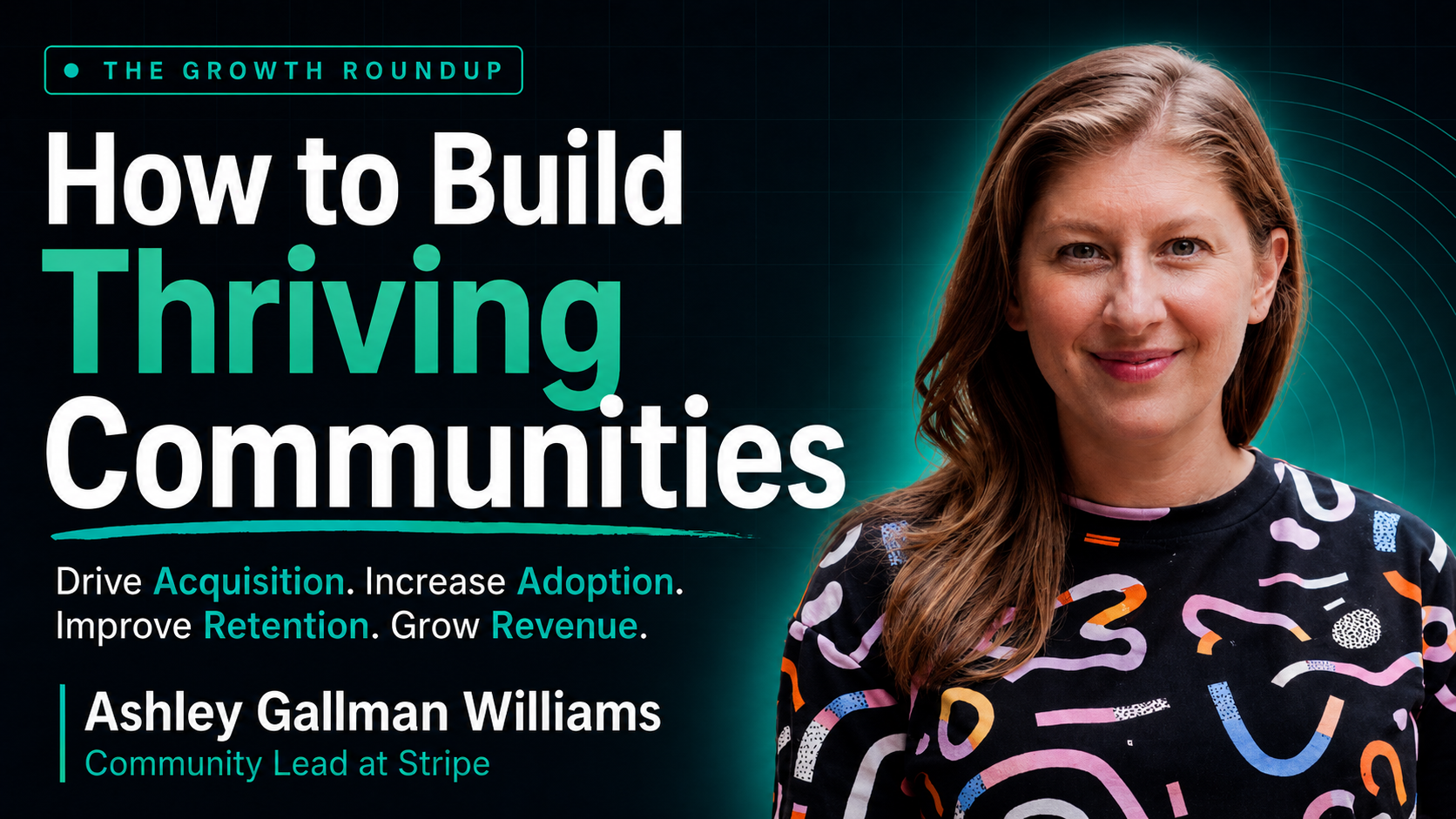



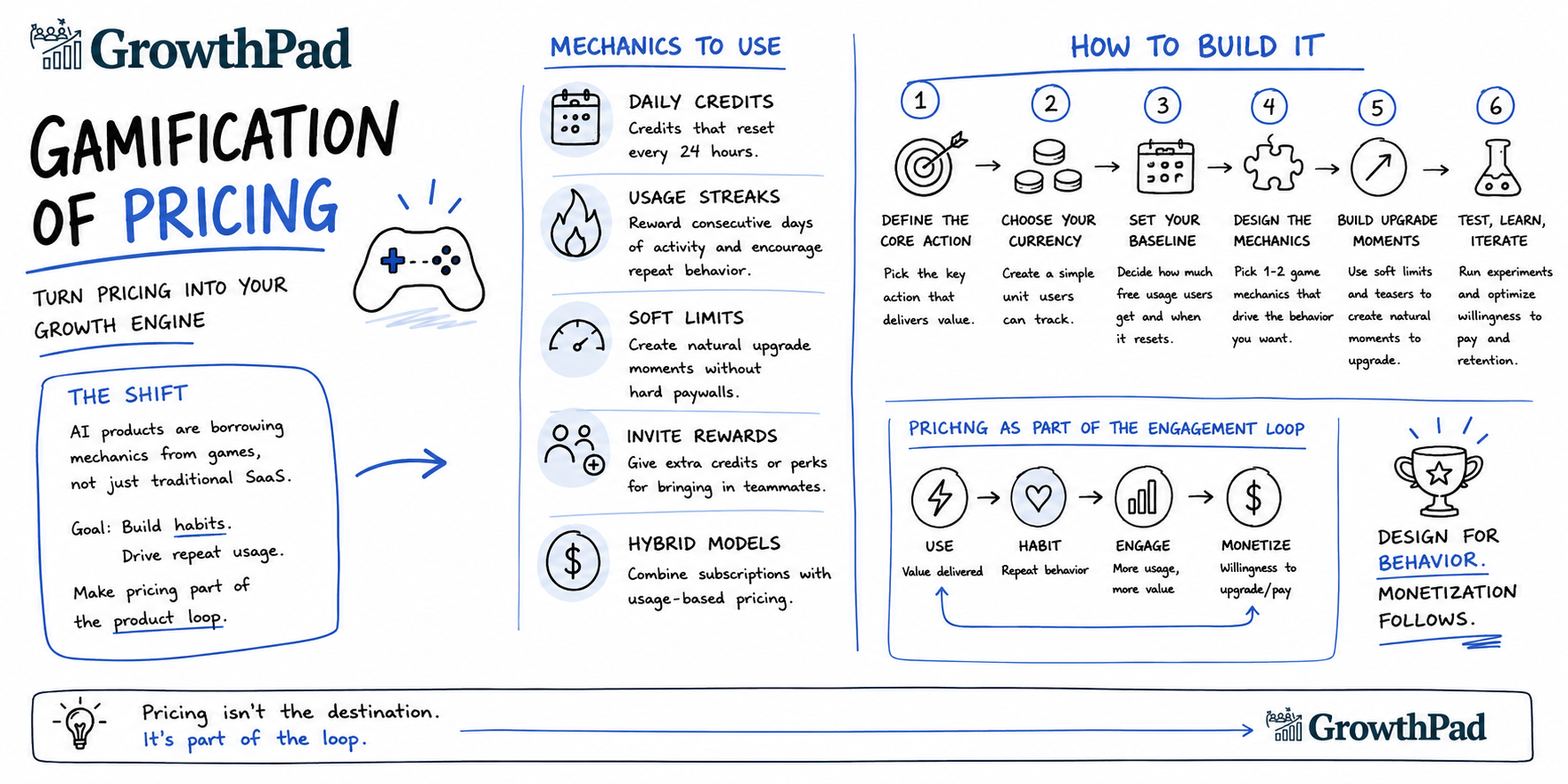










You must be logged in to post a comment.